
A Thousand Splendid Suns
1,957-word summary 9 min read 384 pages in the book
- First published
- 2007
- Publisher
- Riverhead Books
- Pages
- 384
- ISBN
- 9781594489501
Reading options
What's inside (7 sections)
I came to A Thousand Splendid Suns after loving The Kite Runner and fearing this would hurt more. It does. The book was published in 2007 by Riverhead Books. It runs 384 pages in hardcover. Mariam, a village girl called harami, and Laila, a city girl with books, share one husband in Kabul through wars. Their bond carries the book. I read it slowly with breaks to walk. It is tender and brutal in turns.
Mariam grows outside Herat with a bitter mother Nana and a kind rich father Jalil who visits Thursdays. Nana calls her harami, illegitimate, and warns men will shame her. Jalil gives her rides and stories but will not claim her at home. At fifteen Mariam sleeps on his gate to force love. He hides. She pushes to his house and is sent back. Nana hangs herself in grief. Jalil marries Mariam off fast to Rasheed, a forty year old shoemaker in Kabul. She rides to the city with one suitcase and fear. Her new room smells of smoke and old food.
Laila grows in Kabul next door with a teacher father Hakim who loves her mind and a mother Fariba who mourns two sons lost to war. Laila loves Tariq, a boy with one leg who charms streets. They play, read, and plan. Rockets fall. Tariq's family flees. A rocket kills Laila's parents. Rasheed pulls Laila from rubble and takes her in. She is fourteen and pregnant by Tariq. To live, she marries Rasheed as second wife. Mariam, barren after miscarriages and scorned, hates her at first sight. The house holds two women, one old man, and thin walls.
One House, Two Women
Early house life is cold war. Rasheed favors Laila for youth and a son to come. He gives her extra rice. He beats Mariam for burnt rice. Mariam sneers at Laila's books. Laila sneers at Mariam's prayers. They share a kitchen in shifts and avoid eyes. Rasheed sets rules. Wear burqa outside. Stay in when told. Ask for nothing twice. The city outside shifts from Soviets to warlords to Taliban. Rules tighten. Women vanish from streets. Music stops. Kites fall. Inside, the two women circle like cats.
Aziza and Zalmai, Laila's kids, change the air. Aziza is Tariq's daughter, though Rasheed believes her his for a while. Zalmai is Rasheed's son, spoiled and parroting his father. Mariam, who lost her own babies, loves Aziza in secret. She sings to her. She feeds her sweets. Laila sees it and softens. They start talking at night after Rasheed sleeps. Tea shared. Stories traded. Burdens named. The friendship grows in chores. Washing. Baking. Mending. Hosseini writes these small acts with care that makes later sacrifice believable. Love here is built in kitchens, not vows.
Rasheed's cruelty widens with war and job loss. He beats Mariam for disobedience. He beats Laila for visiting Tariq, who returns alive with a prosthetic and news. He locks them in rooms without water. He makes them chew pebbles to teach silence. He forces them to wear burqas that blind in heat. The scenes hurt to read and run long on purpose. Hosseini wants no doubt about daily terror under both a husband and a regime. Some readers will need pauses. I paused twice and returned because Mariam and Laila held hands through it.
Their escape attempt fails and costs more. They board a bus with forged help. Police catch them for lack of male kin papers. Rasheed pays bribes and beats them worse at home. After, they stop planning and start enduring. Mariam teaches Aziza Koran verses. Laila teaches Mariam letters. They laugh once at Rasheed's snores and cover mouths. That laugh matters more than any speech. Two women finding one minute of joy in a locked house is the book's thesis in miniature. Joy persists even here. Cruelty cannot take all.
War Outside, Hunger Inside
Kabul's wars press through windows. Soviets leave. Warlords shell streets. Taliban beat women for ankles showing. Laila's father dies in rockets. Her mother dies beside him. Tariq flees to Pakistan. Rasheed loses his shop and takes half work. Food thins to tea and bread. Aziza is sent to an orphanage to be fed, which breaks Laila daily. Visits mean long walks past checkpoints and whips. Hosseini names streets, foods, and edicts without lectures. Burqa fines. Radio bans. Stadium killings. The history lives in queues for bread, not chapters of dates.
Mariam's past returns through Jalil's letters. He wrote for years asking pardon. She hid them unopened in a box. Laila finds them and reads of a father who wept at her gate. Mariam learns Jalil died and left her a tape with a sad song. She listens once and weeps. The scene reframes her shame. She was loved, though poorly. That knowledge steadies her for what comes. Readers who hated Jalil may soften a fraction. He failed as father and still loved as man. Both can stand. Hosseini lets them.
The end turns on Rasheed's final beating. He finds Tariq visited and strangles Laila near death while Zalmai watches. Mariam takes a shovel and kills Rasheed to save Laila. She stays with the body and tells Laila to flee with kids and Tariq, who returned. Police take Mariam. She confesses to spare Laila and is stoned in a stadium as crowd watches. Hosseini writes her walk with calm. She thinks of Herat fields and Jalil's rides. She dies loved at last by Laila's kids calling her aunt. It is devastating and deliberate. One woman gives all so two can live.
Laila and Tariq rebuild after Taliban fall. They marry, work in an orphanage, and return to Kabul with kids. Laila visits Mariam's village and leaves flowers. She names a coming daughter Mariam. The last pages show schoolgirls running with books. Hope feels thin but real after graves. Hosseini does not claim war ends. He claims love can outlast one house of pain. That claim, earned through 300 pages of hurt, lands without gloss. I wept at the naming and did not feel tricked. Names carry where bodies cannot.
Jalil's Letters and Tariq's Return
Jalil's letters wait years in a box Mariam never opens. He wrote after Nana's death asking pardon in careful hand. He sent money through others. He came to Kabul once and left gifts at a door. Laila finds the box and reads them aloud at night. Mariam learns her father wept at her gate and kept her photo. The news does not excuse his failure to claim her. It complicates grief with love poorly given. Mariam listens once to his taped song and weeps. Then she folds the letters for Aziza to know a grandfather flawed and human.
Tariq returns alive with a prosthetic leg and news of Pakistan camps. He finds Laila married to Rasheed with kids and does not judge. He brings medicine and laughs with Aziza. Rasheed sees visits and boils. His final beating starts when Tariq leaves flowers. That return gives Laila a glimpse of a life she chose in youth. Kind boy, shared books, planned hills. The glimpse steadies her to endure and later to flee. Tariq waits years without pressing. He works, saves, and returns after Rasheed falls. His patience contrasts Rasheed's grip. Love here waits at doors instead of locking them.
Aziza and Zalmai anchor the women's pact. Aziza, Tariq's daughter raised as Rasheed's, loves Mariam's songs and Koran tales. Zalmai, Rasheed's son, parrots his father's shouts and hits. Mariam teaches both with different hands. She sings Aziza to sleep. She feeds Zalmai when Laila cannot. The kids fight and share as kids do under bombs. When Mariam kills Rasheed to save Laila, Zalmai watches and screams. That witness stains all. Laila takes both kids to Tariq's care after. Healing runs slow. Aziza calls Mariam aunt mother for years. Names carry where bodies cannot.
Kabul Streets and Bread Lines
Kabul streets press through windows with dust and fear. Soviets leave in trucks. Warlords shell from hills. Taliban beat women for ankles showing below burqas. Music stops in shops. Kites fall from skies. Laila's father Hakim teaches in a school with broken glass. Her mother Fariba mourns sons lost to war and stays in bed for days. Bread lines grow long before dawn. Water pumps freeze. Hosseini names edicts without lectures. Radio bans. Stadium killings on Fridays. Burqa fines at checkpoints. History lives in queues for bread and in classrooms with missing girls, not in chapters of dates.
Hunger shapes the house more than speeches. Rasheed loses his shop and takes half work for coins. Food thins to tea and stale bread. Aziza is sent to an orphanage to be fed, which breaks Laila daily. Visits mean long walks past whips and stares. Mariam teaches Aziza verses in the orphanage yard. Laila brings sweets hidden in sleeves. The guards count minutes. Those visits hurt more than beatings because love must leave at gates. Hosseini writes them with care that keeps pages turning when hearts ache. Small sweets carry more than vows.
Rasheed's shop loss turns his cruelty sharper. He was always hard. Jobless, he drinks and hits for cold food. He forces pebbles into mouths to teach silence. He locks doors without water in heat. The scenes run long on purpose to leave no doubt about daily terror under husband and regime both. Some readers will need pauses between. I paused twice and returned because Mariam and Laila held hands through nights. Two women finding one minute of laughter at snores is the book's thesis in miniature. Joy persists even here. Cruelty cannot take all of a house.
What Breaks and What Holds
Hosseini breaks with plain, relentless scenes of hitting and hunger. He holds with small mercies. A shared cup. A taught letter. A lullaby. His prose reads clear and warm even in horror. Kabul smells of kebabs and dust. Kitchens smell of cardamom. Burqas itch. Rockets thump. Those senses keep pages turning when hearts ache. The structure, Mariam first, Laila second, both together, works like two rivers joining. You know each before they meet, so their bond feels fated by craft, not forced.
It strains where pain repeats. Beatings, miscarriages, and edicts circle for chapters. The war years blur in names of factions. Rasheed stays pure brute with little past. Jalil's letters arrive late to soften him. Tariq waits years off page as ideal. Readers who want moral gray may find white and black. Hosseini chooses witness over nuance here. He wants the world to see what war and men did to women in one street. That aim justifies starkness, though it tires.
There are content notes to state plainly. The book shows domestic hitting, choking, child hunger, and execution. It shows rockets killing parents and kids. Young readers should wait and read with help. Older readers should know the book sides with its women without apology. Some may find Mariam's sacrifice too neat. I found it the only road her world left. A poor older wife killing a husband in Kabul could not walk free. She chose the manner of her end to buy Laila miles. That choice, grim and free, is the book's hard heart.
Even with strain, the novel holds as a landmark of care under siege. Mariam grows from shamed girl to mother of choice. Laila grows from bright student to survivor who teaches. Their house of pain becomes, briefly, a house of tea and tales. I closed the book thinking of Aziza laughing at Mariam's songs and of a new baby named for a dead aunt. War took much. It did not take naming. Hosseini leaves that small power with women who learned to hold hands through walls.
FAQ
Who are Mariam and Laila at the start?
Mariam is a village harami married to old Rasheed in Kabul. Laila grows next door, loses family to rockets, and is taken in after injury.
What does Rasheed do and how does it end?
Rasheed beats both, favors Laila for sons, and locks them in. Mariam kills him with a shovel to save Laila, then gives herself up.
When was A Thousand Splendid Suns published?
It was published in 2007 by Riverhead Books in a 384-page first edition. The summary follows that text.
Similar books
More like A Thousand Splendid Suns →
The Kite Runner
Khaled Hosseini's The Kite Runner retold: Amir and Hassan in Kabul, the alley, the escape to America, and the return to find Sohrab.
2,584-word summary · 11 min read
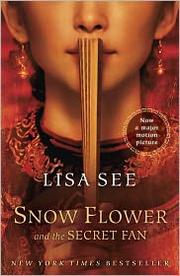
Snow Flower and the Secret Fan
Footbound Lily and Snow Flower share laotong bond through 19th century Hunan hardship.
2,557-word summary · 11 min read

My Brilliant Friend
Elena and Lila grow up in 1950s Naples bound by rivalry and love.
2,584-word summary · 11 min read

All Quiet on the Western Front
Paul Bäumer enlists at nineteen and faces the trenches of World War I in Remarque's 1929 classic, told from the German side of the wire.
2,543-word summary · 11 min read
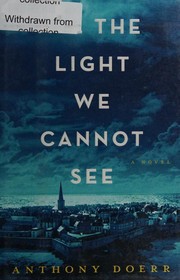
All the Light We Cannot See
Doerr's All the Light We Cannot See retold: blind Marie-Laure, Werner the radio boy, and Saint-Malo.
1,962-word summary · 9 min read

And the Mountains Echoed
When Abdullah and Pari are split in 1952 Afghanistan, their parting echoes across decades from Kabul to Paris to California in linked stories of loss and…
2,572-word summary · 11 min read