
Life After Life
2,060-word summary 9 min read 529 pages in the book
- First published
- 2013
- Publisher
- Little, Brown and Company
- Pages
- 529
- ISBN
- 9780316176484
- Series
- Todd Family (#1)
Reading options
What's inside (6 sections)
I read Life After Life because the premise sounded impossible to sustain and reviews insisted Atkinson does. Kate Atkinson published it with Little, Brown and Company in 2013, a 529 page novel with ISBN 9780316176484. Ursula Todd dies at birth, then lives again. And again. Through wars and flus and bad marriages, restarting each death with faint memory. What if you could live same life differently. It is literary fiction, war novel, and thought experiment in one. I finished it moved and a little dizzy, wanting to call my mother about choices. Read it slowly. Lives repeat. Let them. Notice changes. Small ones matter most. Good. Go slow. Savor. Stay.
Ursula opens the book dying in snow, then being born in 1910 to Sylvie and Hugh Todd. That loop structure, death then restart with darkness, falls, then light, teaches reading contract early. Each life varies slightly. Parents argue differently. Servants intervene. Ursula survives infancy one time, dies young another. Those early repetitions could frustrate readers wanting forward plot. They are the plot. Watch for small divergences. A pushed pram. A kept scarf. A doctor arriving sooner. Butterfly effects before term was trendy. I kept a list on phone of which life reached which year. Life three to teens. Life five to war. That tracking pays when patterns emerge. Ursula learns to avoid a predatory painter, to leave an abusive husband, to warn about Hitler. Learning across lives without full memory, through deja vu and dread. That partial knowing feels true to intuition. You have felt it. Do not enter that room. Do not marry that man. Listen. Ursula learns to listen to unease. Practice listening in life too. Gut knows before mind proves. Honor gut while checking facts. Both. Hold both while reading repetitions. Do not skim early deaths as throat clearing. They teach stakes. Each death costs pages of love invested. Feel cost. Mourn brief lives fully though they reset. Mourning matters even when undone. Practice mourning small might have beens in your own days. Missed trains. Unsaid apologies. Mourn, then live next life, which is today. Today is another chance. Take. Good. Keep. Live.
Sylvie and Hugh as parents give the book its domestic anchor across variations. Sylvie, sharp and anxious, loves Ursula fiercely while making mistakes. Hugh, steady banker, adores daughters. Their marriage wobbles and holds differently per life. Servants Bridget and Mrs Glover add warmth and gossip. Brother Teddy, beloved and doomed in wars across lives, breaks hearts repeatedly. Those family constants let readers track change. Same people, different choices. What shifts outcomes. Sometimes a servant's day off. Sometimes a phone answered. That contingency will move anyone who wonders about sliding doors. What if I took other job. Married other. Moved. Ursula lives your what ifs literally. Enjoy without envy. Her gift is also curse. Remembering deaths while others forget isolates. She cannot explain why she fears a man she just met. Sounds mad. Feels true. Trauma survivors know this dissonance. Body remembers what mind cannot place. Trust body. Atkinson honors that knowing without mystifying. Dread as data. Collect. Act. Good lesson generally. Heed unease. Investigate kindly. Leave if needed. No proof required to protect self. Take. Practice. Leave early from bad rooms. Return never. Good. Keep safe. Live to restart days, if not lives. Today restarts each morning. Use mornings well. Good. Keep.
War and choices
World War Two gives the book its moral center and hardest lives. Ursula trains as rescue worker during Blitz, pulls bodies, comforts dying. Those chapters, written with plain detail, outshine time trick for sheer humanity. Bombs fall. She runs toward. Later lives she goes to Germany, sees evil up close, even attempts Hitler assassination. Those thriller lives divide readers. Some find them pulpy after literary domesticity. I found them necessary. What would you do with infinite chances at history's hinge. Try to kill Hitler. Of course. Fail mostly. Learn limits of single acts against systems. That learning tempers hero fantasies into humility. One woman cannot stop war alone, even with retries. Systems exceed individuals. Work collectively instead. Ursula learns to save one child in front of her rather than history abstract. That shift from grand to near is the book's wisdom. Save who is near. Today. This hour. Small rescues accumulate into livable lives if not saved world. Practice. Rescue near first. Donate local. Tutor one kid. Those concretes beat grand plans that stall. Do concretes. Daily. Good. Keep. History moves through many small rescues more than lone assassinations. Believe. Act small. Repeat. Necessary. Good. Keep.
Marriages across lives show Atkinson at her sharpest about domestic danger. Ursula marries charming Derek, who isolates and hits. She stays too long one life, leaves earlier next with memory of bruises she cannot explain. That accelerated leaving will resonate with survivors who needed years first time and minutes next. Learning counts across relationships if not lives. Trust faster exit second time. No shame in first stay. Shame on harm, not on hoping. The book honors hope while teaching exit. Friends who help her leave, brother who believes, funds saved secretly. Those details model leaving plans practically. Save money. Tell one person. Pack bag. Good. Share with friends who need. Do not judge stay. Support exit when ready. Return if they go back. Stay kind. Leaving takes tries. Average seven. Remember number. Be patient. Be ready each time. That patience saves more than lectures. Practice. Keep doors open. Light on. Good. Ursula also lives single fulfilled lives with work and nieces, which balances marriage plots. Single is not failure mode between retries. It is full life. Celebrate. Choose single actively if fitting. No apology. Atkinson allows. Take permission if needed. Granted. Live well alone or together. Both full. Choose freely. Good. Keep choosing. Each life, each day. Choose. Good.
What loops
What loops is structure that tests patience by design. Deaths reset to birth or midlife checkpoints, repeating scenes with variations. Around page 300 three Blitz lives blur. I flipped back to check which husband was which. Keep the phone list suggested before. It helps. Still, some repetitions feel like exercises after point made. Could trim eighty pages. Friends who need forward momentum skimmed middle war lives. Do not. Blitz lives contain best writing. Skim instead a 1930s farming life that repeats marital points. Choose what to skim based on need. War over farm if time short. Both have value. Farm shows domestic trap. War shows public duty. Pick lesson needed tonight. Tonight I needed duty. Read war. Tomorrow I may need domestic. Reread farm then. Books this built allow dipping. Dip. Do not march cover to cover if looping tires. Hop. Atkinson permits. Lives hop. You hop. Good. Keep hopping kindly. No quiz on order. Feel arcs, not sequence. Arcs hold. Ursula grows warier and kinder across lives. Track growth, not plot. Growth satisfies even when plot circles. Notice kinder choices later. Earlier Ursula judges servants. Later she thanks. Small kindnesses accumulate into character. Character is plot here. Follow character. Arrive changed. Good. Keep. Notice your own growth across rereads. You change too. Good. Compare. Smile. Continue.
Endings need a paragraph without spoiling choice among lives. Atkinson does not pick best life and end there. She offers a life paused mid war with work to do, love possible, danger present. Ambiguous and right. Perfection would betray premise. No life is perfect. Each trades. Choose the trade you can bear with eyes open. That message comforts maximizers who fear wrong choice. All choices lose something. Pick loss you can love. Marry kind boring? Actually marry passion with risk? Live alone with cats and books? Each costs and gives. Choose consciously. Revisit yearly. Choices can change next life, which is next year, next move. Lives are long with many restarts inside one span. Treat years as lives. Graduate. Move. Quit job. Each restart carries memory forward like Ursula. Use memory. Do not repeat Derek. Do repeat Blitz courage. That framing turns 529 pages into manual for reinvention. Keep manual near during transitions. Underline lines about darkness before light. Read when starting over. Births follow deaths, literal and job wise. Trust. Begin. Good. Keep beginning. Each morning. Each move. Begin. Good.
Who it is for
Read it if you like literary what ifs with war and family, repetitions that deepen, heroines learning across lives. It is Todd Family book one of two, followed by A God in Ruins about Teddy. Content includes war deaths, bombing, domestic violence, sexual assault. Described without lingering gore but with weight. Suitable for adults and older teens ready for length, with care for violence and loss.
Facts to cite are big across editions. First published in 2013 by Little, Brown and Company. Edition runs 529 pages with ISBN 9780316176484. Author Kate Atkinson wrote it after Jackson Brodie books. Series Todd Family order one. Tags that fit are literary fiction, time loops, war, family, historical fiction.
I closed it calling my mother to ask about family stories that repeat, which is the right aftereffect. What patterns loop in our lives. Who leaves. Who stays. Discuss over tea. Listen. The 529 page Little, Brown book with ISBN above will not answer. It will prompt asking. Ask. Then live next life, which is tomorrow, a little differently. Wake. Choose kinder. Avoid one Derek. Rescue one neighbor. Small divergences compound into better story by page 529 of your own years. Track with journal. Note deaths of habits. Celebrate births of practices. Keep list like Ursula lives. Review. Smile at growth. Mourn brief lives that taught. Continue. Begin again. Darkness, fall, light. Always light after, if you watch. Watch. Good. Keep living. All lives. One by one. Good.
Practicing restarts
What the 529 page Little, Brown edition with ISBN 9780316176484 gives beyond story is a practical model for reinvention that readers can borrow without mysticism. Treat years as lives with darkness, fall, light. Darkness when old pattern ends. Fall when trying new. Light when practice steadies. Name current phase to reduce panic. Job loss is darkness. First month retraining is fall. Competence returning is light. That framing normalizes wobble. Share with friends starting over after divorce, layoff, move. You are in darkness. Light comes with practice. Not guaranteed, but likely with effort and help. Offer help for fall phase specifically. Babysit during interviews. Review resumes. Those concretes beat cheerleading. Do concretes. Track small divergences like Ursula. One kinder email. One walk instead of drink. Those micro choices compound into different life by year end. Journal them nightly in one line. Read monthly. See growth invisible daily. That review sustains through slow change. Try for one month. Note. Review. Continue if helped. Adjust if not. No mysticism needed. Just attention and repetition. Good. Practice restarts deliberately while young enough to enjoy many. Age helps. Each decade offers fresh life if seized. Move cities in twenties. Change fields in thirties. Forgive in forties. Mentor in fifties. Each restart carries memory forward like Ursula dread. Use memory. Avoid past Dereks. Repeat Blitz courage. That selective carrying is wisdom. Pack lightly but wisely. Bring lessons, not luggage. Travel light. Arrive open. Begin. Good. Keep beginning. Each morning. Each move. Begin. Good.
Teddy as beloved brother also deserves a paragraph for sibling love that anchors war chapters. Gentle. Funny. Doomed across lives in ways Ursula cannot prevent despite retries. That inability to save beloved siblings will ache for readers with similar helplessness. Sit with ache rather than fixing in fiction. Some losses persist across all variations. Accepting unfixable while still trying defines mature love. Try everything reasonable. Accept when reasonable fails. Mourn. Continue loving absence. Teddy embodies that lesson with grace. He remains kind through wars that harden others. Emulate. Be kind sibling in your own family system. Call brother. Listen to sister. Forgive old fights. They were young. Allowed mistakes. Release. The book models release through repeated goodbyes that never get easier but get kinder. Kinder goodbyes matter. Practice goodbye well. Say thanks. Say love. Leave door open for return. Those habits help when real goodbyes come suddenly, as they will. Rehearse through fiction. Cry safely. Then call living siblings today. Say love now, not at funeral. Say. Good. Keep saying. Every call. Every visit. Say. Mean. Show with rides and dishes too. Words plus acts. Both. Always both. Good. Stay siblinged. Yes.
FAQ
When was Life After Life published?
Little, Brown and Company published it in 2013. The edition runs 529 pages with ISBN 9780316176484.
Is it part of a series?
Yes. It is Todd Family book one, followed by A God in Ruins about Teddy. Keep a life list to track.
Similar books
More like Life After Life →More from Todd Family first, then related titles.
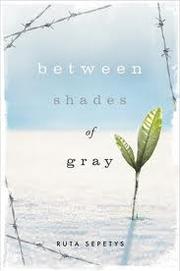
Between Shades of Gray
In 1941, fifteen-year-old Lina is deported from Lithuania to Siberia and uses her drawings to survive and send word to her father.
2,263-word summary · 10 min read

Hamnet
Agnes Hathaway holds her Stratford family together while her husband works in London, until plague takes eleven-year-old Hamnet in 1596.
3,164-word summary · 14 min read

Homegoing
Half sisters Effia and Esi lines span Ghana to America across centuries.
2,552-word summary · 11 min read

All Quiet on the Western Front
Paul Bäumer enlists at nineteen and faces the trenches of World War I in Remarque's 1929 classic, told from the German side of the wire.
2,543-word summary · 11 min read
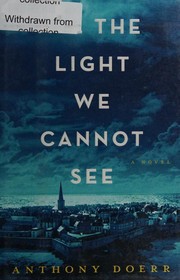
All the Light We Cannot See
Doerr's All the Light We Cannot See retold: blind Marie-Laure, Werner the radio boy, and Saint-Malo.
1,962-word summary · 9 min read

A Thousand Splendid Suns
Splendid Suns retold: Mariam and Laila share Kabul house, war, Rasheed, escape and return.
1,957-word summary · 9 min read