
The Bonesetter's Daughter
2,720-word summary 12 min read 353 pages in the book
- First published
- 2001
- Publisher
- G.P. Putnam's Sons
- Pages
- 353
- ISBN
- 9780399146435
Reading options
What's inside (7 sections)
I picked up The Bonesetter's Daughter because my mother and I had a rough patch and someone said Tan writes about that exact ache without making it sweet. Amy Tan published it in 2001 with Putnam. The first hardcover runs 353 pages. It is a standalone novel, not part of a series. I read it slowly, a chapter before sleep, and kept stopping to think about how much of what we call forgetfulness in old parents is really unspoken history.
The book has two main threads that braid together. Ruth Young is a Chinese American woman living in San Francisco, working as a ghostwriter for self help books. Her mother, LuLing, is getting older and stranger, forgetful in ways that scare Ruth. The middle of the novel is LuLing's life story, written in Chinese years earlier and translated for Ruth. That memoir takes us to a village called Immortal Heart in China, to a burned mute nursemaid called Precious Auntie, to a cave of old bones, to war and immigration and marriage in America. When Ruth finally reads it, both women look different to the reader and to each other.
Ruth's present day life is tired in a familiar way. She writes books under other people's names, smoothing their stories about diet and success and calm. She is good at it and a little erased by it. She lives with her boyfriend Art Kamen and helps raise his two teenage daughters, Dory and Fia. The girls like her but test her. Art loves her but pushes for marriage and normal holidays and clear plans. Ruth says yes and means maybe. She has stomach trouble, she grinds her teeth, she loses words mid sentence when stressed. Tan writes those body signals without turning them into a diagnosis. Ruth is worn down by caretaking.
Caretaking centers on LuLing. LuLing lives nearby and calls often. She repeats questions. She accuses a neighbor of stealing. She says odd things about curses and ghosts and a family promise. She insists Ruth knew how to speak to spirits as a child. Ruth worries about dementia and starts reading pamphlets and making lists of symptoms. She also feels guilt, because as a teenager she pulled away hard from her mother and never fully came back. Now every phone call feels like a test she fails.
Ruth and the sand tray
The early chapters about Ruth's childhood hit close. LuLing raised Ruth mostly alone after Ruth's father died in a hit and run accident when Ruth was two. LuLing worked as a seamstress and cleaner, saved hard, kept house rules strict. She criticized Ruth's posture, her grades, her friends, her English tones when speaking Chinese. She also told Ruth she had a gift. As a small girl Ruth could sit at a sand tray and write messages that LuLing believed came from Precious Auntie, the long dead nursemaid from China. Neighbors came to ask for guidance. Ruth performed, half believing and half wanting her mother's praise.
As Ruth grew, she stopped believing and started resenting. She saw the sand tray sessions as pressure and superstition. She saw LuLing's talk of a curse as control. She lied about where she went after school. She stopped speaking Chinese at home. LuLing answered with more rules and sharper words. By college Ruth was gone in spirit if not in miles, living in the Bay Area but keeping visits short.
Tan does not make either woman a villain here. LuLing's harshness comes from fear. She grew up where a wrong marriage or a lost reputation could ruin a girl, and she parents as if San Francisco in the seventies holds the same traps. Ruth's distance comes from wanting to be a normal American kid with a mother who packs normal lunches and does not ask ghosts for advice. Both want closeness. Both use silence as a tool.
In the present, Ruth tries to get LuLing tested. LuLing refuses, then agrees, then forgets the appointment. A fall in the apartment forces the issue. Ruth finds stacks of papers, old photos, a handwritten manuscript in Chinese that LuLing wrote years before and never showed her. Ruth arranges for translation. A family friend's son helps at first, then a professional translator takes over. Pages arrive in batches. Ruth reads them at her kitchen table after Art and the girls sleep, and the novel shifts into LuLing's voice for a long stretch.
I liked how Tan handles that handoff. Ruth the ghostwriter, who writes other people's lives for money, now reads her mother's true draft for free. She keeps wanting to edit it, to cut repetition, to fix dates. Then she stops editing and starts listening. That change feels earned.
Immortal Heart
LuLing's memoir starts in a small backwoods village called Immortal Heart. The name sounds pretty and the place is hard. Dirt roads, kilns, fields, a ravine people call the End of the World where the earth crumbles and things get lost. Bones are money there. Old dragon bones ground for medicine, and later fossil bones wanted by museums and collectors after the discovery of Peking Man made such finds famous.
LuLing grows up in a large household where she is the oldest daughter but not the favored child. Her mother favors her younger sister GaoLing, who is prettier and more obedient and laughs easily. LuLing is watchful and stubborn. The person who truly raises her is Precious Auntie, a mute woman with terrible burn scars on her face and hands who works as her nursemaid.
Precious Auntie cannot speak. She writes a little, gestures a lot, and stays close to LuLing day and night. She was burned years earlier in a fire involving hot ink resin, which she swallowed, damaging her throat. The village pities her and also fears her a little, the way people fear anyone marked by bad luck. To LuLing she is safety. She carries LuLing when sick, warms her bed with a brick in winter, tells stories through pictures drawn in ash.
Tan writes their bond in small acts. Precious Auntie saving the soft part of a bun for LuLing. Precious Auntie mending a torn sleeve so the stitches do not show. Precious Auntie standing between LuLing and a scolding aunt. GaoLing gets new shoes and praise. LuLing gets Precious Auntie's full attention, which as a child feels like enough and as a teen starts to feel like a weight.
The household runs on status and marriage plans. LuLing's father is often absent. The woman LuLing calls Mother runs the rooms with cold order. Uncles and cousins weigh in. Servants listen at doors. Into this comes the Chang family with a proposal. They want LuLing to marry their son Fu Nan. They say it is a good match. They keep asking about the hills behind Immortal Heart and about old caves where bones might lie.
Precious Auntie reacts badly to the Chang talk. She shakes, she grabs LuLing's wrist, she writes NO over and over. LuLing, at that age, reads it as jealousy. She wants to be chosen, to leave a house where she is second to GaoLing, to wear red and be looked at. She stops listening to the one person who never left her.
The cave and the letter
The reason the Changs want LuLing is knowledge she does not know she has. Precious Auntie, before the fire, was the daughter of the local bonesetter. She was the only person who knew the path to a hidden cave where ancient bones lay thick, what people called dragon bones and what scientists would call oracle bones and fossils. Her father died, the secret stayed with her, and after she was burned and taken into LuLing's family as a servant, she kept it locked inside.
When fossil fever grows, that cave could make a family rich or get them killed. The Changs believe marrying LuLing will lead them to it, because Precious Auntie dotes on LuLing and might have shown her the way as a child during walks. They press the match. LuLing's family, seeing money and connection, agrees.
Precious Auntie tries to stop it the only way she can. She writes LuLing a long letter, in careful characters, explaining who she is and why the Changs must be refused. LuLing starts it and does not finish. She is busy, she is angry, the letter is long and sad and hard to read, and part of her does not want to be told no right when someone finally says yes to her. She puts the pages aside for later.
Later never comes in time. Precious Auntie dies. The circumstances are bleak, tied to shame and pain and the Chang pressure. After the funeral, LuLing finally reads the letter to the end. What she learns breaks the floor under her.
Precious Auntie was her mother. The woman LuLing called Mother all her life is really her father's sister, who took the baby and raised her as her own after Precious Auntie was ruined and silenced. Precious Auntie swallowed burning resin not by accident but in grief and protest after violence done to her family. She stayed on as a mute servant to stay near her daughter. Every saved bun, every mended sleeve, every night on the floor by LuLing's bed was a mother caring for a child who did not know her.
I found this reveal painful in the right way. Tan does not play it as a twist for shock. She lets LuLing sit with the pages, reread lines, remember moments that now mean something else. The times Precious Auntie wept when LuLing called another woman Mother. The times she tried to tell more and LuLing pulled away. LuLing's guilt is not abstract. It is specific. She did not read. She married wrong. She cannot ask forgiveness from ashes.
After this, the family rearranges in cruel ways. GaoLing, the favored sister, marries Fu Nan instead. LuLing is sent away to a Christian orphanage school to finish her education and get her out of gossip's reach. It reads as exile and rescue at once. She loses home and gains a door.
Orphanage, war and crossing
The orphanage chapters surprised me by how much I liked them. LuLing trains as a teacher, learns English hymns and nursing basics, scrubs floors, grades slates. She meets her first husband there, Pan Kai Jing, a earnest young man with a kind face. Their courtship is quiet, built on shared chalk dust and evening walks inside the walls. For a while LuLing has a plain happy life, the kind she never expected.
Then war comes through. Japanese soldiers move in the region, supplies thin, rumors fill the yard. LuLing goes to lengths to protect her students, hiding food, lying to patrols, carrying sick children on her back to a clinic. Tan does not turn her into a soldier. She is a teacher who refuses to hand over names and who learns how to bow and stall and bargain. One scene with a search of the dormitory stayed with me. LuLing stands in a doorway and will not move, not shouting, just planted, while girls breathe behind a curtain. It works because it is small.
Pan Kai Jing dies. I will not detail how, because Tan writes it as loss inside larger loss, and the point is LuLing is widowed young with no child and no house. She teaches on. After the war she reconnects with GaoLing, who has her own scars from marriage to the Chang family. The sisters, once rivals for a mother's favor, become allies. They decide separately to leave for America, chasing work and safety and a fresh start.
In San Francisco they marry brothers, Edmund and Edwin. Names Americanize, kitchens smell of both pork and pot roast, church and ancestor rites mix without full peace. LuLing marries Edwin and has Ruth. GaoLing marries Edmund and builds a different life nearby. The sisters stay close and prickly, translating for each other and correcting each other's memories. When Edwin dies in a hit and run accident while Ruth is still a toddler, LuLing is left a widow in a new country with a small daughter and a head full of ghosts.
Tan writes immigrant grind without romance. LuLing sews, cleans houses, counts coins, fights landlords, learns which bus goes where. She teaches Ruth to be careful, to save face, to honor Precious Auntie with offerings even if Ruth rolls her eyes. She tells Ruth about the curse she believes she released by betrayal, the idea that her failure to read the letter and heed her mother brought bad luck down the line. Ruth hears curse and thinks control. LuLing says curse and means debt.
What sings and what sags
What sings is the middle memoir. Precious Auntie's story, the cave, the letter, the switched mother. Those chapters have weight because Tan roots them in touch and labor. Bone setting hands, ink smell, scar tissue, cave damp, school chalk. The End of the World ravine and the dragon bone talk could have felt like set dressing. Instead they feel like work and money and risk. I also loved GaoLing's arc from favored pretty sister to tired fellow survivor. Her remarriage and immigration choices give LuLing someone to argue with who actually knows the old rooms.
Ruth's ghostwriting job is a smart frame. A woman who fixes other people's self help prose cannot fix her own family talk. When she starts to write honestly to Art about what she needs, and to LuLing about what she finally knows, the prose loosens. The translation pages arriving in batches create real suspense. I kept wanting the next packet.
What sags for me is the present day middle, before the memoir takes over. Ruth and Art circle the same fight about commitment and his daughters and her mother for a while. Art is decent but a little flat, the patient boyfriend who says the right therapeutic lines. Dory and Fia are sketched more than drawn. A few scenes with Ruth's clients repeat the point that she erases herself for pay. I got it early and wanted less of it.
Tan can also over explain symbols. The sand tray, the bones, the ink. Sometimes she lets an image sit, which is strong. Sometimes a character states what it means, which weakens it. I wished an editor had cut a handful of those decoding lines and trusted the reader. The curse talk wobbles too. LuLing believes it fully. Ruth rejects it fully. Tan wants both views to stand, but the book leans toward Ruth learning respect without belief, which left me unsure what Tan herself thinks about inherited guilt. Maybe that unsure feeling is honest.
Who should read it. If you like mother daughter stories with historical depth, like The Joy Luck Club but darker and more focused on one pair, start here. If you are caring for an aging parent and feel both love and irritation in the same hour, this book will feel close. If you want fast plot or dislike stories inside stories, know the middle hundred pages stay in China and the San Francisco frame pauses. That pause is the point, but it asks for patience.
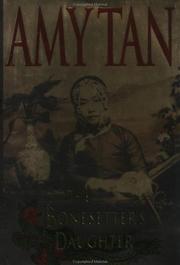
For facts kept straight while reading, this is a 2001 Putnam novel in the States, 353 pages in the first hardcover. Later printings and ebooks often list 400 pages with different type and extras, which confuses listings. The first edition cover shows a photo of Tan's grandmother as a young woman, taken around 1905. The book was later adapted as an opera that premiered in San Francisco in 2008 and as a stage play in Seattle in 2022, which tells you how much music and voice live inside it.
I closed it thinking about reading. LuLing wrote to be known after death because she could not be heard in life. Ruth reads and finally hears. Precious Auntie wrote and was not read in time. That chain, write, ignore, lose, find, read too late and just in time, stayed with me longer than any single scene in the cave. My mother and I still disagree on plenty. After this book I called and asked for one old story and wrote it down without fixing her grammar.
FAQ
When was The Bonesetter's Daughter published?
Amy Tan published The Bonesetter's Daughter in 2001 with Putnam. The first hardcover runs 353 pages.
Who is Precious Auntie?
A mute burned nursemaid who raised LuLing in Immortal Heart and is later revealed as LuLing's birth mother, daughter of the bonesetter.
Does Ruth learn to understand her mother?
Yes. Translating LuLing's memoir shows Ruth why her mother used sand tray messages and curse talk, and they grow closer.
Similar books
The Tea Girl of Hummingbird Lane
A Chinese tea farming mother gives up a daughter who later seeks roots.
2,607-word summary · 12 min read
Song of Solomon
Milkman Dead leaves Michigan to hunt for family gold and finds instead the old song of his ancestor Solomon.
2,465-word summary · 11 min read
The Signature of All Things
Botanist Alma Whittaker grows up in Philadelphia trade wealth, studies mosses, marries distant Ambrose Pike, and sails to Tahiti seeking how species change.
2,535-word summary · 11 min read

The Island of Missing Trees
A talking fig links 1970s Cyprus lovers Kostas and Defne with their grieving London daughter Ada years later.
3,172-word summary · 14 min read
Lady Tan's Circle of Women
Ming physician Tan Yunxian treats bound feet and births with midwife Meiling, defying male medicine rules.
2,330-word summary · 10 min read
Shuggie Bain
Sweet Shuggie loves his alcoholic mother Agnes through 1980s Glasgow poverty and pride.
2,081-word summary · 9 min read

The Cider House Rules
Homer Wells grows up in a Maine orphanage under Dr. Larch, who delivers babies and performs illegal abortions.
2,985-word summary · 13 min read
Small Things Like These
A coal merchant in 1985 Ireland finds a girl locked in a convent and must act.
2,799-word summary · 12 min read
The Good Earth
Wang Lung, a poor farmer in 1920s China, rises with his wife O-lan through famine and wealth, holding to land above all else.
2,125-word summary · 9 min read
Life After Life
Ursula Todd dies and restarts through wars, flus, and bad marriages.
2,060-word summary · 9 min read
Winter Garden
Two sisters keep a deathbed promise: hear their cold mother's Russian fairy tale to the end, and find besieged Leningrad inside it.
2,983-word summary · 13 min read

Hamnet
Agnes Hathaway holds her Stratford family together while her husband works in London, until plague takes eleven-year-old Hamnet in 1596.
3,164-word summary · 14 min read
Snow Flower and the Secret Fan
Footbound Lily and Snow Flower share laotong bond through 19th century Hunan hardship.
2,557-word summary · 11 min read
Homegoing
Half sisters Effia and Esi lines span Ghana to America across centuries.
2,552-word summary · 11 min read
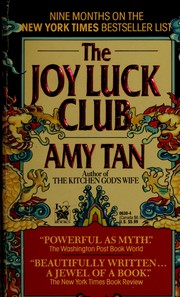
The Joy Luck Club
Four Chinese mothers and four American daughters trade sixteen stories across the mahjong table.
1,941-word summary · 9 min read
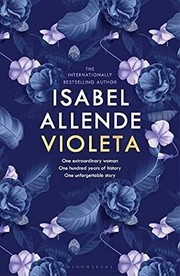
Violeta
A woman born in 1920 writes her life story to her grandson, from one pandemic to another, through wealth, ruin, passion, and dictatorship in South America.
2,555-word summary · 11 min read

The Long Winter
Dakota Territory, 1880: seven months of blizzards cut a town off from the railroad, and a family survives on twisted hay, ground wheat, and a dangerous wheat…
2,210-word summary · 10 min read

The Japanese Lover
A Polish refugee and the son of a Japanese gardener fall in love in San Francisco in 1939, then keep the affair secret for nearly seventy years.
2,286-word summary · 10 min read

The Shadow Sister
Star D'Apliese steps out of her sister's shadow and follows a bookshop clue into the Edwardian life of Flora MacNichol, a woman who gave up love for duty.
2,260-word summary · 10 min read

Little Town on the Prairie
In the spring after the Long Winter, fifteen-year-old Laura sews shirts, studies for a teaching certificate, and helps send her blind sister Mary to college.
2,071-word summary · 9 min read
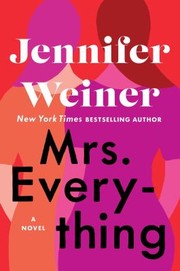
Mrs. Everything
Two Jewish sisters in Detroit grow up, apart and together, across seven decades of American life, from the 1950s to the 2016 election.
2,362-word summary · 10 min read

Howards End
Forster's 1910 novel follows two families, a house in Hertfordshire, and a burned note, asking whether money and feeling can ever be connected.
2,187-word summary · 10 min read

Sophie's Choice
A young Southern writer in 1947 Brooklyn befriends a brilliant, unstable couple and slowly learns the story of the Polish Catholic woman at the center of their…
2,798-word summary · 12 min read

Fathers and Sons
Arkady brings the nihilist Bazarov home to his father's estate, and a generational argument turns into love, a duel, and an early death.
2,192-word summary · 10 min read
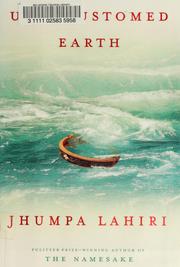
Unaccustomed Earth
Lahiri’s second story collection follows Bengali families in America and abroad, tracing the quiet distances between parents and children, spouses, and the…
2,333-word summary · 10 min read
The Age of Miracles
A California girl grows up while the Earth's rotation slows, and ordinary adolescence continues alongside slow catastrophe.
2,417-word summary · 11 min read
Summer Island
A radio advice host hides a scandal, and the estranged daughter hired to write about it agrees to care for her at the family's island house.
2,325-word summary · 10 min read
The Lowland
Two brothers grow up beside a marshy lowland in Calcutta, and the choices of the younger one draw the older into a life of duty, distance, and quiet grief that…
2,213-word summary · 10 min read
Peace Like a River
An asthmatic boy in the early 1960s narrates his family's search for his older brother, who is accused of two killings and has escaped custody.
1,969-word summary · 9 min read

We Are Okay
Marin fled San Francisco after her grandfather vanished and stopped answering anyone. When Mabel visits her college dorm, she has to say what happened.
2,253-word summary · 10 min read