
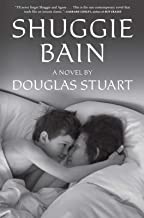
Shuggie Bain
2,081-word summary 9 min read 448 pages in the book
- First published
- 2020
- Publisher
- Grove Press
- Pages
- 448
- ISBN
- 9780802148049
Reading options
What's inside (10 sections)
I delayed Shuggie Bain because I knew it would hurt. Douglas Stuart published it in 2020 with Grove Press. My reading follows the 448 page hardcover. It won the Booker Prize. Hugh Shuggie Bain, sweet boy in 1980s Glasgow, loves his alcoholic mother Agnes while poverty and pride strip everything. It is devastating and tender, beautifully written, and it stayed in my chest for days.
Agnes is the center. Beautiful, proud, funny, addicted. She wears beehive, makeup, pearls, and false teeth like armor. She dreams of a house with its own front door, orders happiness from catalogs on credit, and drinks lager hidden in handbags and tea mugs. Her husband Shug, a philandering taxi driver, leaves. Her older children Leek and Catherine try to save themselves by leaving. Shuggie, youngest, stays.
Glasgow under Thatcher
Stuart sets the book in Sighthill and Pithead, public housing schemes where mines closed and work vanished. Men stand idle. Women stretch benefits. Children grift. The prose smells of damp carpet, chip fat, pubs, and rain. Dialogue in Glaswegian dialect sings and stings. You hear it even reading silently.
Agnes moves the family to Pithead for Shug's promise of a fresh start that curdles. Neighbors watch. Some help with soup. Some gossip. The community is both net and knife. A neighbor who minds Shuggie also reports Agnes to social workers. A shopkeeper who extends credit also cuts it publicly. That duality feels true to schemes where everyone knows and no one can fix.
Thatcher's shadow falls without lecture. Pit closures, dole queues, pride in work that no longer exists. Leek, artistic and gay in a place that punishes both, finds escape through art school applications Agnes both supports and resents. Catherine marries young to leave. Shuggie, too young to work, navigates school cruelty and adult pity. Politics lives in cupboards, not speeches. Empty shelves say more than editorials.
Stuart, who grew up in Glasgow and worked in fashion in New York, writes poverty without poverty porn. He shows effort. Agnes cleans obsessively when sober. She irons curtains. She polishes teeth. Those acts are dignity, not delusion. When drink takes them, loss hurts more because you saw care.
Mother and son
Shuggie loves Agnes completely. He brushes her hair, makes tea, hides cans, lies to teachers to protect her. He believes if he is good enough, normal enough, she will stop. He tries to be normal by imitating other boys, playing football badly, hardening his walk, hiding his tenderness for dolls and dance. Other children call him no right and mean gay before he understands the word. Adults call him sweet and look away.
Agnes loves Shuggie fiercely and fails him repeatedly. She chooses drink over food, pride over help, Shug's visits over children's safety. She also defends Shuggie from bullies with terrifying maternal rage, sews his clothes with care, and tells him he is good when the world says otherwise. That contradiction is the book. Love without sobriety is not enough, but it is still love. Stuart refuses to make Agnes monster or saint. She is ill, proud, and human.
Their best scenes are domestic. Bath nights. Hair brushing. Dancing in the kitchen to music before cans open. Those joys make binges harder to read. A chapter where Agnes, sober weeks, takes Shuggie to shop for curtains and laughs freely glows. The next chapter where she disappears for days lands like blow because hope was real. That rhythm, hope then loss, structures the novel and exhausts deliberately. You feel what Shuggie feels. Tired.
Leek and Catherine's departures wound. Leek leaves for London with little goodbye to save himself. Catherine marries and moves. Both love Shuggie and abandon him to Agnes. Their guilt and relief mix. Shuggie understands and does not forgive fully. Those sibling goodbyes, with packed bags and forced cheer, are among the saddest pages. To survive, they must leave the boy they love with the mother they love. No choice is clean.
Leek, Catherine, and leaving
Leek and Catherine deserve fuller attention because their choices frame Shuggie's stay. Leek, older brother, works with his hands, draws quietly, and loves Shuggie with gruff tenderness. He teaches him to fix a bike, shields him from bullies when present, and dreams of art school as escape. When he finally leaves for London, his goodbye is short to avoid crying. That restraint hurts more than speech. He must abandon the boy he loves to save the man he might become.
Catherine marries young, partly for love and partly for exit. Her wedding, with cheap dress and forced cheer, shows how girls left schemes through men when work vanished. She invites Shuggie to visit, promises calls, and fades into new household demands. Her guilt calls on Sundays. Shuggie hears it in pauses. Both siblings send money when they can, which Agnes drinks. That cycle, help turned to lager, teaches Shuggie that love without boundaries feeds disease. He learns slowly because he is a child who believes love should be enough.
Their absences leave Shuggie as sole witness. He parents his mother while needing parenting. He cooks, cleans, and lies to social workers with practiced ease. Teachers notice his tiredness and offer secondhand clothes he refuses from pride learned from Agnes. That pride, inherited like cheekbones, both saves and sinks. It keeps him neat when others mock. It keeps him from asking for rescue when rescue might help.
Neighbors fill gaps unevenly. One lends sugar and judgment together. Another watches Shuggie after school without reporting Agnes, a mercy that enables and protects at once. Those ambiguities resist easy verdicts about intervention. Stuart shows systems that fail through underfunding and fear rather than villainy. Social workers carry too many cases. Doctors prescribe without follow up. Priests pray. No one stays nightly except Shuggie.
What endures is sibling love expressed in small acts before leaving. Leek leaves sketches for Shuggie to finish. Catherine leaves a sweater that smells of her. Those objects become talismans Shuggie keeps folded. When Agnes rages that everyone leaves, Shuggie can touch proof that leaving can still love. That nuance matters for children of addiction who fear abandonment equals hate. Sometimes leaving is survival, not rejection.
Poverty rendered in detail
Stuart's Glasgow lives in objects. Freemans catalogues with circled items. Cans hidden in cereal boxes. Rent books with arrears. Secondhand curtains ironed straight. Those things carry story without commentary. When Agnes orders a housedress on credit she can not afford, you understand hope and math colliding. When Shuggie polishes borrowed shoes for school, you see pride as practice. The book trusts readers to read rooms.
School cruelty gets similar specificity. Teachers who try with too many pupils. Bullies who target Shuggie's walk and voice. A kind dinner lady who slips extra pudding. Those figures are not symbols. They are overworked adults and scared children in a scheme with little slack. Shuggie navigates by being helpful and invisible at once, carrying books for teachers while dodging gangs after bell. That navigation exhausts. Stuart shows exhaustion in missed homework and naps on buses.
Drink itself is rendered without mystique. Taste of extra strong lager. Shake before first can. Brief warmth then slope. Agnes's binges follow pattern. Payday, pride, pub, pals, blackout, shame, pledge, dry days, payday. Stuart varies the pattern enough to avoid monotony while showing cycle. A sober fortnight where Agnes attends church and cleans for neighbors glows precisely because readers know how fragile it is. When it breaks over a visit from Shug, the break feels inevitable and still shocking. Addiction works that way. Knowledge does not prevent.
What saves these pages from bleakness is Shuggie's gaze. He notices light, kindness, and jokes even while hungry. A neighbor's perm. A pigeon's strut. His mother's singing before cans. Those observations are not denial. They are survival through attention. Stuart, who lived versions of this, grants his boy writerly sight without making him precocious prop. He is a child who watches because watching is safer than asking. That watching becomes the book's style. Close, tender, unflinching.
Dialect and faith
The Glaswegian voice deserves praise because it carries music without blocking comprehension. Stuart renders speech phonetically enough to hear but clearly enough to follow. Patter, swearing, and endearments mix. Wee man. Hen. Pal. Those words hold affection and insult by tone. Reading aloud helps. You hear streets. For non Scots readers, context translates. For Scots, home sounds true without caricature.
Faith appears as frayed comfort. Agnes lights candles, prays to Mary, and drinks through vespers. Priests offer food and judgment together. Shuggie prays simply for his mother to be well and for himself to be normal. Those prayers go unanswered in any miraculous sense and answered in endurance. He keeps praying while learning to act. That blend of belief and pragmatism suits a boy raised Catholic in a scheme where churches feed and shame at once.
What finally steadies Shuggie is not doctrine but love witnessed. A neighbor who sits with him without preaching. A teacher who lends books without pity. Leek's sketches that say see like this. Those quiet ministries matter more than sermons. Stuart, who honors his own mother in interviews while naming damage, writes faith as people showing up. That showing up, with soup and sketches, is holy enough for this novel. It will be enough for many readers too.
Endurance as style
Stuart's sentences deserve note for how they carry time. Long, rolling passages for bingo halls and bus rides. Short fragments for blows and departures. He withholds quotation marks in places to blend speech and thought, which suits a child who absorbs adult talk without fully parsing. That technique asks patience and rewards it with immersion. You live in scheme rhythm rather than observing. Critics compared him to Joyce and McCourt for good reason. The lyricism never floats free of damp carpet. It stays low, close, and true. At 448 pages the book earns epic label through accumulation rather than events. Days add to years. Cans add to shame. Small kindnesses add to survival. That arithmetic is the point. Count carefully and you will feel the total.
What aches and what lifts
What aches is sustained, specific suffering. Binge descriptions with shakes, soiled sheets, missed school. Poverty with counting coins for electricity. Homophobia with beatings and slurs. None is gratuitous. All serves love story. But sensitive readers should know. This is not misery skim. It sits. Take breaks. The book rewards patience, not speed.
What lifts is language and love. Stuart writes lyrically without showing off. A simile about light on wet pavement. A line about Agnes's laugh. Shuggie's interior voice, gentle and observant, carries. Humor flashes in dark places. Neighbors' banter. Agnes's drunk grandeur. Shuggie's deadpan replies. Those laughs do not relieve. They reveal spirit that refuses to die.
The ending, which I will not detail, offers no miracle cure. Agnes does not become well through love. Shuggie does not become straight or tough through will. What changes is Shuggie's understanding. He can love his mother and leave her shadow. He can be himself without apology. That growth, quiet and costly, moved me more than any prize citation. Survival with tenderness intact is victory.
Length at 448 pages feels right for epic intimacy. Some middle housing chapters repeat drink and sober cycles. That repetition mirrors addiction and tests reader stamina on purpose. If you find it long, notice how Shuggie finds it longer. That parallel helps. The final hundred pages read fast because stakes clarify. Who stays. Who goes. Who lives.
Who should meet Shuggie
Give Shuggie Bain to literary fiction readers who want character first, to fans of A Little Life or Angela's Ashes who can bear hard pages, to Glaswegians who want home rendered true. It suits book clubs because addiction, poverty, sexuality, and love spark necessary talk. Do not give it to readers seeking light or fast plot, or to those in acute grief or early recovery without support. Pair it with time and tea. You will need pauses.
At 448 pages I read it across a week, marking kitchen dances. Shuggie starts hiding cans to keep mother and ends carrying love without carrying disease, choosing himself without abandoning her memory. That carry, lighter but still felt, is the whole book. Agnes wanted a house with a front door. Shuggie becomes his own door, open to love that does not demand self erasure. That is rare and lasting beauty, as the Booker judges said, and I believe them.
FAQ
When was Shuggie Bain published?
Grove Press published it in 2020. The hardcover runs 448 pages and the ISBN is 9780802148049.
Is it part of a series?
No. It stands alone, though Stuart later wrote Young Mungo set in the same Glasgow world.
Did it win the Booker Prize?
Yes, in 2020, as the second Scottish winner in the prize's history, plus a National Book Award finalist nod.
Similar books

Song of Solomon
Milkman Dead leaves Michigan to hunt for family gold and finds instead the old song of his ancestor Solomon.
2,465-word summary · 11 min read
The Signature of All Things
Botanist Alma Whittaker grows up in Philadelphia trade wealth, studies mosses, marries distant Ambrose Pike, and sails to Tahiti seeking how species change.
2,535-word summary · 11 min read

The Island of Missing Trees
A talking fig links 1970s Cyprus lovers Kostas and Defne with their grieving London daughter Ada years later.
3,172-word summary · 14 min read
The Bonesetter's Daughter
A ghostwriter translates her mother's hidden Chinese memoir and learns the truth about Immortal Heart, Precious Auntie, and a family curse.
2,720-word summary · 12 min read
The Cider House Rules
Homer Wells grows up in a Maine orphanage under Dr. Larch, who delivers babies and performs illegal abortions.
2,985-word summary · 13 min read
Small Things Like These
A coal merchant in 1985 Ireland finds a girl locked in a convent and must act.
2,799-word summary · 12 min read
Life After Life
Ursula Todd dies and restarts through wars, flus, and bad marriages.
2,060-word summary · 9 min read

Hamnet
Agnes Hathaway holds her Stratford family together while her husband works in London, until plague takes eleven-year-old Hamnet in 1596.
3,164-word summary · 14 min read
Homegoing
Half sisters Effia and Esi lines span Ghana to America across centuries.
2,552-word summary · 11 min read

Violeta
A woman born in 1920 writes her life story to her grandson, from one pandemic to another, through wealth, ruin, passion, and dictatorship in South America.
2,555-word summary · 11 min read

The Long Winter
Dakota Territory, 1880: seven months of blizzards cut a town off from the railroad, and a family survives on twisted hay, ground wheat, and a dangerous wheat…
2,210-word summary · 10 min read

The Japanese Lover
A Polish refugee and the son of a Japanese gardener fall in love in San Francisco in 1939, then keep the affair secret for nearly seventy years.
2,286-word summary · 10 min read

The Shadow Sister
Star D'Apliese steps out of her sister's shadow and follows a bookshop clue into the Edwardian life of Flora MacNichol, a woman who gave up love for duty.
2,260-word summary · 10 min read

Little Town on the Prairie
In the spring after the Long Winter, fifteen-year-old Laura sews shirts, studies for a teaching certificate, and helps send her blind sister Mary to college.
2,071-word summary · 9 min read

Mrs. Everything
Two Jewish sisters in Detroit grow up, apart and together, across seven decades of American life, from the 1950s to the 2016 election.
2,362-word summary · 10 min read

Howards End
Forster's 1910 novel follows two families, a house in Hertfordshire, and a burned note, asking whether money and feeling can ever be connected.
2,187-word summary · 10 min read

Sophie's Choice
A young Southern writer in 1947 Brooklyn befriends a brilliant, unstable couple and slowly learns the story of the Polish Catholic woman at the center of their…
2,798-word summary · 12 min read
Once There Were Wolves
A biologist reintroduces fourteen wolves to the Scottish Highlands while protecting her traumatized twin sister, then finds a body in the snow that could…
2,682-word summary · 12 min read

Fathers and Sons
Arkady brings the nihilist Bazarov home to his father's estate, and a generational argument turns into love, a duel, and an early death.
2,192-word summary · 10 min read
Unaccustomed Earth
Lahiri’s second story collection follows Bengali families in America and abroad, tracing the quiet distances between parents and children, spouses, and the…
2,333-word summary · 10 min read
The Age of Miracles
A California girl grows up while the Earth's rotation slows, and ordinary adolescence continues alongside slow catastrophe.
2,417-word summary · 11 min read

The Lowland
Two brothers grow up beside a marshy lowland in Calcutta, and the choices of the younger one draw the older into a life of duty, distance, and quiet grief that…
2,213-word summary · 10 min read

Peace Like a River
An asthmatic boy in the early 1960s narrates his family's search for his older brother, who is accused of two killings and has escaped custody.
1,969-word summary · 9 min read

We Are Okay
Marin fled San Francisco after her grandfather vanished and stopped answering anyone. When Mabel visits her college dorm, she has to say what happened.
2,253-word summary · 10 min read

The Chosen
A shattered pair of glasses in a 1944 Brooklyn softball game starts a friendship between a Hasidic boy and his Orthodox neighbor, and their fathers pull them…
2,443-word summary · 11 min read
Infinite Jest
A film that kills its viewers, a tennis academy, a halfway house for addicts, and a future America where corporations name the years, all tangled together.
2,084-word summary · 9 min read

The Storyteller's Secret
A New York journalist goes to India to learn why her grandmother loved a British officer, and why a family servant kept the truth for forty years.
2,270-word summary · 10 min read

Stones from the River
Trudi Montag is born a dwarf in a small German river town in 1915 and grows up to keep the town's library and its secrets, from the First World War to the…
2,818-word summary · 13 min read

Ivanhoe
A disinherited Saxon knight, a great tournament, a besieged castle and a trial by combat. Scott's most famous novel, set in England in 1194.
2,834-word summary · 13 min read
Euphoria
Three anthropologists in 1930s New Guinea turn fieldwork into a love triangle, and a real history breathes behind them.
2,048-word summary · 9 min read