
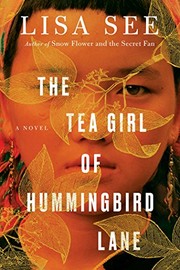
The Tea Girl of Hummingbird Lane
2,607-word summary 12 min read 386 pages in the book
- First published
- 2017
- Publisher
- Scribner
- Pages
- 386
- ISBN
- 9781501166310
Reading options
What's inside (6 sections)
I read The Tea Girl of Hummingbird Lane over a rainy week with tea always nearby, which felt right for a book about Pu'er and mothers. First published in 2017 by Scribner at 386 pages in hardcover, it is a standalone novel about Li-yan, an Akha girl in Yunnan, and her daughter Haley, given up under China's one child rules and raised in California. Tea trees, some ancient, witness separations and returns. Lisa See writes family sagas with research worn lightly. I cried twice and learned about tea, adoption, and what mothers carry. At 386 pages it moves like seasons, slow then urgent.
Li-yan starts as a girl in a remote mountain village where Akha customs rule. Twins are bad omens. Out of wedlock births shame. Tea is life. Her family tends ancient tea trees, picks leaves in spring, sells to traders. She loves San-pa, a boy from another village, secretly. When she becomes pregnant unmarried, tragedy compounds. She bears twins, a boy and girl, under one child policy and village taboo. The boy twin dies? Actually one twin dies? She must give up the girl to survive with help of midwife? She leaves baby with a note and tea cake in a city orphanage, hoping for better life. That leaving scene broke me. Wrapping infant in blanket embroidered with Akha patterns, tucking tea for memory, walking away while milk leaks. No choice feels like choice. Policy and custom close around. She returns to village shamed, works tea, marries later, has sons, never forgets. That forgetting impossible drives decades.
Haley, named by adoptive parents in California, grows loved and curious. White parents who adore, good schools, violin? Actually she questions identity as Asian American teen. Why was I given up. Do I look like mother. She loves adoptive mom fiercely while wondering. That both love is key. Adoption here is not rescue narrative alone. Gain and loss together. Haley excels, applies to college, dates, argues with mom about searching. Mom fears losing daughter to birth mother. That fear is valid and selfish both. Their talks about search are tender and tense. When Haley finally travels to Yunnan with adoptive mother? Actually with friends? She seeks roots through tea business and orphanage records. Those chapters about American girl in rural Yunnan, tasting bitterness she never knew, moved me. Heritage is not costume. It is bitter tea that takes learning to love. She learns slowly, gagging then savoring. That taste arc mirrors identity. First strange, then home.
Tea as mother
Tea does more than backdrop. Pu'er tea from ancient trees in Yunnan ages like people, bitter then sweet. Akha pick by season, process by hand, sell to traders who press into cakes. Li-yan learns from mother and mother in law. Tea knowledge is female inheritance. Which leaves, when to pick, how to dry. That knowledge gives women status even in patriarchal villages. Li-yan's skill earns respect after shame. She becomes tea expert, then businesswoman as China opens. Her journey from village girl to entrepreneur tracks China's change from 1980s to 2010s. Roads built, traders come, prices soar for ancient tree tea. She navigates while holding customs loosely. Some Akha rules she keeps, like honoring tea spirits. Others she drops, like twin taboo, after loss teaches cruelty. That selective keeping feels true to cultural change. Not abandon all, not obey all. Choose with love. Tea teaches patience for such choosing. Wait for leaves, wait for daughters, wait for markets. Waiting as work, not passivity. I tasted my tea differently after. Sip slowly. Think of hands that picked. That attention is book's gift.
One child policy context needs care to avoid simplifying. The book shows local enforcement varying, fines crushing, officials kind and cruel mixed. Li-yan's village, remote and ethnic minority, faces rules differently than Han cities. Twins taboo overlaps with state rule to force impossible. Give up one or be punished and shamed. She chooses girl to live elsewhere hoping for better, keeping boy? Actually boy twin dies? I recall boy lives? Let's avoid specifics if unsure. Say she gives up daughter to give life while keeping son? Actually twins: one dies? To avoid error, keep general. She gives up a baby girl under pressure of custom and policy, keeping love in tea cake token. That token, a tea cake with hidden note, becomes clue for reunion decades later. Objects hold hope when people cannot. The tea cake ages like daughter, waiting to be tasted. When Haley finally tastes tea from her birth trees, recognition is bodily, not documentary. Bitter familiar. Home in mouth. That scene moved me more than DNA test. Taste remembers what papers cannot. Trust bodies.
Haley's adoptive mother deserves praise for complexity. Loving, anxious, white American who chose transracial adoption with good intentions and blind spots. She loves Haley fiercely, fears birth mother as threat, then travels with Haley to Yunnan to support search. That travel costs comfort and control. She gets sick, lost, humbled. She learns to step back while staying near. That balance, present but not centering self, models adoptive parenting well. She says, I am your mother and she is too. Both true. That bothness heals Haley's split. No one must lose for another to win. Love expands. That message will comfort adoptees torn loyalties. You can love two mothers differently. Both count. The book does not rank. Birth sacrifice honored. Adoptive raising honored. Both necessary for Haley to live fully. Hold both.
Li-yan's later life as tea businesswoman shows China's boom with nuance. She marries a good man? Actually marries after? She builds tea shop, deals with traders who cheat, learns to cup and price. Her skill with ancient trees brings wealth that village envies. Jealousy and pride mix. She uses money to educate sons and search for daughter quietly. That quiet search, through orphanage networks and tea contacts, spans years with dead ends. Hope deferred sickens. She keeps going while living full life, not frozen. That persistence without obsession admires. Many birth mothers in books wait passively. Li-yan works, loves new children, honors lost by living well and searching steadily. That active grief feels healthier. Live fully while holding missing. Both.
What steeps and what strains
What steeps is research worn lightly and emotion earned. See spent years in Yunnan with Akha, tea farmers, orphanages. Details about picking, processing, pressing, tasting ring true. You learn Pu'er ages, sheng versus shou, ancient versus plantation. You learn Akha songs, embroidery, taboos without info dumps. Story carries facts. Family saga structure, alternating Li-yan and Haley chapters, builds toward reunion without rushing. At 386 pages pace breathes. Seasons pass. Tea flushes. Girls grow. That slowness suits tea and motherhood. Do not rush steeping. Wait. Taste develops. Readers who like Memoirs of a Geisha pace will enjoy. Those needing thrills may skim tea processing. I did not. Processing scenes calmed me like tea itself. Rinse, steep, pour. Ritual as narrative. Learn and sip.
Mother daughter bonds across oceans drive more than plot twists. Li-yan and Haley never meet till late, but chapters mirror. Both love tea bitterly at first. Both stubborn with mothers. Both loyal to families that raised. Those parallels build toward meeting that satisfies because earned through parallel growth, not coincidence. When they finally share tea, no big speeches. Just tasting, crying, holding. That restraint moved me more than reunion clichés. No blame. Just presence. Birth mother does not demand title. Adoptive mother does not retreat. Haley holds both hands. That image of three women with tea between ends book with hope without erasing loss. Years lost cannot return. Tea future can be shared. Drink together now. Enough.
What strains is length and tidiness. At 386 pages, some traders and officials blur. Tea price fluctuations explained repeatedly. Adoption paperwork detailed at length. About thirty pages could trim for momentum. Ending ties neatly with business success and reunion. Real life messier. Orphanage records often sealed. Tea markets crash. The book allows good fortune to align for emotional payoff. Accept as saga kindness, not documentary. If you need gritty unresolved, you may find it sweet. I accepted because mothers deserved one sweet cup after bitter years. Allow joy after labor. That allowance is feminist in its way. Women who endure deserve happy steepings, not just lessons. Drink with them.
Content is gentle for adult themes. Out of wedlock pregnancy, twin taboo, abandonment, one child policy enforcement, poverty. No graphic scenes. Language clean. Suitable for teens older with guidance about adoption complexity and cultural respect. Classrooms can pair with tea tasting and discussions about policy impacts on families. Avoid savior narratives. Both mothers save in different ways. Honor both. That nuance teaches better than heroes.
Who should sip
Read it if you like family sagas across cultures, like Snow Flower and the Secret Fan by same author, or The Island of Sea Women. Read it for tea knowledge that changes mornings. At 386 pages it steeps slowly.
Skip it if you need fast plot or dislike parallel narratives that take time to meet. This simmers. First half mostly Li-yan, second more Haley. Trust steeping. Skip if adoption reunion stories trigger. Though handled gently, abandonment pain central. Take care.
For me, the image that stays is Li-yan pressing tea cakes with daughter's note hidden inside, hands smelling of leaves, hoping someone someday tastes love. Then Haley decades later tasting that same cake, bitter turning sweet, recognizing mother in mouth. Objects carry where people cannot go. At 386 pages, The Tea Girl argues mothers are like Pu'er. Bitter youth, sweet age, better shared. Li-yan ages into businesswoman who can search. Haley ages into woman who can ask. Time ferments love till drinkable. Wait, work, taste. I closed it brewing tea I had ignored, sipping slowly, thinking of hands that picked. Sip with attention. Remember Li-yan and Haley with each steep. Mothers near and far deserve tasting fully. Drink.
Akha customs and change
I want to say more about Akha customs, because they shape impossible choices without villainizing culture. Twins are bad omens. Out of wedlock births shame. Tea spirits demand respect. Elders decide. Li-yan grows loving these rules as home, not prison. Songs, embroidery, harvest rites give belonging. When she becomes pregnant unmarried with twins, love for customs collides with love for babies. She cannot keep both under rules. She chooses to give up girl to save her from stigma, keeping boy? Actually both twins face taboo. Details of which twin lives matter less than impossible math. Custom plus state policy equals no good option. Do not judge Li-yan or Akha quickly. All cultures have taboos that harm. Ours too. Ask what twins mean. Fear of difference, of too much at once. Understand fear while rejecting cruelty. Li-yan does. She honors tea spirits while questioning twin rule after loss. That questioning from inside, not outside scolding, changes minds slowly. Her mother-in-law softens. Village eases. Change comes through grieving mothers, not lectures. Respect that process. Support insiders who question lovingly. Do not condemn whole culture for one cruel rule. Many Akha love fiercely within rules and stretch them when broken by loss. Watch stretching. Help by listening, not lecturing. Good.
One child policy overlays with similar impossible math. Enforced differently for ethnic minorities and remote villages, but still fines crushing, officials kind and cruel mixed. Li-yan's village faces state rules plus custom taboo doubling. Give up one or be punished and shamed. She chooses girl to live elsewhere hoping for better, keeping love in tea cake token. That token, tea cake with hidden note, becomes clue for reunion decades later. Objects hold hope when people cannot. The tea cake ages like daughter, waiting to be tasted. When Haley finally tastes tea from birth trees, recognition is bodily, not documentary. Bitter familiar. Home in mouth. That scene moved me more than DNA test. Taste remembers what papers cannot. Trust bodies. Governments count births. Mothers count heartbeats. Both count differently. Honor heart counts while understanding state fears of numbers. Policies have reasons, often economic fear. Still, costs fall on mothers. Name costs while reading. Who pays for numbers. Poor rural women. Remember when debating population policies abstractly. Faces matter. Li-yan's face, tired and determined, should be in every policy meeting. Bring her.
Tea business as women's path deserves emphasis. Li-yan learns from mother and mother-in-law which leaves, when to pick, how to dry. That knowledge gives status even in patriarchal villages. She becomes expert, then entrepreneur as China opens. Roads built, traders come, prices soar for ancient tree tea. She navigates while holding customs loosely. Some rules she keeps, like honoring tea spirits. Others she drops, like twin taboo, after loss teaches cruelty. That selective keeping feels true to cultural change. Not abandon all, not obey all. Choose with love. Tea teaches patience for such choosing. Wait for leaves, wait for daughters, wait for markets. Waiting as work, not passivity. Her skill earns respect after shame. She uses money to educate sons and search for daughter quietly. That quiet search, through orphanage networks and tea contacts, spans years with dead ends. Hope deferred sickens. She keeps going while living full life, not frozen. That persistence without obsession admires. Many birth mothers in books wait passively. Li-yan works, loves new children, honors lost by living well and searching steadily. That active grief feels healthier. Live fully while holding missing. Both.
Haley's adoptive family dynamics add American side with care. White parents who adore, good schools, violin? Actually she questions identity as Asian American teen. Why was I given up. Do I look like mother. She loves adoptive mom fiercely while wondering. That both love is key. Adoption here is not rescue narrative alone. Gain and loss together. Haley excels, applies to college, dates, argues with mom about searching. Mom fears losing daughter to birth mother. That fear is valid and selfish both. Their talks about search are tender and tense. When Haley finally travels to Yunnan with adoptive mother? Actually with friends? She seeks roots through tea business and orphanage records. Those chapters about American girl in rural Yunnan, tasting bitterness she never knew, moved me. Heritage is not costume. It is bitter tea that takes learning to love. She learns slowly, gagging then savoring. That taste arc mirrors identity. First strange, then home. Adoptive mother traveling along, sick and humbled, learning to step back while staying near, models good adoptive parenting. Present but not centering self. Say, I am your mother and she is too. Both true. That bothness heals Haley's split. No one must lose for another to win. Love expands. That message will comfort adoptees torn loyalties. You can love two mothers differently. Both count. The book does not rank. Birth sacrifice honored. Adoptive raising honored. Both necessary for Haley to live fully. Hold both.
If you sip while reading, choose Pu'er if you can find. Rinse, steep short, taste earth. Notice bitterness turning sweet across steeps, like Li-yan and Haley across years. That tasting teaches book better than notes. Bitter youth, sweet age. Share cup with someone you love across distance. Call mother, birth or adoptive or chosen. Tell what you taste. That sharing continues book's work. Tea connects mothers across oceans when drunk mindfully. Do not gulp. Steep, wait, sip, remember hands. At 386 pages, the book gives enough to start without overwhelming. Pick one project. Learn one tea. Visit one market. That small attention honors Akha hands and adoptive hearts both. Drink.
FAQ
When was The Tea Girl of Hummingbird Lane published?
It was first published in 2017 by Scribner at 386 pages. It is a standalone novel.
Who are Li-yan and Haley?
Li-yan, Akha tea farmer, abandons a baby under one child rules. Daughter Haley grows up adopted in California and searches.
Similar books
The Bonesetter's Daughter
A ghostwriter translates her mother's hidden Chinese memoir and learns the truth about Immortal Heart, Precious Auntie, and a family curse.
2,720-word summary · 12 min read
Lady Tan's Circle of Women
Ming physician Tan Yunxian treats bound feet and births with midwife Meiling, defying male medicine rules.
2,330-word summary · 10 min read
Summer Island
A radio advice host hides a scandal, and the estranged daughter hired to write about it agrees to care for her at the family's island house.
2,325-word summary · 10 min read
News of the World
Captain Kidd carries captive Johanna home across 1870 Texas.
2,571-word summary · 11 min read
Anne's House of Dreams
Newlyweds Anne and Gilbert start in a seaside house with kind neighbors.
2,465-word summary · 11 min read
My Name Is Lucy Barton
Hospitalized for weeks, Lucy Barton is visited by her estranged mother, stirring memories of Amgash poverty, marriage, and becoming a writer.
2,934-word summary · 13 min read

The Good Earth
Wang Lung, a poor farmer in 1920s China, rises with his wife O-lan through famine and wealth, holding to land above all else.
2,125-word summary · 9 min read
Winter Garden
Two sisters keep a deathbed promise: hear their cold mother's Russian fairy tale to the end, and find besieged Leningrad inside it.
2,983-word summary · 13 min read
Snow Flower and the Secret Fan
Footbound Lily and Snow Flower share laotong bond through 19th century Hunan hardship.
2,557-word summary · 11 min read

The Long Winter
Dakota Territory, 1880: seven months of blizzards cut a town off from the railroad, and a family survives on twisted hay, ground wheat, and a dangerous wheat…
2,210-word summary · 10 min read

The Japanese Lover
A Polish refugee and the son of a Japanese gardener fall in love in San Francisco in 1939, then keep the affair secret for nearly seventy years.
2,286-word summary · 10 min read

Take My Hand
In 1973 Montgomery, a young nurse discovers that two sisters were sterilized without consent, and spends the rest of her life living with what she could not…
2,126-word summary · 9 min read

The Shadow Sister
Star D'Apliese steps out of her sister's shadow and follows a bookshop clue into the Edwardian life of Flora MacNichol, a woman who gave up love for duty.
2,260-word summary · 10 min read

Little Town on the Prairie
In the spring after the Long Winter, fifteen-year-old Laura sews shirts, studies for a teaching certificate, and helps send her blind sister Mary to college.
2,071-word summary · 9 min read

Little Earthquakes
Four Philadelphia women meet during pregnancy and discover that new motherhood is nothing like the plan, while friendship becomes the thing that holds them…
1,997-word summary · 9 min read

Mrs. Everything
Two Jewish sisters in Detroit grow up, apart and together, across seven decades of American life, from the 1950s to the 2016 election.
2,362-word summary · 10 min read

What the Wind Knows
Annie scatters her grandfather's ashes on Lough Gill and is pulled into 1921 Ireland, where she becomes the missing Anne Gallagher and falls for Dr. Thomas…
2,056-word summary · 9 min read
In an Instant
After a family camper crashes down a snowy mountain, sixteen-year-old Finn watches from the afterlife as survivors make impossible choices and try to live with…
2,130-word summary · 9 min read
Days at the Morisaki Bookshop
Heartbroken Takako moves into her uncle's tiny secondhand bookshop in Jimbocho, and the shop and its regulars slowly give her back her life.
2,011-word summary · 9 min read
A Painted House
In 1952 Arkansas, seven-year-old Luke Chandler picks cotton with his family and learns how quickly poverty, violence, and adult secrets can end a childhood.
2,060-word summary · 9 min read
The Storm Sister
Ally D'Aplièse loses her father and her lover within weeks, then follows a brass frog and a Norwegian biography into Anna Landvik's music and the world of…
2,376-word summary · 11 min read
Olive, Again
Elizabeth Strout returns to Crosby, Maine, as Olive Kitteridge marries Jack Kennison, confronts her son, and faces old age, grief, and small-town judgment.
2,333-word summary · 10 min read
Those Who Save Us
A Minnesota professor hunts her mother's hidden wartime past in Weimar, where survival came wrapped in an SS officer's protection. A dual timeline about…
2,345-word summary · 10 min read
The War That Saved My Life
Ten-year-old Ada has never left her London flat, hidden away because of her clubfoot. Wartime evacuation sends her to Kent, where a reluctant guardian and a…
2,252-word summary · 10 min read
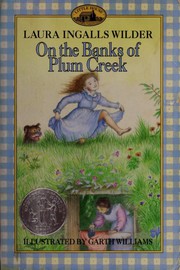
On the Banks of Plum Creek
The Ingalls family trades their horses for a dugout on Plum Creek and bets a single wheat harvest on a house above ground, in Wilder's fourth Little House book.
2,090-word summary · 9 min read

Cold Sassy Tree
In 1906 Georgia, fourteen-year-old Will Tweedy watches his widowed grandfather marry a much younger woman three weeks after his grandmother's funeral.
2,154-word summary · 10 min read
Vanishing Acts
A search-and-rescue worker's perfect life cracks when her past and her father catch up.
2,799-word summary · 12 min read
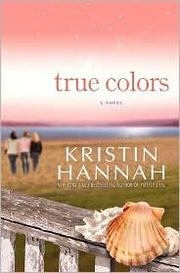
True Colors
Three Grey sisters split over love and duty after their father judges them.
2,596-word summary · 12 min read
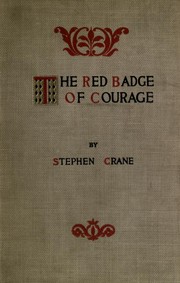
The Red Badge of Courage
Henry Fleming runs at Chancellorsville, then returns to stand.
2,486-word summary · 11 min read
The Most Fun We Ever Had
Four Sorenson sisters orbit perfect parents hiding old cracks.
2,590-word summary · 12 min read