
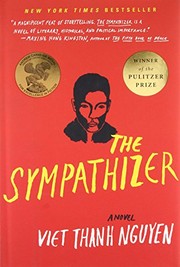
The Sympathizer
2,169-word summary 10 min read 384 pages in the book
- First published
- 2015
- Publisher
- Grove Press
- Pages
- 384
- ISBN
- 9780802123459
- Series
- The Sympathizer (#1)
Reading options
What's inside (6 sections)
I put off The Sympathizer because Pulitzer books sometimes feel like homework, then found it funnier and angrier than expected. Grove Press published it April 7, 2015, a 384 page hardcover with ISBN 9780802123459. It opens The Sympathizer series, followed by The Committed. The narrator, a half French half Vietnamese communist captain, spies on South Vietnamese exiles in Los Angeles while confessing to a commandant. It won the Pulitzer, Edgar for first novel, Carnegie Medal. If you want spy story as satire as tragedy, read slowly. The voice dazzles and accuses, including you.
The Captain narrates in confession. I am a spy, a sleeper, a spook, a man of two faces. Educated in America, son of a French priest and Vietnamese mother, he serves the South as aide to the General while reporting to the North. Fall of Saigon sends him with General to LA as refugee. There he builds new life with Bon, his blood brother, and Man, his other brother and handler, while spying. He watches the General plot counterrevolution, dates? Actually loves? He befriends Americans, works on a Hollywood film, attends college, all while sending reports. Loyalties split him until he breaks.
Voice carries everything. Erudite, funny, bitter. He footnotes American myths while living them. He loves jazz and communism. He quotes theory and street slang. He addresses the Commandant who will judge him, and us. Are you not complicit. That direct address implicates readers who consume Vietnam stories without Vietnamese voices. Nguyen, himself a refugee scholar, writes back to Apocalypse Now, Rambo, all films where Vietnamese are backdrop. Here the backdrop narrates. Hollywood gets a whole section where the Captain consults on a Vietnam film and watches Americans play heroes while Vietnamese extras die on cue. That satire bites because it is true to industry. Representation matters in life and death, on screen and off.
Saigon fall and LA exile
Fall chapters move fast and sad. April 1975 chaos. Lists for evacuation. Bribes. Last planes. The Captain arranges General escape while reporting it. Bon carries family. Man stays. Goodbyes at airport with gunfire sound like punctuation. Nguyen writes action clearly. Who runs where. Who pays whom. What gets left. The Captain leaves a lover? Actually leaves behind many. Guilt starts here and never leaves. He chose who flies. Choices haunt more than bullets. That guilt drives all later betrayals. He betrayed South by spying. He betrays North by feeling. He betrays friends by surviving. Confession tries to sort. It tangles more. Good.
LA exile chapters balance humor and ache. Refugee apartments. Grocery stores with fish sauce hunted. Jobs as janitors for colonels. The General opens liquor store and plots return with donations. Bon drinks and rages. The Captain translates, drives, watches. He enrolls? Actually works as clerk? He dates an American? He befriends an Orientalist professor? Details blur purposefully. Exile blurs. What stays sharp is surveillance. The Captain reports General plans to Man via coded letters. He censors to protect Bon, which endangers mission. Double agent life means lying to everyone, including handlers, to save someone. That human tilt will cost him later when Commandant asks why reports softened. Love softened. Admit it. He does, pages later, after torture. Love as treason to both sides. Only loyalty that lasts is to friends, not causes. Hard lesson. Slow learned.
Hollywood film section is the satirical peak and worth the price alone. The Captain hired as consultant for an Apocalypse style epic. He suggests Vietnamese dialogue that matters. Director wants screams. He writes a love scene between villagers. Director cuts for battle. Extras die on cue for days while stars eat. The Captain watches his war turned into American trauma story where Vietnamese are props. He protests politely, then loudly, then sabotages subtly. Readers who love movies will laugh and wince. Who gets to tell war. Who gets paid. The Captain earns good money to betray his people on screen while betraying his mission off screen to protect Bon. Ironies stack until collapse. That collapse comes as on set explosion that kills extras for real. Fiction bleeds. No one apologizes except the Captain, silently, in confession. Hollywood moves on to next film. So does America. Only the dead stay.
Campus chapters follow with different satire. The Captain audits American studies? Actually befriends a professor? He debates Orientalism while dating? The details matter less than the point. America studies Vietnam without Vietnamese. Students wear black pajamas to parties. Professors praise his perspective while ignoring it. He sleeps with an American woman who loves his otherness. That affair ends badly because exoticism is not love. Nguyen writes sex with politics intact. Bodies carry histories. Who touches whom means. Do not skip these uncomfortable pages. They argue that intimacy without understanding repeats empire. Listen to partners past slogans. The Captain fails here. He uses her as cover. She uses him as story. Both know. Neither stops. Loneliness beats principle until it does not.
Return and confession
Return to Vietnam to fight again breaks the book open and breaks the Captain. He joins Bon on a mission back, against orders? Actually to prove loyalty after doubts. They are captured. Reeducation camp follows. The Commandant, who may be Man, interrogates. Torture is described plainly, without thrill. Sleep loss. Isolation. Forced writing. The Captain must confess fully, not just facts but self. Who are you. He writes hundreds of pages, our book, circling. I am a spy. I am a man of two minds. The camp wants one mind. He cannot give. That refusal is both failure and humanity. To be two is to be honest in a world demanding one. The Commandant understands and still punishes because system demands. Man as friend saves and as officer breaks. Both true. Friendship survives system by hurting both.
The final revelation, what the Captain did to a commissar? Actually to Bon? I will keep vague to avoid spoiling the gut punch, but it concerns a rape and murder he witnessed and did not stop, then reported coldly. That memory, suppressed for hundreds of pages, returns under torture and reframes all wit as evasion. The funny narrator hid an ugly complicity. Facing it does not redeem, but it explains confession need. He writes to be judged, not forgiven. The last lines laugh through tears. We will live. That laugh after horror is Vietnamese resilience Nguyen honors without romanticizing. Survive. Tell. Laugh because crying alone kills. Tell so others know. The book ends where it began, with I am, but now we know cost of am.
Fair criticism is serious. At 384 pages, prose runs dense with allusions. Readers without Vietnam history may drown. Keep Wikipedia nearby for Tet, Fall, boat people, but do not stop for every name. Let voice carry. Satire of Americans can feel broad. Hollywood director as buffoon. Professor as clueless. Some are. Not all. Nguyen knows and pushes anyway for point. Pace slows in camp chapters with philosophy. Torture plus theory tests patience. Stay. Payoff reframes all. Content notes matter. War violence, rape, torture, strong language, sexual content. Adults fit best. Teens should wait even for class unless guided. This is not beach Pulitzer. It is work that rewards work.
Who should read. Adults ready for literary spy satire fit best. Fans of Greene Quiet American will see conversation. Fans of Ellison Invisible Man will hear double consciousness across race. Pair with Committed next for Paris exile, or with Refugees stories for shorter doses. Read with notebook for names. Bon, Man, General, Madame. Track who knows what. The Captain lies to all, including you, until end. Trust but verify. When confession ends, ask who you sympathize with now. If answer is still simple, reread. The man of two minds asks for two readings at least. Give them. You will laugh, wince, learn. Then look at war films differently forever. That is the point. Sympathize with translator, not just heroes. Listen to extras. They speak here, finally, at length.
Bon, Man, and blood brothers
Bon and Man as blood brothers structure the book heart and need names held. Bon, soldier, fierce, loyal, drinks, rages, loves the Captain as brother though politics differ. Man, commissar, clever, kind, believes revolution will free. The three swore blood oath as schoolboys. War tests oaths. The Captain reports on Bon to Man. Reports on Man to no one, protecting. Loves both. Betrays both by surviving between. Bon trusts the Captain fully, which hurts most because trust is misplaced though love is real. Man trusts the Captain as comrade, which hurts differently because ideology demands hardness the Captain cannot fully give. Their fates diverge after fall. Bon to LA rage. Man to Hanoi power. Captain between, translating lies both ways to keep both alive. That middle position defines sympathizer as role and wound. To sympathize is to be split. To be split is to bleed. Keep brothers in mind when judging Captain choices. He chooses friends over causes every time, then hates himself for unprincipled love. Love without principle is all that survives war intact. Hold it.
Hollywood and campus satires need pairing because both show America consuming Vietnam. Film set turns war into backdrop for American guilt. Campus turns war into theory for American careers. The Captain works both as native informant, paid to explain his people to makers who will not listen. On set he corrects dialogue. Director nods and shoots original. On campus he corrects stupidity. Professor nods and publishes original. Both pay well. Both waste truth. The Captain takes money because exile needs rent. He spends it on drinks with Bon who understands without words. Those drinks matter more than consult fees or grades. Friendship as refuge from representation. When representation fails, as it always does in these institutions, friendship remains. Nurture it. The book argues for small loyalties over big statements. Feed Bon. Write Man honestly. Let Hollywood burn its own money. Your confession will outlast their film. It does. We read it now while film is forgotten. Words from the split last longer than images from the sure.
Confession as form closes the loop worth naming for writers. The book is written as forced confession to Commandant, revised under torture, addressed to power. That frame justifies digressions, repetitions, jokes. Prisoners ramble. Interrogators demand order. The Captain gives order that disorders. Chronology loops. Saigon, LA, film, campus, return, camp. Each loop adds detail that reframes earlier. Trust the looping. It mimics memory under stress. Students of narrative should study how Nguyen withholds the central crime until end though hints throughout. A rape witnessed. A murder allowed. That withholding is not trick. It is trauma logic. Mind hides what heart cannot hold until safe, or broken enough, to speak. When it speaks, reread early jokes. They curdle. Good. That curdling is point. Laughter was armor. Armor off now. See wounds. Treat them with attention, not pity. The Captain asks for judgment, not mercy. Give judgment with context. Then look at your own splits. All of us sympathize somewhere. Name it before camp demands.
Film, campus, and America watching
Film set details repay attention because Nguyen worked in Hollywood shadows. Craft services with better food than refugee apartments. Trailers with names on doors. Vietnamese extras bussed early, paid little, killed repeatedly on cue. The Captain translates directions that insult, softening to protect extras dignity. Extras know and thank him with cigarettes. That small solidarity matters more than director apology that never comes. When explosion kills extras for real due to negligence, production calls it accident and moves on. The Captain writes names in confession so they last somewhere. Do the same when watching war films. Note extras faces. Wonder about their rent. Hollywood will not. You can. That watching changes viewing forever. No more background bodies. All foreground someones. Carry that to next blockbuster. Count who speaks. Mourn who falls silently. Then choose films that let translators talk back. They exist, often small, often subtitled. Seek them. Pay for them. Confession as review. Write your own after.
Campus as second America mirror deserves equal time because universities consume homelands differently. Professors invite the Captain to speak about Vietnamese perspective. He prepares. Audience asks about American trauma instead. He answers politely. They praise his English. He smiles tightly. That dynamic repeats across departments. Orientalism with tenure. His affair with an American woman who collects stories follows same pattern intimately. She loves his otherness, not him. He uses her apartment to hide. Both know. Neither stops until hurt forces. Those pages discomfort because they implicate liberal readers most. We who read Pulitzer books to understand. Do we listen or collect. Nguyen asks without sparing. Sit with discomfort after chapter. Ask who you read to help versus to display. Adjust shelf and behavior together. Donate to refugee aid, not just bookstore. The Captain would nod, then distrust your nod, then accept coffee if offered without agenda. Offer it. Mean it. Listen longer than lecture. That is sympathizing in practice, not theory. Try daily.
FAQ
When was The Sympathizer published?
Grove Press published it April 7, 2015. The hardcover runs 384 pages with ISBN 9780802123459.
Is it part of a series?
Yes. It opens The Sympathizer series, followed by The Committed.
Who should read it?
Adults fit best. There is war violence, torture, and sexual content.
Similar books
More from The Sympathizer first, then related titles.

Sophie's Choice
A young Southern writer in 1947 Brooklyn befriends a brilliant, unstable couple and slowly learns the story of the Polish Catholic woman at the center of their…
2,798-word summary · 12 min read
The Silence of the Girls
Briseis, queen of Lyrnessus, is captured by Achilles and narrates the Trojan War from inside the Greek camp, where women are prizes and survival is its own…
2,098-word summary · 9 min read
Mother Night
Howard W. Campbell Jr., a Nazi propagandist and American spy, tells the story of his double life from an Israeli prison cell while waiting to be tried for war…
1,988-word summary · 9 min read

The Island of Missing Trees
A talking fig links 1970s Cyprus lovers Kostas and Defne with their grieving London daughter Ada years later.
3,172-word summary · 14 min read
Code Name Verity
In 1943 France, captured agent Verity writes a confession for von Linden to buy time. Her pilot friend Maddie survives the crash and searches for her by…
2,690-word summary · 12 min read

The English Patient
In a ruined Italian villa in 1945, a burned man, a nurse, a thief, and a sapper trade pasts shaped by desert love and war.
2,006-word summary · 9 min read

Half of a Yellow Sun
Ugwu, Olanna and Richard are pulled from Nsukka comfort into the Biafran war, where love and hunger test every loyalty.
2,973-word summary · 13 min read

Snow Falling on Cedars
A Japanese American fisherman stands trial for murder on a snowy island, while a reporter faces lost love and wartime prejudice.
2,224-word summary · 10 min read

Life After Life
Ursula Todd dies and restarts through wars, flus, and bad marriages.
2,060-word summary · 9 min read
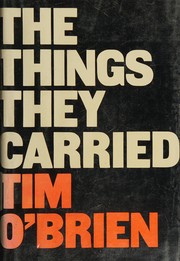
The Things They Carried
Alpha Company humps through Vietnam carrying rifles, letters, and guilt. O'Brien's linked 1990 collection asks what a true war story really tells.
2,877-word summary · 13 min read
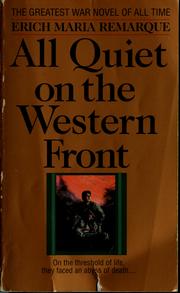
All Quiet on the Western Front
Paul Bäumer enlists at nineteen and faces the trenches of World War I in Remarque's 1929 classic, told from the German side of the wire.
2,543-word summary · 11 min read

All the Light We Cannot See
Doerr's All the Light We Cannot See retold: blind Marie-Laure, Werner the radio boy, and Saint-Malo.
1,962-word summary · 9 min read
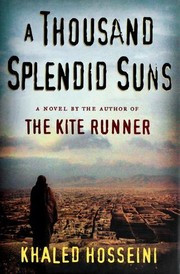
A Thousand Splendid Suns
Splendid Suns retold: Mariam and Laila share Kabul house, war, Rasheed, escape and return.
1,957-word summary · 9 min read

Violeta
A woman born in 1920 writes her life story to her grandson, from one pandemic to another, through wealth, ruin, passion, and dictatorship in South America.
2,555-word summary · 11 min read

The Orphan's Tale
A Dutch teenager rescues a Jewish baby from a death train and joins a German circus, where a Jewish aerialist teaches her to fly.
2,943-word summary · 13 min read
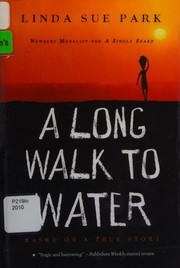
A Long Walk to Water
Two eleven-year-olds in southern Sudan, twenty-three years apart: a Dinka boy fleeing war and a Nuer girl walking hours for water, until their stories meet at…
2,217-word summary · 10 min read

The Lowland
Two brothers grow up beside a marshy lowland in Calcutta, and the choices of the younger one draw the older into a life of duty, distance, and quiet grief that…
2,213-word summary · 10 min read

The Storyteller's Secret
A New York journalist goes to India to learn why her grandmother loved a British officer, and why a family servant kept the truth for forty years.
2,270-word summary · 10 min read

Stones from the River
Trudi Montag is born a dwarf in a small German river town in 1915 and grows up to keep the town's library and its secrets, from the First World War to the…
2,818-word summary · 13 min read

Ivanhoe
A disinherited Saxon knight, a great tournament, a besieged castle and a trial by combat. Scott's most famous novel, set in England in 1194.
2,834-word summary · 13 min read
Euphoria
Three anthropologists in 1930s New Guinea turn fieldwork into a love triangle, and a real history breathes behind them.
2,048-word summary · 9 min read

Wide Sargasso Sea
Jean Rhys gives the first Mrs. Rochester a Caribbean childhood, a marriage built on money and suspicion, and a voice that Charlotte Bronte left in the attic.
2,021-word summary · 9 min read
The Sisters Brothers
Two hired killers ride from Oregon to Gold Rush California to murder a prospector, and find their trade, their brotherhood, and the frontier myth coming apart.
2,095-word summary · 9 min read

The Last of the Mohicans
During the French and Indian War, Hawkeye and two Mohican warriors try to save two British sisters from a Huron chief whose revenge will end the Mohican line.
2,017-word summary · 9 min read

The Birth of Venus
A Florentine merchant's daughter trains as an artist, marries a man who hides a secret, and survives Savonarola's bonfire of the vanities.
2,404-word summary · 11 min read

Doctor Zhivago
A doctor and poet lives through revolution, war, and love in Pasternak's novel of private life under the pressure of Russian history.
2,213-word summary · 10 min read

Bring Up the Bodies
Thomas Cromwell sets out to destroy Anne Boleyn, building a case from rumor and revenge while Henry VIII waits to marry Jane Seymour.
2,066-word summary · 9 min read

The Tiger's Wife
A young doctor in a war-scarred Balkan country chases the stories her grandfather left behind, including a deathless man and a deaf girl who loved an escaped…
2,232-word summary · 10 min read
Exodus
Leon Uris's sweeping 1958 novel follows Jewish refugees, Haganah fighters, and Holocaust survivors from Cyprus to the founding of Israel and the 1948 war.
2,529-word summary · 11 min read

The Lost Girls of Paris
In 1946, a war widow finds an abandoned suitcase in Grand Central holding photographs of twelve women who vanished in the war, and follows their story back to…
2,668-word summary · 12 min read