
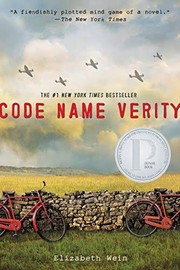
Code Name Verity
2,690-word summary 12 min read 339 pages in the book
- First published
- 2012
- Publisher
- Hyperion
- Pages
- 339
- ISBN
- 9781423152880
- Series
- Code Name Verity (#1)
Reading options
What's inside (8 sections)
I found Code Name Verity on a library cart after a friend told me it had the saddest friendship she had read about in a war book. I went in expecting a standard spy adventure. The edition I read follows the Hyperion printing, 339 pages, first published in 2012 by Egmont in the UK and Hyperion in the US, and listed as the first book in the Code Name Verity series. I finished it in three nights, with the last fifty pages read very slowly.
The setup is simple to describe and painful to sit with. Autumn 1943 in occupied France. A young British agent has been caught by the Gestapo after a plane crash. She calls herself Verity on the page. Her guards call her Queenie. To buy time and to avoid worse treatment, she agrees to write a full confession for the officer in charge, a man named von Linden. That confession becomes most of the first half of the book. Her best friend is the pilot who flew her into France, a girl named Maddie. Everything Verity writes circles back to Maddie. How they met. How they trained. How they ended up on that flight together. The second half belongs to Maddie, who survived the crash and is trying to find her friend. The book keeps its big turns hidden until late, and I will keep them in proportion here, but this is a complete retelling, so the ending is included.
Arrested in France
The confession starts in a prison room in France, not in England. Verity writes with a pen that runs out, on paper that is counted, under rules set by von Linden. He is not drawn as a shouting thug. He is polite, educated, tired, and clear about his power. He tells her that if she writes everything she knows about the British war effort, about wireless work, about airfields and codes, he will extend her life. Each batch of pages earns her another day or two. If she stops, the deal ends.
Her plane came down in 1943 after a flight that was supposed to drop her near a field outside a small town and then get Maddie back home. Instead the plane hit trouble, crash landed, and the two girls were separated in the dark. Maddie ran. Verity was caught within hours, beaten, stripped of her cover story, and brought to the local Gestapo headquarters. She gives her interrogators a false name at first, then settles into the name Queenie because that is what they call her when they want something from her.
Von Linden wants names of circuits, details of wireless sets, call signs, frequencies, reception committees, safe houses, and RAF procedures. Verity decides to give him a lot of true detail mixed with lies that will take time to check. She writes about airfields she really saw. She describes real planes. She explains how wireless operators work, how they encode messages, how they hide crystals and aerials, how they change frequencies to avoid direction finding vans. Then she bends dates, moves villages, swaps names, and adds people who do not exist. The point is delay. Every page that has to be translated and checked keeps her alive a little longer.
Life in the cell is described in physical terms. Cold stone. A thin blanket. Soup that tastes of turnips. Bruises from the first beating fade, only to be replaced when she holds back too long. A guard named Engel watches her write and sometimes brings extra paper. Verity is funny on the page even when she is scared, which makes the fear land harder. She jokes about her handwriting. Humor is her way of staying a person instead of becoming only a source.
How Queenie and Maddie became friends
Most of the confession is not about prison at all. It is about England in 1942 and early 1943, and about how an upper class Scottish girl and a working class girl from Stockport became inseparable.
Queenie, whose real name is Julie Beaufort-Stuart, grew up in a castle in Scotland with brothers, dogs, ponies, and a mother who expected good manners and good French. Julie speaks French and German well, reads a lot, tells stories, and fails at being modest. She goes to Oxford, leaves when the war changes everything, and talks her way into special work because she can pass as French and can memorize codes.
Maddie, whose full name is Madeleine Brodatt, grew up in Stockport with a Jewish father who runs a motorcycle shop and a mother who keeps the books. Maddie loves engines from childhood. She learns to ride, to fix, to listen for a misfire the way other children learn songs. Flying feels impossible to her at first because lessons cost money she does not have. She saves, works, takes chances, and talks a flight instructor into teaching her. By the time war work opens for women pilots, she can already handle a light plane with calm hands.
They meet when Maddie is hired to give Julie a lift on a small errand flight and Julie talks the whole way. Maddie thinks Julie is posh and loud. Julie thinks Maddie is serious and skilled. They keep meeting at the same airfield canteen. One night Julie misses the last bus and Maddie offers her floor. They stay up late, Julie telling a long story about her brothers, Maddie explaining how a carburetor floods. That night sets the pattern.
What I liked here is how concrete Wein keeps the friendship. They share a bicycle with bad brakes. Maddie teaches Julie to ride a motorcycle in a field and Julie falls off into mud. Julie teaches Maddie French pronunciation by making her order imaginary meals in a fake cafe voice. When Julie gets drunk at a dance, Maddie walks her home. When Maddie fails a check ride, Julie waits outside the office and pretends she was not worried.
Training, flying and waiting for a mission
The middle of the confession follows their training in detail, and this is where some readers will either love the book or start to skim.
Maddie joins the Air Transport Auxiliary, the group that ferried planes around Britain so male pilots could stay on combat duty. She learns to fly many types with only a booklet of notes, to land in crosswinds, to navigate by railway lines when cloud sits low. Wein fills these pages with cockpit detail. Throttle settings. Fuel mixture. Compass headings. Calls to control towers. Maddie loves the work even when it scares her. She ferries Hurricanes and Spitfires. She gets lost once over the Pennines and finds her way by following a river. She lands a plane with a flat tire and keeps it straight by standing on one brake.
Julie trains for secret work. She learns to use wireless sets, to tap Morse fast and clean, to hide a set in a suitcase with a false bottom, to keep transmissions short so German vans cannot fix her position. She practices parachute jumps and pistol shooting in a country house with blackout curtains. She memorizes cover stories and practices French slang. Instructors tell her she talks too much. She agrees and keeps talking.
Their paths cross at a base in southern England where special flights leave at night. Maddie is picked to fly small planes on secret routes because she is steady and does not panic. Julie is picked to go into France as a wireless operator because her French is strong and she can lie without blinking. When they learn they will fly together, Julie is thrilled and Maddie is quiet. Maddie knows the Lysander, the single engine plane used for pickups and drops, is slow and exposed. It flies low at night, lands on rough fields by torchlight, and has no room for error. Julie only hears that her best friend will be at the controls.
Waiting fills many pages. Bad weather. Moon phases wrong for a landing. A plane grounded for a cracked exhaust. They drink tea. They play cards. Julie writes fake letters to her family. Maddie writes real ones to her parents. They promise to look after each other.
What the confession tells and what it hides
Back in the prison room, von Linden reads each section and asks for more. This is the slowest part of the book, on purpose, and it tested my patience in places.
Verity gives him wireless procedure that is real enough to satisfy him. She explains schedules, security checks, the way an operator has a personal style on the key, the way London notices if that style changes. She gives him codes that look right. She names circuits and helpers in France, some real, some invented. She tells him how the Lysander comes in low, how torches mark a field, how a pilot judges wind in the dark.
At the same time she is running tricks. She stretches the confession to gain days. She writes long stories about Maddie when von Linden asked for military facts, and von Linden lets her because he wants her to keep writing. She feeds him wireless sets that are already known or out of use. She warns London in a hidden way, using small errors and jokes that a careful reader in England might catch but a tired translator in France might miss. She tries to protect the people still free.
The cost is shown through other prisoners. A French woman who helped the resistance is brought in bleeding. A young man who acted as a guide is shot after questioning. Verity hears screams through walls and writes faster. She knows her pages will not save those people. She also knows that if she stops writing, she will join them sooner. Von Linden keeps his word in a narrow way. As long as she writes, she eats, she is not beaten badly, she stays in her cell. When she stalls, guards remind her what else the building contains. Needles. Wires. A room with a drain in the floor.
I found this section both gripping and draggy. Gripping because every true detail feels like a betrayal and every lie feels like courage, and you cannot always tell which is which. Draggy because the confession repeats training stories and flight details at length to justify the delay, and some passages read like a manual. The aviation language is thick. If you do not know ailerons from elevators, you will need to push through. I learned to let those terms wash over me and follow the human choice underneath. Is she buying time. Is she protecting Maddie. Is she protecting herself.
Maddie keeps flying and starts searching
Halfway through the 339 pages, the voice changes. The confession stops. Maddie starts talking.
Maddie did not die in the crash. She got out of the Lysander with a cut head and a sprained ankle, hid in a ditch while Germans searched, and was found by French farmers who hated the occupiers enough to risk their lives. She spent weeks in a farmhouse attic, then in a cellar, healing and listening for news. When she learned Queenie had been taken alive, she refused to go home on the next pickup plane. She stayed to try to find her friend.
This second half reads very differently. Where Julie is chatty and clever, Maddie is plain and direct. She flies again when the resistance needs her, taking the controls of a Lysander on moonlit nights to bring in agents and take out wounded men. Wein writes these flights with care. The roar of the engine. The black fields below. The line of three torches that means land here. Maddie is good at this work because she is calm. Fear sits beside her but does not take the controls.
Her search takes her through villages, barns, and safe houses. She meets a priest who hides messages in hymn books. She meets a schoolteacher who draws maps from memory. No one can get inside the Gestapo building where Queenie is held. Maddie tries bribes. She tries watching the gate for days. Each plan fails. The Germans move prisoners at night. One close call leaves Maddie hiding in a pigsty while soldiers search the farmyard with dogs.
What holds this section together is guilt. Maddie believes the crash was her fault. She thinks she misjudged wind, came in too fast, clipped a hedge, broke the undercarriage. She replays the landing in her mind while she works. She also believes she abandoned Julie by running. Julie told her to run, but orders feel thin later. Maddie writes that she would trade all her flying hours for one more chance to land clean and get both of them home.
The end and why it still hurts
The last part of the book does not look away, and readers should know before starting that the ending devastates.
Queenie is tortured when von Linden can no longer protect her. Higher officers want faster answers. Her tricks with codes and wireless sets are found out. She is beaten, burned, and left with injuries that will not heal. She does not give up the people she loves most. She holds to the lies that matter. Maddie learns where prisoners are to be killed and gets there too late to free her friend but in time to see her.
Maddie shoots Queenie herself, with a pistol, at the place of execution, to spare her further pain and a worse death at German hands. It is not played as heroic. It is played as a choice between horrors. Maddie pulls the trigger while crying and speaking to her friend. Queenie, who has suffered terribly, is spared the final cruelty planned for her. I had guessed something bad was coming, but the bluntness of the scene still shocked me. Wein does not soften it. She shows Maddie's hands shaking, the sound in the woods, the silence after.
Maddie survives to tell the story. She gets out of France on a later flight, returns to England thin and silent, and writes down what happened as the second half of the book we are reading. She lives with nightmares and anger at officers who sent girls on such work with so little backup. She is cared for by Julie's family, especially by Julie's brother Jamie. The epilogue moves forward a little in time. Maddie is alive, working, trying to keep a promise she made to Julie to tell the truth about what they did. She keeps Julie's papers. She visits Scotland.
As a complete account, the book earns its reputation. The friendship feels real because it is built from small acts, not speeches. The tradecraft feels real because Wein shows wireless sets, codes, Lysander procedures, and interrogation pressure in detail. Von Linden is memorable because he is almost kind in a system that is cruel, which makes his kindness feel like another tool.
Fair criticism belongs here. The aviation language is dense. Long passages about engines and navigation slow the story, especially in the confession middle where Julie pads pages to stay alive. I skimmed some cockpit paragraphs on first read. The confession middle also sags because delay is the point. Pages meant to stall the Germans also stall the reader. And the ending, while honest, will wreck some readers. This is not a book where friendship saves the day. It is a book where friendship endures through loss that cannot be fixed.
I closed the Hyperion edition glad I had read it and sorry I had waited so long. The 2012 publication date makes it a modern book about an old war, but it does not read like homework. It reads like two girls talking to you, one witty and scared in a cell, one steady and grieving in a cockpit. Their story stays with me in small images. A shared bicycle. A Lysander coming low over torches. Pages counted by a guard. If you can stand the slow middle and the hard close, this first book in the Code Name Verity series is worth your time.
FAQ
When was Code Name Verity published?
It was first published in 2012 by Egmont in the UK and Hyperion in the US. The Hyperion edition runs 339 pages and opens the Code Name Verity series.
Who are Verity and Maddie?
Verity is captured agent Julie Beaufort-Stuart, called Queenie by her guards. Maddie is pilot Madeleine Brodatt, her best friend, who flew her into France in 1943.
Does Maddie find Queenie?
Maddie survives the crash and searches through safe houses and Lysander flights. She reaches Queenie too late to free her and stays to record what happened.
Similar books
More from Code Name Verity first, then related titles.

The Orphan's Tale
A Dutch teenager rescues a Jewish baby from a death train and joins a German circus, where a Jewish aerialist teaches her to fly.
2,943-word summary · 13 min read
Mother Night
Howard W. Campbell Jr., a Nazi propagandist and American spy, tells the story of his double life from an Israeli prison cell while waiting to be tried for war…
1,988-word summary · 9 min read

The Lost Girls of Paris
In 1946, a war widow finds an abandoned suitcase in Grand Central holding photographs of twelve women who vanished in the war, and follows their story back to…
2,668-word summary · 12 min read

The Sympathizer
Double agent captain spies in Saigon fall and LA exile while confessing to commandant.
2,169-word summary · 10 min read

The Paris Library
Odile lands her dream job at the American Library in Paris as war closes in, then hides that past in Montana until teen Lily draws it out.
2,813-word summary · 13 min read

The Island of Sea Women
On Jeju island, haenyeo divers Young-sook and Mi-ja share decades of friendship strained by war and massacre.
2,204-word summary · 10 min read

The English Patient
In a ruined Italian villa in 1945, a burned man, a nurse, a thief, and a sapper trade pasts shaped by desert love and war.
2,006-word summary · 9 min read
The Rose Code
Three Bletchley Park women reunite in 1947 to expose a wartime traitor in Quinn's codebreaking novel.
3,219-word summary · 14 min read

Lilac Girls
Three women meet across World War II: a New York volunteer, a Polish courier turned prisoner, and a German camp doctor.
2,731-word summary · 12 min read

The Nightingale
Nightingale retold: Vianne and Isabelle in occupied France, hide children, run routes, trials.
1,950-word summary · 9 min read

All the Light We Cannot See
Doerr's All the Light We Cannot See retold: blind Marie-Laure, Werner the radio boy, and Saint-Malo.
1,962-word summary · 9 min read
A Thousand Splendid Suns
Splendid Suns retold: Mariam and Laila share Kabul house, war, Rasheed, escape and return.
1,957-word summary · 9 min read

The Zookeeper's Wife: A War Story
The directors of the Warsaw Zoo hid roughly three hundred Jews in empty cages and outbuildings after the German invasion, while Jan worked for the resistance.
2,065-word summary · 9 min read

The Japanese Lover
A Polish refugee and the son of a Japanese gardener fall in love in San Francisco in 1939, then keep the affair secret for nearly seventy years.
2,286-word summary · 10 min read
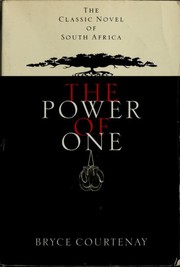
The Power of One
A boy in apartheid South Africa decides to become welterweight champion of the world, and the novel follows every mentor, fight, and loss that gets him there.
2,145-word summary · 10 min read

The Only Woman in the Room
A novel about Hedy Lamarr's escape from an arms-dealer husband, her Hollywood career, and the frequency-hopping patent the Navy ignored.
2,067-word summary · 9 min read

Sophie's Choice
A young Southern writer in 1947 Brooklyn befriends a brilliant, unstable couple and slowly learns the story of the Polish Catholic woman at the center of their…
2,798-word summary · 12 min read
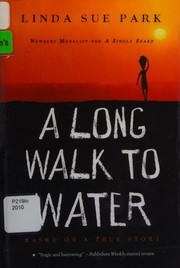
A Long Walk to Water
Two eleven-year-olds in southern Sudan, twenty-three years apart: a Dinka boy fleeing war and a Nuer girl walking hours for water, until their stories meet at…
2,217-word summary · 10 min read

Stones from the River
Trudi Montag is born a dwarf in a small German river town in 1915 and grows up to keep the town's library and its secrets, from the First World War to the…
2,818-word summary · 13 min read

The Tuscan Child
After her father's death, Joanna follows a returned letter to Tuscany and uncovers his wartime love, a hidden painting and a village secret. A dual-timeline…
2,095-word summary · 9 min read

The Silence of the Girls
Briseis, queen of Lyrnessus, is captured by Achilles and narrates the Trojan War from inside the Greek camp, where women are prizes and survival is its own…
2,098-word summary · 9 min read

The Last of the Mohicans
During the French and Indian War, Hawkeye and two Mohican warriors try to save two British sisters from a Huron chief whose revenge will end the Mohican line.
2,017-word summary · 9 min read

Doctor Zhivago
A doctor and poet lives through revolution, war, and love in Pasternak's novel of private life under the pressure of Russian history.
2,213-word summary · 10 min read

The Battle for Skandia
Will and Evanlyn are still hiding in the Skandian mountains when Halt and Horace arrive with word of a Temujai invasion that could roll on to Araluen next.
2,248-word summary · 10 min read
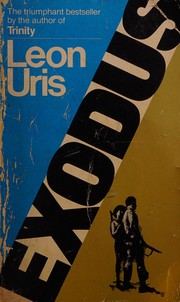
Exodus
Leon Uris's sweeping 1958 novel follows Jewish refugees, Haganah fighters, and Holocaust survivors from Cyprus to the founding of Israel and the 1948 war.
2,529-word summary · 11 min read

Those Who Save Us
A Minnesota professor hunts her mother's hidden wartime past in Weimar, where survival came wrapped in an SS officer's protection. A dual timeline about…
2,345-word summary · 10 min read
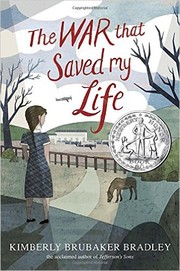
The War That Saved My Life
Ten-year-old Ada has never left her London flat, hidden away because of her clubfoot. Wartime evacuation sends her to Kent, where a reluctant guardian and a…
2,252-word summary · 10 min read

The Redbreast
Harry Hole chases an ageing sniper through modern Oslo while two Norwegian volunteers on the Eastern Front carry a fifty-year-old betrayal toward a royal…
2,453-word summary · 11 min read

The Last Kingdom
Kidnapped by Danish raiders as a boy and raised in their halls, Uhtred of Bebbanburg must choose what he is when the fight for England begins.
1,997-word summary · 9 min read

The Keeper of Happy Endings
Barbara Davis's 2021 standalone braids a Paris dressmaker's wartime losses with a grieving Boston artist who unlocks her family's secrets through an old row…
2,437-word summary · 11 min read