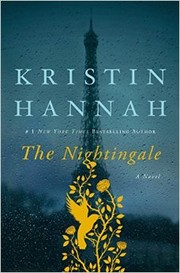
The Nightingale
1,950-word summary 9 min read 564 pages in the book
- First published
- 2015
- Publisher
- St. Martin's Press
- Pages
- 564
- ISBN
- 9780312577223
Reading options
What's inside (7 sections)
I picked up The Nightingale knowing it would hurt and hoping it would earn the hurt. The book was published in 2015 by St. Martin's Press. It runs 564 pages in hardcover. Vianne Mauriac stays in a Loire village with her daughter. Isabelle Rossignol, her younger sister, runs for the resistance. Their father Julien drinks in Paris. War splits them, then binds them. I read it in four nights with tea going cold. It is long, direct, and built to move.
Vianne is twenty nine with a schoolhouse, a garden, and a husband Antoine taken to camps. She keeps daughter Sophie fed as lists shrink. German officer Beck billets in her house and watches with polite menace. He takes wine, leaves coal, and warns her to keep calm. Vianne obeys to shield Sophie. She teaches quiet classes. She trades eggs for soap. She hides fear behind curtains. Her sister Isabelle arrives wild with news and scorn. You hide, Isabelle says. Vianne says she keeps. Both are right for a while. The village watches to see who breaks first.
Isabelle is eighteen and furious. Expelled from schools, she carries notes for the resistance in Paris. Julien, their father who never healed after the last war, pushes her to the country for safety. She goes, hates Carriveau quiet, and returns to Paris to work with Henri and Anouk. She falls for Gaetan, a fighter with soft eyes. She guides downed airmen over mountains as the Nightingale while Beck's men hunt. Her chapters move fast with trains, safe houses, and forged papers. Youth carries her where Vianne stalls. Fear fuels her instead of freezing.
Stay and Run
Vianne's stay forms the book's slow heart. She hides Jewish children in her house and cellar, starting with Rachel's son Ari. She passes notes in bread. She forges ration cards with a priest. She sleeps with Beck's eyes on her stairs. Each act risks Sophie. Each refusal risks souls. Hannah writes those maths plainly. Feed your child or feed another's. Obey or resist. Vianne chooses small hidden nos while saying yes aloud. Those compromises ache more than heroics. A mother lying to an officer over soup to save a boy in a cupboard feels truer than speeches.
Beck complicates villain tag. He loves music, misses his own kids, and pays for wine he takes. He warns Vianne before raids. He shoots prisoners when ordered and drinks after. Hannah gives him manners without pardon. He is kind in rooms and cruel in orders. When he is sent east and replaced by Von Richter, a harder man, Vianne learns the difference. Politeness was still occupation. Readers who liked Beck should note the book does not excuse him. It shows how ordinary men staff horror with table manners intact. That portrait chills more than monsters.
Isabelle's run forms the fast thread. She leads airmen over Pyrenees with guides, falls, frost, and betrayals. She is caught, beaten, and sent to Ravensbruck with other Nightingales. The camp chapters hurt most. Shaved heads. Thin soup. Dead carts. Friendships in bunks. Isabelle survives by spite and love for Gaetan. Hannah does not spare details but also does not dwell for shock. Work, cold, and selections fill days. Hope lives in a hidden letter. Those pages demand breaks. I took them and returned because Isabelle refused to lie down.
Julien redeems late in Paris. He prints false papers after losing both daughters to danger. He shelters airmen in his flat. He is caught and sent to camps. His change from drunk to forger feels rushed but welcome. A father who failed in peace acts in war. His letters to Vianne unsent for years explain silence as shame, not lack. That theme runs through all. Silence as shame. Speech as risk. The sisters learn to speak at different speeds. Vianne whispers. Isabelle shouts. Both save.
Camps, Returns, and Names
The war ends in hunger and lists. Vianne loses Sophie to illness scares and finds her. She loses Antoine to camps and finds him altered. She adopts Ari and Daniel, boys she hid, as her own in heart if not law. Isabelle returns skeletal and loved. Gaetan finds her. They marry in haste. She dies young of camp wounds after bearing a son. Vianne raises questions for decades. Who was Nightingale. Why did Isabelle never tell. The frame, an old woman in Oregon with a son, hides which sister she is till late. The reveal lands softly. It is Isabelle's son with Vianne as aunt mother. Names matter here. Nightingale was a girl, not a myth.
Antoine returns broken in ways the book honors without fixing. He starved, saw friends die, and cannot sleep. He loves Vianne but flinches at touch. They rebuild with work and patience. Sophie grows and asks hard questions. Ari stays silent about camps. Daniel is claimed by distant kin. Those returns feel true because no one is cured. Food returns. Sleep does not. Hannah lets marriages limp rather than leap. A shared garden does more than vows. Planting with kids heals more than talks. Those quiet acres close the book better than parades.
Beck's end and Von Richter's cruelty mark the moral line. Beck dies east as he feared. Von Richter beats and kills in Carriveau with relish. Hannah contrasts them to show systems need both, polite enablers and eager brutes. Vianne kills Von Richter with a gun to save Sophie in a scene that shocks after years of passivity. She does not become a warrior after. She vomits and hides the body. That single shot costs her sleep for years. The book refuses to turn her into action hero. One necessary kill stains a lifetime. That restraint gives the act weight.
The title comes from a story Julien told girls about a nightingale who sang through pain. Isabelle takes the name for routes. Vianne hums it to kids in hiding. At the end the son learns his mother sang. The image works without overuse. Song in dark. Sisters as birds with different flights. One stays in nest. One flies over peaks. Both sing to keep others alive. Hannah returns to it sparingly, which saves it from gloss. A lullaby in a cellar beats anthems in squares.
Beck, Von Richter, and Paperwork
Beck billets in Vianne's house with polite menace. He pays for wine he takes, leaves coal in winter, and warns her before raids. He misses his own kids in Germany and plays piano once. He shoots prisoners when ordered and drinks after alone. Hannah gives him manners without pardon. He is kind in rooms and cruel in orders. When he ships east, Vianne learns the difference fast. Politeness was still occupation with a smile. Readers who liked Beck should hold both truths. Ordinary men staff horror with table manners intact. That portrait chills more than monsters.
Von Richter replaces Beck with relish. He beats shopkeepers, fines schools, and eyes Sophie with threats. He suspects Vianne hides children and searches without warrant. Vianne kills him with a gun to save Sophie in a pantry, then hides the body with shaking hands. She vomits after and does not sleep for weeks. The book refuses to make her a warrior after one shot. One necessary kill stains a lifetime. That restraint gives the act weight beyond thrillers. Staying soft after hardness costs more than firing once.
Paperwork saves as much as guns here. Julien prints false IDs in a Paris flat. A priest forges ration cards with careful seals. Vianne passes notes in bread loaves. Isabelle carries maps in coat linings. Those papers move kids and airmen past checkpoints where guns would fail. Hannah names stamps, inks, and fonts without lectures. A misspelled town can kill. A clean seal can free. That attention honors quiet resistance often unsung. Clerks with trembling hands did as much as fighters with rifles. The book keeps their names in lists at the end.
Mountains, Camps, and Returns
Mountain routes test Isabelle with snow, falls, and frostbite. She leads airmen over Pyrenees with guides who know passes by stones. They walk nights, hide days in barns, and bribe border guards with coins and kisses. She falls on ice and is carried. She carries others when they fall. Betrayals cost lives at trail ends. Gaetan walks beside her when he can. Those pages move fast with breath smoke and wet boots. Youth carries her where Vianne would stall. Fear fuels her legs instead of freezing them. The Nightingale name spreads among airmen as hope with a girl's face.
Camp life in Ravensbruck hurts most to read. Shaved heads. Thin soup with grit. Dead carts at dawn. Selections with pointing fingers. Isabelle survives by spite, friends in bunks, and love for Gaetan's letters hidden in hems. She trades bread for thread to mend. She hums her father's song to girls who cry. Hannah does not spare cold or hunger but also does not dwell for shock alone. Work, roll calls, and whispered names fill days. Hope lives in a hidden note. Those chapters demand breaks. I took them and returned because Isabelle refused to lie down for guards.
Returns limp rather than leap. Antoine comes home starved and sleepless. He loves Vianne but flinches at touch. Sophie asks hard questions about camps and fathers. Ari stays silent about hunger. Daniel is claimed by distant kin with papers. Vianne adopts in heart if not law. Isabelle marries Gaetan in haste and dies young of camp wounds after bearing a son. Vianne raises questions for decades about names and debts. The frame in Oregon hides which sister speaks till late. Food returns to tables. Sleep does not return to beds. Gardens do more than vows to mend.
What Aches and What Drags
Hannah aches with clear, warm prose and strong rooms. Schoolhouse with chalk dust. Paris flat with thin walls. Mountain passes with white wind. Camp bunks with sour straw. She names food, clothes, and papers without fuss. Wartime bread. Forged stamps. Dyed hair. Those details carry. The sisters feel distinct. Vianne careful and tired. Isabelle bright and rash. You can finish in long sittings and weep at checkpoints. That pull is the aim. The book wants tears and earns most.
It drags where pain piles and frame tells early. The Oregon opening names a lost love and a hidden name, so the end reveal is guessed by mid book. Camp chapters repeat selections and soup. Village chapters repeat roundups and lists. Some speeches about women at war state themes the story already shows. Readers who want restraint may skim. I skimmed ten camp pages and kept full ache. Shorter selections would still wound. The book prefers plenty to spare, which suits bestseller aims more than art.
There are notes worth stating. The book shows rape threats, beatings, child hunger, and camp death. It shows a mother killing an officer to save a daughter. Young readers should wait. Older readers should know history here is felt more than precise. Routes and camps compress. Dates blur. Hannah notes research but chooses feeling over files. Take it as tribute, not text. Real Nightingales flew many routes with less luck. Honor them beyond pages.
Even with drags, the novel holds as a sister story that respects both choices. Vianne stays and hides. Isabelle runs and guides. One saves in a house. One saves over peaks. Both pay in sleep and kin. I closed the book thinking of schoolhouse soup shared with hidden boys and of mountain snow on a girl's boots. War asked women to sing in dark. These two did, in different keys. The song reaches Oregon years later, where an old woman finally names herself and rests.
FAQ
Who are the sisters in The Nightingale?
Vianne Mauriac keeps a Loire schoolhouse with daughter Sophie while her husband Antoine is taken. Isabelle Rossignol is young and rash in Paris.
What do they do under occupation?
Vianne hides Jewish children and passes notes. Isabelle guides downed airmen over peaks as the Nightingale while Beck watches.
When was The Nightingale published?
It was published in 2015 by St. Martin's Press in a 564-page edition. The summary follows that text.
Similar books
More like The Nightingale →
All the Light We Cannot See
Doerr's All the Light We Cannot See retold: blind Marie-Laure, Werner the radio boy, and Saint-Malo.
1,962-word summary · 9 min read

War and Peace
Pierre, Natasha, and Andrei search for meaning amid the Napoleonic wars.
2,536-word summary · 11 min read

The Three Musketeers
Young dArtagnan joins Athos, Porthos and Aramis to recover the queens diamonds and face Milady.
2,569-word summary · 11 min read

Fall of Giants
Five families from Wales to Russia live through World War I, the Russian Revolution, and the fight for women's votes.
2,255-word summary · 10 min read

Beneath a Scarlet Sky
Pino Lella guides Jews over Alps then drives for Nazis in Milan.
2,271-word summary · 10 min read
A Farewell to Arms
Frederic loves Catherine in Italy until desertion leads to Switzerland and stillbirth.
2,502-word summary · 11 min read