
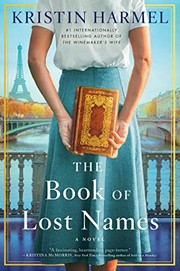
The Book of Lost Names
2,097-word summary 9 min read 400 pages in the book
- First published
- 2020
- Publisher
- Gallery Books
- Pages
- 400
- ISBN
- 9781982131906
Reading options
What's inside (11 sections)
I picked up The Book of Lost Names expecting a standard wartime romance and found something firmer underneath. Kristin Harmel published it with Gallery Books in 2020, a 400 page novel with ISBN 9781982131906. It follows Eva Traube, a Jewish graduate student in Paris who becomes a forger for children fleeing to Switzerland, and who keeps a coded record of the real names behind every false paper. The frame is present day. An old woman sees a magazine photo of a book she thought was lost and flies to Berlin to claim it. The bulk is 1942 to 1944 in a mountain village near the Swiss border. Quiet work. False stamps. Real risk.
Eva starts the war as an ordinary student. Her father, a Polish Jew who ran a shop in Paris, is arrested in a roundup in 1942. Her mother clings to hope that papers and patience will save them. Eva understands faster that hope needs help. A Catholic friend connects her to a network that moves people south. She and her mother reach Aurignon, a small town in the free zone, where Pere Clement, the local priest, hides Jewish children in a convent school and needs someone who can draw. Eva can. She was studying art. She learns to copy signatures, age ink, invent plausible birthplaces. A child named Rachel becomes Claudine. A boy named David becomes Pierre. Each change is a small death that allows life.
Remy is the other half of the forgery table. Young, quick, charming in a way that irritates Eva before it moves her. He was a printer apprentice, now making documents by night and flirting by day. Their romance grows inside work. Sharing a nib. Arguing about whether a seven looks French enough. Testing each other with stories about home. It is not instalove. It is two tired people finding that fear is easier to carry side by side. When Remy is sent on a courier run that goes wrong, Eva learns what every resistance memoir teaches. Love does not protect anyone. It only gives loss a shape.
The book itself
The Book of Lost Names is a real object in the novel, a dusty religious text in the priest library where Eva and Remy record the true names in code. A number next to a false name. A symbol for a village. A child rhyme standing in for a date. The idea came from historical practice. Forgers in France did keep such lists so children could one day reclaim who they were. Harmel makes the book the moral center. Forgery erases to save. The list remembers to restore. Eva tends it like a garden, checking entries at night, memorizing ciphers in case the paper is found. When she must leave Aurignon fast, she hides the book in the library and prays the code holds.
Pere Clement carries the other moral weight. He is not a saintly caricature. He drinks. He doubts. He buries children who do not make it and writes careful lies to their parents. He argues with the bishop by letter and with God in the chapel when no one hears. His decision to shelter Eva, a Jewish woman, in the presbytery puts the whole village at risk, and he knows it. Harmel lets him be afraid. That fear makes his steadiness matter. One of the best scenes has him teaching Eva to ring the church bell wrong on purpose, a signal to the network that soldiers are near. Faith here is logistics. Pull this rope. Pause. Pull again.
Mamusia, Eva mother, is harder to love and important to sit with. She refuses to leave Paris at first, then refuses to adapt in Aurignon, clinging to French identity papers that no longer protect and to a husband who will not return. Eva loves her and resents her in the same paragraph. Their fights about Remy, about risk, about whether Eva should have a future while others do not, feel true to families under pressure. Mamusia survival into old age does not resolve the tension. It extends it. Daughters who outran mothers carry that argument for decades.
Aurignon daily life
Harmel is good at village texture. The bakery that saves crusts for the convent. The gendarme who looks away once and then cannot look away again. The schoolmistress who teaches false names without asking for true ones. Children who learn to answer to new saints overnight. Eva teaches drawing to keep cover, telling pupils to shade apples as if light matters more than hunger. She walks the mountain paths to learn escape routes. She sews money into hems. The network runs on women doing boring tasks perfectly. Copy, carry, count, clean. Boredom as cover for courage.
The betrayal, when it comes, is not a stranger with a flashlight but a familiar hunger. Someone trades a name for food or safety or a son release. Harmel does not make the traitor a monster. She makes him tired and ordinary, which is worse. The raid on the presbytery is fast and confusing. Papers burn. A child screams the wrong name. Remy runs with a satchel and does not come back. Eva escapes with her mother through a back lane while Pere Clement stays at the altar to delay soldiers. She leaves the book hidden because carrying it would condemn everyone on its pages. That choice haunts the rest of her life.
Present day frame
The novel opens and closes with old Eva, now a retired librarian in Florida, seeing a magazine about the recovered book. She flies to Berlin with her son, a man who knows his mother survived the war but not how. Their conversations on the plane and in archives give Harmel room to talk about memory without lectures. The son asks why she never told him. Eva answers that she tried to live as an American mother rather than a French ghost. It sounds like excuse until you see her hands shake at the archive box. Some stories wait for an object to unlock them. The book is hers.
The Berlin scenes are quieter than expected, which I liked. No courtroom. No villain unmasked. Just librarians, a reading room, gloves, and a code Eva half remembers. A young German scholar helps without making it about guilt. The decoding is slow. A name matches a school record. A symbol matches a village. One child lived. One did not. Eva weeps without drama. Her son holds the other glove. Forgiveness here is not between nations. It is between a mother and a son who finally hear each other across sixty years.
What works and what strains
What works is the forgery detail. Harmel researched how papers were altered, what inks aged well, which officials checked what lines. That craft grounds the romance. When Eva worries about the loop on a capital R, you feel the stakes more than in any chase. The children are individuals rather than symbols. A boy who will not answer to Pierre for three days. A girl who memorizes her false birthday by singing it. Those small resistances make the rescue feel real.
The strain is familiarity. Readers of wartime fiction will recognize beats. The roundup. The kind priest. The mountain escape. The lost lover. The hidden list. Harmel executes cleanly but rarely surprises. Remy fate is telegraphed. The traitor identity is guessable. A subplot about Eva postwar marriage feels thin, there to explain the son rather than to live. If you want a new angle on France, this will feel comfortable rather than fresh. Comfortable is not nothing in this genre, but it limits lift.
Prose is plain and serviceable, with occasional images that land. Ink like bruises. Snow that hides footprints and then betrays them by melting. A bell rope worn smooth by hands that lied for truth. Dialogue carries plot more than character, and secondary villagers blur. Still, the book reads fast for 400 pages because every chapter ends with a task. Finish this batch. Warn that house. Memorize that cipher. Task prose suits forgery stories.
Who it is for
Read it if you like The Nightingale or The Lost Girls of Paris but want less romance and more paperwork, or if you teach the Holocaust and need a novel about rescue networks that centers Jewish agency rather than savior priests alone. Content notes include roundup and deportation, murder of civilians, antisemitic slurs quoted in context, sexual assault threat, child endangerment, and grief that spans decades. Suitable for teens and up with context.
I closed it thinking about names. Eva spends the war giving children false saints and then spends peace wondering if any reclaimed the first ones. The book argues that identity is paper plus memory. Paper can be forged to save. Memory must be kept to restore. Harmel found a true practice, the coded lists, and built a humane fiction around it. The result is not groundbreaking, but it is honest work about ordinary courage. Ink, rope, bread, bell. Small things done right while soldiers walk the lane. That is enough to earn its place on the shelf.
Eva after the war
The postwar chapters deserve more attention than plot summaries allow. Eva reaches America with her mother, marries a kind man who knows she survived something but not what, and becomes a librarian who helps other immigrants fill forms. She never forges again, not even a signature for convenience. Her son grows up hearing that his mother is quiet about France. He mistakes quiet for peace. Harmel shows how survivor silence works in families. Not lying exactly, but editing. Eva tells bedtime stories with no war in them. She cooks French food without naming the village. She keeps a drawer with a nib, a blank paper, and the magazine clipping she cannot throw away. When her husband dies, the drawer opens more often. Grief loosens old locks.
Her work as a librarian mirrors the forgery in reverse. Instead of changing names to hide, she helps people find true records. A woman looking for a birth certificate. A boy needing school papers. Eva stays late to help, patient with handwriting, strict about details. Colleagues see dedication. Readers see repair. She cannot fix Aurignon, but she can make sure no child in Florida waits for papers that never come. Those scenes are quiet and some readers skim them. Do not. They show what a skill means after its emergency ends. A forger becomes a finder.
Remy and what love owed
Remy fate needs a plain telling. He does not survive the war in the way Eva hoped. Captured on a courier run, he protects the network by giving a false name that holds just long enough for Eva to flee. Harmel resists making him a martyr with speeches. He is scared in his last scenes, angry at himself for getting caught, thinking about Eva hands with ink on them. Eva learns pieces over years. A Red Cross list. A witness who saw him share bread. No grave to visit until much later. Her grief is not dramatic wailing but a habit of setting two cups for tea she drinks alone. When she finally tells her son his name, the boy understands at last why his mother cried at weddings. Someone missing stood beside every joy.
The village after
Aurignon does not get a happy montage. The priest ages. The schoolmistress keeps teaching false names as real ones because the children stayed and grew. The gendarme who looked away drinks more. The bakery closes. Harmel visits the village once more through Nell? No, through Eva memory on the plane to Berlin. Fields still terraced. Bell still cracked from being rung wrong on purpose. A plaque with names that includes some Eva saved and omits others she could not. That plaque scene is brief and devastating. Public memory needs simplicity. Private memory keeps the code. Eva runs her finger down the plaque and silently adds the true names beside the false ones. Only she can read both. That is enough and never enough.
A note on sources
Harmel draws on real forgers like Adolfo Kaminsky and on networks that moved Jewish children through the Alps to Switzerland. The Aurignon village is fictional, the methods are not. If the story sends you to nonfiction, start with accounts of the Oeuvre de Secours aux Enfants and the Protestant village of Le Chambon. The novel will read richer after, and the children in its pages will feel less like characters and more like the many it honors.
FAQ
When was The Book of Lost Names published?
Gallery Books published it in 2020. The paperback runs 400 pages and the ISBN is 9781982131906.
Who are the main characters?
Eva Traube, a Jewish student turned forger, Remy, her lover, Pere Clement, the priest who shelters them, and Mamusia.
Is it part of a series?
No. It stands alone, though Harmel returns to wartime France in later novels like The Forest of Vanishing Stars.
Similar books
The Lost Girls of Paris
In 1946, a war widow finds an abandoned suitcase in Grand Central holding photographs of twelve women who vanished in the war, and follows their story back to…
2,668-word summary · 12 min read
The Tuscan Child
After her father's death, Joanna follows a returned letter to Tuscany and uncovers his wartime love, a hidden painting and a village secret. A dual-timeline…
2,095-word summary · 9 min read
The Redbreast
Harry Hole chases an ageing sniper through modern Oslo while two Norwegian volunteers on the Eastern Front carry a fifty-year-old betrayal toward a royal…
2,453-word summary · 11 min read
The Paris Library
Odile lands her dream job at the American Library in Paris as war closes in, then hides that past in Montana until teen Lily draws it out.
2,813-word summary · 13 min read
The Secret Keeper
A girl watches her mother kill a stranger in 1961; fifty years later she digs into her mother wartime London past.
2,262-word summary · 10 min read
The Huntress
A Soviet night pilot, a Boston photographer doubting her stepmother Annelise, and a Nazi hunter chase Die Jagerin from wartime Europe to 1950 Boston in a long…
2,666-word summary · 12 min read
The Rose Code
Three Bletchley Park women reunite in 1947 to expose a wartime traitor in Quinn's codebreaking novel.
3,219-word summary · 14 min read
The Nightingale
Nightingale retold: Vianne and Isabelle in occupied France, hide children, run routes, trials.
1,950-word summary · 9 min read
The Orphan's Tale
A Dutch teenager rescues a Jewish baby from a death train and joins a German circus, where a Jewish aerialist teaches her to fly.
2,943-word summary · 13 min read

The Japanese Lover
A Polish refugee and the son of a Japanese gardener fall in love in San Francisco in 1939, then keep the affair secret for nearly seventy years.
2,286-word summary · 10 min read
The Art Forger
A disgraced Boston painter agrees to copy a Degas stolen from the Gardner Museum, then begins to suspect the original she is copying is itself a forgery.
2,117-word summary · 9 min read

Anatomy: A Love Story
In 1817 Edinburgh, a noblewoman who wants to be a surgeon disguises herself to study anatomy and falls for the grave robber who supplies her with bodies.
2,031-word summary · 9 min read
The Only Woman in the Room
A novel about Hedy Lamarr's escape from an arms-dealer husband, her Hollywood career, and the frequency-hopping patent the Navy ignored.
2,067-word summary · 9 min read
The Black Dahlia
James Ellroy builds a fiction around the real Black Dahlia murder, following two Los Angeles cops whose partnership and obsessions destroy them.
2,533-word summary · 11 min read
Only Time Will Tell
A Bristol dockworker's son wins a scholarship, falls in love with the daughter of the family that owns the shipyard, and learns that his father's death was not…
2,082-word summary · 9 min read
Once Upon a River
A wounded man stumbles into a riverside inn carrying what appears to be a drowned child who is not quite dead, and the story braids the guesses of everyone who…
2,173-word summary · 10 min read
The Echo of Old Books
Barbara Davis's 2023 novel sends a rare-book dealer in 1984 New Hampshire hunting for the authors of two unpublished volumes that tell opposite sides of one…
2,491-word summary · 11 min read
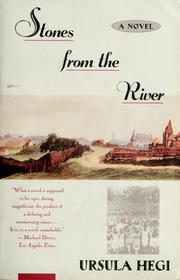
Stones from the River
Trudi Montag is born a dwarf in a small German river town in 1915 and grows up to keep the town's library and its secrets, from the First World War to the…
2,818-word summary · 13 min read
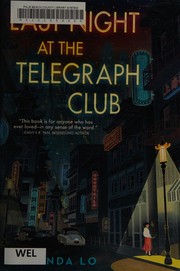
Last Night at the Telegraph Club
The 2021 National Book Award winner follows Lily Hu, a Chinese American teenager in 1954 San Francisco, as she falls for Kath and learns what it costs to be…
2,336-word summary · 10 min read
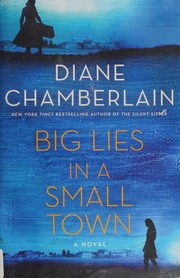
Big Lies in a Small Town
A 22-year-old woman leaves prison to restore a 1940 mural, and Edenton, North Carolina, starts talking.
2,187-word summary · 10 min read
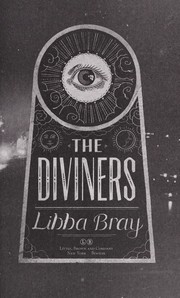
The Diviners
In 1920s New York, Evie O'Neill's ability to read objects pulls her into an occult investigation that awakens something far older and more dangerous.
2,045-word summary · 9 min read
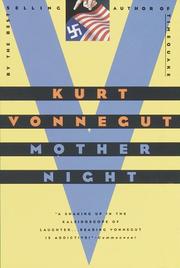
Mother Night
Howard W. Campbell Jr., a Nazi propagandist and American spy, tells the story of his double life from an Israeli prison cell while waiting to be tried for war…
1,988-word summary · 9 min read
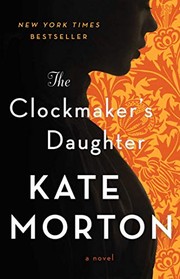
The Clockmaker's Daughter
A London archivist finds a Victorian satchel holding a photograph, a sketchbook and a letter, then follows them to Birchwood Manor, where a young woman died in…
2,886-word summary · 13 min read
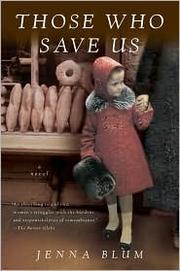
Those Who Save Us
A Minnesota professor hunts her mother's hidden wartime past in Weimar, where survival came wrapped in an SS officer's protection. A dual timeline about…
2,345-word summary · 10 min read
Death Comes to Pemberley
P.D. James drops a murder onto the Pemberley estate and sends Wickham to trial, reading Austen's most famous marriage through the machinery of Georgian justice.
2,318-word summary · 10 min read
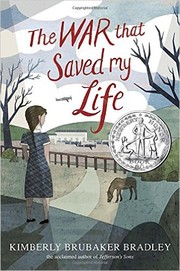
The War That Saved My Life
Ten-year-old Ada has never left her London flat, hidden away because of her clubfoot. Wartime evacuation sends her to Kent, where a reluctant guardian and a…
2,252-word summary · 10 min read
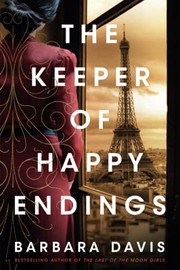
The Keeper of Happy Endings
Barbara Davis's 2021 standalone braids a Paris dressmaker's wartime losses with a grieving Boston artist who unlocks her family's secrets through an old row…
2,437-word summary · 11 min read
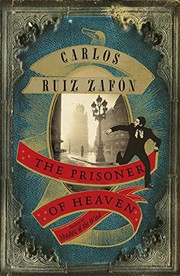
The Prisoner of Heaven
Fermin Christmas past returns with a stranger and a prison debt.
2,388-word summary · 11 min read
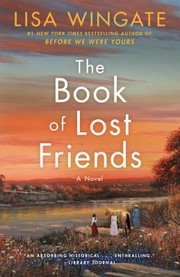
The Book of Lost Friends
Three women trace Lost Friends ads from 1875 to find stolen sons.
2,368-word summary · 11 min read
Fingersmith
A thief plots to cheat an heiress, then the scheme flips twice in Victorian London.
2,532-word summary · 11 min read