
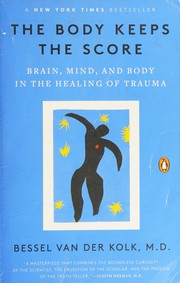
The Body Keeps the Score
2,172-word summary 10 min read 464 pages in the book
- First published
- 2014
- Publisher
- Viking
- Pages
- 464
- ISBN
- 9780670785933
Reading options
What's inside (9 sections)
I did not pick up this book because I love brain science. I picked it up because three different friends told me it explained why they could not just think their way out of old scares. The Body Keeps the Score by Bessel van der Kolk was first published in 2014 by Viking, a 464 page hardcover with ISBN 9780670785933. Van der Kolk is a Dutch psychiatrist who spent decades working with veterans, abused kids, and assault survivors in Boston. I read it slowly, a chapter at night, because some pages hit close.
The core claim is plain. Trauma is not only a story in your head. It lodges in your nervous system. It changes how you sense danger, how you breathe, how your gut feels, how you trust people. Talk alone often fails because the alarm parts of the brain do not listen to logic. Healing, he argues, has to include the body. Movement, breath, rhythm, touch, theater, and safe relationships. Not as extras. As the work itself.
He starts with his own education. In the 1970s he worked at a VA clinic with Vietnam veterans who were loud, shut down, explosive, or numb. The diagnosis of post traumatic stress disorder did not even exist yet. He watched men who could describe what happened in detail and still dive under a table when a car backfired. That gap stuck with him. Knowing did not equal feeling safe.
The alarm that will not shut off
Early chapters walk through the brain in plain terms. Van der Kolk leans on scans and simple models. The amygdala spots threat. The prefrontal cortex weighs and plans. In trauma, the alarm gets loud and the planning part goes dim. He tells of a woman named Marilyn who was in a car crash and later panicked in any car, even as a passenger on a calm road. Her body reacted before her thoughts could vote.
He also covers dissociation. Some people do not fight or run. They leave. They go flat, foggy, far away. Kids especially. He describes consultations where a child recounts awful events in a monotone, as if reading a grocery list. That flatness is protection. It also blocks learning and closeness later, because you cannot tell what you feel.
I found the Rorschach stories oddly moving. He gave inkblot tests to veterans and to ordinary people. The veterans saw war everywhere. A man holding a leaf became a man holding a gun. It was not imagination. Their brains matched present shapes to past danger. That helped me grasp flashbacks. They are not memories you pull up. They are alarms that pull you in.
His criticism of pills-only care lands hard here. He is not anti medication. He prescribes it. But he says drugs can blunt the alarm without teaching the system safety. The VA at the time pushed a lot of sedatives and antidepressants. His patients got quieter, not better. Some got addicted. He started looking for methods that retrained the body.
Kids, attachment, and the long shadow
The middle of the book shifts to children. This is the hardest part to read and, to me, the most useful. Van der Kolk argues that repeated early neglect or abuse shapes development more than a single adult shock. A kid who grows up scanning a volatile parent learns to scan everyone. Heart rate, sleep, digestion, and school focus all bend around that vigilance.
He writes about the clinic he helped build, the Trauma Center in Brookline, and about foster kids who flipped from sweet to furious in seconds. Standard labels like oppositional or bipolar missed the point, he says. The behaviors were adaptations. If closeness meant hurt at home, closeness at school felt risky too.
One example stayed with me. A boy who hoarded food and could not sit through class. No lecture on self control helped. What helped was predictable routines, a teacher who greeted him the same way every day, gym time where he could run hard, and slow work naming feelings. Boring stuff. Repeated for months. His scores improved, not because he was bribed, but because his body started to expect that mornings were safe.
Van der Kolk also talks about his own limits here. He admits he and his team sometimes pushed exposure too fast. Asking someone to retell the worst scene over and over could flood them and set them back. That honesty made me trust him more. He is arguing for patience, not for a miracle method.
A fair worry comes up in this section. He stretches from clear studies to clinical stories quickly. Some stories sound neat in hindsight. Readers who want tight proof for every step will get frustrated. He mixes brain scans, small trials, and long case notes. I took the case notes as illustration, not proof, and the argument still held.
Why talking helps some and stalls others
He respects talk therapy, especially for making sense of a life. But he devotes a full chapter to why recounting alone can stall. The part of the brain that makes speech, Broca area, tends to shut down during high arousal. People literally lose words. So forcing a clean narrative while shaking can feel like failing twice.
That is where EMDR enters. Eye Movement Desensitization and Reprocessing sounds strange. You recall a painful image while following a finger, tapping, or hearing alternating tones. Van der Kolk was skeptical at first. Then he tried it with patients who had been stuck for years and watched some of them shift in a few sessions. He does not claim magic. He frames it as a way to process a stuck memory while staying anchored in the present room.
He gives a veteran example. A man who had not slept through the night in decades after a firefight. After EMDR work, the memory stayed sad but stopped hijacking his nights. He could talk about it without sweating through his shirt. Not cured in a movie sense. Quieter inside.
He also covers other structured talk methods, like trauma focused cognitive behavior work for kids, and psychodynamic work for adults who need to link past patterns to present fights. His point is practical. Find a therapist who tracks your body in the room, not only your plot summary. If you leave every session buzzing or blank for hours, say so and change pace.
Critics will note that EMDR remains debated. Effects are real in many trials, but whether eye movements add much beyond exposure and safety is still argued. Van der Kolk leans pro. I wish he had spent more pages on that debate. He moves on fast to body methods he likes.
Breath, movement, and getting back inside your skin
The most hands on chapters cover yoga, theater, and other physical practices. At first I rolled my eyes. Yoga for trauma sounded like a poster. Then he laid out the logic and the small studies from his center. Many traumatized people hate being inside their bodies. Heartbeat feels scary. Stillness feels unsafe. Gentle yoga with choice based language, no forced poses, no hands on fixes, let people notice sensation without panic. Just, my foot is on the mat. My breath is short. I can change it a little.
He cites a weekly class for women with chronic PTSD who had not responded to talk alone. After ten weeks, more of them reported drops in arousal and fewer intrusions than the comparison group. Not everyone loved it. Some quit. Those who stayed often said the same thing in different words. I can feel my body without obeying the fear.
Theater gets a whole chapter through his work with a group that staged plays with at risk youth. Kids who could not say I am angry could play a soldier who is angry, stand tall, shout on cue, then step out and breathe with the cast. The structure made feelings safe to try. I thought of school plays I had dismissed as fluff. Here the rehearsal was the therapy. Timing, voice, and other bodies near you.
He also touches on neurofeedback, internal family systems work, and community rhythms like choir, martial arts, and team sports. The thread is the same. Healing needs experiences of mastery and connection that contradict helplessness. Insight helps, but new lived moments do the rewiring.
This is also where the book drags a little. He catalogs many methods, each with a brief trial and a strong anecdote. A skeptical reader will want larger samples and longer follow ups. He admits funding was thin for non drug approaches. I kept thinking, this is a map, not a verdict. Useful if you treat it that way.
Connection as medicine
The last third returns to relationships. Van der Kolk is blunt. Humans calm each other. Babies borrow a parent nervous system. Adults borrow a partner or friend. After trauma, many people isolate because closeness cues danger. Breaking that loop needs safe others, not only techniques.
He writes about veterans who improved when they joined groups that cooked, hiked, or built things together, not only when they talked about combat. He writes about partners learning to read shutdown. Instead of chasing with questions, pause, offer warmth, wait. Small repairs beat big speeches.
He tells of his own group weekends and of family sessions where parents learned to play again. One father who yelled through games learned to let his son win a round, then lose a round without storming off. It sounds trivial. In context it was huge. The son started sleeping better. Safety is built in small wins.
He closes with a social argument. Schools, clinics, courts, and prisons often punish trauma responses. Suspend the hyperactive foster kid. Jail the veteran who drinks to sleep. He calls for screening and for funding body based and community programs alongside meds and talk. You can disagree on budgets and still hear the point. We pay later when we ignore early harm.
What the book gets right and where I pushed back
What stuck with me after finishing was the shift from why can you not get over it to what does your system need to feel safe now. That question changed how I listen to friends. Less advice. More noticing. Are you hungry, tired, buzzing. Want a walk instead of a long talk.
The writing is warm and direct, though repetitive in spots. He circles the same brain model through many stories. Some readers will love the reinforcement. I skimmed a few pages in the middle. He also leans on his own center work heavily, which makes sense for a memoir of practice but leaves gaps. Other labs, other cultures, and other kinds of trauma get less room.
I also wanted more on limits. Who does not benefit from yoga or EMDR. What to do when exposure backfires. How to pick a good provider and avoid gurus. He gives hints, like choice, pacing, and medical screening, but not a full guide. Pair this book with a clinician or a trusted guide, not as a solo manual.
Still, I get why friends kept pressing it on me. It names something many self help books skip. Willpower does not reach the alarm. Rhythm, breath, play, and steady people do. I finished with a short list for myself. Walk most days. Notice shoulders before meetings. Ask before hugging someone who is shaky. Keep therapy paced, not rushed. Simple, physical, repeatable. That feels honest to what he taught.
If you read one chapter, read the one on kids and schools. If you read two, add the yoga chapter. If you are supporting someone right now, read the closing on connection and pick one small reliable ritual. Call at the same time. Cook the same meal. Show up when you say you will. Safety grows in patterns our bodies can count on.
How I would use it now
I keep a few practices from the book on an index card. Name the sensation in plain words. My chest is tight. My hands are cold. Slow the exhale a notch. Press feet into the floor. Look around and name five ordinary things. Then decide. Do I need rest, food, movement, or company. Most days that tiny sequence beats spiraling.
For friends, I stopped opening with tell me everything. I start with do you want advice, company, or distraction. If they want company, we walk or cook. If they want to talk, I keep sessions short and end with something grounding. Tea, fresh air, a stupid funny show. Van der Kolk would call that co regulation. I just call it being less clumsy.
The book is long and at times uneven, but its heart is steady. Trauma can shrink a life to avoidance. Recovery widens it again through body and bond. Not by forgetting what happened, but by teaching the system that now is different from then. That lesson, practiced in small doses with safe people, is what finally quiets the alarm.
FAQ
When was The Body Keeps the Score published?
Viking published the hardcover on September 25, 2014. It runs 464 pages and the hardcover ISBN is 9780670785933.
Is this book only for therapists?
No. It mixes case stories, brain science, and history. You can follow the main ideas without a medical background, though some chapters get technical.
What treatments does van der Kolk discuss?
He covers EMDR, yoga, neurofeedback, theater work, and medications, and he is honest that no single method works for everyone.
Similar books

What Happened to You?
Oprah Winfrey and psychiatrist Bruce Perry explain how early experience shapes the brain, and why asking what happened to someone works better than asking what…
2,238-word summary · 10 min read

Sybil
A 1973 case study of a woman treated for multiple personalities, and the book that made dissociative identity disorder a household phrase.
2,054-word summary · 9 min read
Columbine
Ten years of reporting on the 1999 school massacre, including a journalist's correction of the myths he helped create in the first hours.
2,232-word summary · 10 min read
Nudge: Improving Decisions About Health, Wealth, and Happiness
Thaler and Sunstein show how defaults, framing, and social cues steer choices, and argue for choice architecture with an opt-out.
3,146-word summary · 14 min read

The Courage to Be Disliked: The Japanese Phenomenon That Shows You How to Change Your Life and Achieve Real Happiness
A philosopher and an angry young man argue over five nights about Adlerian psychology, trauma, approval, and the freedom to be disliked.
2,054-word summary · 9 min read

In Order to Live: A North Korean Girl's Journey to Freedom
A young North Korean girl crosses the Yalu, survives trafficking in China, and rebuilds her life in Seoul in this unsparing memoir.
2,027-word summary · 9 min read
Too Much and Never Enough: How My Family Created the World's Most Dangerous Man
Mary L. Trump's 2020 memoir traces how a cold, zero-sum Queens household shaped her uncle, and uses family tax documents to challenge his self-made story.
2,059-word summary · 9 min read

Moonwalking with Einstein: The Art and Science of Remembering Everything
A journalist spends a year training for the U.S. Memory Championship and discovers that extraordinary memory is mostly technique, attention, and a lot of…
2,027-word summary · 9 min read

The Total Money Makeover: A Proven Plan for Financial Fitness
Dave Ramsey lays out seven Baby Steps, from a $1,000 starter fund to a paid-off house, with the debt snowball at the center.
2,663-word summary · 12 min read
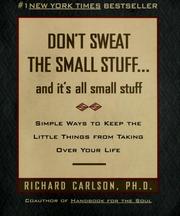
Don't Sweat the Small Stuff ... and It's All Small Stuff: Simple Ways to Keep the Little Things from Taking Over Your Life
Richard Carlson’s 1997 bestseller offers one hundred short chapters on lowering the volume on daily irritations, and it is more pragmatic than its title…
2,502-word summary · 11 min read

Made to Stick: Why Some Ideas Survive and Others Die
The Heath brothers break down why some ideas vanish on contact while others lodge in memory, tracing six traits that make a message stick.
2,527-word summary · 11 min read
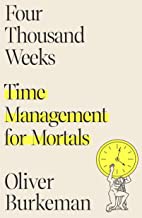
Four Thousand Weeks: Time Management for Mortals
Oliver Burkeman turns the whole productivity project on its head, arguing that a human lifespan of roughly four thousand weeks is not a problem to optimize…
2,447-word summary · 11 min read
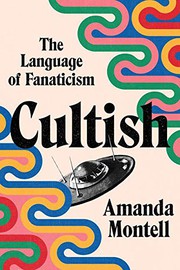
Cultish: The Language of Fanaticism
Amanda Montell argues that the real machinery of a cult is its vocabulary, and she traces how loaded language from 1960s communes to modern wellness brands and…
2,087-word summary · 9 min read
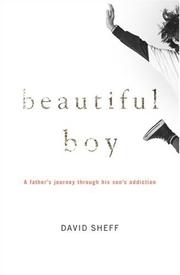
Beautiful Boy: A Father's Journey Through His Son's Addiction
David Sheff recounts watching his son Nic slide into meth addiction, and his own desperate, humbling search for how to help without destroying them both.
2,076-word summary · 9 min read
The Road Less Traveled: A New Psychology of Love, Traditional Values and Spiritual Growth
M. Scott Peck argues that maturity begins with accepting difficulty, then builds discipline, love, and spiritual growth through honest, often painful work.
2,200-word summary · 10 min read
Smoke Gets in Your Eyes: And Other Lessons from the Crematory
A young medieval history graduate takes a job at an Oakland crematory and becomes a mortician, confronting the physical reality of death and the funeral…
2,003-word summary · 9 min read

Attached
A psychiatrist and a psychologist explain adult attachment styles and show how anxious, avoidant, and secure patterns shape dating, conflict, and the search…
2,157-word summary · 10 min read
Lucky
Alice Sebold's memoir of the 1981 rape she survived as a college freshman, the courtroom that followed, and a conviction later proven to be a case of mistaken…
2,091-word summary · 9 min read
All About Love: New Visions
bell hooks borrows a definition of love as an action rather than a feeling, then spends thirteen chapters showing how hard it is to practice.
2,385-word summary · 11 min read
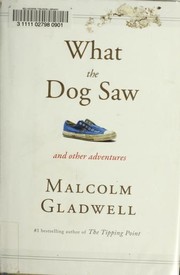
What the Dog Saw and Other Adventures
Nineteen New Yorker essays on pitchmen, ketchup, Enron, profiling, late bloomers and the limits of prediction, arranged in three parts.
2,049-word summary · 9 min read
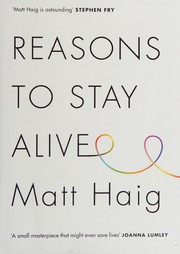
Reasons to Stay Alive
Matt Haig's memoir of the breakdown that nearly killed him at twenty four and the three years of unglamorous recovery that followed.
2,065-word summary · 9 min read
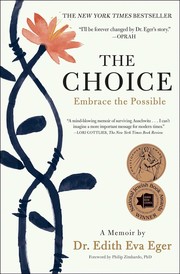
The Choice
Auschwitz survivor and therapist turns prison into a guide for healing.
2,472-word summary · 11 min read
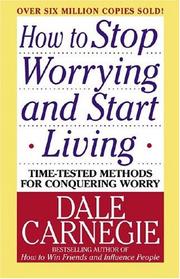
How to Stop Worrying and Start Living
Carnegie offers day-tight routines for worry built from interviews and worker stories.
2,505-word summary · 11 min read
Dare to Lead
Research on courage shows how leaders build trust through vulnerability and clear values.
2,442-word summary · 11 min read
10% Happier
An ABC newsman panics on air, then finds meditation without losing his edge.
2,590-word summary · 12 min read
Think Again
Adam Grant argues for holding views loosely and testing them like a scientist, moving past preacher, prosecutor, and politician habits at work and in debate.
3,204-word summary · 14 min read
The Black Swan
Taleb argues rare shocks shape history more than models admit, and urges safer exposure over prediction.
2,588-word summary · 12 min read
Hunger
Roxane Gay traces how assault at twelve shaped her body, appetite, and daily life as a fat Black woman refusing shame.
2,583-word summary · 11 min read
Essentialism
McKeown argues for less but better: discern the vital few, refuse the trivial many, and use buffers, small wins, and steady routines so key work gets done well…
2,421-word summary · 11 min read
Braving the Wilderness: The quest for true belonging and the courage to stand alone
Belonging to yourself first lets you stand alone and still stay close to others.
2,004-word summary · 9 min read