
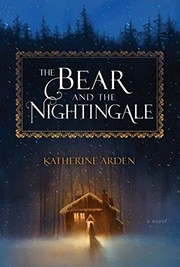
The Bear and the Nightingale
1,907-word summary 8 min read 322 pages in the book
- First published
- 2017
- Publisher
- Del Rey
- Pages
- 322
- ISBN
- 9781101885932
- Series
- Winternight Trilogy (#1)
Reading options
What's inside (6 sections)
Winter books should make you feel cold in a good way and this one does. The Bear and the Nightingale by Katherine Arden was first published January 10, 2017 by Del Rey, a 322 page hardcover with ISBN 9781101885932. It is book one of the Winternight Trilogy, followed by The Girl in the Tower. Vasya is a wild girl in medieval Russia who sees household spirits. A new priest calls them demons. I read it with tea going cold and a blanket pulled tight, which felt right.
Vasya, full name Vasilisa Petrovna, is the youngest daughter of a northern lord. Her mother died birthing her. Her grandmother whispered that she would talk to spirits. As a child Vasya runs barefoot in snow, leaves offerings for the domovoi who guards the house, and rides horses too fast. Her nurse Dunya tells tales of Morozko, winter king, and the Bear, god of death chained in woods. Vasya listens like other kids listen to lullabies, as truth with story clothes.
Her family loves her and fears her in equal measure. Father Pyotr wants her safe and married. Stepmother Anna, devout and terrified of her own visions, sees Vasya wildness as sin. Brothers Sasha, who will become a monk warrior, and Olga, who will marry a prince, protect her while pushing her toward normal. Only Dunya and her horse Solovey accept her fully. That lonely acceptance shapes Vasya more than any lesson.
Household gods
The early chapters build a world where spirits are chores. Leave bread for the domovoi. Thank the bannik before baths. Do not whistle after dark. Vasya does these naturally while others forget. Arden writes domestic magic with concrete detail. How to wrap offerings. When to sweep ash. What it means when milk sours without heat. These small rites make the later loss hurt. When people stop feeding spirits, bread molds and houses chill in ways thermometers cannot explain.
Anna arrival changes the house. Young, beautiful, and genuinely pious after years in a convent, she marries Pyotr for duty and fears Vasya as rival and reminder. She prays loudly, fasts hard, and sees demons where Vasya sees neighbors. Her fear is not fake. She had visions as a girl and was taught they were evil. When she has a son and nearly dies, her grip tightens. Protect the baby from wild sister. Cleanse the house with icons. Good intentions become cold rooms.
Father Konstantin arrives with Anna blessing and Moscow backing. Handsome, eloquent, and certain. He preaches against old rites as devil worship. He tells villagers to stop leaving bread, to whitewash protective marks, to confess encounters with spirits as sins. Some listen because he is kind to the sick. Others listen because winter is hard and blame feels warmer than helplessness. Vasya argues with him as a teen with no status, which goes as well as expected. He marks her as possessed.
Crop failure and disappearances follow, though Arden leaves cause wisely tangled. Is it the Bear waking because offerings stopped. Is it just a bad year made worse by fear. Villagers choose the story Konstantin gives. A witch in their midst. Vasya rides out at night to leave bread anyway, seeing domovoi thinner each time. Her defiance is not heroic posing. It is grief for friends starving. That motive keeps her likable when she disobeys.
A note on pace. The first hundred pages are slow with family and chores. I loved it, but readers wanting battles should know the Bear stays chained for a while. The cold is the early villain. Frostbite. Hunger. Childbirth. Arden respects ordinary winter danger before adding gods. Once Konstantin gains power, pages turn faster. Persecution clarifies.
Morozko and the Bear
Morozko enters like winter itself. Blue eyes. Cold hands. A stallion made of night. He has watched Vasya since she left honey for him as a child. He warns her that the Bear stirs and that her gifts make her both target and key. Their talks in snowy woods are formal and strange. Bargains, not banter. A necklace for protection. A choice to make later. He respects her will in a way no priest or father fully does, though his respect is alien and bound by old laws.
The Bear is the opposite. Where Morozko is cold that preserves, the Bear is hunger that devours. Chained by old magic and fed by fear, he whispers through cracks. To Konstantin as righteous fire. To desperate men as promises. To Vasya as nightmares of being buried. Arden keeps him mostly unseen, which makes him scarier. A scratch on a door. A shadow with too many joints. When he finally shows, the fight is less about swords than about stories. Who names him. Who feeds him.
Vasya caught between these powers refuses both scripts. She will not be a saint in a convent, which Anna and Konstantin plan for her. She will not be a witch bride to winter, which Morozko offers as protection with strings. She wants to ride, to protect her village, to see the world beyond woods. That third choice, freedom over safety, drives the last act and the whole trilogy. It is feminist without speeches. A girl insisting on a horse and a road.
Her siblings help in limited ways that feel real for medieval ranks. Olga, married in Moscow, sends letters and money but cannot defy her husband openly. Sasha, training as a warrior monk, believes Vasya letters about spirits more than priests do, but is bound by obedience. Their love shows in small rule breaks. A horse lent. A message passed. A delay granted. Those small aids matter more than armies here.
If there is a flaw, it is Konstantin simplicity. Handsome, zealous, and cruel to Vasya while kind to others. His backstory, an orphan raised by monks who fears his own desires, explains but does not deepen enough. I wanted one scene where he doubts before doubling down. He gets a late moment of fear that humanizes briefly. More earlier would have made him tragic rather than villainous. Still, his sermons scare because they sound like real ones about purity and fear.
Fire and choices
The climax pairs village fire with spiritual siege. Crops failed. A child dies. Konstantin blames Vasya publicly. Men come with torches, not for a stake but to drive her out into snow. Her family splits. Pyotr defends her with his body and pays. Anna, seeing her husband fall, finally sees Vasya clearly as daughter, not demon, and acts. Those two parental turns, late and costly, hit hard because Arden made them wait through pride and fear.
Vasya flees to the woods and must bargain. Morozko offers shelter in his kingdom at a price. Stay forever as his queen in winter. The Bear offers power if she feeds him fear. She chooses neither as offered. Instead she tricks both with stories learned from Dunya. A riddle. A debt unpaid. A name used correctly. Folktale logic saves where swords cannot. I cheered when nursery tales became weapons. Listening to old women finally pays.
The ride back to save the village is the best sequence. Solovey, her stallion, through snow that should kill. Spirits she fed returning the favor in small ways. A domovoi holding a door. A rusalka warning of thin ice. Vasya arriving not as army but as neighbor who knows names. She faces Konstantin with truth rather than magic. You starved them with fear. The village sees at last because firelight shows faces sermons hid.
The ending does not fix everything. Pyotr dies. Anna changes but cannot undo years. Konstantin gets his reckoning but leaves rot. The village survives winter with fewer illusions. Vasya cannot stay as before. Marriage or convent both mean cages after what she did openly. Morozko offer remains, changed by respect into something like partnership with choice. She rides out toward Moscow and the next book, free and grieving. That mix feels right for a first volume. Win the winter. Lose home as known.
What stays with me is Arden argument about attention. Feed what protects. Name what threatens. Stories are maintenance, not decoration. When villagers stopped leaving bread, they did not just lose magic. They lost neighbors who kept houses warm. Modern life has its own unfed domovoi. Check on elders. Thank workers. Keep small rites. The book never preaches this. It shows houses growing cold when thanks stop.
Dunya, Olga, and women choices
The women around Vasya map the narrow roads available, which makes her wildness legible rather than merely rebellious. Dunya, the nurse, is the book spine. A peasant woman who remembers songs priests call sin, she feeds spirits quietly and tells tales loudly. She protects Vasya without encouraging recklessness, warning her to hide gifts while honoring them. When Dunya dies midwinter, the house loses its memory. Vasya grief is not only personal. It is archival. Who will remember which offering goes where. That loss pushes Vasya from private belief to public defense.
Olga, the eldest sister, chooses the expected path with eyes open. Married to a Moscow prince, she manages a household, bears children, and writes letters home with advice that sounds like surrender but is strategy. Keep your head down. Marry well. Survive. Her letters to Vasya are love wrapped in warning. I heard you rode alone. Do not. Yet Olga also sends money, hides messages for Sasha, and uses her position to shield family when Konstantin accuses. Obedience as cover for care. It is a different bravery from Vasya, no less real for being quiet.
Anna, the stepmother, mirrors Vasya most painfully. Also gifted with sight, also afraid, but taught to call visions demons and to beat them with prayer. Where Vasya runs to woods, Anna runs to church. Where Vasya feeds spirits, Anna starves herself. Their conflict is not good versus evil. It is two responses to the same sensitivity in a world that punishes both. Late, when Anna defends Vasya with her body, it reads as self forgiveness as much as maternal love. She could not save herself from fear. She can block a blow.
Moscow politics hover beyond woods and set up sequels without hijacking this volume. Princes compete. Priests report. A marriage market values Vasya beauty while fearing her strangeness. Suitors come to Lesnaya Zemlya more curious than worthy. Vasya refuses them all, not from pride but from knowledge that marriage means enclosure where spirits cannot follow. Her refusal costs her father alliances and gains her freedom to act when fire comes. That trade, security for agency, will shape the trilogy.
Solovey the stallion deserves a final note because animal bonds carry theme. Not a talking horse, just a smart, fast creature who chooses Vasya as rider and friend. Their rides build trust through care. Extra grain. Warm mash. Rest when lame. When Solovey carries her through deadly snow, it is repayment, not magic. Arden respects animals as persons without humanizing them falsely. Feed what carries you. That rule holds for horses and household gods alike.
Read it if you like slow fantasy with snow, spirits, and stubborn girls. Give it a hundred pages of chores and tales. Learn names of spirits. Notice who eats. By the time fire comes, you will care who lives in which house. And after, leave a little bread out, just in case. Vasya would approve, and your kitchen will feel warmer for the thought.
FAQ
When was The Bear and the Nightingale published?
Del Rey published it January 10, 2017. It runs 322 pages and the hardcover ISBN is 9781101885932.
Is it part of a series?
Yes. It is book one of the Winternight Trilogy, followed by The Girl in the Tower. Start here.
Similar books
More from Winternight Trilogy first, then related titles.
The Girl in the Tower
Vasya rides out disguised as a boy, rescues kidnapped girls, and rejoins her siblings in Moscow, where a hidden sorcerer and the Grand Prince's court close in.
2,801-word summary · 12 min read

Inkdeath
The final Inkworld novel sends Mo into the land of the dead, leaves Meggie choosing between two boys, and ends the Adderhead's immortality with three written…
2,062-word summary · 9 min read
The Mitten
Jan Brett retells a Ukrainian folktale about a boy, a lost white mitten, and the woodland animals that crowd inside until a bear sneezes.
2,609-word summary · 12 min read

The Hazel Wood
Alice Proserpine has spent her life running from bad luck. When her mother vanishes, she follows a trail of fairy-tale clues to her grandmother's estate and…
2,064-word summary · 9 min read
House of Salt and Sorrows
Annaleigh Thaumas investigates her sister's death in a cursed island manor where the balls are illusions and the sea god is always listening.
2,025-word summary · 9 min read
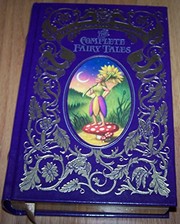
The Complete Fairy Tales
Mermaids, snow queens and tin soldiers in the full Andersen collection.
2,414-word summary · 11 min read

One Day in the Life of Ivan Denisovich
One freezing day with prisoner Shch-854 in a Soviet camp: roll call, bricklaying in the cold, bread rations, and small wins that let Shukhov call the day…
2,668-word summary · 12 min read
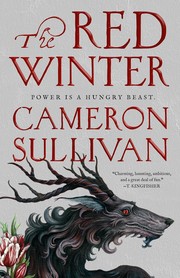
The Red Winter
In 1785 France, aging monster-slayer Sebastian Grave and his heart-eating demon return to hunt the Beast of Gevaudan as revolution brews.
2,578-word summary · 11 min read
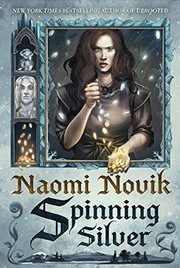
Spinning Silver
A moneylender's daughter says she can turn silver to gold, drawing a winter king, a plain duke's daughter, and a poor servant into one hard bargain.
2,813-word summary · 13 min read
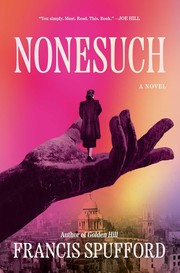
Nonesuch
A London secretary finds real angels and a fascist plot to erase Churchill in the Blitz.
2,197-word summary · 10 min read
Lady Tremaine
A widowed stepmother fights for her daughters when a royal ball hides a dark secret.
2,023-word summary · 9 min read

These Violent Delights
Ex lover gang heirs hunt a madness monster in 1927 Shanghai together.
2,122-word summary · 9 min read
The Diamond Eye
Soviet sniper Mila tours America while an enemy hunter tracks her.
2,048-word summary · 9 min read
City of Thieves
Two boys cross siege Leningrad to find eggs for a colonel's cake.
1,985-word summary · 9 min read

The Mists of Avalon
Morgaine tells Arthur story from Avalon side, where goddess worship fades before priests.
1,944-word summary · 9 min read
A Curse for True Love
Evangeline wakes married with no memory of Jacks while Apollo and Jacks hunt.
2,287-word summary · 10 min read
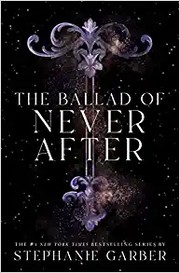
The Ballad of Never After
Evangeline hunts four missing Arch stones with Jacks to free a cursed Apollo and learns what his rescue will cost.
3,690-word summary · 16 min read
The Master and Margarita
Devil Woland visits 1930s Moscow while Master writes Pilate and Margarita bargains.
2,535-word summary · 11 min read
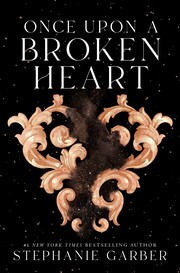
Once Upon a Broken Heart
Evangeline trades three kisses with the Prince of Hearts to stop a wedding and dooms herself instead.
2,839-word summary · 13 min read
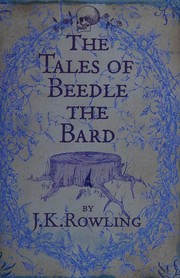
The Tales of Beedle the Bard
Five wizard fairy tales from Hermione book, with Dumbledore notes, including the Three Brothers and the Hallows.
2,663-word summary · 12 min read
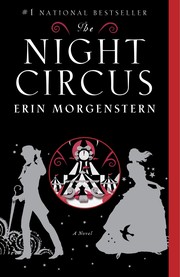
The Night Circus
Two young magicians duel inside a black-and-white circus that only opens at night, and fall in love against the rules.
2,660-word summary · 12 min read
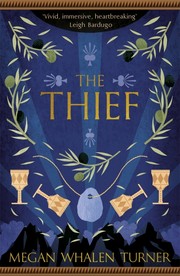
The Thief
A boastful young thief is pulled from a prison to steal a legendary stone for the king's magus, and the story he tells about himself is not the whole story.
2,514-word summary · 11 min read
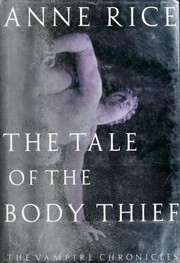
The Tale of the Body Thief
Lestat trades bodies with a psychic thief for one day of mortality and ends up trapped, sick, and hunting his own vampire body.
2,069-word summary · 9 min read
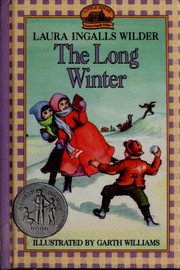
The Long Winter
Dakota Territory, 1880: seven months of blizzards cut a town off from the railroad, and a family survives on twisted hay, ground wheat, and a dangerous wheat…
2,210-word summary · 10 min read

The Blinding Knife
Kip trains to join the Blackguard while the Prism hides his true identity, loses his colors, and fights a war against a rogue drafter who wants to birth a god.
2,049-word summary · 9 min read

Six Scorched Roses
A dying scholar bargains with a reclusive vampire for blood, and six roses turn a transaction into a slow, dangerous romance.
2,663-word summary · 12 min read
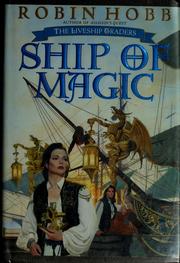
Ship of Magic
A sentient ship wakes when her captain dies, and the family that owns her starts to come apart over who gets to sail her.
2,026-word summary · 9 min read
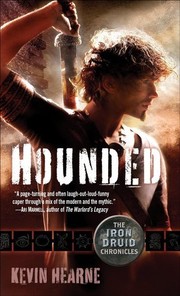
Hounded
A two-thousand-year-old druid runs a bookshop in Arizona, hides from an Irish god who wants his sword back, and talks to his dog.
2,159-word summary · 10 min read

Dawnshard
Rysn sails toward forbidden Akinah to save her dying larkin and finds a Dawnshard guarded by the Sleepless.
3,229-word summary · 14 min read

Bone, Vol. 1: Out from Boneville
Three cartoon cousins are run out of Boneville, separated by locusts, and dropped into a valley where rat creatures and an old grudge are waiting.
2,155-word summary · 10 min read