
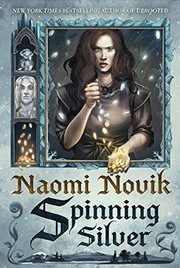
Spinning Silver
2,813-word summary 13 min read 480 pages in the book
- First published
- 2018
- Publisher
- Del Rey
- Pages
- 480
- ISBN
- 9780399180989
Reading options
What's inside (8 sections)
I came to this one because Uprooted had left me with a soft spot for Novik and a long winter was settling in here too. A friend said if you liked the cold woods in that book you would like the cold in this one even more, and she was right, though not in the way I expected. My copy is the Del Rey hardcover from 2018, 480 pages, the first US edition, and I read it slowly over about a week, a chunk before bed when the house was quiet. What surprised me was how little it felt like a single hero story. It felt more like sitting at a kitchen table while three different girls tell you what happened to them, interrupting each other, and the winter keeps pressing at the windows the whole time.
A house that will not ask for its money
Miryem Mandelstam lives with her parents in a small town in Lithvas, a made up country with thin soil and long snow. Her father is a moneylender, and her grandfather was a good one, careful with ledgers and firm about payment. Her father is not. He lends and then feels too bad to collect. He comes home empty handed while the soup gets thinner. Miryems mother grows tired and ill from worry and cold, and Miryem, still young, understands that kindness without collection will ruin them.
So Miryem starts going out herself. At first she is awkward about it. She knocks and asks and is sent away. Then she learns to stand still and wait. She learns to look at a full pantry and say that a debt is a debt. She learns to take security for loans, to write things down, to charge for late payment. People in town start to dislike her a little, which hurts, and her parents worry she is growing hard. She worries about that too. But the house warms up. There is meat again. Her mother can rest. She hires help when she can.
That help is Wanda. She is a peasant girl from nearby, quiet and strong, with a father who drinks and hits and younger brothers she tries to shield. Her family owes the Mandelstams money they cannot pay, so Wanda comes to work off the debt. At first Wanda hates Miryem on principle. Everyone has told her Jews cheat. What she finds instead is a house where she is fed properly, where work is fair, where no one raises a hand. Her brother Stepon comes too after things at home get worse. I found these early chapters the warmest in the book, because they are about bread and ledgers, not magic.
Miryem does get a reputation. She is good with money. She turns bad debts into paid debts. One night, pleased and tired, she says to her mother that she can turn silver into gold. She means it as a joke about interest. The trouble is that something is listening out in the cold.
Silver that should not be spent
The Staryk are the winter folk. They are tall and pale and cold to look at, with skin like frost and eyes that do not blink enough, and they come out of their own side of the world when winter deepens. They have always raided a little, taking grain or cattle or a traveler who stays out too late. Lately the winters have been lasting longer, seven years of bad ones, and people whisper that the Staryk are pushing, trying to make winter stay.
The king of the Staryk hears Miryems boast. I never quite pictured how, whether he was passing on the road or whether boasts carry in cold air, and the book does not stop to explain in a way that satisfied me. He simply comes. He leaves a pouch of strange silver and wants gold back. Then more. Three times in all. The silver is wrong to human eyes, too bright and too light, and it keeps its cold even by the fire.
Miryem knows she cannot make gold from air. What she can do is sell well. She takes the silver to a jeweler in the city of Vysnia and has it worked into pieces, a necklace and other ornaments, and sells them for good gold money. It is clever and very like her. She does not pray for magic. She finds a margin. After the second sale she even asks the Staryk king for payment for her work, which takes nerve, and he tells her that after the third delivery her reward will be marriage to him. She thinks he is mocking her. He is not.
The jewelry ends up bought by the duke of Vysnia for his daughter. That daughter is Irina, and her part of the story starts as a separate thread about fathers and marriage markets before it tangles with Miryems. I liked how Novik lets the silver move like money moves, from hand to hand, carrying trouble with it. A peasant girl earns it, a town girl spends it cleverly, a rich girl wears it without knowing what it is. By the time Irina puts that necklace on, all three of them are tied, though none of them knows it yet.
Miryem is Jewish and the book does not treat that as decoration. You see Sabbath candles and food rules and the sting of being needed for loans and disliked for collecting them. Traders try to cheat her father because he is soft and because he is a Jew. When Miryem gets hard, some of that hardness is armor. I have read a lot of fantasies where everyone is vaguely nothing, so this texture stood out to me.
The plain daughter and the cold husband
Irina is the dukes daughter in Vysnia, not pretty by the standards of her city, and she knows her father sees her as a problem to marry off. When the tsar of Lithvas needs a wife, the duke pushes hard. The tsar is young, called Mirnatius, and there are rumors. His first wife died. People at court look away when his name comes up. Irina, who is sharper than anyone gives her credit for, agrees to go because staying home as her fathers leftover daughter looks worse.
Her wedding night is where her story turns. Wearing the Staryk jewelry, Irina finds she can slip across, not in body exactly but in sight, into the Staryk side of the world while she sleeps or while she hides. From there she can watch the human world as if through ice. What she sees is that her new husband shares his body with a fire demon called Chernobog, a thing that drinks souls and hates daylight and can only come out at night. By day Mirnatius is a tired young man, polite and frightened. By night something else looks out of his eyes and hungers.
Irina does what I hope I would do. She does not scream and run, because there is nowhere to run. Each evening before dark she gets herself into the Staryk side, where the demon cannot easily reach, and waits out the night. She listens when Mirnatius, in his day self, tries to tell her how it happened. His mother, hungry to marry the old tsar, promised her future son to Chernobog in exchange for the match. Mirnatius never agreed. That detail changed how I felt about him. He is not a monster husband. He is a boy carrying a debt he did not sign.
Irinas chapters are quieter, full of court meals and cold corridors and trying to look like a proper tsarina while managing terror. She has no magic at first, only sense. She keeps her Staryk jewelry close because it is the one door she can open. I admired that Novik lets her be plain and still hold the page, not by giving her a sudden change but by letting her think clearly under pressure.
Wanda, meanwhile, holds the house together while Miryem is distracted. Her father gets worse. She brings her brother under Miryems roof too. It costs food they can barely spare. They do it anyway. Those pages got to me, not from speeches but from small acts. Someone saves an extra dumpling for a boy who flinches at loud voices. Someone teaches Wanda letters at night because no one ever bothered before.
Taken to the palace of ice
After the third delivery the Staryk king comes to collect Miryem herself. He does not ask. He takes her across to his palace, a place of ice and silver light where the air hurts to breathe at first and food has no taste and servants move without sound. He tells her she will be his queen. She tells him she will not. He does not seem to hear refusal as a category.
Here the book shifts. Miryem finds that when she touches Staryk silver while the king is near, it warms under her hands and becomes gold. She does not know why. The change hurts and leaves her colder each time, as if she is paying in her own heat. The king watches with approval and hunger. He still will not tell her his name, because among his kind a name gives power.
Life in the palace is lonely in a way I felt while reading. Miryem has fine clothes that do not keep her warm, attendants who stare. Some Staryk are cruel in a distant way. A few are kind. She learns who brings extra furs, who will answer a straight question, who fears the king. She also sees that the Staryk world is fraying. Ice that should hold cracks. Stores spoil. The king talks about making winter permanent over the human side, and Miryem begins to suspect he is wrong about the cause and therefore wrong about the cure.
She meets Irina there. Irina, hiding from night in the Staryk side, runs into Miryem, hiding from a husband in the same place. Two girls from different ranks sit down in enemy territory and compare notes about bad bargains. It could have felt staged. To me it felt like relief. Finally someone tells the truth without counting coins first.
They make a plan that is desperate and very much in character. If the Staryk king wants gold and permanence, and Chernobog wants souls and heat, perhaps the two hungers can be set against each other. It is the kind of idea you have at midnight when you are out of good options. Neither woman trusts the other fully yet. They agree because no one else will help them.
Before that Miryem needs to get back briefly. She cannot cross alone. So she bargains with the king. If she can change three great vaults of his silver into gold in three days, he will carry her to her cousins wedding in Vysnia and back. He agrees because he thinks she will fail. She succeeds, barely, with help from servants and from Wanda and Stepon. The work is physical, hauling and touching cold metal until fingers bleed. Gold piles up. Miryems skin grows paler. When the last vault turns, the king keeps his word, though he does not like it.
Trading a king for a demon
The wedding in Vysnia is where everything meets. Irina has made her own bargain with Chernobog. Bring him the Staryk king, she says, and he must never harm her or anyone she claims as hers. The demon agrees, thinking like a predator. A single winter king in exchange for leaving one girl alone sounds cheap. He does not understand Irina yet.
At the wedding Chernobog faces the Staryk king. With mortal help the demon binds the winter king and starts to drink his magic. The air changes. Snow softens, rivers crack. For a moment it looks like victory.
Miryem sees the cost faster than anyone. If Chernobog drains the king, the whole Staryk side may go with him, including the servants who helped her. She also learns, talking to her husband while he is bound, that the Staryk always raided but only started trying to bury Lithvas after Mirnatius took the throne. The demon has been poisoning the link between the two sides, weakening the Staryk lands and driving the king to desperate measures. The two husbands are not separate problems. They are one knotted debt.
What Miryem does next is my favorite decision because it is both moral and shrewd. She frees the king, after making him promise to end the killing winters and the raids. The king, humbled and still proud, agrees. Then Miryem and Irina turn on Chernobog together.
The trap uses what Miryem can do. She lures Chernobog into the kings treasury, where silver lies thick, and turns that silver to gold around him. Gold holds sunlight in this books logic, and the demon cannot bear it. He flees back to the human world and tries to turn on Irina. Here Irinas earlier wording saves them. As tsarina she claims all the people of Lithvas as hers, including the tsar himself. The demon cannot touch them. He is forced out of Mirnatius and dies, in a way that is more sad than grand. Mirnatius lives, emptied and shaking.
Spring comes for real. Not all at once. Snow melts into mud. Roads open. People plant late and hope.
Miryem has to stay in the Staryk side until the first snow, by the terms of her marriage, and those months are quieter than I expected. She helps with stores. She argues with the king and also sits with him while he eats, which sounds small and felt large to me. When she returns, she finds she misses that cold place and its people. The king asks permission to court her properly. She says yes. They marry two weeks later. In keeping with Jewish custom he signs his name on their marriage contract. In keeping with Staryk custom she never tells that name to anyone. A secret kept not from fear but from care felt like the right end for a girl who learned to collect without cruelty.
What creaks under the weight
I want to be honest about the parts where I fidgeted. The middle holds a lot of money business. Debts, interest, dowries, prices of jewelry, who owes whom for grain. I understand why it is there. This is a book about what people owe, and Novik wants you to feel how heavy a small loan can be when winter lasts too long. Still, there were evenings when I wanted less ledger and more Irina sneaking through ice. If you love ledger detail in fantasy you may not mind. I skimmed a few paragraphs about trade routes and came back for the people.
The telling also jumps. Miryem, Wanda, and Irina carry most of it, but other voices cut in, parents, Stepon, townspeople. Sometimes a minor voice gave me a jolt of village life I loved. Sometimes it broke tension right when the king was closing in. I think the book could have lost two or three side chapters and stood straighter.
Wanda worried me in a different way. Her growth from frightened servant to someone who reads and protects her brother is one of the best arcs here. Yet for long stretches she mostly serves Miryems story, bringing food, keeping house, waiting. Even so, I finished wanting one scene where Wanda wants something entirely for herself and says so out loud. Irina gets that scene. Miryem gets several. Wanda deserves one too.
The romances may test some readers. Miryems bond with the Staryk king grows from capture, which is a hard sell. Novik does better than most by letting Miryem keep anger for a long time and by making the king earn small trusts, keeping a promise, admitting he was wrong about winter. I came to believe in a wary partnership. Did I believe in love in two weeks of courting after all that ice? Not fully. If forced marriage plots trouble you, know this one sits with the trouble rather than waving it away, but it still ends in marriage.
What stays with me is the household feeling. The kitchen where Wanda learns to read. Irina counting her jewelry like coins to buy a night of safety. Miryem touching cold silver until her hands burn because people she loves will starve if she stops. Novik writes winter so you feel it in your teeth, and writes work so you respect it. If you want a fairy tale retelling where girls save each other with sense and stubbornness more than swords, where debts matter and promises cut, this 480 page Del Rey novel from 2018 is worth your cold evenings. I finished it, blew out the candle, and listened to the wind for a while.
FAQ
When was Spinning Silver published and how long is it?
Del Rey published the first US hardcover on July 10, 2018. It runs 480 pages and carries ISBN 9780399180989, which is the edition cited here.
Is Spinning Silver part of a series?
No. It is a standalone retelling of Rumpelstiltskin with new characters. It shares a cold fairy tale feeling with Uprooted but follows Miryem, Wanda, and Irina in Lithvas.
Why does turning silver to gold hurt the demon?
Staryk silver is cold fae metal that Miryem learns to change to gold by touch near their king. Gold holds sunlight in the story, so the treasury full of fresh gold drives the night demon Chernobog out.
Similar books
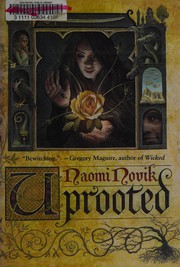
Uprooted
The Dragon takes messy Agnieszka instead of perfect Kasia to his tower, and she must learn wild magic to face the corrupt Wood.
2,338-word summary · 10 min read
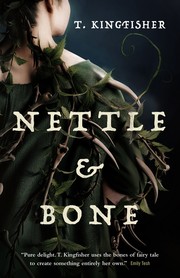
Nettle & Bone
Marra, a princess in a convent, leaves to save her abused sister, but first she must finish three impossible tasks: a bone dog, a nettle cloak, moonlight in a…
2,061-word summary · 9 min read
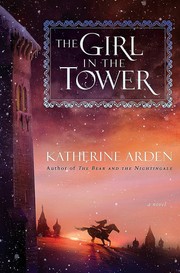
The Girl in the Tower
Vasya rides out disguised as a boy, rescues kidnapped girls, and rejoins her siblings in Moscow, where a hidden sorcerer and the Grand Prince's court close in.
2,801-word summary · 12 min read
The Stonekeeper
After their father's death, Emily and Navin chase a monster into a hidden world to save their mother, and Emily's great-grandfather's amulet offers power at a…
2,753-word summary · 12 min read
The Girl Who Drank the Moon
A witch who secretly rescues the town's sacrificed babies accidentally enmagicks one with moonlight, and the girl grows up with a power she cannot name.
2,078-word summary · 9 min read
The Rules of Magic
Franny, Jet, and Vincent Owens test strict family rules and a love curse in 1960s Manhattan and Massachusetts in Alice Hoffman's warm prequel about love, loss,…
2,686-word summary · 12 min read
Rise of the Evening Star
Kendra and Seth return to Fablehaven as the Society of the Evening Star closes in, with a traitor inside the house and a demon prison key at stake.
2,874-word summary · 13 min read

Fablehaven
Kendra and Seth spend the summer with their grandfather and learn his woods hide Fablehaven, a preserve for fairies, satyrs and darker things.
2,949-word summary · 13 min read

Stardust
Tristran Thorn climbs over the wall of Wall to fetch a fallen star and finds Yvaine, witches, and princes hunting her.
2,490-word summary · 11 min read
The Last Graduate
El must survive graduation when the school feeds seniors to monsters.
2,232-word summary · 10 min read
A Deadly Education
El can level mountains with a word, but surviving magic school takes allies, control, and a hard choice about power.
2,959-word summary · 13 min read

The Long Winter
Dakota Territory, 1880: seven months of blizzards cut a town off from the railroad, and a family survives on twisted hay, ground wheat, and a dangerous wheat…
2,210-word summary · 10 min read

The Blinding Knife
Kip trains to join the Blackguard while the Prism hides his true identity, loses his colors, and fights a war against a rogue drafter who wants to birth a god.
2,049-word summary · 9 min read
Strega Nona
A village witch doctor hires a boy who does not listen, and the pasta pot he was told not to touch floods Calabria with noodles he cannot stop.
2,587-word summary · 11 min read
Ship of Magic
A sentient ship wakes when her captain dies, and the family that owns her starts to come apart over who gets to sail her.
2,026-word summary · 9 min read

Inkdeath
The final Inkworld novel sends Mo into the land of the dead, leaves Meggie choosing between two boys, and ends the Adderhead's immortality with three written…
2,062-word summary · 9 min read
Hounded
A two-thousand-year-old druid runs a bookshop in Arizona, hides from an Irish god who wants his sword back, and talks to his dog.
2,159-word summary · 10 min read

Dawnshard
Rysn sails toward forbidden Akinah to save her dying larkin and finds a Dawnshard guarded by the Sleepless.
3,229-word summary · 14 min read
The Field Guide
Three siblings move into a creepy Maine estate, anger a brownie, and find a forbidden guide to the fairy world in the first Spiderwick book.
2,033-word summary · 9 min read

Magic Burns
A magic flare hits Atlanta, and mercenary Kate Daniels must recover stolen maps, find a missing witch, and keep a teenage girl alive while Celtic gods try to…
2,021-word summary · 9 min read
Year One
A plague released in Scotland kills most of humanity, and the survivors discover magic, build a town, and wait for a child who may save them.
2,029-word summary · 9 min read
The Once and Future Witches
Three estranged sisters bring witchcraft back to an 1893 city where magic hides in nursery rhymes and the fight for the vote is also a fight for power.
2,132-word summary · 9 min read
Secrets of the Dragon Sanctuary
Kendra is replaced by a plant copy and held by the Society, while Seth steals a unicorn horn so the family can enter a dragon sanctuary.
2,590-word summary · 12 min read
Lioness Rampant
Alanna searches for the Dominion Jewel with the Shang Dragon, then returns to Tortall to face Duke Roger at Jonathan's coronation.
2,478-word summary · 11 min read

Blood Bonds
Oleander is chained in a Resistance camp, and her five Bonds have to find her before Silas Davies finishes what he started in this third Bonds that Tie book.
2,018-word summary · 9 min read
Witches Abroad
Three Lancre witches fly to Genua to stop a fairy godmother from forcing a servant girl into a storybook marriage, and find a city arranged around a happy…
2,651-word summary · 12 min read
The Time Paradox
When his mother falls ill with a fairy disease, Artemis Fowl travels back in time to find the extinct lemur that can cure her and confronts his younger self.
2,601-word summary · 12 min read

The Siren
Saved from a shipwreck in 1930, Kahlen becomes a siren who sings men to their deaths for the Ocean, until a boy in a college library makes her want a life she…
2,369-word summary · 11 min read
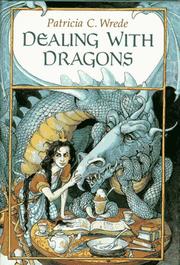
Dealing with Dragons
A princess who hates embroidery runs away to become the cook and librarian for a dragon, then has to outthink wizards, knights, and a plot against the dragon…
2,563-word summary · 11 min read

Cruel Beauty
A girl raised to kill the demon prince who rules her cursed land instead falls in love with him, in a retelling that mixes Beauty and the Beast with Bluebeard…
2,669-word summary · 12 min read