
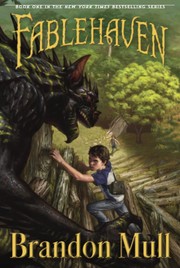
Fablehaven
2,949-word summary 13 min read 368 pages in the book
- First published
- 2006
- Publisher
- Shadow Mountain
- Pages
- 368
- ISBN
- 9781590385814
- Series
- Fablehaven (#1)
Reading options
What's inside (8 sections)
I picked up Fablehaven because a friend with two kids kept saying it was the book that got them to turn off the television without a fight. That sounded like parent talk for boring but wholesome, so I waited. Then on a rainy weekend with nothing else in the house I started it and got pulled in faster than I expected. Not because the sentences are fancy. They are plain and quick. It was the setup. Two kids left with grandparents they barely know, a big old house with too many rules, and woods you are told not to enter for reasons that keep shifting.
The book came out in 2006 from Shadow Mountain, the hardcover runs 368 pages, and it is the first of five in the Fablehaven series. Brandon Mull wrote it in about five months after years of trying to get published, and Brandon Dorman did the cover and the interior drawings. It became a New York Times bestseller and later grew into Dragonwatch and guidebooks and all that. But this first one is small on purpose. One summer. One preserve. One family figuring out what they are guarding.
Stuck with Grandpa Stan
Kendra and Seth Sorenson get dropped at their grandparents in Connecticut for a few weeks while their parents go on a cruise. Kendra is the older one, careful at school, the sort who reads directions. Seth is younger, restless, the sort who hears do not touch and immediately wants to touch. Their grandma Ruth is gone when they arrive. Grandpa Stan says she is off visiting a relative. The house is big and a little strange. There is a huge yard with amazing gardens, butterflies everywhere, hummingbirds that seem too many and too bright. There is a hired man named Dale who helps around the place and a housekeeper named Lena who cooks and keeps to herself.
Stan lays down rules right away. Stay out of the woods. There are ticks that carry disease. Do not drink the milk straight from the cow. Do not go into the barn at certain times. Bed at a reasonable hour. The kids nod and then do what kids do. Seth especially. He slips into the woods almost immediately and finds a crooked shack with an old woman inside who talks sweet and tries to get him to come closer. He runs. When he tells Kendra, she does not quite believe him, then she half believes him, then she agrees to go back with him to look. Stan catches them. He is angry in a tired way, not a shouting way, and he tells them a cover story about keeping rare and dangerous animals back there. He cuts their punishment short when they seem sorry, which later feels important. He wants to trust them. He just cannot tell them the full truth yet.
What I liked here is how normal the boredom feels. Mull gets the texture of being left somewhere with no friends and spotty entertainment. Seth bugs his sister. Kendra rereads things. They explore the house. They find odd locks and odd noises. Seth finds a jar of salt and gets told to carry it for protection, which sounds like a joke until it is not. The pacing is steady without rushing to magic. You can feel Stan watching them and deciding how much to say.
A small complaint early on, and it stays through the book. Seth disobeys constantly, and disobedience powers a lot of the plot. He is told not to go somewhere, he goes, trouble follows. Kirkus called that out back in 2006 and they were not wrong. It works because Seth is eleven or so in spirit if not in exact years and curiosity is his whole character, but after the third or fourth time you start to predict the shape. Kendra tells him no, he does it anyway, Kendra has to help clean it up. If you have a kid like Seth you might laugh. If you do not, you might want to shake him.
Drink the milk
The turn comes through a puzzle Stan leaves for Kendra. He knows she likes codes and riddles. She follows clues around the house and yard to a little volume called the Journal of Secrets. A lot of the pages look blank. The instructions tell her to drink the milk. Not store milk. Fresh milk, straight from the cow on the property, unpasteurized and warm.
Dale has warned them not to do that. So Kendra does the older sister thing and talks Seth into tasting it first. He drinks and starts laughing at the garden. Where there were butterflies and hummingbirds, he now sees tiny women with wings, arguing and preening and glowing. Fairies. Kendra drinks too and sees them as well. The yard changes in front of her. The flowers are still flowers, but the air is crowded.
Stan has to explain after that. His land is called Fablehaven. It is one of several hidden preserves around the world where magical creatures were gathered centuries ago to keep them from dying out in a world that stopped believing. The milk comes from cows that graze on special pastures, and for a day or so after you drink it you can see what is really there. Without it, your eyes slide right past. The butterflies were fairies all along. The hummingbirds too. Some of the garden pests are imps. The woods hold worse.
This is the part of the book that really lands. Mull has a simple system and he sticks to it. Sight has to be earned. The fairies are not sweet cartoon helpers. They are vain and petty and easy to offend, and they love shiny things and attention. They will help you if you amuse them and ignore you if you bore them. The satyrs Newel and Doren hang around the yard, lazy and funny, always trying to get batteries for a television they have stashed in the woods so they can watch football. Hugo, the big golem who does heavy work for Stan, only follows orders and has a kind of gentle stiffness that makes you fond of him. Lena, it turns out, was once something else entirely, which explains why she seems sad when she looks at the pond.
I also appreciated that Kendra does not become brave all at once. She is scared of the old woman in the shack, who Stan names as Muriel Taggert, a witch tied by knots and spells to that little house so she cannot roam. Kendra believes rules matter, so learning that the rules are physical things, knots and boundaries and milk, suits her. Seth, by contrast, loves that the world is bigger than adults said. He wants to meet everything. That difference drives the whole summer.
Midsummer Eve
Stan tells them the big date to fear. Midsummer Eve. One night a year when the protections on a preserve like Fablehaven go slack. The creatures can roam. The house itself stays safe, but only if no one invites trouble in. No open doors. No open windows. Stay in bed till morning no matter what you hear.
He puts Kendra and Seth in the attic that night with strict orders. It goes wrong in a way that is painful to read because you see it coming. Creatures gather outside and call up. Goblins at the window whine and plead and make promises. Seth, who cannot stand not knowing, cracks the window to look. That is enough. Once an opening is given, the protection fails. Things get in. The house is trashed in a night of chaos that Mull writes well, fast and loud and confusing. Dale is found turned to stone. Stan and Lena are gone, taken. In the morning the house is quiet in a way that feels much worse than noise.
I thought this sequence was the strongest writing in the book. Mull does not make the monsters abstract. Goblins shove and grab. Something heavy moves downstairs. The kids hide under blankets and hear glass break and furniture drag. When it is over, Seth knows it is his fault and Kendra knows it too, and neither of them says the cruelest version out loud. That guilt sits over the next third of the story and makes both of them act older.
What drags a little is how quickly Stan is removed. You spend a hundred pages learning to like this firm, decent grandfather who speaks carefully and keeps a thousand details in his head, and then he is gone and the kids are on their own. It is necessary for the story, or there would be no story, but I missed his steady presence. Ruth is still missing. Dale cannot help. Lena is gone. That leaves two kids, a housekeeper sized hole, and a lot of locked doors they now have to open themselves.
A chicken, a troll and a chapel
With the adults gone, Kendra and Seth start solving. Their best clue comes from the yard. Someone has been writing messages in chicken feed. It takes them longer than it should to realize the clever little hen that follows them around is paying attention on purpose. It is Ruth. She has been changed into a chicken and cannot speak, only peck out letters.
They carry Ruth, still a hen, through the woods to Muriel, because only a witch can undo that kind of change. Muriel agrees to help but names a price. To free Ruth, they have to loosen the knots that bind Muriel herself to her shack. Kendra does not want to. Seth thinks they have no choice. They do it, Ruth comes back as a tired grandmother in a nightgown who immediately takes charge, and Muriel walks free for the first time in a long while. You feel the mistake right away. The air in the woods feels different after. Ruth knows it too. She does not scold them much. She just starts planning.
Ruth sends them to Nero, a cliff troll who lives high on a rock and trades in information. He is huge and warty and loves comfort more than anything. Kendra and Seth, coached by Ruth, offer him what he actually wants, a long massage with lotions, and in return he tells them where Stan is being kept. The Forgotten Chapel. It sounds abandoned and sad. It is worse than that. It is a prison for something old and huge.
Here Mull explains the deeper lock on Fablehaven. The preserve is not only a shelter. It is also a cage. At its heart, under layers of spells, sleeps Bahumat, a demon with real power to break things. Muriel has been working toward freeing him, with help from others outside who want preserves opened. The Society of the Evening Star gets named as that larger group, though this book only shows the edge of it. If Bahumat rises on ground already weakened after Midsummer, he can shatter the boundaries for good.
Some readers will find this middle stretch slow. There is a lot of walking, a lot of explanation, a lot of being told where to go next. I did not mind it as much because the details stayed concrete. The way to approach Nero. The way Ruth handles Muriel. The way Seth keeps picking up a wooden sword he found and practicing when no one is looking. But fair warning, if you want fights every chapter, this part is talk and travel and dread building.
The Fairy Queen
Kendra and Seth and Ruth try to stop Muriel at the chapel and fail. Muriel has already gathered helpers, including corrupted fairies called imps who used to be fairies and chose something darker. Stan is captive. Ruth and Seth are caught. Only Kendra gets away, mostly because she runs when running is smart and because Muriel underestimates the quiet sister.
Kendra does the one thing everyone told her never to do. She goes alone to the shrine of the Fairy Queen, in the middle of a pond on the preserve, and begs for help. The shrine is simple and frightening. Offerings rot there. No one who asks selfishly leaves well. Kendra has nothing to trade except honesty. She says she needs help to save her family and the preserve, not to get power or to punish anyone. The Queen spares her, which is presented as rare, and gives her a recipe instead of an army. Make an elixir that will make fairies large and strong for a short time. Gather the ingredients, speak thanks, do not waste it.
The gathering sequence gave me a lot of pleasure because it uses earlier throwaway details. Things Kendra noticed in the garden, things Lena once said about the pond, things Stan wrote in the Journal. She brews the elixir with shaking hands and carries it to the fairy mound. The fairies drink. They grow to human size and larger, bright and furious, and they hit Bahumat like a storm. Mull describes wings and light and weight, with real force behind the glow. Hugo fights too, steady and huge, following Kendra's orders because someone has to tell him what to do. The corrupted imps are burned back to what they were or scattered. Bahumat is forced down and bound again. Muriel is bound with him.
Afterward the fairies, spent and small again, give their leftover strength to Kendra as thanks. The gift leaves her able to see magical creatures without milk. She just sees. At the end, when their parents drive up to collect them for the school year, Kendra looks at an ordinary seeming lawn and knows how crowded it is. It is a good closing image because it changes rereads. You start thinking about what else she will notice at home.
I should note the religious tint people mention. Mull is a believing person and some reviewers have read the Fairy Queen as a kind of divine figure and the milk and knots as almost sacramental. Orson Scott Card defended the book on that front years ago, and Stacy Whitman wrote that it walks close to letting message outweigh story. I did not feel preached at. The Queen feels more like folklore than church, strict and strange and bound by her own laws. But if you are sensitive to that, you will notice moments where goodness is bright and obedience is rewarded. Your mileage may vary.
What holds up and what does not
For a debut written quickly, the creature logic holds up well across rereads. I kept testing it. Why do the fairies act that way. Why does milk work that way. Why would a preserve need both a housekeeper and a golem. Mull usually has an answer that fits what came before. The satyrs wanting a TV sounds silly until you realize it tells you everything about them. They are not wise forest guardians. They are teenage minded layabouts who like snacks and games. Hugo needing exact commands pays off in the final fight in a way that feels earned rather than lucky.
The sibling writing is also better than I remembered. Kendra and Seth are types at first, careful girl and wild boy, and Common Sense Media was not wrong to call them a little stereotyped. But Mull lets them rub each other into more interesting shapes. Kendra learns to act without permission. Seth learns that curiosity has a bill and someone has to pay it. The scene where Seth practices with his sword alone, embarrassed to be seen trying, tells you more than three chapters of bickering. The scene where Kendra chooses to go to the shrine alone, knowing it might kill her, works because she has been afraid the whole book and goes anyway.
Complaints, stated plainly. The prose is serviceable rather than beautiful. Dialogue can be stiff when adults explain. Stan sometimes talks like a manual. Ruth sometimes talks like a plan. Muriel gets a few speeches that sound like a villain explaining herself for the reader. The larger villains beyond Muriel are thin here. The Society of the Evening Star is mostly a name to scare you into book two. If you need every thread tied, you will be annoyed. Book one closes the Bahumat danger but leaves the bigger war open.
Who is it for. It is middle grade, sold for ages 8 to 13 and grades 3 to 8, Lexile around 700, and that feels right. Strong readers at seven might manage with help, though Midsummer Eve is genuinely scary and Dale as stone is upsetting. Teens who grew up on Harry Potter or Percy Jackson will find it lighter and faster, less interested in school life and more interested in woods lore. Adults reading aloud will enjoy the fairy politics more than the kids do. I would hand it to a child who likes animals and secrets and does not mind being told no means no for a reason.
If you read it, pay attention to seeing. Mull keeps asking who gets to see and what seeing costs. Milk is temporary and shared. Kendra's final gift is permanent and lonely. Seth still needs help to see. That gap matters. It suggests the next books will test whether Kendra uses her sight to protect or to control. The second book is called Rise of the Evening Star, and the title alone tells you the Society will step closer. I finished wanting to know how Stan rebuilds trust after his grandson opened the window, which is probably the most adult question in a book full of fairies, and the reason I kept turning pages past midnight.
FAQ
What age is Fablehaven for?
Fablehaven is middle grade, usually sold for ages 8 to 13 and grades 3 to 8, with a Lexile around 700. Midsummer Eve is scary, so younger readers may want help.
Is Fablehaven the first book in a series?
Yes. Fablehaven is book 1 of the five book Fablehaven series published from 2006 to 2010, followed by Rise of the Evening Star. A sequel series, Dragonwatch, continues the story.
Why do Kendra and Seth drink milk in Fablehaven?
Milk from the cows at Fablehaven lets them see fairies and other creatures for a time. Later Kendra gains the sight without milk after helping the Fairy Queen.
Similar books
More from Fablehaven first, then related titles.
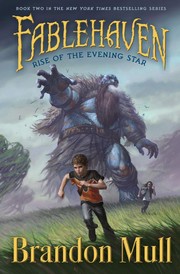
Rise of the Evening Star
Kendra and Seth return to Fablehaven as the Society of the Evening Star closes in, with a traitor inside the house and a demon prison key at stake.
2,874-word summary · 13 min read

Grip of the Shadow Plague
A plague turns Fablehaven's creatures of light into shadows while Kendra hunts an artifact in Arizona and Seth races to find the cause.
2,131-word summary · 9 min read

Secrets of the Dragon Sanctuary
Kendra is replaced by a plant copy and held by the Society, while Seth steals a unicorn horn so the family can enter a dragon sanctuary.
2,590-word summary · 12 min read
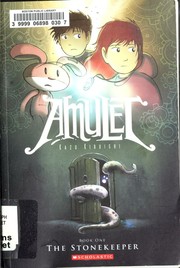
The Stonekeeper
After their father's death, Emily and Navin chase a monster into a hidden world to save their mother, and Emily's great-grandfather's amulet offers power at a…
2,753-word summary · 12 min read

The Field Guide
Three siblings move into a creepy Maine estate, anger a brownie, and find a forbidden guide to the fairy world in the first Spiderwick book.
2,033-word summary · 9 min read
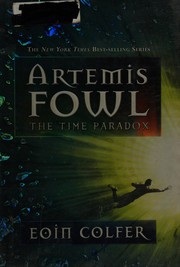
The Time Paradox
When his mother falls ill with a fairy disease, Artemis Fowl travels back in time to find the extinct lemur that can cure her and confronts his younger self.
2,601-word summary · 12 min read
The Girl Who Drank the Moon
A witch who secretly rescues the town's sacrificed babies accidentally enmagicks one with moonlight, and the girl grows up with a power she cannot name.
2,078-word summary · 9 min read
The Indian in the Cupboard
Omri learns a key turns plastic Little Bear into a live Iroquois man.
2,228-word summary · 10 min read
Magyk
A baby found in snow, a lost seventh son, and a run for the Marram Marshes as Marcia Overstrand shields two children from DomDaniel.
2,604-word summary · 12 min read

The Blinding Knife
Kip trains to join the Blackguard while the Prism hides his true identity, loses his colors, and fights a war against a rogue drafter who wants to birth a god.
2,049-word summary · 9 min read
Ship of Magic
A sentient ship wakes when her captain dies, and the family that owns her starts to come apart over who gets to sail her.
2,026-word summary · 9 min read

Inkdeath
The final Inkworld novel sends Mo into the land of the dead, leaves Meggie choosing between two boys, and ends the Adderhead's immortality with three written…
2,062-word summary · 9 min read
Dawnshard
Rysn sails toward forbidden Akinah to save her dying larkin and finds a Dawnshard guarded by the Sleepless.
3,229-word summary · 14 min read

Bone, Vol. 1: Out from Boneville
Three cartoon cousins are run out of Boneville, separated by locusts, and dropped into a valley where rat creatures and an old grudge are waiting.
2,155-word summary · 10 min read

The Icebound Land
Captured and enslaved in Skandia, Will fights a drug that erases him while Halt and Horace cut a bloody road through Gallica to bring him home.
2,088-word summary · 9 min read

Lioness Rampant
Alanna searches for the Dominion Jewel with the Shang Dragon, then returns to Tortall to face Duke Roger at Jonathan's coronation.
2,478-word summary · 11 min read
Witches Abroad
Three Lancre witches fly to Genua to stop a fairy godmother from forcing a servant girl into a storybook marriage, and find a city arranged around a happy…
2,651-word summary · 12 min read

The Golem's Eye
Two years after The Amulet of Samarkand, Nathaniel is a rising bureaucrat, Bartimaeus is his unwilling servant again, and something made of clay is tearing…
2,299-word summary · 10 min read

Magician's Gambit
Garion and his companions cross haunted Maragor and the caves beneath Rak Cthol to recover the Orb of Aldur.
2,391-word summary · 11 min read

Homeland
Drizzt Do'Urden is born into the cruel drow city of Menzoberranzan, where his father teaches him to fight and to doubt everything his family believes.
2,303-word summary · 10 min read
Enchanters' End Game
Garion marches toward Torak while Ce'Nedra leads the West's army in the final Belgariad volume, where prophecy and war meet.
2,557-word summary · 11 min read
The Chalice of the Gods
Percy needs three recommendation letters from three gods to apply to college, so his first quest is recovering a stolen chalice from the god of old age.
2,106-word summary · 9 min read
Nettle & Bone
Marra, a princess in a convent, leaves to save her abused sister, but first she must finish three impossible tasks: a bone dog, a nettle cloak, moonlight in a…
2,061-word summary · 9 min read

The Rose & the Dagger
Shahrzad is pulled from her Caliph husband and left in a desert camp of rebels, needing to break his curse and end a war before it ends her.
2,520-word summary · 11 min read

The Queen of the Tearling
Nineteen-year-old Kelsea leaves the woods to take her throne, ends a shipment of human captives, and draws the Red Queen's revenge.
2,357-word summary · 10 min read
Fool's Errand
FitzChivalry Farseer has lived in exile for fifteen years. When Prince Dutiful vanishes before his betrothal, Fitz returns to Buckkeep to find him, with a wolf…
2,606-word summary · 12 min read

We Hunt the Flame
In a fractured Arabia-inspired world, a disguised huntress and a prince-assassin race to find a magic-restoring book and confront an ancient evil.
2,195-word summary · 10 min read
The Sword of Shannara
A young half-Elf and a company of companions set out to recover a magic sword before the Warlock Lord destroys the Four Lands.
2,474-word summary · 11 min read
The Magician
Sophie and Josh flee to Paris with Nicholas Flamel, where John Dee, Machiavelli, and an awakened god close in on the missing pages of the Codex.
2,162-word summary · 10 min read
The Borrowers
A family of tiny people live under the floorboards of an English house, borrowing what they need until a lonely boy and a suspicious housekeeper change…
2,164-word summary · 10 min read