

South of the Border, West of the Sun
2,844-word summary 13 min read 224 pages in the book
- First published
- 1992
- Publisher
- Vintage
- Pages
- 224
- ISBN
- 9780679767398
- Original title
- Kokkyō no minami, taiyō no nishi
Reading options
What's inside (8 sections)
I picked up South of the Border, West of the Sun because a friend said it was the Murakami to read when Norwegian Wood felt too heavy and Kafka on the Shore felt too strange. Haruki Murakami published it in Japan in 1992 with Kodansha as Kokkyo no minami, taiyo no nishi, translated by Philip Gabriel and published in English in 1999 by Alfred A. Knopf. My reading follows the 224 page Vintage paperback. It is short for him, quiet for him, and mostly about one man looking back at the girls and women who shaped him.
The man is Hajime, which means beginning in Japanese. He tells his own story from childhood to his late thirties. He was born on January 4, 1951, an only child in a middle class suburb at a time when almost every family had two or three kids. He hated the phrase only child. Teachers and neighbors treated it as a diagnosis. Spoiled, weak, self centered. He says those judgments hurt because part of him feared they were true. He had friends, but no close ones. He felt separate in a way he could not explain to his parents.
Then in fifth grade a girl transfers into his class. Shimamoto. She is also an only child. She had polio as a baby and drags her left leg a little. She lives in a bigger Western style house behind a stone wall and a hedge. She gets good grades. She smiles when things go wrong, which makes some classmates keep their distance. Hajime sits next to her because he lives closest and the teacher asks him to help her catch up.
What follows is my favorite part of the book, and the most tender Murakami has written about childhood.
They spend afternoons at her house listening to records on her father's stereo. Nat King Cole singing South of the Border. Liszt. Classical pieces Hajime does not yet have words for. They talk about what they will do when they grow up, about whether parents of only children get along, about how many kids they might have. They hold hands once, for maybe ten seconds, while she leads him somewhere. He remembers the warmth of her palm for years. It is chaste and charged at the same time, the way first closeness can be at twelve.
They drift apart in junior high when they go to different schools. No big fight. Just distance, new routines, embarrassment about calling. Hajime stops visiting. Shimamoto fades into memory. He will spend the next twenty five years measuring other people against her without quite admitting it.
The teenage wound he never fixes
High school gives Hajime a second chance to love someone well, and he fails it.
He dates Izumi for more than a year. She is kind, steady, trusting. He thinks of her as his. Then he meets her cousin, feels a sudden physical pull, and starts sleeping with the cousin in secret for a couple of weeks. He lies to Izumi. He tells himself it is only the body, that it means nothing, while knowing it means a lot to Izumi. When it comes out, Izumi is broken in a way that lasts.
This section is uncomfortable on purpose. Hajime is not cruel in the loud way. He is careless and hungry and young, and he does not understand responsibility until after he has caused harm.
Years later he runs into Izumi and sees what that harm cost. She looks older than she should. She is polite and distant. The cousin is gone from the story. What stays is Hajime's guilt. He does not excuse himself. He says plainly that he hurt a delicate person who trusted him. That honesty makes him easier to follow, even when you want to shake him.
I appreciated that Murakami lets this episode sit without a clean lesson. Hajime does not get forgiven. He does not get punished in a plot sense either. He just carries it. That carrying becomes part of why the later affair with Shimamoto feels so freighted. He knows what betrayal does. He does it anyway.
College and his twenties continue the drift. He moves to Tokyo, joins student protests halfheartedly, works dull jobs, dates without settling. He becomes a textbook editor. He lives alone, cooks simple food, listens to jazz, swims a little. Time passes. He describes those years in a flat tone, as if he were watching himself from across the street. Men in their twenties who read this now might recognize that state. Busy enough, lonely enough, waiting for life to start.
A good marriage and two bars
At around thirty Hajime marries Yukiko. She is warm, practical, a few years older, from a wealthy family. Her father likes Hajime and offers money to start a business. Hajime takes it, though he once thought he opposed that whole world of capital and property. He opens a jazz bar in a fashionable part of Tokyo. It does well. He opens a second one. He invests as his father in law suggests. He and Yukiko have two daughters. They live comfortably. He drives a nice car. He chooses records for the bars. He talks to customers.
On paper it is a good life. Murakami writes the daily texture well. Morning kitchen noise. School bags by the door. The smell of coffee. The low light of the bar at opening time. Ice in a glass. A bass line through good speakers. Hajime swims, works, comes home, plays with the kids.
And still something itches.
He loves Yukiko in a grateful way. He respects her. He is a present father. But he feels he arrived at happiness sideways, through luck and someone else's money, not through anything he earned or chose from the gut. He wonders if a different life was waiting south of some border he never crossed. That image will return.
This is where the novel is most honest about middle age. Not crisis as sports car and shouting. More like a quiet sense of incompleteness while washing dishes. You have what you said you wanted. You check the rooms of your house and find one locked room you never opened.
Yukiko senses some of this but does not press. She has her own dreams she set aside, which we learn only near the end. For most of the book she stays in soft focus. That is a flaw and a choice. A flaw because she deserves more page time earlier. A choice because Hajime himself keeps her in soft focus while he stares at the past.
Shimamoto walks back in
One rainy afternoon Shimamoto appears at his bar.
She is beautiful now, poised, well dressed. The limp is gone or corrected, he cannot tell and does not ask. She gives almost no facts about herself. No address. No phone number she will share at first. She says she comes and goes. She asks about his life and listens closely. She remembers small things from childhood, like the records, like the talk about only children.
They start meeting.
Sometimes she calls and asks him to meet at a hotel bar or for a drive along the river. Sometimes she cancels. She always seems a little sad underneath the polish. She tells him she lost a baby girl who died soon after birth the previous winter. She never got to name her. Hajime goes with her to scatter the ashes in a river. It is one of the few concrete sorrows she names. The rest stays foggy. A husband mentioned and then not mentioned. Work mentioned and then waved away. Money that seems plentiful without source.
Hajime falls hard. He rearranges his days around her calls. He lies to Yukiko about late work. He drinks less with friends. He plays Nat King Cole in the bar and thinks of being twelve.
Murakami captures obsession from the inside without making it glamorous. Hajime checks the phone. He replays conversations. He imagines Shimamoto's rooms. He wants to protect her and to possess her and to be forgiven by her for growing up apart. He knows he is risking his marriage and his daughters' steady home. Knowledge does not stop him. Wanting has its own logic.
There is a scene where they drive out of Tokyo to his small country house. Snow, or near snow. They cook together. They listen to music. They finally sleep together. For Hajime it feels like closing a circle that opened in childhood. For Shimamoto it feels like farewell. In the morning she is gone. No note that explains. The bedding is neat. Her bag is gone.
He waits. She does not call.
South of the border, west of the sun
The title comes from two images Shimamoto gives him.
South of the border comes from the Nat King Cole song they loved as kids. For them it meant Mexico, warmth, escape, a place where something wonderful waits. West of the sun comes from a story she tells about Siberia. Imagine a farmer alone on the tundra, she says. Same fields every day, same sun rising east and setting west. Year after year. Then something inside dies, something to the west of the sun. A kind of hysteria from sameness and vastness. People just start walking west, away from the light, and do not stop.
She says she sometimes feels that pull. Not sadness exactly. More like emptiness with direction.
It is the clearest window into her. She is not playing hard to get. She is describing depression and dissociation as best she can, through image rather than diagnosis. Hajime hears the poetry and misses the warning. He thinks love can answer it. Readers will see sooner than he does that it cannot.
After she vanishes, Hajime spirals. He closes himself off at work. He drinks. He drives aimlessly. He thinks she planned to take him somewhere and never bring him back, that their night together was meant to end with both of them dead, and that she changed her mind alone in the morning. He has no proof. It is fear and guilt talking. Murakami leaves it open whether Shimamoto was in danger from others, from illness, from her own mind, or whether she simply chose to leave to stop ruining him.
I found this stretch both moving and irritating, which seems intended. Moving because grief without facts is real grief. You cannot argue with absence. Irritating because Hajime becomes very inward. Pages of rumination. Phone staring. Bar sitting. Less action, more circling. If you like plot, you will want to push him. If you have ever waited for a call that never came, you will recognize the rhythm.
One detail helps ground it. Izumi returns briefly in memory and in person, a reminder of what happens when Hajime follows hunger and calls it fate. Yukiko watches him go thin and quiet and does not pretend she does not know. The house gets colder without anyone raising voices. That quiet is worse than shouting, and Murakami writes it with care.
What holds and what wears thin
What holds first is the writing about ordinary life. Meals, baths, commutes, bar routines, kids' homework. Gabriel's translation keeps sentences clean and plain. No showy metaphors. A glass wiped. A record flipped. Rain on a windshield. Then a strange ache slips in, like light under a door. That mix is why people stay with Murakami. The world is recognizable, then slightly tilted.
What holds second is the structure as a life retold in order. Childhood closeness, teenage failure, aimless twenties, competent thirties, return of the past, consequence. You can trace how early loneliness becomes adult hunger. Hajime never learned to be alone without feeling lacking, so he fills lack with women, then with work, then with Shimamoto again. The pattern is clear without being labeled.
What holds third is the refusal to explain Shimamoto fully. Is she real in the same way others are. Is she ill. Is she in trouble. Did she ever have the baby. The book gives enough to grieve and not enough to solve. Some readers will hate that. I thought it fit a story about idealization. We never know the idealized person. We know our image of them.
Now the criticisms, because they matter for whether you should spend an evening here.
Hajime can be hard to like for long stretches. He is passive when he should act and decisive when he should pause. He takes father in law money while scorning dependence. He judges himself but repeats himself. Yukiko's late speech names this directly. She calls him self centered, says he looks only at his own lack and misses what others carry. She is right, and the novel knows she is right. Still, spending 200 pages inside that head can tire you if you prefer warmer narrators.
Shimamoto stays thin as a character by design, but thin is still thin. We get mood, beauty, sorrow, mystery, and little else. No work life you can picture. No friends. No daily habits. That serves the theme of projection. Hajime loves an image. It also means the central romance rests on childhood pages and a few adult meetings. If you need to believe in the couple to care, you may not.
The middle sags a little. Bar success montages, investment talk, driving scenes. All realistic, all a touch repetitive. And Murakami's gaze on women will bother some readers. Izumi suffers to teach Hajime. Yukiko waits to forgive Hajime. Shimamoto vanishes to free Hajime. Their pain is real on the page, but the camera stays with him.
None of that ruined the book for me. It kept it from being a favorite. At 224 pages it does not overstay. It reads in two or three sittings. The final forty pages lift it. Confrontation, confession, and a tentative return.
The end comes home. Hajime tells Yukiko some truth about where he went and who he was with. She does not explode. She asks for time, then speaks plainly about feeling older, about fearing he does not love her, about her own buried hopes. She says she wants to try again if he does. He says he does not know if he will hurt her again, because something in him always wants something else. She hears him. They agree to start fresh without pretending the past did not happen. Last image is Hajime sitting at the kitchen table thinking, feeling a hand on his shoulder. Wife or child, Murakami does not specify, and does not need to. Someone is still reaching for him.
Who should read it, and how
Give this to readers who like quiet literary fiction about marriage and memory, to Murakami readers who want the short bridge between Norwegian Wood and the wilder books, to anyone in their thirties or forties wondering about first loves. It suits late night reading with music low. Nat King Cole helps. So does a little rain.
Do not give it to readers who need mysteries solved or affairs punished or rewarded. No detective arrives. No letter explains Shimamoto. No court judges Hajime. The book is interested in what remains after intensity passes. A kitchen. Kids asleep. A wife who chooses to stay and names the cost.
If you are new to Murakami, this is a gentle entry. No talking cats, no wells, no parallel worlds stated outright. Just one possible ghost and a lot of human weakness. If you know his work, you will hear echoes. Only children like Toru's loneliness in Norwegian Wood. Disappearance like Sumire in Sputnik Sweetheart. Wells and other sides kept offstage. Here those habits serve a domestic story, which makes them easier to accept.
A practical note for reading. Pay attention to food and music. When Hajime cooks or chooses a record, he is telling truth he cannot speak. When Shimamoto goes quiet about facts but vivid about images, believe the images. South of warmth and west of light. One is a dream of escape. The other is a pull toward blankness. Hajime must learn to live east of both, in the present sun, with the family eating breakfast around him.
I closed the Vintage paperback thinking less about great love than about maintenance. Love as dishes and school runs and bar floors mopped. Shimamoto offered a story with no dishes. Yukiko offered dishes with a story still possible. Hajime almost chose the story without dishes. His choice to stay, if he can hold it, is not romantic in the movie sense. It is adult in the better sense. Show up. Tell truth sooner. Stop measuring the living against the remembered.
That hand on the shoulder at the end stayed with me longer than the disappearance. After all the driving and waiting and self pity, someone touches him without words. He does not earn it by insight. He receives it because he is still there at the table. Sometimes that is the whole moral. Stay at the table.
FAQ
When was South of the Border, West of the Sun published?
Kodansha published Kokkyo no minami, taiyo no nishi in Japan in 1992, translated by Philip Gabriel and published by Alfred A. Knopf in 1999. The Vintage paperback runs 224 pages and the ISBN is 9780679767398.
Who are the main characters?
Hajime, the narrator and bar owner, Shimamoto, his childhood sweetheart, Yukiko, his wife, and Izumi, the girlfriend he hurt as a teenager.
Is it part of a series?
No, it stands alone. It shares themes with Norwegian Wood and Sputnik Sweetheart but has no sequel or series order.
Similar books
Dance Dance Dance
A divorced Tokyo writer returns to a Sapporo hotel that has been rebuilt, then follows a woman who may be a ghost and a teenage girl through a mystery about…
2,407-word summary · 11 min read

Sputnik Sweetheart
K loves Sumire, Sumire loves Miu, and then Sumire vanishes from a Greek island into Murakami's quiet other side.
2,055-word summary · 9 min read
Norwegian Wood
Toru recalls 1969 Tokyo, torn between fragile Naoko and lively Midori after a friend's suicide.
2,051-word summary · 9 min read

On Chesil Beach
Two newlyweds spend one terrible night on Chesil Beach in 1962, and the rest of their lives is decided by it.
2,456-word summary · 11 min read
The Memory Police
On an unnamed island, ordinary things keep vanishing from memory, and a novelist hides her editor from the police who make sure the vanished stay forgotten.
2,440-word summary · 11 min read

Lady Chatterley's Lover
A baronet's wife, starved in a marriage the war broke, takes the gamekeeper as her lover. Lawrence's banned 1928 novel of class and touch.
2,566-word summary · 11 min read

Commonwealth
An uninvited kiss at a christening breaks two marriages, and six stepsiblings share wild summers until loss and a novel pull them apart.
2,348-word summary · 10 min read

The Notebook
The Notebook retold: Noah reads to Allie in a nursing home, summer love in New Bern, letters and choice.
1,957-word summary · 9 min read
Men Without Women
Seven stories about men living after women leave, die, or stay distant.
2,673-word summary · 12 min read

A Wild Sheep Chase
An ad man chases a starred sheep to Hokkaido for a dying Boss while Rat hides with the Sheep Man.
2,579-word summary · 11 min read
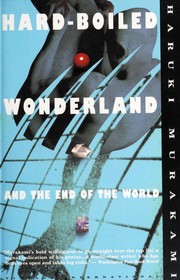
Hard-Boiled Wonderland and the End of the World
A Tokyo encoder who rents out his subconscious and a newcomer in a walled Town turn out to share one fate about memory.
2,406-word summary · 11 min read

After Dark
On one night in Tokyo, student Mari reads in a diner and talks with Takahashi while her sister Eri sleeps, as a love hotel incident and night workers cross…
2,986-word summary · 13 min read
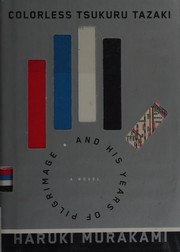
Colorless Tsukuru Tazaki and His Years of Pilgrimage
At thirty six, Tsukuru revisits four old friends to learn why they cut him off at twenty.
2,765-word summary · 12 min read
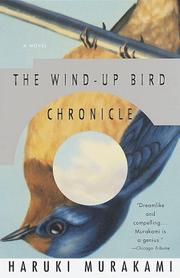
The Wind-Up Bird Chronicle
An unemployed Tokyo man hunts a lost cat, then his missing wife, and slips from quiet suburbs into wells and wartime memory.
3,344-word summary · 15 min read
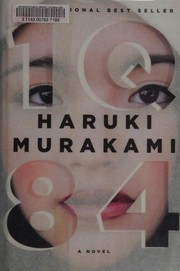
1Q84
Aomame slips into a Tokyo with two moons while Tengo rewrites a strange girl's novel, and their childhood bond pulls tight.
3,056-word summary · 14 min read

Kafka on the Shore
Fifteen year old Kafka Tamura flees Tokyo while old Nakata, who talks to cats, drifts toward the same library town in Shikoku in parallel.
2,496-word summary · 11 min read

Revolutionary Road
A Connecticut couple who believe they are too good for the suburbs plan to move to Paris, and the plan slowly exposes everything they cannot say to each other.
2,085-word summary · 9 min read

Lisey's Story
Two years after her novelist husband dies, Lisey Landon follows a trail of clues into his childhood and the other world that made him a writer.
1,998-word summary · 9 min read

Alone With You in the Ether
Two people in Chicago agree to six conversations, and the experiment becomes a love affair that is also a study of bipolar disorder, obsession, and the shape…
2,713-word summary · 12 min read

Howards End
Forster's 1910 novel follows two families, a house in Hertfordshire, and a burned note, asking whether money and feeling can ever be connected.
2,187-word summary · 10 min read

Devil in Winter
A shy heiress with a stammer proposes a marriage of convenience to London's most notorious rake, then makes him prove he can be faithful.
2,548-word summary · 11 min read

Two by Two
Sparks's twentieth novel turns from first love to a marriage breaking up: Russell Green loses his wife and his job, then rebuilds his life around his…
2,192-word summary · 10 min read

Ivanhoe
A disinherited Saxon knight, a great tournament, a besieged castle and a trial by combat. Scott's most famous novel, set in England in 1194.
2,834-word summary · 13 min read
Euphoria
Three anthropologists in 1930s New Guinea turn fieldwork into a love triangle, and a real history breathes behind them.
2,048-word summary · 9 min read

Eligible
Austen's Bennet sisters move to modern Cincinnati, where marriage is a reality show and the house is losing its value.
2,293-word summary · 10 min read

Big Swiss
A transcriptionist for a sex coach falls for one of his clients, the tall Swiss gynecologist she calls Big Swiss, in a funny novel about work and secrets.
2,523-word summary · 11 min read

At First Sight
Jeremy and Lexie are married and expecting a baby when anonymous emails tell him the child may not be his.
2,317-word summary · 10 min read

A Spool of Blue Thread
Four generations of the Whitshank family in Baltimore, and the silences, resentments and quiet love they hand down without ever saying so.
2,408-word summary · 11 min read

2 States: The Story of My Marriage
A Punjabi boy from Delhi and a Tamil Brahmin girl from Chennai meet at IIM Ahmedabad, and turn a love marriage into a campaign to convince two families.
2,634-word summary · 12 min read

This Is How You Lose Her
Yunior cycles through love affairs and betrayals in nine linked stories, tracing the damage he does and the family history behind it.
2,195-word summary · 10 min read