
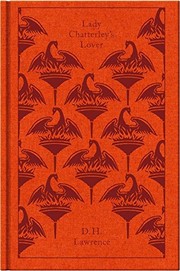
Lady Chatterley's Lover
2,566-word summary 11 min read 400 pages in the book
- First published
- 1928
- Publisher
- Tipografia Giuntina
- Pages
- 400
- ISBN
- 9780141192482
Reading options
What's inside (8 sections)
I came to Lady Chatterley's Lover sideways, through the court case rather than the novel. Everyone knows the punchline of the 1960 trial, the prosecutor asking the jury whether this was a book you would wish your wife or servants to read. That question annoyed me enough to finally read the thing itself. Lawrence first published the novel privately in 1928 in Florence with Tipografia Giuntina, after no commercial publisher would touch it uncut. The edition I read runs 400 pages in the Penguin clothbound printing, ISBN 9780141192482, and it took me a week of slow evenings. What I found was stranger and sadder than the reputation suggests. Less a dirty book, more a furious one. A war damaged marriage, a cold big house, a gamekeeper who speaks dialect, and page after page of Lawrence arguing that industrial England had killed tenderness and sex might bring it back.
Constance Chatterley is the center, and the book opens by explaining how she got trapped. Connie Reid and her sister Hilda grew up free, daughters of a well known Scottish artist, Sir Malcolm Reid, girls who talked about love and politics and took lovers in their teens without much shame. Connie marries Clifford Chatterley in the last rush before the First World War, half in love and half in rebellion. Then the war breaks Clifford. He comes home paralyzed from the waist down, bound to a wheelchair, unable to father children or make love to his wife. They settle at Wragby Hall, the Chatterley seat in the Midlands, among woods and coal pits. Clifford throws himself into writing stories and hosting clever friends. Connie tends him, smiles, withers. By the time the novel proper starts she is twenty seven and feels sixty inside, keeping house for a man who needs her constantly and wants her never.
Wragby and the wound that will not close
Wragby Hall is drawn as a beautiful prison. Old oak woods, a park, rhododendrons, and beyond the trees the Tevershall pits thumping day and night, coal smoke hanging over everything. Lawrence keeps cutting between the green wood and the black industry, and the contrast does the moral work of the book without speeches. Clifford loves the wood as property and the pits as income. He rides out in a motorized wheelchair that keeps breaking down in the mud, a machine that fails in nature, and Connie has to push or fetch help. Those scenes humiliated me on Clifford's behalf even as I disliked him. He refuses to leave Wragby, refuses London doctors who suggest little, refuses to admit the marriage is a shell. Instead he builds a life of the mind and invites Connie to live in it with him.
Clifford himself is the book's great difficult creation. A baronet, a moderately successful writer of clever stories, full of opinions about the working class and the future of England. He talks brilliantly and listens badly. He needs Connie as nurse, secretary, audience, and proof that he is still a man, all while being unable to touch her. The cruelty is rarely deliberate, which makes it worse. He suggests, with a kind of lordly generosity, that if Connie wants a child she might take a lover of suitable class and pass the child off as his heir. He means it as fairness. Connie hears what it is, permission that keeps her a possession. I went back and forth on Clifford for the whole book. Lawrence gives him real intelligence and real suffering, then shows how both curdle into control. He is not a villain. He is a man the war ended, still talking.
Mrs. Bolton, the nurse who comes to care for Clifford, completes the household trap. She is a Tevershall widow, warm, competent, full of village talk, and she slowly takes over Connie's place at Clifford's side. She feeds him, flatters his writing, gossips with him about the miners. Connie watches herself become unnecessary and feels relief tangled with shame. Mrs. Bolton is one of Lawrence's best minor portraits, kind and sharp and entirely on Clifford's side in the end. Her chatter about the village fills pages that some readers will skim. I mostly loved it. It gives the house a pulse and shows exactly what Connie is starving in the middle of, human warmth that flows everywhere except toward her.
Clifford's circle and Connie's slow starvation
Clifford's friends visit to talk, and Lawrence uses them as a gallery of modern cleverness. Tommy Dukes, an army officer turned ponderous joker. Charles May and Hammond, writers and critics. They smoke, drink, and hold forth about love, sex, the body, the future, while Connie pours tea and goes unheard. The talk is brilliant and dead, sentences about passion spoken by men afraid of it. Dukes at least knows the talk is hollow and says so, in long speeches that read like Lawrence venting through a mask. I found these chapters heavy going in places. Whole evenings pass in dialogue about the mind versus the body, and Lawrence stacks the deck so the intellectuals always sound like windbags. But the point lands. Connie sits among men describing life and feels her own life leaking away. She starts walking the woods alone for hours. She stops eating properly. Her sister Hilda notices and frets.
The body rebels before the mind decides. Connie feels cold to the bone, restless, angry without an object. She cries over nothing. She cannot read. Lawrence writes this female depression with attention that surprised me, given his reputation for preaching at women rather than listening. The famous early image, Connie's womb feeling like a stone, her whole frame tense with unused life, works because it is physical before it is symbolic. She is twenty seven and her marriage is a sickroom. Her husband's generosity about a lover only proves he sees her as breeding stock for Wragby. Something has to break. Hilda, visiting, sees it plainly and says the marriage is killing her sister. Hilda is brisk, modern, protective, and her interventions later in the book, the Venice trip, the doctor, the demands, drive the plot as much as any passion does.
Michaelis and the London experiment
Before the gamekeeper there is Michaelis, and this middle episode matters more than summaries suggest. Michaelis is a successful Irish playwright, a London celebrity, clever and hungry, briefly part of Clifford's circle. Connie goes to London, stays with friends, and takes Michaelis as a lover in a matter of weeks. It is her attempt at a clean modern arrangement, sex without entanglement, and it fails in ways that set up everything after. Michaelis wants her but resents needing her. In bed he performs and watches himself perform. Afterwards he talks. Connie feels handled rather than met, and returns to Wragby emptier than she left. I found these scenes painfully well observed. Lawrence, so often accused of crude worship of virility, writes a bad lover with precision. The failure is not technique but attention. Michaelis cannot stop being an audience to himself.
The London chapters also show Connie learning what she actually wants, which is not excitement but tenderness without fear. She tells Hilda almost nothing and Hilda understands anyway. Back at Wragby, Mrs. Bolton has settled deeper into Clifford's rooms, and Connie's uselessness is now complete. She resumes the wood walks. And in the wood there is the gamekeeper's hut, and the gamekeeper raising pheasant chicks, and a different kind of attention waiting. Lawrence times the pivot beautifully. The failed affair closes like a door. The wood opens like another. I read the Michaelis section twice because the first time I rushed it to get to the famous part, and the book punished me for that. The famous part only means something if you have felt the London emptiness first.
Mellors and the wood
Oliver Mellors enters obliquely, as gamekeepers do, seen at distance before he is heard. He is a working class man, a former officer's servant and blacksmith's son, educated above his station by the army and by reading, now living alone in a hut in the woods. His wife Bertha Coutts, coarse and cruel in his telling, has left him and refuses a divorce out of spite. He speaks broad Derbyshire when he chooses and clean English when he chooses, and the switching is deliberate armor. Connie first meets him properly when she walks out to the hut and finds him washing, stripped to the waist, with a kind of solitary grace, and something in her loosens. The chicks are the bridge. Downy pheasant chicks under a hen, Mellors' big hands gentle among them, Connie's tears falling without her permission. Sentimental on paper. On the page it moved me, because Lawrence has earned it with a hundred pages of frost.
What follows is the most argued over courtship in English fiction, and I want to describe it plainly. Mellors resists first. He has been burned by his marriage and by village women, and he reads Connie as a lady slumming. She keeps coming to the hut. He speaks to her in dialect to keep distance, and the dialect becomes intimacy instead. Their first times together are awkward and partial, and Lawrence writes that honestly. Mellors holds back. Connie weeps. Then comes the rain scene people quote without having read, Connie running in the wet, the two of them dancing and warming each other, sex that finally joins attention to appetite. And later the night in the hut, the long talk, the famous private language, his John Thomas and her Lady Jane, pet names for their bodies that strip away class and shame together. I will not pretend every line sings. Some of it made me laugh when I should have been moved. But the arc is real. Two guarded people learn to be naked without armor, and Lawrence insists that is a moral achievement, not just a pleasure.
The class crossing is the point Lawrence will not let go. Mellors is the keeper, Connie the lady, and every meeting risks exposure, dismissal, scandal. Mrs. Bolton's village telegraph misses nothing. Clifford's chair tracks the grounds. Mellors knows that loving Connie can cost him his living, and Connie knows it can cost her everything Wragby means. Lawrence stacks the physical joy against the social wall on purpose. When Mellors writes later that the money and the position are nothing beside the touch of a living woman, it reads as conviction rather than slogan because we have watched him weigh the cost. I believed them as a couple by the middle of the wood chapters. That surprised me. I had expected symbols. I got two prickly, funny, damaged people who make each other kinder.
Venice, a child, and the fight to separate
Pregnancy forces the crisis. Connie, sent to Venice with Hilda partly to cover a possible child and partly to breathe, realizes she is carrying Mellors' baby. Hilda, who has guessed the truth and met Mellors with open dislike turning to respect, becomes Connie's general. A doctor confirms things. Plans get made. Connie will ask Clifford for a divorce, Mellors will seek his from Bertha, and the child will be born free of Wragby. Back in England the confrontations play out with Lawrence at full boil. Clifford refuses, rages, plays the wronged husband while Mrs. Bolton feeds his fury. Bertha Coutts surfaces to spread filth about Mellors and block the divorce out of malice. The village turns its face. Mellors loses his job and takes farm labor, living thin and alone. Connie waits in Scotland with her sister, writing letters, growing big with the child, kept from her lover by law and money.
These late chapters trade the wood's glow for paperwork and spite, and some readers flag here. I did not. The shift is the argument. Passion is easy in a hut. The world makes you pay at the registry office. Clifford's scenes with Connie are the hardest in the book for me, harder than any bedroom page. He begs, threatens, invokes the child as his heir, calls her love for Mellors a sickness. Mrs. Bolton hovers, indispensable and poisonous. You can see the whole weight of property, name, and class pressing on two people who only asked to live together. Mellors' letters from the farm are the counterweight, plain, tired, funny, full of pig feed and wages and longing. He refuses hatred and refuses surrender in the same breath. The novel's last movement is his long final letter, looking out at England's winter and insisting that tenderness will outlast the mills and the money. It ends suspended, no divorce yet, no house, only a promise to meet and hold on. I closed the book aching for them the way you ache for friends in trouble.
Why it was banned and whether it holds up
The publishing history is part of the book now and worth knowing. Lawrence, dying of tuberculosis, could get no commercial edition past the censors. He had the novel printed privately in Florence in 1928, about a thousand copies for subscribers, with help from his friend Pino Orioli, then a Paris edition in 1929. An authorized English edition waited until 1932, and the full uncut text stayed underground through the thirties and forties. Grove Press brought it out openly in America in 1959. Penguin Books published it in Britain in 1960 and was prosecuted for obscenity at the Old Bailey. The jury acquitted after the defense called writers and teachers to praise its seriousness. Penguin sold 200,000 copies on the first day. Those facts matter because they explain the book's double reputation, literary landmark and dirty classic at once. People bought it to blush and stayed, sometimes, to think.
So does it hold up. Yes, with bruises. The four letter words that shocked 1960 barely register now, and some of Lawrence's gospel about blood wisdom and the evils of the mind reads as crank philosophy when he pushes it hard. Clifford's intellectual friends are straw men. Hilda's money solves problems Lawrence pretends only love can solve. Mrs. Bolton's dialect scenes run long. And a modern reader will flinch at moments where Lawrence's idea of a woman fulfilled looks like submission dressed as worship, Connie melting into Mellors' will. I flinched too, more than once. The book's sexual politics are tangled, radical about female pleasure for 1928 and still bossy about what that pleasure should mean.
But the core survives all of that. The marriage portrait is merciless and fair. The class writing has teeth. The wood chapters remain the most physically alive nature writing I know in a novel, rain and chicks and flowers rendered without prettiness. Mellors is a genuine creation, not a fantasy, proud, hurt, literate, speaking two languages because England gave him two mouths. Connie's hunger and courage carry the whole structure. And the final letter earns its hope. I finished this 1928 novel, banned and tried and sold by the truckload, thinking less about the trial than about a woman pushing a broken wheelchair out of the mud while the man in it explained the future of England. That image is the book. Everything clever leaves. What stays is touch. If you read it, read it slowly, skip nothing in Venice, and argue with Lawrence as you go. He can take it. He wrote the book to be argued with.
FAQ
When was Lady Chatterley's Lover published?
Lawrence had it printed privately in Florence in 1928 by Tipografia Giuntina. The open UK edition came from Penguin in 1960 after the obscenity trial.
Why was Lady Chatterley's Lover banned?
Its frank sexual language and cross class adultery plot broke the obscenity law of the time. Grove won in America in 1959 and Penguin was acquitted at the Old Bailey in 1960.
How does Lady Chatterley's Lover end?
Connie is pregnant and waiting in Scotland while Mellors labors on a farm. His closing letter holds onto hope of divorces and a life together.
Similar books
Revolutionary Road
A Connecticut couple who believe they are too good for the suburbs plan to move to Paris, and the plan slowly exposes everything they cannot say to each other.
2,085-word summary · 9 min read

Howards End
Forster's 1910 novel follows two families, a house in Hertfordshire, and a burned note, asking whether money and feeling can ever be connected.
2,187-word summary · 10 min read
On Chesil Beach
Two newlyweds spend one terrible night on Chesil Beach in 1962, and the rest of their lives is decided by it.
2,456-word summary · 11 min read

Ivanhoe
A disinherited Saxon knight, a great tournament, a besieged castle and a trial by combat. Scott's most famous novel, set in England in 1194.
2,834-word summary · 13 min read
The House of Mirth
Lily Bart, beautiful and penniless at twenty-nine, navigates New York's marriage market until a Dorset yacht scandal strips her of the only currency she has.
2,468-word summary · 11 min read
I Capture the Castle
Cassandra journals six months of love and money trouble in a castle.
2,402-word summary · 11 min read
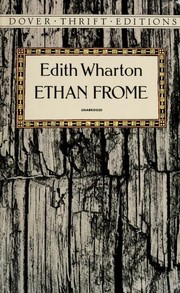
Ethan Frome
In snowy Starkfield, farmer Ethan Frome falls for his wife's young cousin Mattie, and one sled ride ends any hope of escape.
2,558-word summary · 11 min read
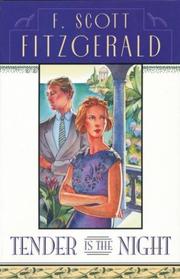
Tender Is the Night
Dick Diver marries his patient Nicole, and their Riviera marriage slowly breaks apart in Fitzgerald's 1934 novel of money, care, and drinking.
2,607-word summary · 12 min read
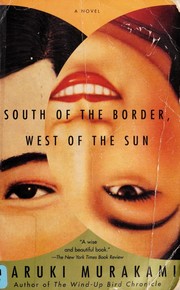
South of the Border, West of the Sun
A married Tokyo bar owner reunites with his lost childhood sweetheart and must choose between steady family life and a haunting first love.
2,844-word summary · 13 min read
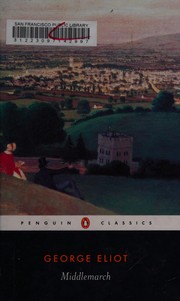
Middlemarch
Idealistic Dorothea marries dry scholar Casaubon while ambitious doctor Lydgate marries Rosamond, and a Midlands town watches both marriages strain.
2,883-word summary · 13 min read
Stoner
William Stoner trades farm life for literature, then endures a cold marriage and petty campus wars in John Williams's quiet classic.
2,282-word summary · 10 min read
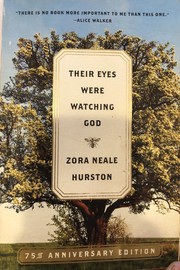
Their Eyes Were Watching God
Janie Crawford tells Pheoby about Eatonville life with Logan Killicks, Joe Starks called Jody, and Tea Cake.
2,230-word summary · 10 min read
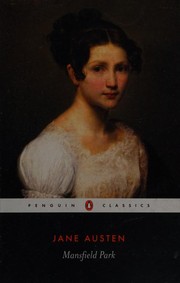
Mansfield Park
Fanny Price loves Edmund amid Crawfords theatricals at Mansfield.
2,389-word summary · 11 min read
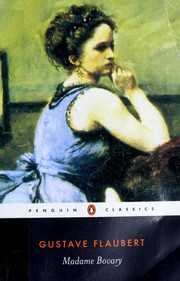
Madame Bovary
Emma Rouault marries Charles Bovary for romance, then seeks lovers and luxury until debts ruin them both.
2,400-word summary · 11 min read
The Sun Also Rises
Jake Barnes drifts through Paris bars and Pamplona bullfights with Brett Ashley and a wounded generation.
3,187-word summary · 14 min read
Love in the Time of Cholera
Florentino waits fifty years for Fermina: youth letters, a marriage to Urbino, hundreds of affairs, and a river trip where old love gets a last hearing.
2,204-word summary · 10 min read
Fifty Shades Freed
Married Ana and Christian face Hyde, Elena and a pregnancy neither planned.
3,213-word summary · 14 min read
Wuthering Heights
Emily Bronte's Wuthering Heights retold: Heathcliff and Cathy on the moors, two houses, two generations.
2,056-word summary · 9 min read

The Crying of Lot 49
A California woman named executor of her ex-lover's estate follows a muted post horn into a possible centuries-old postal conspiracy, and Pynchon refuses to…
2,003-word summary · 9 min read
Silas Marner
A falsely accused weaver hoards gold in Raveloe until a stolen hoard and an abandoned child remake his narrow life.
2,699-word summary · 12 min read
Lisey's Story
Two years after her novelist husband dies, Lisey Landon follows a trail of clues into his childhood and the other world that made him a writer.
1,998-word summary · 9 min read

Her Soul to Take
A paranormal vlogger in a cult-run town summons a bound demon, and the only way to survive the god beneath the mine is to give him her soul.
2,089-word summary · 9 min read
Alone With You in the Ether
Two people in Chicago agree to six conversations, and the experiment becomes a love affair that is also a study of bipolar disorder, obsession, and the shape…
2,713-word summary · 12 min read

Sophie's Choice
A young Southern writer in 1947 Brooklyn befriends a brilliant, unstable couple and slowly learns the story of the Polish Catholic woman at the center of their…
2,798-word summary · 12 min read

Fathers and Sons
Arkady brings the nihilist Bazarov home to his father's estate, and a generational argument turns into love, a duel, and an early death.
2,192-word summary · 10 min read
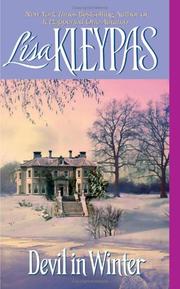
Devil in Winter
A shy heiress with a stammer proposes a marriage of convenience to London's most notorious rake, then makes him prove he can be faithful.
2,548-word summary · 11 min read
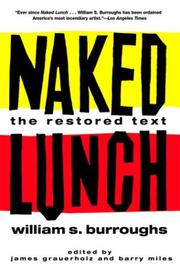
Naked Lunch
Burroughs's banned 1959 collage novel follows Bill Lee through addiction, Tangier, and the nightmare bureaucracy of the Interzone.
2,082-word summary · 9 min read
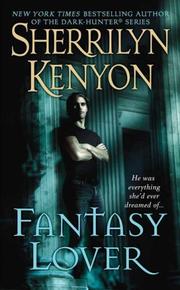
Fantasy Lover
A New Orleans sex therapist summons a cursed Spartan general from an ancient book and gets one month to break his spell.
2,315-word summary · 10 min read
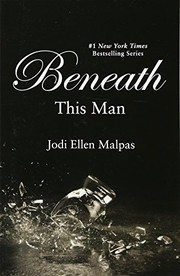
Beneath This Man
Ava returns to Jesse after five days apart and finds his drinking, jealousy, and a hidden deception that changes what she can forgive.
2,341-word summary · 10 min read

Two by Two
Sparks's twentieth novel turns from first love to a marriage breaking up: Russell Green loses his wife and his job, then rebuilds his life around his…
2,192-word summary · 10 min read