
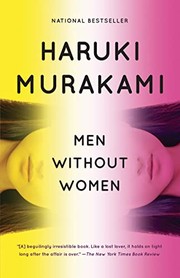
Men Without Women
2,673-word summary 12 min read 240 pages in the book
- First published
- 2014
- Publisher
- Anchor Canada
- Pages
- 240
- ISBN
- 9780385689465
- Original title
- 女のいない男たち
Reading options
What's inside (6 sections)
I read Men Without Women over a week, one story a night, because Murakami's quiet sadness needs space. First published in 2014 in Japanese by Bungeishunju at 288 pages, in English in 2017, the edition I cite is 240 pages. Original title 女のいない男たち, Onna no inai otokotachi. Seven stories about men living after women leave, die, or stay distant. Drive My Car, Yesterday, An Independent Organ, Scheherazade, Kino, Samsa in Love, Men Without Women. Translators Philip Gabriel and Ted Goossen keep prose clear and strange. I found it lonely, beautiful, and frustrating about women as mysteries, which is both point and problem.
Drive My Car opens with Kafuku, veteran actor widowed, hiring young driver Misaki Watari after losing license to glaucoma and drink. He tells her about his late wife's affairs while she drives Tokyo routes. He befriended her lover Takatsuki to harm him, then sympathized instead over months of bars. He never learned why she cheated, calling it blind spot. Misaki suggests affairs had nothing to do with love, which was reason enough. He sleeps as she drives. That ending, quiet acceptance without answers, sets collection tone. Men do not solve women. They drive with them awhile and wonder. The story later became an Oscar winning film, expanded with Scheherazade and Kino elements. On page it is leaner, sadder, about acting and masking. Kafuku acts for a living and cannot act his way to knowing wife. Driving with a silent young woman teaches listening more than lines. I loved the car as confessional. Motion allows truth that rooms block.
Yesterday follows Tanimura remembering early twenties working with friend Kitaru, who speaks Kansai dialect in Tokyo, avoids studying, seems asexual with girlfriend Erika. Kitaru asks Tanimura to date Erika, who admits seeing another man while holding Kitaru special. Tanimura omits details reporting back. Kitaru quits, contact lost. Sixteen years later Tanimura married meets Erika single at wine tasting. Kitaru is sushi chef in Denver, single. Did she sleep with the man. Yes, but nothing came, still thinks of Kitaru. Title from Beatles Yesterday and Kitaru's playful mistranslation into Kansai. Story aches about roads not taken and dialects as identities. Kitaru performs outsider status to avoid trying. Erika loves and leaves. Tanimura watches, complicit by silence. No one is villain. All are young and scared to want plainly. That ordinariness hurts more than betrayal. I recognized friends in each. The one who jokes to avoid exams. The girlfriend who strays while loving. The friend who carries messages and edits. Youth as mistranslation we later try to correct too late.
Organs, nurses, bars
An Independent Organ follows Tanimura playing squash with Dr. Tokai, fifty two, bachelor cosmetic surgeon who never loved seriously till falling for a married mother at thirty six. He asks advice, mentions Auschwitz doctor who lost all but life, feels rage first time. Then vanishes from gym. Assistant Goto tells Tanimura Tokai died by slow anorexia after woman left him and husband for a third lover. He gave up on life lovesick. Title from Tokai's observation that women have an independent organ to lie clearly. That line troubles now. Misogynist or heartbroken generalization. Probably both. Story explores male fragility when control fails. Doctor who fixed faces cannot fix abandonment. He starves rather than live with need. Tanimura receives his racket and instruction not to forget. Remembering is duty. I felt sad and angry. Sad for Tokai. Angry at idea women are organs apart. Murakami lets Tanimura retell without fully challenging. That distance is style and flaw. Men recount, do not confront. Women remain explained, not heard. Keep that in mind through collection. Lens is male, limited, aware of limits sometimes, blind others.
Scheherazade follows Habara, confined to apartment, reliant on a nurse he dubs Scheherazade for provisions and sex after sessions. Married with kids, she visits to have sex then tells stories. She says she was a lamprey in past life. Over encounters she tells of high school love where she broke into a boy's house with hidden key, trading a tampon for pencil, hair for badge, stealing a shirt. On fourth break in locks changed. She forgot boy till nursing school saw him through mother. She promises to tell circumstances next visit. Habara fears she will never return. Story fascinates and disturbs. Nurse uses sex for access and stories as payment? Consent seems clear between adults, but power imbalance of caregiver and confined man blurs. Her tales of teenage breaking mirror adult boundary crossing. Who invades whom. Murakami does not judge. He records lonely rituals. Sex and stories as survival in closed rooms. I found it erotic and melancholic, with lamprey past adding surreal ache. Past lives explain present hungers poorly, which is honest. We invent reasons to keep touching.
Kino follows a man who opens a bar after wife's affair with coworker. With aunt's help, he makes a soothing place. A cat stays, then mysterious Kamita frequents to read. Two customers cause ruckus, Kamita handles outside, says they will not return. A scarred woman frequents, they have sex all night after she shows cigarette burns. After divorce finalized, wife apologizes emptily. Cat disappears, snakes appear. Aunt suggests omen. Kamita advises closing to soul search. Kino trips, sees happy mundane workers, wonders about apathy, hears knocking and accepts living long in apathy. Bar as self fails. He must leave to feel. Story is quietest and most Murakami. Jazz, cats, snakes, mysterious helpers, sex with wounded strangers, travel as reset that may not reset. Kino's apathy after betrayal felt true. Not rage, but flatness. How to care after trust breaks. No answer, just trip and knocking. I sat with that flatness days. It names a stage after divorce many hide. Not sad, not angry, just muted. Naming helps.
Samsa and title story
Samsa in Love inverts Kafka. He wakes as Gregor Samsa, human, in unfamiliar house. Hungry, naked, confused by words. He eats, finds gown, opens door to hunchbacked locksmith apprentice girl here to fix lock. He does not understand brassiere, erection, other common terms. She is offended then softens when he admits confusion. She will return with lock. He asks to talk. She walks through military occupied Prague. Story charms with language learning as love. Samsa discovers world through girl's body and words. It reverses Metamorphosis to ask what human means when you forget. Hunger, kindness, desire without names. Girl's humpback marks her as outsider too. Two misfits meet briefly. Will she return. Maybe. Hope in small exchange. After heavy stories, this lightness breathes. It also shows Murakami at playful best. Kafka homage without heavy thesis. Just a morning of not knowing and asking. I smiled through, which collection rarely allows. Keep it.
Men Without Women closes with unnamed narrator called at night that former lover M committed suicide. Husband calls. Narrator anguished. He imagines meeting M at fourteen, sharing eraser she breaks, chasing her as she runs with sailors. In reality knew her two years adult, meeting few times monthly. She loves elevator music, plays A Summer Place during sex. He now considers himself second loneliest after husband, in state called Men Without Women, sudden intense misery after learning of beloved woman's death. Story defines title. Not men who never had women, but men bereft after having and losing. Loneliness as afterimage. Narrator does not grow. He names state and sits in it. That sitting is collection in miniature. No fix, just naming. Some will find that insufficient. I found it honest after six stories of similar. Not all losses resolve. Some become conditions to carry.
What shines is prose and mood. Translators keep sentences clean, musical, with jazz and food and cats. Tokyo bars, kitchens, cars. Details soothe while themes ache. Drive My Car film shows cinematic potential, but stories work on page through interior distance. Men narrate with restraint, omitting more than saying. Gaps invite readers to fill. That filling implicates. You complete women with your assumptions, then notice you did. Murakami knows and lets happen. At 240 pages English, it reads fast but lingers. Each story a stone dropped in well. Ripples after.
What frustrates is women as seen, not heard. All seven center men puzzling over women who leave, die, or tell stories that remain enigmas. Scheherazade tells most yet remains nurse nickname, not name. Erika, M, Misaki get interiority only through men. Samsa girl gets most voice and still leaves. Feminist readers rightly critique. Is this exploration of male loneliness or excuse for objectification. Both, I think. Murakami empathizes with lonely men without fully questioning why women remain mysteries to them. He gestures at blind spots, as Kafuku names, but does not cure. Reading as woman, I felt seen as absence more than presence. That ache is intentional and uncomfortable. Discuss with others. Do not read alone if possible. Talk about who gets to tell.
Content is adult. Affairs, suicide, sex consensual but power imbalanced, anorexia and death, war occupied Prague hints. Language mild, no gore. Suitable for adults who like literary sadness. Not for those needing plot or likable heroes. Men here are passive, watching, driving, listening. Action minimal. Mood maximal.
Who should be without
Read it if you like Murakami's quieter mode, like After the Quake but sadder, or Carver with surreal touches. Read it for Drive My Car before film, for Kino's bar, for Samsa's morning. Read one nightly with tea. Let loneliness sit without fixing.
Skip it if you need strong women voices or dislike male gaze unchallenged. This will frustrate. Women are loved and left mysterious. That is point and limit. Skip if suicide grief is too close. Title story centers it with care but directly. Take care.
For me, the image that stays is Kafuku asleep in passenger seat while Misaki drives Tokyo night, his wife's affairs unsolved, her quiet hands on wheel. Trusting a young woman to carry him while he rests from acting. At 240 pages English, 288 Japanese, Men Without Women argues men become without through loss, not never having. Having then losing defines. Original title 女のいない男たち holds plural ache. Many men, many absences. Translators carry across. I closed it thinking about blind spots in my own knowing of loved ones. What affairs of heart do I miss while acting. Who drives me while I sleep. Ask, listen, drive sometimes yourself. Loneliness lessens when shared, even without solving. Keep driving. Keep listening. Women are not puzzles, but people. Remember that while reading men who forget. That remembering is the work the book leaves, gentle and unfinished.
Cars, bars, andLocked rooms
I want to say more about spaces Murakami uses, because cars, bars, and locked rooms shape loneliness. Kafuku's car is confessional and theater. He hires Misaki to drive because glaucoma and drink took license, then tells her about wife while moving through Tokyo traffic. Motion allows truth that rooms block. Eye contact avoided, landscapes passing, engine hum covering pauses. Misaki listens without judging, young woman hearing older man's marital grief. That age and gender dynamic could feel exploitative, but her quiet competence balances. She drives well, responds sparingly, suggests affairs had nothing to do with love. Wisdom from youth stuns. Kafuku sleeps, trusting. Car as womb and stage where acting drops. We all confess better in cars. Murakami knows and uses. Drive My Car film expands with rehearsals in car, but story already knows. Movement plus confinement equals honesty. Try it. Talk while driving with someone you love. You may hear more.
Kino's bar is opposite attempt. After wife's affair, Kino opens a soothing place with aunt's help. Dark wood, jazz, a cat that stays. He hopes to make home after home broke. Regulars come. Kamita reads quietly. Scarred woman seeks refuge. For a while it works. Bar as healing room. Then cat leaves, snakes come, wife apologizes emptily, Kamita advises closing to soul search. Place cannot heal what owner avoids. Kino must leave bar to face apathy on trip, seeing happy mundane workers and wondering about own life. That trip, narrated briefly, matters more than bar details. Leaving beloved place to learn you can live without it. Many divorcees cling to homes, bars, routines. Kino learns to close and go. That lesson will help readers stuck in places that remind. Sometimes heal by staying and fixing. Sometimes by closing and walking. Discern which. Kino chooses walk after snakes signal rot. Trust omens, even as metaphors. If snakes replace cats, go.
Habara's locked apartment in Scheherazade is most extreme closed room. Unable to go outside, reliant on nurse for provisions and sex and stories. Confinement breeds intimacy and distortion. Is nurse kind or using. Are stories true or to keep visits coming. Habara worries she will never return after promising next installment, like Scheherazade's king fearing dawn. That meta frame delights. Telling stories to postpone abandonment. We all do. Nurse's tales of teenage break ins mirror adult visits. Both cross boundaries with keys. Both trade objects for closeness. Tampon for pencil, hair for badge, sex for stories. Exchanges that feel fair in loneliness but look unequal outside. Murakami does not judge. He records. Readers must decide if nurse exploits confined man or saves him with company. Probably both. Care often mixes. Hold that mix without resolving. It teaches about caregiving intimacy that can blur. Nurses, drivers, bartenders hear confessions because roles allow closeness without friendship. Respect those roles. Tip well. Listen back.
Samsa's house in Prague as locked room turned open delights after confinement. He wakes human in unfamiliar house, naked, confused by words like brassiere. Locksmith girl comes to fix, stays to talk, leaves to return. House has food prepared, gown to wear, doors to open. Unlike Habara, Samsa can leave but does not know world. Girl guides briefly. Their exchange, awkward and erotic, opens rather than closes. She rotates arm due to undergarment, he stares, she scolds, he apologizes from ignorance not malice. That apology accepted allows future talk. Contrast with other stories where men fail to ask. Samsa asks constantly. What is this word. Will you return. That asking, humble and direct, offers model. Do not assume. Ask. Even about bras and locks. Especially about hearts. Girl leaves through military occupied Prague, danger outside. Will she return. Maybe. Hope in maybe is enough for this collection's lightest story. Keep doors unlocked enough for locksmith girls to enter and exit. Learn names of things together. That learning is love's start.
Yesterday's restaurant and wine tasting as spaces of memory also deserve note. Tanimura remembers early twenties working with Kitaru in restaurant kitchen, talking between orders. Smells of oil and soap anchor. Sixteen years later wine tasting event with small glasses and polite talk triggers return. Places hold past selves. Revisiting with new palate, wine versus beer, shows growth. Tanimura married, Erika single, Kitaru in Denver. All moved but not far emotionally. Space brings them together briefly to measure distance. That measuring aches. Are we happier now. Who knows. Wine helps ask, not answer. Use places to check. Return to old workplaces, taste, see who remains. You will learn what changed in you, not just them. That learning is Yesterday's gift. Past as mirror, not prison. Look, then go home to present with clearer eyes. Tanimura does. So can we.
At 240 pages, collection uses spaces as characters. Cars that confess, bars that soothe then rot, apartments that confine, houses that confuse, restaurants that remember. Men move through without owning, women come and go. That transience defines Men Without Women. Not homelessness, but unhoused hearts after loss. To house again, men must listen, drive, close, open, ask. Some do. Kafuku sleeps trusted. Kino trips. Samsa asks. Others stall. Tanimura remembers. Tokai starves. Habara waits. Narrator names state. All are without in different rooms. Recognize your room. Open a window. Let nurse, driver, girl enter. Stories may save till morning. That saving, temporary and real, is all Murakami promises. Enough to keep living till next story, next drive, next bar. Keep moving through rooms. Do not lock from inside forever.
FAQ
When was Men Without Women published?
It was first published in 2014 in Japanese by Bungeishunju at 288 pages, in English in 2017. The English edition cited is 240 pages.
What stories?
Drive My Car, Yesterday, Independent Organ, Scheherazade, Kino, Samsa in Love and Men Without Women follow lonely men.
Similar books

Olive, Again
Elizabeth Strout returns to Crosby, Maine, as Olive Kitteridge marries Jack Kennison, confronts her son, and faces old age, grief, and small-town judgment.
2,333-word summary · 10 min read

Kitchen
Orphan Mikage finds home in a kitchen with Yuichi and Eriko after loss.
2,597-word summary · 12 min read
Dance Dance Dance
A divorced Tokyo writer returns to a Sapporo hotel that has been rebuilt, then follows a woman who may be a ghost and a teenage girl through a mystery about…
2,407-word summary · 11 min read
A Wild Sheep Chase
An ad man chases a starred sheep to Hokkaido for a dying Boss while Rat hides with the Sheep Man.
2,579-word summary · 11 min read
South of the Border, West of the Sun
A married Tokyo bar owner reunites with his lost childhood sweetheart and must choose between steady family life and a haunting first love.
2,844-word summary · 13 min read
Hard-Boiled Wonderland and the End of the World
A Tokyo encoder who rents out his subconscious and a newcomer in a walled Town turn out to share one fate about memory.
2,406-word summary · 11 min read
Sputnik Sweetheart
K loves Sumire, Sumire loves Miu, and then Sumire vanishes from a Greek island into Murakami's quiet other side.
2,055-word summary · 9 min read

After Dark
On one night in Tokyo, student Mari reads in a diner and talks with Takahashi while her sister Eri sleeps, as a love hotel incident and night workers cross…
2,986-word summary · 13 min read
Colorless Tsukuru Tazaki and His Years of Pilgrimage
At thirty six, Tsukuru revisits four old friends to learn why they cut him off at twenty.
2,765-word summary · 12 min read
The Wind-Up Bird Chronicle
An unemployed Tokyo man hunts a lost cat, then his missing wife, and slips from quiet suburbs into wells and wartime memory.
3,344-word summary · 15 min read
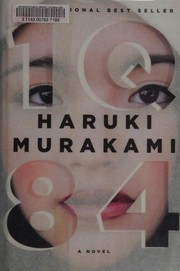
1Q84
Aomame slips into a Tokyo with two moons while Tengo rewrites a strange girl's novel, and their childhood bond pulls tight.
3,056-word summary · 14 min read
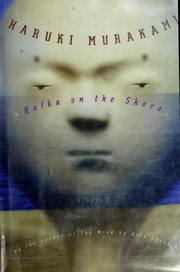
Kafka on the Shore
Fifteen year old Kafka Tamura flees Tokyo while old Nakata, who talks to cats, drifts toward the same library town in Shikoku in parallel.
2,496-word summary · 11 min read
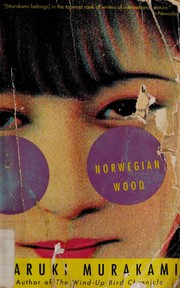
Norwegian Wood
Toru recalls 1969 Tokyo, torn between fragile Naoko and lively Midori after a friend's suicide.
2,051-word summary · 9 min read

Unaccustomed Earth
Lahiri’s second story collection follows Bengali families in America and abroad, tracing the quiet distances between parents and children, spouses, and the…
2,333-word summary · 10 min read
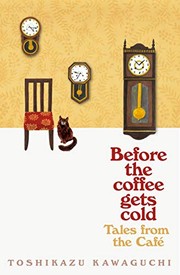
Tales from the Café
Four more visitors to a Tokyo café travel through time under strict rules, each hoping to say the thing they could not say before.
2,242-word summary · 10 min read
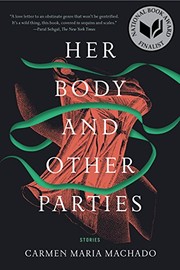
Her Body and Other Parties: Stories
Eight stories where bodies, medicine and old fairy tales get taken apart, with a green ribbon running through the whole book.
2,997-word summary · 13 min read

This Is How You Lose Her
Yunior cycles through love affairs and betrayals in nine linked stories, tracing the damage he does and the family history behind it.
2,195-word summary · 10 min read

Hearts in Atlantis
Five linked stories follow Bobby Garfield, Carol Gerber, and their friends from a haunted childhood in 1960 to the long aftermath of Vietnam.
2,402-word summary · 11 min read
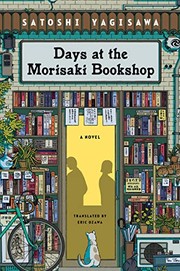
Days at the Morisaki Bookshop
Heartbroken Takako moves into her uncle's tiny secondhand bookshop in Jimbocho, and the shop and its regulars slowly give her back her life.
2,011-word summary · 9 min read
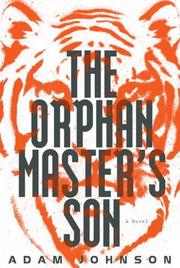
The Orphan Master's Son
Adam Johnson's Pulitzer-winning novel follows Pak Jun Do from a North Korean orphanage to a deadly identity swap, under a state whose loudspeakers never stop…
2,219-word summary · 10 min read
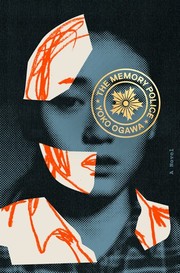
The Memory Police
On an unnamed island, ordinary things keep vanishing from memory, and a novelist hides her editor from the police who make sure the vanished stay forgotten.
2,440-word summary · 11 min read
Everything's Eventual: 14 Dark Tales
Fourteen Stephen King stories shuffled by the deal of a card deck, from the haunted room of 1408 to quiet tales of grief that sting as much as the monsters.
2,000-word summary · 9 min read
The Most Fun We Ever Had
Four Sorenson sisters orbit perfect parents hiding old cracks.
2,590-word summary · 12 min read

The Accidental Tourist
Grieving Macon writes travel guides for haters of travel, then Muriel intrudes.
2,252-word summary · 10 min read

Stories of Your Life and Others
Eight stories about language, time and choice, including the tale behind Arrival.
2,402-word summary · 11 min read
Let the Great World Spin
A wire walker crosses the towers as Bronx lives collide below.
2,338-word summary · 10 min read
Haunted
Writers lock in for three months and trade worse stories as food runs out.
2,576-word summary · 11 min read
Ham on Rye
Henry Chinaski grows up rough in Depression Los Angeles and finds writing.
2,244-word summary · 10 min read

Disgrace
A professor falls after an affair, then faces violence at his daughter farm.
2,533-word summary · 11 min read