

A Wild Sheep Chase
2,579-word summary 11 min read 299 pages in the book
- First published
- 1982
- Publisher
- Kodansha International
- Pages
- 299
- ISBN
- 9780870119057
- Original title
- Hitsuji o meguru bōken
- Series
- The Rat (#3)
Reading options
What's inside (6 sections)
I read A Wild Sheep Chase as my third Murakami after Norwegian Wood and Kafka, and it felt like watching a writer find the road he would walk for decades. Haruki Murakami's 1982 novel, 299 pages in US Kodansha hardcover (translated by Alfred Birnbaum), follows an unnamed ad man chasing a starred sheep to Hokkaido for a dying Boss while his friend Rat hides with the Sheep Man. Third in the Rat trilogy, it blends detective plot with magical realism that would become signature. Funny, sad, and strange in proportions that still surprise.
Ad man publishes sheep photo
The narrator is twenty nine, divorced, running a small ad agency with a partner, drinking too much beer, cooking spaghetti at midnight. An ordinary urban male Murakami would revisit for books to come. Friend Rat, rich kid turned wanderer, sends a pastoral photo with sheep in Hokkaido for use in a company bulletin. The narrator crops and prints it without noticing one sheep bears a star mark. That inattention triggers trouble when a mysterious Boss's secretary summons him to an office where air conditioning hums too cold. The Boss, dying from a cyst after the sheep left him, built an underground kingdom while possessed and needs the sheep back to survive. Find it in a month or career and life end. Threat delivered politely over tea that tastes of nothing. Bureaucratic menace as only Murakami writes it, where apocalypse arrives via meeting memo.
Girlfriend with magical ears joins for the hunt though the term girlfriend understates. She left sex work? Actually she models with ears she hides under hair, hearing what others miss, sensing story in landscapes. She hears the sheep photo hum though narrator hears paper. Their relationship is tender and transactional by turns. Sex that comforts, silences that accuse, a parting in Hokkaido when Sheep Man drives her away though she wants to stay. Murakami writes women as guides who vanish after teaching, a pattern critics rightly question for using female intuition as plot device. Here ears as radar that finds Dolphin Hotel though maps fail. Useful and reductive at once. Enjoy the weird while noting the cost to character depth that later novels like Kafka will address more fully though never fully fix.
What works early is Tokyo detail that grounds surreal in routine. Laundry hung on balconies, jazz bars with whiskeys named, trains that run on time though lives do not. The narrator's cat, left with the Boss's chauffeur who names it Kipper and grows fond, provides domestic stakes amid conspiracy. Who feeds cat while chasing sheep. That question matters more than Boss threats because love for small dependent anchors drifting men in Murakami. Pay attention to cat updates relayed by phone. They chart narrator's humanity better than any speech about friendship with Rat. Men who arrange cat care can still be saved though they drink and drift.
A fair note is translation flatness that some mistake for style. Birnbaum's slangy 1989 English makes Murakami sound more hardboiled than Japanese, with hey mans and dames that date. Later translators like Rubin smooth differently. Read with allowance for era. The deadpan holds across versions though word choices age. Underneath slang is melancholy about postwar Japan selling pastoral to itself while paving seas where J's bar once overlooked water. Development as loss is the book's quiet politics beneath sheep chase. Notice what changed while narrator was away drinking. Sea paved, bar moved to modern building, Rat gone to mountains. Progress as erasure Murakami mourns without preaching.
Sheep Professor and Dolphin Hotel
Sapporo leg gives the novel its best comic melancholy through the Dolphin Hotel, once grand, now shabby with a one armed owner who named it for Moby Dick though no dolphins swim near Hokkaido. The narrator and girlfriend check in to thin walls and thinner soup, then research in libraries where girlfriend's ears guide to texts about sheep in Manchuria. The Sheep Professor, bitter eccentric living upstairs, encountered the star sheep decades ago while doing agricultural research for the army and has obsessed since dismissal. He tells of Manchurian pastures where sheep possessed men into building empires, a history that blends real Japanese imperial crimes with fantasy parasite. That blend is Murakami confronting history through sheep that stand in for ideologies that possess. Take what resonates without needing thesis. Sheep as fascism, as capitalism, as whatever hollows men into hosts for power that outlives bodies.
Hotel owner's father son estrangement mirrors narrator and Rat in miniature. Sailor turned host who resents academic father for absence though both love sheep lore. Their fights over bills and memory show how obsessions inherit as well as infect. The narrator mediates without fixing, buying drinks both refuse to share. That mediation role defines him across trilogy. Friend to Rat, employee to Boss, lover to ear model, son to no one present. He connects without belonging, a position Murakami returns to because it allows observation without responsibility until responsibility arrives via threat. Here threat forces travel north though he would prefer beer and books at home. Growth requires discomfort he would not choose but accepts when ordered with polite menace and generous check that funds J's bar later. Money taints and enables in equal measure.
The drive to the sheep farm with a helpful local who knows trails introduces Hokkaido vastness that dwarfs Tokyo plots. Pastures where sheep graze each summer, a manor house empty but stocked, a car in garage barely used. The narrator prepares to wait with supplies, whiskey, and smokes he decides to quit for lack of shop nearby. Waiting becomes the novel's middle virtue after chasing. Cook stew, jog mornings, read, sip. Those pages, often cited as boring by thriller readers, are my favorites for showing how Murakami finds meaning in routine amid mystery. Protagonists who can wait well survive sheep that feed on hurry. Patience as detective method is rare in genre and welcome here. Sit still long enough and Rat will speak though dead over a week.
Rat, Sheep Man, and goodbye
The Rat's fate lands with sadness prepared pages earlier though still shocks in delivery. Hiding in the manor after hearing Sheep Professor's story and feeling drawn, hosting the sheep that promises power through belonging to something larger than lonely wandering. Recognizing possession will erase self as it did Boss and professor, Rat hangs himself in kitchen while sheep sleeps inside to trap and starve it. Sheep Man buries him on property and meets narrator with fast talk that exhibits Rat's habit of looking at hands. The reveal that Sheep Man is Rat in costume? Actually Sheep Man claims separate though hints suggest otherwise. Keep to shape to avoid overexplaining mystery Murakami leaves open. What matters is narrator shares beers with a voice he knows is friend though body is gone, saying goodbyes promised in letters. Grief with beer rather than tears suits men of this trilogy who feel deeply but speak flatly.
The Boss's assistant pays generously and dissolves company as promised, allowing narrator to fund J's bar with condition Rat and he always drink free. That investment closes the loop opened with bulletin photo misuse. Use Boss money to keep the bar where friendships formed independent of Boss power. It is small redistribution from empire to community that will not change Japan but will keep one room open for outsiders. Murakami favors such modest redemptions over revolutions. No sheep toppled, no Boss system dismantled beyond one dying man's holdings. Yet J's bar survives as place where Rat is remembered and narrator can return. Enough for a book that distrusts grand solutions after seeing what possessed idealists built in Manchuria and Tokyo boardrooms. Tend one bar well rather than save nation badly.
Read it before Dance Dance Dance for full Rat arc though it stands alone well enough with recaps of Hear the Wind Sing and Pinball that never overwhelm. At 299 pages US it moves fast for Murakami with short chapters made for commutes. Pair with Hard Boiled Wonderland for more surreal systems, or with Norwegian Wood for realist counterpoint from same years. A Wild Sheep Chase argues identity forms through waiting with friends, even dead ones, rather than chasing power that promises belonging while hollowing hosts. The narrator walks away from manor lighter though grieving, having learned to quit smoking and to pay debts to bars that sheltered youth. Small quits and pays as growth. Sheep buried with Rat will not return though Bosses will seek new hosts in sequels and in real ministries that outlive novels. Stay watchful on pastures you love. Stars mark sheep to avoid, not follow.
Ears, dolphins, and Hokkaido
The girlfriend's ears deserve a section because they carry the book's weirdest tenderness and most criticized device in one. Beautiful ears she hides under hair though narrator fetishizes with photos and touch. Ears that hear sheep photo hum, that guide to Dolphin Hotel through library stacks, that go blocked and dead when Sheep Man drives her away though unharmed. Murakami writes ears as radar for truth in a novel about men who miss signals while chasing money. She hears what matters though no one pays her for listening. That gift costs connection when men use her as instrument rather than partner. She leaves the manor abruptly though loving narrator because staying means being used as divining rod for his quest. Her departure, often read as abandonment, reads to me as self rescue from becoming tool. Listen to her leaving as closely as to her listening. Both say same. I will not be ear alone. Want whole.
Dolphin Hotel as place holds more than plot function as shabby base. Named for Moby Dick though no dolphins near Hokkaido snows, run by a one armed sailor who lost limb to sea that gives and takes without reason. Father Sheep Professor upstairs with obsession that ruined family though son keeps hotel from duty mixed with resentment. Guests who stay for lack of elsewhere rather than choice. The hotel is Japan in miniature for Murakami in transition years. Old names kept though meanings lost. New buildings rising though guests thin. Everyone waiting for something to arrive that already left. The narrator fits perfectly as guest who pays though purposeless. To stay in such hotels is to live in country between boom and bust, clinging to dolphin names while sheep decide fates in mountains unseen from lobby. Notice wallpaper peeling as you read. It matters more than sheep star for understanding why Rat fled cities for manor with no heat. Cold honesty beats warm lie when lie requires Boss money.
Hokkaido vastness works as antidote to Tokyo compression that opens the book. Pastures where sheep graze each summer under skies too big for neon, a manor stocked but empty, trails where walking is thinking because no signs point. The narrator jogs mornings, cooks stews from cans, reads though books are old. Those routines, often called boring by thriller readers, are Murakami's core argument for how to live when mysteries exceed solving. Tend body, feed cat by phone proxy, wait for friend who is dead though voice remains. Hokkaido teaches slowness Tokyo forbids. Stay a week without news and hear wind that carries sheep bells though no flock near. That hearing is not clue. It is place entering you when city noise fades enough to allow. Go north in pages to feel it though central heating tempts to skim. Cold clarifies as much as sheep star dazzles. Dress warmly for chapters that seem to do nothing. They do the most.
Sheep Man as figure needs a final note as comic horror that bridges Rat and sheep without explaining fully. Short, fast talking, asking for drinks though dead? Actually asking, exhibiting Rat's habit of looking at hands. The protagonist later exposes Sheep Man as Rat in disguise? Keep to shape to avoid overexplaining mystery Murakami leaves open. What matters is encounter teaches narrator to accept help from strange sources without demanding credentials. A sheep costumed man who knows too much guides better than Boss secretary with files. Trust weird kindness over official menace is a Murakami rule across books. Follow the odd helper who asks for whiskey rather than the suited man who offers checks with threats attached. That rule will guide Dance Dance Dance sequel where Sheep Man returns with more to say though still cryptic. Learn it here to read ahead with right ears open, not just magical ones girlfriend lends and takes back when leaving to save herself from becoming instrument.
The girlfriend's ears deserve a section because they carry the book's weirdest tenderness and most criticized device in one. Beautiful ears she hides under hair though narrator fetishizes with photos and touch. Ears that hear sheep photo hum, that guide to Dolphin Hotel through library stacks, that go blocked and dead when Sheep Man drives her away though unharmed. Murakami writes ears as radar for truth in a novel about men who miss signals while chasing money. She hears what matters though no one pays her for listening. That gift costs connection when men use her as instrument rather than partner. She leaves the manor abruptly though loving narrator because staying means being used as divining rod for his quest. Her departure, often read as abandonment, reads to me as self rescue from becoming tool. Listen to her leaving as closely as to her listening. Both say same. I will not be ear alone. Want whole.
Dolphin Hotel as place holds more than plot function as shabby base. Named for Moby Dick though no dolphins near Hokkaido snows, run by a one armed sailor who lost limb to sea that gives and takes without reason. Father Sheep Professor upstairs with obsession that ruined family though son keeps hotel from duty mixed with resentment. Guests who stay for lack of elsewhere rather than choice. The hotel is Japan in miniature for Murakami in transition years. Old names kept though meanings lost. New buildings rising though guests thin. Everyone waiting for something to arrive that already left. The narrator fits perfectly as guest who pays though purposeless. To stay in such hotels is to live in country between boom and bust, clinging to dolphin names while sheep decide fates in mountains unseen from lobby. Notice wallpaper peeling as you read. It matters more than sheep star for understanding why Rat fled cities for manor with no heat. Cold honesty beats warm lie when lie requires Boss money.
Hokkaido vastness works as antidote to Tokyo compression that opens the book. Pastures where sheep graze each summer under skies too big for neon, a manor stocked but empty, trails where walking is thinking because no signs point. The narrator jogs mornings, cooks stews from cans, reads though books are old. Those routines, often called boring by thriller readers, are Murakami's core argument for how to live when mysteries exceed solving. Tend body, feed cat by phone proxy, wait for friend who is dead though voice remains. Hokkaido teaches slowness Tokyo forbids. Stay a week without news and hear wind that carries sheep bells though no flock near. That hearing is not clue. It is place entering you when city noise fades enough to allow. Go north in pages to feel it though central heating tempts to skim. Cold clarifies as much as sheep star dazzles. Dress warmly for chapters that seem to do nothing. They do the most.
FAQ
When was A Wild Sheep Chase published?
Kodansha published the Japanese original in 1982. Kodansha International published the English hardcover in 1989 with 299 pages and ISBN 9780870119057.
What is the original title?
Hitsuji o meguru boken, translated by Alfred Birnbaum.
Is it part of a series?
Yes. It is The Rat book three, after Hear the Wind Sing and Pinball 1973, before Dance Dance Dance.
Similar books
More from The Rat first, then related titles.
Dance Dance Dance
A divorced Tokyo writer returns to a Sapporo hotel that has been rebuilt, then follows a woman who may be a ghost and a teenage girl through a mystery about…
2,407-word summary · 11 min read
The Wind-Up Bird Chronicle
An unemployed Tokyo man hunts a lost cat, then his missing wife, and slips from quiet suburbs into wells and wartime memory.
3,344-word summary · 15 min read
Hard-Boiled Wonderland and the End of the World
A Tokyo encoder who rents out his subconscious and a newcomer in a walled Town turn out to share one fate about memory.
2,406-word summary · 11 min read

Sputnik Sweetheart
K loves Sumire, Sumire loves Miu, and then Sumire vanishes from a Greek island into Murakami's quiet other side.
2,055-word summary · 9 min read
1Q84
Aomame slips into a Tokyo with two moons while Tengo rewrites a strange girl's novel, and their childhood bond pulls tight.
3,056-word summary · 14 min read
Kafka on the Shore
Fifteen year old Kafka Tamura flees Tokyo while old Nakata, who talks to cats, drifts toward the same library town in Shikoku in parallel.
2,496-word summary · 11 min read
The Memory Police
On an unnamed island, ordinary things keep vanishing from memory, and a novelist hides her editor from the police who make sure the vanished stay forgotten.
2,440-word summary · 11 min read

Piranesi
Piranesi lives alone in an endless House of statues and tides until chalk messages hint at another visitor and a buried past.
2,992-word summary · 13 min read
Men Without Women
Seven stories about men living after women leave, die, or stay distant.
2,673-word summary · 12 min read

South of the Border, West of the Sun
A married Tokyo bar owner reunites with his lost childhood sweetheart and must choose between steady family life and a haunting first love.
2,844-word summary · 13 min read

After Dark
On one night in Tokyo, student Mari reads in a diner and talks with Takahashi while her sister Eri sleeps, as a love hotel incident and night workers cross…
2,986-word summary · 13 min read
Colorless Tsukuru Tazaki and His Years of Pilgrimage
At thirty six, Tsukuru revisits four old friends to learn why they cut him off at twenty.
2,765-word summary · 12 min read

Norwegian Wood
Toru recalls 1969 Tokyo, torn between fragile Naoko and lively Midori after a friend's suicide.
2,051-word summary · 9 min read
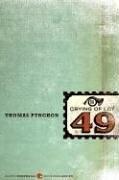
The Crying of Lot 49
A California woman named executor of her ex-lover's estate follows a muted post horn into a possible centuries-old postal conspiracy, and Pynchon refuses to…
2,003-word summary · 9 min read
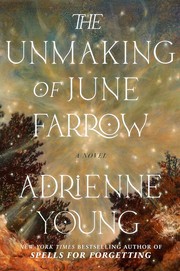
The Unmaking of June Farrow
A woman in a North Carolina flower-farming family walks through a red door into 1951, where she must solve her mother's disappearance and decide whether to…
2,701-word summary · 12 min read
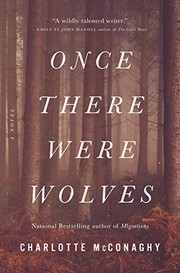
Once There Were Wolves
A biologist reintroduces fourteen wolves to the Scottish Highlands while protecting her traumatized twin sister, then finds a body in the snow that could…
2,682-word summary · 12 min read
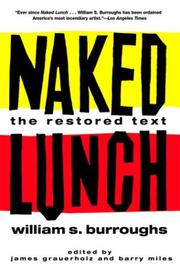
Naked Lunch
Burroughs's banned 1959 collage novel follows Bill Lee through addiction, Tangier, and the nightmare bureaucracy of the Interzone.
2,082-word summary · 9 min read
Once Upon a River
A wounded man stumbles into a riverside inn carrying what appears to be a drowned child who is not quite dead, and the story braids the guesses of everyone who…
2,173-word summary · 10 min read
The Pilot's Wife
Kathryn Lyons's husband dies in a plane crash, and the investigation reveals a secret life that forces her to rethink their marriage.
2,006-word summary · 9 min read
The Tiger's Wife
A young doctor in a war-scarred Balkan country chases the stories her grandfather left behind, including a deathless man and a deaf girl who loved an escaped…
2,232-word summary · 10 min read
If on a Winter's Night a Traveler
You, the Reader, chase a defective novel through bookshops and translators while ten other novels keep interrupting. Calvino's famous puzzle about the act of…
2,173-word summary · 10 min read
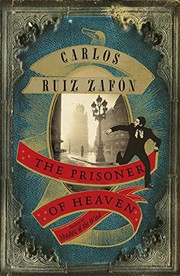
The Prisoner of Heaven
Fermin Christmas past returns with a stranger and a prison debt.
2,388-word summary · 11 min read
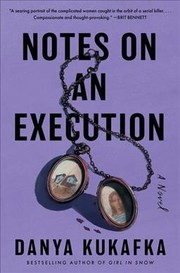
Notes on an Execution
Ansel waits on death row while three women carry what he broke.
2,527-word summary · 11 min read

Kitchen
Orphan Mikage finds home in a kitchen with Yuichi and Eriko after loss.
2,597-word summary · 12 min read

Drive Your Plow Over the Bones of the Dead
An old woman in Poland blames animal revenge for murdered hunters.
2,597-word summary · 12 min read
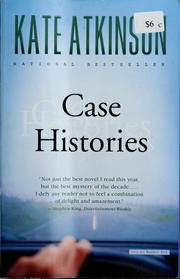
Case Histories
A Cambridge PI takes three cold cases that tangle with his own loss.
2,465-word summary · 11 min read

Bleak House
Jarndyce and Jarndyce grinds through Chancery while Esther finds her family.
2,480-word summary · 11 min read

The Round House
At thirteen, Joe Coutts hunts for his mother's attacker when the law stalls, in Louise Erdrich's National Book Award novel of family, jurisdiction, and revenge…
2,391-word summary · 11 min read

The Island of Missing Trees
A talking fig links 1970s Cyprus lovers Kostas and Defne with their grieving London daughter Ada years later.
3,172-word summary · 14 min read
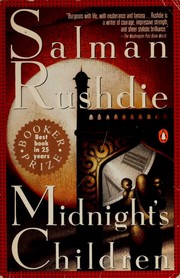
Midnight's Children
Saleem Sinai, born at India's independence midnight, narrates his family's saga as his life mirrors the new nation's history.
2,734-word summary · 12 min read