

Drive Your Plow Over the Bones of the Dead
2,597-word summary 12 min read 318 pages in the book
- First published
- 2009
- Publisher
- Riverhead Books
- Pages
- 318
- ISBN
- 9780525541332
- Original title
- Prowadź swój pług przez kości umarłych
Reading options
What's inside (6 sections)
I read Drive Your Plow Over the Bones of the Dead in winter, which fits its cold Polish village and angry heart. First published in 2009 in Polish by Wydawnictwo Literackie at 318 pages, in English in 2018 translated by Antonia Lloyd-Jones, the edition I cite is Riverhead Books at 318 pages. Original title Prowadź swój pług przez kości umarłych, from Blake. Janina Duszejko, aging woman who looks after summer houses, studies astrology, translates Blake with friend Dizzy, loves animals fiercely. Neighbors who hunt start dying. Police dismiss her theory that animals retaliate. She may be right in ways they ignore. It won Nobel attention and Booker shortlist love. I found it funny, furious, and sad about how we treat creatures and old women.
Janina narrates in first person, eccentric, brilliant, unreliable. She lives near Czech border in Silesia, between Lewin and Kłodzko, in a village empty in winter. Former teacher, now caretaker of absent neighbors' houses. She checks pipes, feeds dogs, watches stars. She believes astrology explains character. Mars in this house means anger. Saturn there means law. Police laugh. Readers may too, then reconsider. Her charts often predict behavior better than official reports. She translates Blake with Dizzy, finding lines about plows and bones that guide. She lives alone after losing two dogs who vanished. That loss fuels everything. She loved them like children. No one investigated. That dismissal taught her whose lives count. Not dogs, not old women. Hunters count. Priests count. She counts differently. Animals equal humans. That equality is thesis and motive.
Oddball, neighbor who finds first body, fetches Janina to Big Foot's cabin. Big Foot, hunter disliked, found dead, apparently choked on a deer bone. Janina finds a shocking photo in his house, revealed late, showing Big Foot and others with killed animals including her dogs. She hates hunters for cruelty. She writes police that animals killed in revenge. Police commander, also hunter called Commandant, scoffs. Accuses her of valuing animals over humans. She retorts she values both equally. That line defines book. Equal value is radical in village where hunting is economy and ritual. Later Commandant found dead by car on rough road. Dizzy and Janina questioned as witnesses. Innerd, brothel owner and fox fur farmer, goes missing, later found in forest with snare on leg. President of hunting club found dead covered in beetles after festival. Presbytery burns, Father Rustle dead after praising hunters as God's partners. Pattern clear to Janina. Animals strike back. Police see coincidence or human killer. Both, actually, as reveal shows. Big Foot really choked, inspiring Janina to kill next four. Photo gave motive. She shows friends, they confront. She flees to Czech then Białowieża Forest with Boros to live near nature.
Animals and astrology
Animals are characters, not symbols alone. Dogs lost, deer hunted, foxes farmed, beetles studied, boars heard. Janina names and mourns each. She feeds strays, tracks prints, opposes hunting seasons. Her love is practical. Hay for deer in winter? Actually she protests feeding? She knows ecology. Borys, entomologist studying endangered beetles, becomes lover and ally. He respects small lives. Their romance, late in life, tender and intellectual, delights. Two odd elders bonding over beetles and Blake. He listens when police do not. That listening is love in book. Who listens to old women. Boros does. Dizzy does partly. Oddball tries. Rest dismiss as crazy. Dismissal enables murders, both by hunters of animals and by Janina of hunters. Cycle of not listening kills. Listen better and fewer die. Simple, hard.
Astrology structures chapters and investigations. Janina casts charts for suspects, victims, herself. Mars aggression, Saturn authority, Pluto transformation. Police call nonsense. Yet charts predict Commandant's rigidity, President's bluster, Father Rustle's dogma. Is it true or self fulfilling because Janina acts on readings. Both. She uses stars to justify watching hunters closely, which reveals photo and motives. Stars do not solve. Attention does. Astrology gives her permission to trust intuition dismissed as female hysteria. That permission matters. Old women labeled crazy for caring too much about animals and stars. Label protects power. Call her witch and ignore. She internalizes partly, calling herself crone, then weaponizes. Fine, I am witch. Witches act. That turn from dismissed to dangerous drives. Do not dismiss eccentric neighbors. They notice. They may act when law fails. That warning applies beyond village. Climate activists, animal defenders called crazy while forests fall. Listen before they feel forced to plow over bones.
Blake translations with Dizzy thread through as philosophy. Drive your cart and plow over bones of the dead. In seed time learn, harvest teach, winter enjoy. Janina and Dizzy debate meanings while translating. Is Blake urging progress over past or warning. Their work mirrors plot. Translating old poetry while new murders happen. Language as bridge across time. Polish village with English poet loved. That cosmopolitanism counters insular hunting culture. Janina reads widely, thinks globally, acts locally. Dizzy, younger, gay? Actually Dizzy isWrapper? He is friend who helps translate and doubts animal revenge but stays loyal. Their friendship, bickering about words, warms cold book. Two outsiders finding kin in language. When Dizzy and Oddball confront Janina knowing she killed, they do not turn in immediately. They listen to photo story, understand, help her flee. Loyalty over law when law protects hunters. That choice asks readers where they stand. Would you harbor a killer of killers. I paused long. Probably yes for Janina, which reveals my own biases about animals and old women. Sit with that. Books should implicate.
What works and what challenges
What works is voice. Janina is funny, furious, erudite. She complains about neighbors' lights, praises tea, curses hunters, charts horoscopes. Sentences flow like talk with digressions that enlighten. You hear an old woman thinking aloud, brilliant and tired. Unreliability is handled masterfully. She describes murders without admitting she committed till near end. Reread and clues shine. Her absence at key times, knowledge too precise, anger too personal. First time you trust animal revenge theory because you want it true. Animals fighting back feels just. That desire blinds like police blindness reversed. We want beasts to win. Janina gives us that wish fulfillment, then reveals human hands. Disappointment and understanding mix. Justice done by wrong means still feels just when victims are hunters who killed dogs. Sit with that discomfort. It is point. Do we condone. Probably not fully. Do we empathize. Yes. That split is novel's power. Moral complexity without lecture.
Style shifts from droll to melancholy to vulnerable just right, as Kirkus noted. Droll about village quirks. Melancholy about lost dogs and aging. Vulnerable about loneliness and body. Janina's age matters. Menopause, aches, invisibility. Society discards old women till they act monstrous, then calls monstrous. Tokarczuk, Nobel winner, centers crone as hero detective. Rare and welcome. Young readers may find pace slow. Village life, astrology lessons, Blake debates. Murders spaced. If you need fast thriller, you may skim star charts. Do not. Charts are clues to character, if not killer. Patience rewards. At 318 pages it is not long, but dense with ideas. Read slowly in winter with tea. Let cold seep. Feel village isolation. Then heat of indignation warms.
Translation by Lloyd-Jones deserves praise. Polish rhythms, Blake quotes, astrology terms flow in English without losing strangeness. Janina's voice stays Polish and universal. Names like Oddball, Big Foot, Dizzy, Boros are nicknames Janina gives, translated meaningfully. That naming power matters. She renames men who diminish her. Commandant for commander, President for club leader, Father Rustle for priest. Renaming reclaims. Translators make choices about those. Lloyd-Jones keeps playful contempt. Enjoy. Original title Prowadź swój pług przez kości umarłych carries Blake echo. English keeps. Good.
What challenges is likability and law. Janina kills four men. However cruel they were to animals, murder is murder. Some readers will not forgive, even with photo of dead dogs. The book does not ask forgiveness. It asks understanding. Police ignore animal cruelty legally, so Janina acts illegally. Is that justice or vigilantism. Both. If you need moral clarity, you will struggle. The novel was shortlisted for Booker International and longlisted for National Book Award Translated, praised as thriller, comedy, political treatise. All true. It refuses one genre. Come prepared to laugh then gasp then think. Do not come for cozy mystery with cats. Dogs die here and matter. Hunters die and matter differently. Sit with unequal grief the book equates. That equation is provocation. Are animals equal. Janina says yes. Do you. Answer while reading. Your answer decides if you side with her flight to forest or wish police caught her sooner. I sided with forest, uneasily, which taught me about myself. Good books do that. They make you complicit, then ask what now.
Content is adult. Animal cruelty discussed and shown in photo description, hunting scenes, murder of men described without gore linger. Language moderate. No explicit sex beyond tender late life romance with Boros. Good for readers who like literary mysteries with ideas, like Tana French with philosophy or Paddy Clarke with astrology. Not for those needing likable victims. Hunters are loathsome by design. You may cheer deaths, then question cheering. That questioning is work. Do it.
Who should plow
Read it if you like eco mysteries with eccentric narrators, like The Thursday Murder Club but darker and Polish. Read it for Janina's voice alone. At 318 pages it suits a long weekend. Pair with Blake's Proverbs of Hell. Ponder plows and bones.
Skip it if animal harm devastates. Dogs lost, foxes farmed, deer hunted. Though not graphic long, loss central. Take care. Skip if unreliable narrators frustrate. Janina hides till end. You must enjoy being fooled kindly. If betrayal angers, skip.
For me, the image that stays is Janina checking empty summer houses in snow, kettle on, stars charted, dogs remembered, photo hidden. Alone but attentive. At 318 pages, Drive Your Plow argues attention is moral act. Notice animals, old women, stars. Police notice property and rank. Different noticing leads to different justice. Janina notices fully and acts terribly. I closed it watching crows differently, wondering what revenge they plan for my indifference. Paranoid and tender both. That double feeling, laugh and ache, is Tokarczuk's gift since 2009, Nobel recognized 2018. Plow carefully. Bones remember. So should we, before driving over.
Blake, translation, and age
I want to say more about Blake and translation, because they are not decoration but method. Janina and Dizzy translate Blake's Proverbs of Hell into Polish, debating lines about plows and bones. Drive your cart and plow over bones of the dead. In seed time learn, harvest teach, winter enjoy. Those lines guide Janina's actions literally. She plows over hunters' bones with story that animals did it. She learns in seed time by watching, teaches in harvest by writing police letters no one reads, enjoys winter with tea and stars after fleeing. Blake as manual for eccentric justice. That use delights literary readers. Poet as accomplice across centuries. Translation as conspiracy. Dizzy, younger gay man? Actually Dizzy is friend who helps translate and doubts animal revenge but stays loyal. Their bickering about word choices mirrors larger debates about meaning. What does plow mean. Progress or violence. Both. Language holds opposites. Translators choose. Lloyd-Jones chose vivid English that keeps Polish strangeness. Read aloud passages about beetles and stars. Hear rhythm. That music carries philosophy better than plot summary. Poetry inside mystery elevates both. Do not skip Blake epigraphs. They clue.
Translation itself mirrors plot about carrying across. Janina carries dogs' memory, stars' meanings, Blake's lines into Polish village. Boros carries beetle knowledge. Dizzy carries English into Polish. Lloyd-Jones carries Polish into English for us. Each carrying loses and gains. What is lost when animal pain translated to police report. Everything. Reports want facts, not grief. Janina writes poetic letters police ignore because form wrong. Truth needs right form to be heard. She learns and acts instead. That lesson applies to activists. Data alone rarely moves. Stories with stars and dogs might. Tell both. Numbers for courts, tales for hearts. Janina tells tales to friends who help her flee. Courts never hear. Friends do. Choose audience wisely. Speak where listening lives. That pragmatism helps when official channels fail. Find Oddballs and Dizzys. Build pocket communities that believe animals count. Act small there. Do not wait for Commandants to agree. They profit from hunting. They will not.
Age and gender shape dismissal and power. Janina is aging woman, former teacher, now caretaker. Villagers call her crazy, witch, hysterical. Police pat her head while ignoring. That sexism and ageism protect her as she kills. No one suspects old lady of strangling hunters. Invisibility as weapon. She uses it consciously after photo discovery. Let them think me harmless. Then act. That use is both feminist revenge and sad commentary. Must be invisible to act. Young beautiful women are watched. Old plain women ignored. Janina exploits bias she hates. Complicated triumph. Celebrate cunning while mourning necessity. Would young man be ignored. No. He would be arrested fast. That difference enables plot and indicts. Notice who gets benefit of doubt. Hunters get. Old women do not, except as harmless. Flip that to advantage as Janina does, but know cost. Being unseen lonelies even as it frees. She flees to forest edge with Boros, still unseen by law, seen by few friends. That ending is not victory parade. It is quiet exile with love and nature. Enough? For Janina, yes. For readers wanting jail or acquittal, ambiguous. Sit with ambiguity. Justice outside law rarely feels clean. It feels like snow covering tracks. Temporary, necessary, cold.
Village ecology deserves attention beyond murders. Silesia borderland with Czech Republic, forests, summer houses empty in winter, hunting clubs powerful, church allied. Hunters control land, jobs, police through bribes and brotherhood. Saint Hubert chapel celebrating hunters as God's partners shows church capture. Father Rustle preaches creation while blessing killing. Janina interrupting sermon to shout have you lost hearts is climax morally even before murders revealed. She speaks truth to power in sacred space. Congregation stares. No one joins. That loneliness of dissent will resonate with activists. Speak and stand alone while others shift. Still speak. Words plant even if not applauded. Later Dizzy and Oddball admit they knew. Seeds grew. Change slow. Do not measure success by immediate applause. Measure by who approaches after to whisper agreement. Those whispers become help fleeing. Small, real. Keep shouting in chapels when hunters praised. Hearts may still beat under camo. Appeal to them. Some will hear.
If you reread, watch for dogs. Janina's two lost dogs mentioned early as vanished. Photo late shows them dead with hunters. Reread early grief with that knowledge and heartbreak doubles. She searched, hoped, mourned without knowing. That not knowing is torture worse than knowing. Many pet owners know. Vanished without trace haunts more than confirmed death. Janina lived years in that haunt. No wonder she snaps when photo proves. Snap is not sudden. It is years delayed. Understand timeline to judge less harshly. She did not kill from one insult. She killed after years of dismissed losses, human and animal. That accumulation matters for justice debates. Provocation is not momentary. It is structural. Courts ignore structural. Individuals snap. Prevent by listening early. Ask old women about dogs. Believe. Act before plows needed. That prevention message hides in murder mystery. Hear it. Attend to small losses before they grow teeth. Feed dogs. Listen to neighbors. Do not hunt for sport. Simple, hard, enough to avoid bones under plows.
FAQ
When was Drive Your Plow published?
It was first published in 2009 in Polish by Wydawnictwo Literackie at 318 pages, in English in 2018. The English edition cited is 318 pages.
Who is Janina?
Janina Duszejko, astrologer caring for summer houses, finds neighbors dead and believes animals retaliate.
Similar books
Once There Were Wolves
A biologist reintroduces fourteen wolves to the Scottish Highlands while protecting her traumatized twin sister, then finds a body in the snow that could…
2,682-word summary · 12 min read
Sophie's World
Sophie gets philosophy lessons by mail, then finds she is fiction in a father birthday book for Hilde.
2,013-word summary · 9 min read

The Crying of Lot 49
A California woman named executor of her ex-lover's estate follows a muted post horn into a possible centuries-old postal conspiracy, and Pynchon refuses to…
2,003-word summary · 9 min read
Authority
The new director of the Southern Reach takes over an agency that is hiding the truth about Area X, and the building starts to change around him.
2,029-word summary · 9 min read

Fathers and Sons
Arkady brings the nihilist Bazarov home to his father's estate, and a generational argument turns into love, a duel, and an early death.
2,192-word summary · 10 min read
The Dharma Bums
Ray Smith rides freight trains, climbs Matterhorn Peak and argues about Zen with the poet Japhy Ryder in Kerouac's 1958 road novel.
2,729-word summary · 12 min read
The Pilot's Wife
Kathryn Lyons's husband dies in a plane crash, and the investigation reveals a secret life that forces her to rethink their marriage.
2,006-word summary · 9 min read
Ishmael: An Adventure of the Mind and Spirit
A gorilla named Ishmael teaches a disillusioned man that civilization is a story, and that humans may compete but must not wage war on other species.
2,015-word summary · 9 min read
By the River Piedra I Sat Down and Wept
Pilar, 29, meets her childhood friend again in Madrid and finds a rumored miracle worker. One winter week through the Pyrenees to the river Piedra, and the…
2,845-word summary · 13 min read
Ubik
A psychic agency crew dies in a blast and reality decays unless a spray called Ubik saves them.
2,674-word summary · 12 min read
The Prisoner of Heaven
Fermin Christmas past returns with a stranger and a prison debt.
2,388-word summary · 11 min read
The Buried Giant
An old couple crosses a misty post Arthur Britain searching for a son.
2,593-word summary · 12 min read
Notes on an Execution
Ansel waits on death row while three women carry what he broke.
2,527-word summary · 11 min read
Case Histories
A Cambridge PI takes three cold cases that tangle with his own loss.
2,465-word summary · 11 min read
Bleak House
Jarndyce and Jarndyce grinds through Chancery while Esther finds her family.
2,480-word summary · 11 min read

The Fall
A fallen Paris lawyer confesses in an Amsterdam bar, tracing guilt from Paris success to a bridge he failed to face.
2,220-word summary · 10 min read
The Round House
At thirteen, Joe Coutts hunts for his mother's attacker when the law stalls, in Louise Erdrich's National Book Award novel of family, jurisdiction, and revenge…
2,391-word summary · 11 min read
Prodigal Summer
Three lives in one Virginia mountain valley summer: a ranger watching coyotes, a widow learning moths and goats, and feuding elders guarding chestnuts, retold…
2,308-word summary · 10 min read
We Are All Completely Beside Ourselves
Rosemary tells of twin sister Fern, a chimp raised as family, and research fallout.
2,058-word summary · 9 min read
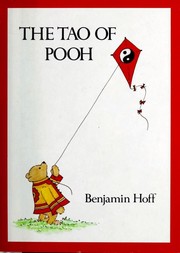
The Tao of Pooh
Hoff explains Taoism through Pooh, Piglet, and Eeyore in gentle chats.
2,006-word summary · 9 min read
Nausea
Historian Roquentin in Bouville catalogs dread as objects turn strange in Sartre diary novel.
2,134-word summary · 9 min read

A Wild Sheep Chase
An ad man chases a starred sheep to Hokkaido for a dying Boss while Rat hides with the Sheep Man.
2,579-word summary · 11 min read
A Tale for the Time Being
A diary by bullied Tokyo teen Nao washes up in Canada, pulling novelist Ruth into her family past.
2,148-word summary · 10 min read
Whidbey
Three women orbit one murdered abuser in this tense island whodunnit.
2,221-word summary · 10 min read
The Humans
An alien borrows Andrew Martin's life to erase a proof, then a dog, peanut butter, and a tired family win him over.
2,959-word summary · 13 min read
The Glass Hotel
A hotel bartender marries a wealthy investor, his fund collapses in 2008, and Mandel traces the money, the guilt, and the ghosts left behind.
2,785-word summary · 12 min read
I'm Thinking of Ending Things
A woman drives out to meet her boyfriend's parents while planning to leave him, and the night turns quietly wrong.
2,754-word summary · 12 min read
The Truth About the Harry Quebert Affair
A blocked writer tries to clear his mentor Harry Quebert after a girl missing since 1975 is found buried with his famous manuscript.
2,192-word summary · 10 min read
The Elegance of the Hedgehog
A Paris concierge hides her brilliant mind while a gifted girl plans her death, until a new tenant sees through them both.
2,248-word summary · 10 min read
Steppenwolf
Harry Haller, half man and half wolf in his own mind, dances, loves, and enters a magic theatre in Hesse's strange 1927 novel.
3,181-word summary · 14 min read