

Ubik
2,674-word summary 12 min read 202 pages in the book
- First published
- 1969
- Publisher
- Doubleday
- Pages
- 202
- ISBN
- 9780575079212
Reading options
What's inside (8 sections)
I read Ubik in two nights and felt off balance for days after, which is exactly what Dick wants. First published in 1969 by Doubleday at 202 pages, it is a standalone science fiction novel set in a future 1992 where psychics work in corporate espionage and the dead linger in half life. Joe Chip, broke technician for Runciter Associates, goes to the Moon with a crew and comes back wrong. Objects age backwards, money shows dead faces, friends freeze and die. A spray called Ubik helps, briefly. I found it terrifying, funny, and sad about death in a way few short books manage.
Joe Chip starts tired. He owes rent, his door demands coins, his coffee machine mocks him. He works for Glen Runciter, who runs a prudence agency selling inertials, people who block telepaths and precogs, to companies wanting privacy. Runciter's wife Ella is in half life, cold pac suspension where the newly dead can talk for a while. Runciter consults her like an adviser, loving and businesslike. Their talks are tender and strange. How are you. Cold. Do you dream. Sometimes. That domestic detail inside science fiction hooked me. Death as a phone call you pay to keep.
Business magnate Stanton Mick hires Runciter for lunar facilities fearing psychic intrusion. Runciter takes eleven best inertials, including new hire Pat Conley, a girl who can undo events by changing the past. Joe goes as tech. On the Moon, a bomb goes off. Runciter apparently dies while others live. They rush his body to Earth for half life, but cannot reach him. He will be buried. From that moment, reality slips.
Cigarettes come stale and old. Phones become rotary. Cars become ancient. Money shows Runciter's face. The crew moves backwards through time, anchoring near 1939. Members feel tired and cold, then shrivel and die one by one. Joe gets contradictory messages. One says Runciter is alive and they are dead. Another, recorded before, advertises Ubik as a store product that reverses decay. Joe guesses they all died in the blast and now share half life together. He tries to find Ubik. Each chapter opens with an Ubik ad as different products, hair spray, coffee, deodorant. That joke turns holy by the end.
Half life
Half life is Dick's best and cruelest idea here. Rich people keep loved ones cold after death to ask advice, finish business, say goodbye slowly. Facilities charge by time and words. Relatives visit booths, talk through static, watch faces fade. Ella tells Runciter her consciousness is invaded by another half lifer named Jory Miller. That line chills early and pays later. What if the dead share space and eat each other. What if staying costs someone else.
Joe and crew, thinking they live, are actually linked in half life, experiencing a world maintained by Jory, who feeds on them to prolong himself. Jory's family pays to keep his body near others so he can consume. Entities like him arise wherever half lifers gather. Ella and others made Ubik as defense, a spray of faith that briefly restores. Joe is saved by Runciter appearing with Ubik, told he is alive and trying to help, though Runciter does not know where Ubik comes from. Later Jory tells Joe he killed all, including Pat, and made this reality. Ella saves Joe again with a certificate for lifelong Ubik, telling him to stay half alive and help Runciter after she reincarnates. She says to keep seeking cans.
I love how Dick never explains fully. Is Ubik God. Is it a product half lifers believe into power. Is Runciter dead and Joe alive, or reverse. Final pages show Runciter in the living world mourning staff, finding coins with Joe's face, feeling this is just the beginning. That flip broke me. Maybe living and half life bleed. Maybe reality is consensus that Ubik, whatever it is, holds briefly. Tessa Dick, his wife, said Ubik is metaphor for God, everywhere, taking can form so people understand. Faith in promise helps more than chemicals. That reading fits the ads. Each chapter sells Ubik as something new because need changes shape. Help takes the form you will buy.
Pat Conley as suspect misleads well. She can change the past, she was hired late, she seems to work for rival Hollis. Joe accuses her while withering, she confirms to let him die. Then Jory says no, he did it, using her as cover. That double turn felt fair on reread. Clues about Jory were there in Ella's complaint. Dick plays with paranoia. Trust no power, no boss, no new girl. Yet love persists. Runciter keeps paying to talk to Ella. Joe keeps trying to save crew even while dying. Ella spends herself to make Ubik for others. Selfish systems, selfless acts inside.
Time going wrong
The regressing objects carry the horror better than monsters. A new TV becomes old, then older, then a radio with tubes. Cigarettes crumble. Food spoils to older brands. Doors demand older coins. Joe pays more for worse. That inflation of decay mirrors grief. After death, world feels cheaper and older. Things you loved become versions from childhood. You reach for now and get then. Dick, who worried about time and death constantly, makes metaphysics tactile. You feel cold and tired with crew, not just think about entropy. When members shrivel, it is not gory. They cool, slow, stop. Like batteries out. Quiet, which is worse.
Money with faces hit me hardest. First Runciter on coins, watching them. Then Joe on coins in Runciter's pocket at the end. Currency, supposed to be neutral, becomes message. Who is dead. Who pays for whom. In a book about hired psychics and paid half life, money as medium for ghosts fits. Everything is transaction, even haunting. Doors talk and charge. Showers charge. Fridges charge. Joe, always broke, cannot afford to live or die properly. That joke about poverty in the future felt painfully current. Even after death, you need coins for Ubik.
The 1992 setting, written in 1969, charms with misses. Moon colonies, phone booths, video calls that fail. Psychic agencies as normal business. Cryonics as funeral option. Some tech is quaint, some eerily close. We do sell privacy from data psychics, of a sort. We do keep digital ghosts of dead through messages. We do buy sprays promising to reverse age. Ubik ads read like modern wellness ads. Use Ubik for hair, breath, walls, souls. Dick saw how capitalism sells salvation in small cans. Laugh, then shiver.
What holds and what puzzles
What holds is pace and dread at only 202 pages. No fat. Every scene tightens. Joe's debt, Runciter's marriage, lunar trap, decay, search for Ubik, Jory reveal, Ella rescue, coin flip. Short chapters with ad headers propel. Dialogue is fast, paranoid, funny. Joe argues with doors. Runciter argues with half dead wife about bills. Crew argues while dying about who is traitor. Humor keeps horror readable. Without jokes, it would be unbearable. With them, it is human. People crack jokes while cold because what else.
Philosophy runs deep without lectures. What is real when shared dreaming can be eaten. Does faith make medicine work. Is God a product we must keep buying to stay. Dick does not answer. He stages. That openness frustrates readers wanting rules. How does Pat's power work. Why does Ubik run out. Where does Jory come from. Answers are partial, like half life static. If you need hard systems, you will fume. If you like questions that follow you to the kitchen at night, you will love.
Characters are types more than depths, which is my one gripe. Joe is everyman in debt. Runciter is boss with heart. Pat is mysterious girl. Ella is good wife beyond death. Jory is hunger. They serve ideas more than grow. Joe learns little except to keep seeking Ubik and help Runciter. That thinness is common in Dick and works here because ideas are so strong, but readers wanting interior lives may feel distance. Women especially get short shrift. Ella and Pat exist to explain and save men, though Ella's agency in making Ubik hints at more. Modern eyes will notice. I did, and still cared because the central marriage, Runciter and Ella talking across death, felt tender and true.
Content is mild for horror. No gore, some death, language mild, no explicit sex. Fear is existential, not bloody. Good for teens ready for ideas and adults who like short classics. Pair with Time's 100 list, where it sits deservedly. Read with lights on not for monsters but for thoughts about cold pac and coins. You will check your change after.
Who should read it
Read it if you like paranoid science fiction like The Matrix or Dark City but want the source code, or if you like short novels that expand in head. Read it if you grieved someone and kept talking. Half life will ache and comfort. Read it fast first, then slow. Ads at chapter starts reward reread. They tell the theology in jokes.
Skip it if you need clear reality or dislike bleakness. Dick offers no safe ground at the end. Runciter finding Joe's coin means no one is sure who lives. That uncertainty is the point and will annoy some. Skip if poverty jokes trigger. Joe's broke life is played for laughs that sting if you lived it. I laughed and winced together.
For me, the image that stays is Joe spraying Ubik on a door to keep now from sliding to then, hands shaking, cold creeping, believing because Ella said to. Small can against entropy. Then Ella handing him a certificate for more, like a prescription for faith. Keep seeking, she says, stay half alive to help. That instruction felt like Dick talking to readers. Stay curious, keep buying questions, help the living mourn. At 202 pages, Ubik does what long novels fail to do. It makes death ordinary and strange at once, a paid call, a cold room, a spray, a coin. I closed it checking my pockets for faces, half hoping to find Runciter, half fearing to find Joe. Just the beginning, Runciter thinks. Yes. It begins every time you remember someone cold and they answer, briefly, before static. Keep Ubik handy. Keep faith handy. Keep going.
Doors that charge and debts that bind
I want to say more about money in Ubik, because Dick makes poverty science fictional and familiar at once. Joe's apartment door demands a nickel to open, argues when he has none, threatens to sue. His coffee machine demands payment before brewing. His shower charges. Even in the future with Moon colonies and psychics, rent is due and machines nag. That running joke is funny for pages, then sad. Being broke follows you beyond death. In half life, Joe still worries about coins for Ubik. Runciter, the boss, worries about paying to keep Ella cold. Jory's family pays to keep his body near others so he can feed. Everything, even afterlife, has a meter. Dick, who lived broke and generous by turns, knew money anxiety intimately. He turns it into metaphysics. What if eternity bills by the minute and you must choose which dead to keep talking to. That question hit me harder than time slips. Who would I keep cold if I could afford one call. Who would I let go to pay rent. Those choices already exist in hospice bills and phone plans. Dick just makes them literal.
Runciter and Ella's marriage deserves more attention. He visits her in cold pac, brings news, asks business advice, tells her he misses her warmth. She answers through static, sometimes clear, sometimes invaded by Jory. He pays per minute, watches clock while loving. That image of love metered moved me. How long can you afford to miss someone. When Ella says Jory invades, Runciter believes and investigates, not dismissing as dream. He trusts his dead wife's complaint over living staff. That trust drives plot. He assembles team, goes to Moon, dies or seems to. Later, when roles reverse and Joe seeks Ella, she guides with Ubik recipe. The couple saves crew from both sides of death. Marriage as teamwork across states. I found that romantic in the strangest way. Not flowers, but paying to listen and believing static.
Pat Conley's power to undo past also deserves unpacking. She can change what happened, which should make her godlike, but Dick limits by cost and knowledge. She must know and focus, and changes ripple unpredictably. She undoes small things to get hired, to impress, to save. Each undo ages world differently, contributing to regress. Is she villain or tool. Jory claims he did killings, using her as cover. She confirms to Joe while he dies, maybe lying to ease, maybe complicit. Ambiguity suits theme. Powers do not make moral clarity. They make messes that Ubik briefly cleans. Pat, young and scared among older inertials, wants belonging more than evil. I pitied her even while suspecting. Dick often writes women as mysteries to men, which dates, but Pat's fear felt real. New hire trying to prove, caught in hunger larger than her. She withers with others in the end, eaten by Jory despite power. Power does not save from hunger. Only Ubik, faith shared, delays.
Ads as theology
The chapter head ads for Ubik as different products form a theology in jokes and deserve close read on second pass. Ubik as hair spray, coffee, deodorant, breakfast cereal, bra, razor, car. Each ad promises safety, freshness, modernity. Use Ubik and stay now. Do not regress. By the final chapter, Ubik speaks as I, claiming to have made and directed the universe, name unknown and unspoken. That move from product to creator mirrors how brands become gods and how gods become products. Dick, who later wrote VALIS about divine invasion, tests ideas here. What if God needs to advertise to be remembered in a world of paid doors. What if faith works because you buy the can and spray, act as if helped. Placebo as sacrament. Ella says Ubik was made by half lifers as defense. Made, not found. Belief built a tool that works because many believe and use. That communal making feels hopeful inside bleakness. We can make help together, even cold.
Reading Ubik now, after pods and feeds, the regression to 1939 feels less about past and more aboutHALF? Actually about media. Objects revert to older forms when maintained by hungry memory. Our feeds do similar. Old songs resurface, old photos filter, old fears return. Jory as algorithm feeding on attention to prolong itself while users wither. Ubik as ad blocker or faith practice that restores now briefly. That modern parallel is not in text but grew in my head. Dick encourages such projections. Paranoia as method. What if your tiredness is someone eating. What if your door demanding coins is not funny but true. Follow the feeling to system. You will find something real about bills and grief even if no Jory exists. That usefulness beyond plot is why the book lasts since 1969. Short, strange, applicable.
I also thought about 202 pages as discipline. No wasted trip to Moon, no lore dump about inertials beyond need. Dick trusts you to infer from job titles and jokes. Prudence organizations, precogs, Hollis as rival. Enough. Focus stays on Joe's cold hands and Runciter's face on money. That tightness makes reread rewarding. Every object that later regresses appears normal first. Cigarettes fresh, phones modern, cars new. Pay attention early and you will see seeds. I missed half first time. Second time I underlined brands. Fun and chilling. Foreshadowing as product placement. Try it. Read once for scare, once for ads. You will find theology in commercials, which is exactly where Dick says to look. God in a spray can because we shop. Keep receipt. Keep faith. Keep spraying while cold creeps. It will not save forever, but it buys time to say what matters to the living and the half living alike.
FAQ
When was Ubik published?
It was first published in 1969 by Doubleday at 202 pages. It is a standalone science fiction novel.
What is the setup?
Joe Chip works for Runciter Associates. After a Moon blast kills Runciter, objects age backwards and the crew dies one by one.
Similar books
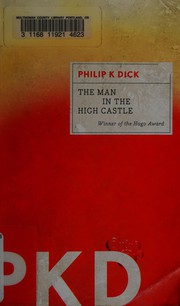
The Man in the High Castle
In a 1962 America split between Japan and Germany, an antiques dealer, a craftsman, and a judo teacher cross paths over a banned novel claiming the Allies won,…
2,317-word summary · 10 min read
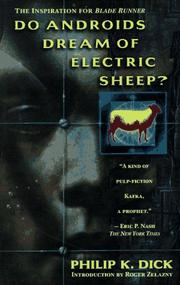
Do Androids Dream of Electric Sheep?
Bounty hunter Rick Deckard retires escaped androids in ruined San Francisco while doubting what empathy still means.
2,841-word summary · 13 min read
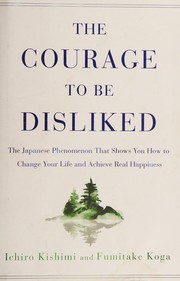
The Courage to Be Disliked: The Japanese Phenomenon That Shows You How to Change Your Life and Achieve Real Happiness
A philosopher and an angry young man argue over five nights about Adlerian psychology, trauma, approval, and the freedom to be disliked.
2,054-word summary · 9 min read
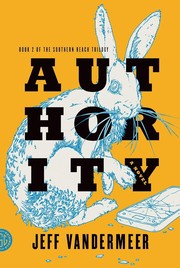
Authority
The new director of the Southern Reach takes over an agency that is hiding the truth about Area X, and the building starts to change around him.
2,029-word summary · 9 min read
The First Fifteen Lives of Harry August
Harry August dies and is born again into the same life, again and again, until a warning from a child tells him the world is ending faster with each pass.
2,189-word summary · 10 min read
Foundation's Edge
Exiled councilman Golan Trevize hunts for the Second Foundation and the lost world of Earth, and finds a planet with one mind waiting to change the galaxy.
2,335-word summary · 10 min read
Sleeping Giants
A girl falls into a field and lands in a giant metal hand. Years later a secret team assembles the rest of the machine, and it chooses its own pilots.
2,466-word summary · 11 min read
Four Thousand Weeks: Time Management for Mortals
Oliver Burkeman turns the whole productivity project on its head, arguing that a human lifespan of roughly four thousand weeks is not a problem to optimize…
2,447-word summary · 11 min read

The Road Less Traveled: A New Psychology of Love, Traditional Values and Spiritual Growth
M. Scott Peck argues that maturity begins with accepting difficulty, then builds discipline, love, and spiritual growth through honest, often painful work.
2,200-word summary · 10 min read

Out of the Silent Planet
A Cambridge philologist is kidnapped and taken to Mars, where the natives are civilized and the humans are the dangerous invaders.
2,612-word summary · 12 min read
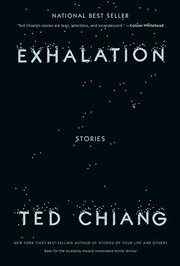
Exhalation
Ted Chiang's second collection contains nine stories about time, memory, free will, and artificial minds, told with clarity and moral seriousness.
2,075-word summary · 9 min read
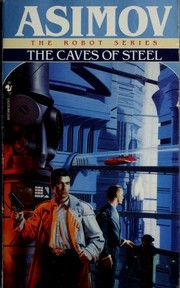
The Caves of Steel
Detective Elijah Baley must solve a Spacer's murder in a domed New York, partnered with R. Daneel Olivaw, a humaniform robot built in the victim's image.
2,445-word summary · 11 min read
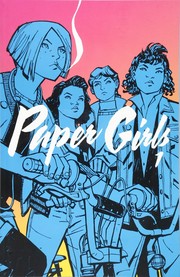
Paper Girls, Volume 1
Four paper girls in 1988 Ohio chase a stolen walkie-talkie into a basement and stumble into a time war, flying dinosaurs, and an older version of themselves.
2,235-word summary · 10 min read
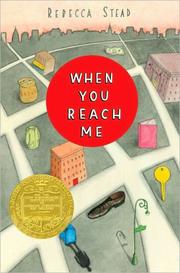
When You Reach Me
A sixth grader in 1970s New York gets strange notes that seem to predict the future.
2,456-word summary · 11 min read
Stories of Your Life and Others
Eight stories about language, time and choice, including the tale behind Arrival.
2,402-word summary · 11 min read

One, Two, Buckle My Shoe
Poirot links a dentist murder to a missing banker and stolen millions.
2,549-word summary · 11 min read

Drive Your Plow Over the Bones of the Dead
An old woman in Poland blames animal revenge for murdered hunters.
2,597-word summary · 12 min read
Children of the Mind
Ender's children split across worlds as Jane faces shutdown and Lusitania flees.
2,532-word summary · 11 min read

At Bertram's Hotel
Miss Marple finds a luxury hotel fronting robbery and murder.
2,550-word summary · 11 min read
Altered Carbon
Kovacs wakes in a new sleeve to solve a rich man's own murder.
2,231-word summary · 10 min read
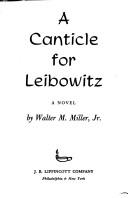
A Canticle for Leibowitz
After nuclear war, monks save books across centuries while the world rebuilds and falls again.
2,381-word summary · 11 min read
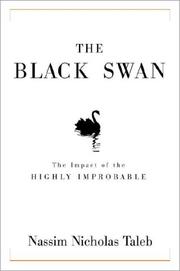
The Black Swan
Taleb argues rare shocks shape history more than models admit, and urges safer exposure over prediction.
2,588-word summary · 12 min read

Solaris
Kelvin reaches a silent station above Solaris and finds grief made solid when the ocean returns his dead wife Rheya, testing memory, science, and the limits of…
2,548-word summary · 11 min read
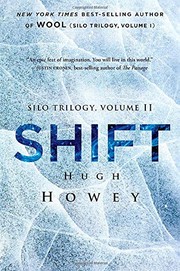

The Untethered Soul
Singer names the noisy inner voice and shows how watching thoughts, loosening old hurt, and keeping the heart open through surrender can ease daily suffering…
2,752-word summary · 12 min read

The Art of Happiness
The Dalai Lama and psychiatrist Howard Cutler link lasting happiness to training the mind, human warmth, compassion, and basic spiritual values for daily life.
3,394-word summary · 15 min read
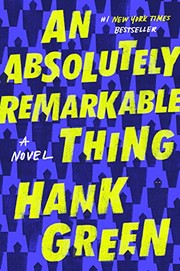
An Absolutely Remarkable Thing
Hank Green's An Absolutely Remarkable Thing follows artist April May after she and Andy film a giant Carl robot in New York that appears in cities worldwide…
2,699-word summary · 12 min read
Across the Universe
Frozen teen Amy wakes early on ship Godspeed and joins heir Elder to stop cryo murders and expose Eldest's drugged rule in this January 2011 Razorbill series…
2,430-word summary · 11 min read

The Island of Doctor Moreau
Shipwrecked Prendick finds Doctor Moreau shaping beasts into men by pain on lost island.
2,137-word summary · 9 min read