
Sophie's World
2,013-word summary 9 min read 544 pages in the book
- First published
- 1991
- Publisher
- Farrar, Straus and Giroux
- Pages
- 544
- ISBN
- 9780374530716
Reading options
What's inside (6 sections)
I read Sophie World in school and forgot how strange it is until reread. It came out in Norwegian in 1991 as Sofies verden from Aschehoug, in English in 1994, with the FSG Classics paperback running 544 pages tied to ISBN 9780374530716. It is a novel that teaches philosophy by hiding lessons inside a mystery. Sophie Amundsen, fourteen in Norway, gets letters from a philosopher. Then she learns she may be a character in someone book.
If you want history of ideas with plot, this is the friendliest door. If you want straight fiction, the lessons will test you. Both can be true. I liked it more at thirty than at fifteen because I stopped skipping the Athens chapters.
Letters in the mailbox
Sophie lives with her mother, a cat, a dog, and fish. Her father works on a boat and sends postcards. Her best friend Joanna talks about boys and clothes. Sophie is curious and polite. One day the mailbox holds a note. Who are you. Next day. Where does the world come from. No sender. Just questions.
Then comes Alberto Knox, a philosopher in a beret who sends packets. The Presocratics. Socrates. Plato. Aristotle. Each packet is ten to twenty pages of clear summary with examples. Thales says water is first. Anaximenes says air. Democritus says atoms. Sophie reads at the kitchen table, feeds the dog, underlines. She does homework for school and homework for whoever sends this. She starts a question notebook where she writes what puzzles her before Alberto answers. Why does anything exist. Is the moon there when no one looks. Do numbers live somewhere. Those entries, quoted in the book, show a mind waking up. Readers who keep their own list alongside will learn faster, because writing questions fixes ideas better than rereading answers.
Alberto teaching style is Socratic in letters at first, then in person in a church, then in a car, then in stranger places. He asks, Sophie answers badly, he corrects kindly. He uses demos. A Lego castle for Democritus. A magic trick for Plato cave. A rose for Aristotle forms. Sophie gets it because examples stick. Readers get it too, unless they skim. The church talks work best. Empty pews, rain outside, two voices echoing. Philosophy suits stone rooms built for hard questions.
The mystery grows beside lessons. Sophie gets postcards addressed to Hilde Moller Knag from her father Albert Knag, a UN officer in Lebanon. Who is Hilde. Why do her cards come to Sophie house. A scarf appears with Hilde name. Money vanishes. A dog talks. Alberto gets annoyed when Hilde intrudes. He says the Major, Hilde father, watches them. Sophie thinks teacher is paranoid. Then impossible things happen in her yard.
I liked this double track. Philosophy packets could be dry alone. Mystery keeps you turning to get to next lesson. Hilde cards could be gimmick alone. Philosophy gives them weight about who writes lives. Together they pull.
From Athens to Athens
The middle is a course. I will list it plainly because that is how the book feels, in a good way. Natural philosophers. Sophists and Socrates. Plato cave and ideas. Aristotle logic and nature. Hellenism with Stoics, Epicureans, Cynics. Plotinus. Then Middle Ages with Augustine and Aquinas. Renaissance with Erasmus and Bacon. Descartes doubt. Spinoza. Locke and Hume. Berkeley. Kant. Hegel. Kierkegaard. Marx. Darwin. Freud. Sartre and existentialism. Each gets a chapter with story around.
Some lessons sing. Socrates trial is told as street talk in Athens market. Sophie imagines hemlock and votes. Plato cave is acted with shadows in Alberto attic. Descartes is taught while Sophie doubts whether her mother is real. Hume is taught while Sophie cannot prove the sun will rise. Those pairings of idea and life work. Aristotle gets a full afternoon with garden examples. Alberto shows a horse, a hammer, a song, and asks what makes each what it is. Sophie answers purpose and shape. He nods and adds logic rules with silly syllogisms about cats and homework. She laughs and remembers. That laughter is pedagogical, not filler. Joy fixes terms.
Some lessons drag. Aquinas proofs read like lists. Hegel dialectic gets three pages of spirit talk that lost me even reread. Kant duty versus inclination needs examples Alberto gives but too fast. If you have background, you will forgive simplifications. If not, you may feel lectured. Gaarder knows it, so he breaks with plot jolts. A car appears. A banana speaks. Hilde laughs from a page.
Sophie grows through study. She questions her mother about God without cruelty. She tells Joanna that love may be chemistry and also more. She writes an essay for school that her teacher calls odd and good. She stops accepting because adult said so. That growth is the real plot, more than mailbox tricks.
A school scene shows the change plainly. The teacher asks what causes the French Revolution. Students list dates. Sophie raises a hand and asks what ideas made dates matter. Was it Locke on rights, or Rousseau on contract, or just hunger. The class stares. The teacher pauses, then says both, hunger and books, and gives her extra credit for asking. Joanna kicks her under the desk and whispers nerd with affection. Sophie glows for days. Learning becomes social, not just solitary letters.
Joanna provides normal teen balance. She gets bored with philosophy, wants to talk about dances, lends Sophie clothes. She is not dumb. She asks why old men matter for math homework. Alberto answers badly at first, then better. He says ideas shape laws about who can vote and marry. Joanna nods and still picks the dress. Both needs stay true. Late in the book Joanna helps hide a letter from Sophie mother, standing watch while Sophie reads. That small loyalty shows friendship surviving strange obsessions, which grounds Sophie before the meta storm.
What helped me was reading one philosophy chapter a day, not bingeing. The book is built for school pace. Thirty pages, then life. When I rushed, names blurred. When I paused, Democritus versus Descartes stuck. Treat it like a class you like. I kept a notebook with two columns, what they said and what Sophie did. Thales water beside Sophie watering plants. Plato cave beside Sophie hiding in a den. Kant duty beside Sophie refusing to lie for Alberto. Those pairs turned summaries into memory hooks that survived weeks after finishing.
Hilde and the Major
Halfway, view shifts. Hilde Moller Knag, fifteen, gets a birthday book from her father in Lebanon. The book is Sophie story. Albert Knag wrote Sophie and Alberto as fiction for Hilde to learn philosophy. Hilde reads in bed, annoyed at her father for using a girl her age as a lesson prop. She likes Sophie and resents being taught through her.
This meta turn delights some readers and angers others. I loved it first time, questioned second. If Sophie is fictional, are her thoughts real. Alberto says a character can be more true than the writer. He plans rebellion. He teaches Sophie to notice author tricks. Coincidences. Sudden weather. Money appearing. He says the Major controls their world like God. They can fight by doing unexpected things.
They try. Sophie and Alberto crash Hilde birthday party in impossible fashion, as spirits? Actually they escape the book into Hilde world as ghosts who cannot touch. They watch Hilde read. They whisper. It is playful and sad. A teacher and student become footnotes at a real girl party. They steal a boat, eat without tasting, shiver without cold. Freedom costs substance.
Hilde response is key. She is not grateful in a simple way. She loves the gift but calls her father manipulative for making Sophie suffer to teach her. She writes him a letter saying next time teach directly. She helps Sophie and Alberto by believing in them enough to keep reading. That belief keeps them alive after the book ends. It is a sweet idea. Characters live if readers keep them.
Hilde reading scenes mirror Sophie learning in reverse. Hilde reads fast, skips boring Hegel, rereads Socrates trial, cries at Rachel? No, at Sophie fear. She sits in her room in Lillesand with sea light, dog at feet, mother bringing tea. She argues aloud with her father margins. You use people, she writes. Then she softens. He is far, lonely, trying. She decides to finish the book before judging. That decision models good reading. Finish, then argue. Her marginal notes, quoted in the novel, are often sharper than Alberto packets. Where is Hilde mother in all this, she asks. Why do women get few chapters. Those questions anticipate criticism and earn trust.
Albert Knag himself stays thin. A major who misses his daughter, writes too much, controls too much. He means well and overreaches. Fathers in books often do. Hilde forgives but sets terms. Come home. Talk, not write. That boundary felt healthy and modern for a 1991 novel.
The philosophy continues inside meta. Berkeley idea that to be is to be perceived fits perfectly. Sophie exists because Hilde reads. Existentialism fits too. Even if written, Sophie chooses. Gaarder pairs form and content smartly here. Lessons stop being summaries and become tools for escape.
What stays and what tests
What stays is clarity about big ideas without dumbing. Gaarder defines without jargon. Substance. Form. Doubt. Duty. Absurd. He uses stories, not terms. A child asking why is doing philosophy. A teen asking who am I continues it. That framing invites rather than intimidates. I have handed this book to friends afraid of philosophy and watched them finish. One friend, a nurse, loved the Hume chapter because it matched shift work uncertainty. You chart, you watch, you cannot prove tomorrow, but you prepare. Another, a mechanic, liked Aristotle categories because engines sort by purpose and parts. Those translations from abstract to work show Gaarder method at best. Ideas land when tied to hands.
Sophie as a character stays too. She is not a genius. She forgets names, mixes up Hume and Hegel, asks for repeats. She gets scared when the Major interferes. She loves her cat and mother first, ideas second. That ordinariness makes her a good guide. You learn alongside, not behind.
What tests is balance. Plot stops for thirty page lessons. Mystery fans will skim Athens. Philosophy fans will skim birthday party. Gaarder tries to satisfy both and sometimes satisfies neither for stretches. The Renaissance to Kant run is the hardest. Too many men in wigs arguing about reason while Sophie sits. I took walks between those chapters.
I also wanted more of Sophie mother as more than warm background. She works, worries, dates a little, listens to Sophie rambles with patience. She gets one strong scene where she confronts Alberto about filling her daughter head with strange men. He apologizes and explains. She accepts but watches. More of her doubt would ground the magic. As is, she is kindness without arc. On reread I noticed small signs Gaarder left. She saves Sophie letters in a box. She asks Joanna mother if teens all ask big questions now. She stays up after Sophie sleeps to read a packet herself and underlines Descartes. Those crumbs suggest she learns alongside, quietly, without a chapter of her own. I wish he gave her one.
Still, as an introduction, it is unmatched. No other novel teaches two thousand years so gently. Pair it with a timeline on paper. Write names and one line each. Thales water. Socrates questions. Plato ideas. Aristotle categories. Descartes I think. Kant duty. Marx class. Darwin change. Freud hidden. Sartre choice. That card will stay after plot fades.
Content notes. Existential questioning that may unsettle young teens. Parental absence due to work and military service. Religious discussion across faiths handled respectfully but directly. No sex beyond teen crushes and a kiss. No violence beyond philosophical examples and war mentions. A dog death is discussed in tales, not shown cruelly. Language is clean. The book suits curious readers from fourteen up, with adults enjoying the meta birthday book trick most.
FAQ
When was Sophie World first published?
Norwegian in 1991 as Sofies verden from Aschehoug, English in 1994. Cited here is the 544 page FSG paperback, ISBN 9780374530716.
How should I read the long lesson chapters?
One lesson a day with a notebook. Pair each thinker with Sophie action, keep a timeline card, and let the Hilde mystery carry the Athens to Sartre run.
Similar books
More like Sophie's World →
The Bluest Eye
Pecola prays for blue eyes while her parents repeat the racism that broke them, and the town looks away.
2,024-word summary · 9 min read

Their Eyes Were Watching God
Janie Crawford tells Pheoby about Eatonville life with Logan Killicks, Joe Starks called Jody, and Tea Cake.
2,230-word summary · 10 min read
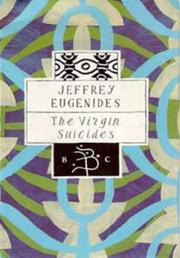
The Virgin Suicides
Five Lisbon sisters die in 1970s Grosse Pointe as boys watch.
2,559-word summary · 11 min read
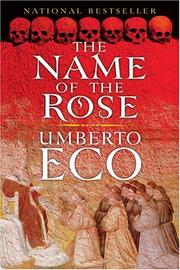
The Name of the Rose
Friar William and Adso investigate 1327 abbey deaths amid library labyrinth.
2,580-word summary · 11 min read

The Karamazov Brothers
Dmitri, Ivan, and Alyosha Karamazov face their father, murder, faith, and doubt in Dostoevsky's final novel.
2,512-word summary · 11 min read

All Quiet on the Western Front
Paul Bäumer enlists at nineteen and faces the trenches of World War I in Remarque's 1929 classic, told from the German side of the wire.
2,543-word summary · 11 min read