

Disgrace
2,533-word summary 11 min read 219 pages in the book
- First published
- 1999
- Publisher
- Secker and Warburg
- Pages
- 219
- ISBN
- 9780436204890
Reading options
What's inside (8 sections)
I came to this book late, after hearing it described so many times as bleak that I kept putting it off. What finally moved it up the pile was its size. The first edition from Secker and Warburg in 1999 runs only 219 pages, and I figured I could face something hard if it was short. It turned out to be shorter than I expected and harder than I expected, in a way that stayed with me for weeks. Coetzee won the Booker Prize for it, his second, and you can see why judges would have admired the control of the sentences. Every paragraph feels weighed.
The setup is simple on the surface. David Lurie is fifty two, twice divorced, living alone in Cape Town. He teaches Romantic poetry, or rather he used to, before his department was folded into something called communications. He has a daughter named Lucy who lives far away in the Eastern Cape. He sees a woman named Soraya once a week by arrangement, pays her, talks a little, and tells himself the arrangement suits them both. Then he starts an affair with one of his students, a twenty year old named Melanie Isaacs, and everything orderly in his life comes apart.
A professor who mistakes appetite for charm
Lurie teaches at what the book calls Cape Technical University, a former college that has been renamed and reorganized. He does not respect the new courses. He gives a class on Wordsworth and watches the students stare back at him without interest. He has opinions about Byron and about what poetry can still do in a place that seems to have stopped listening. None of this makes him a good teacher. It makes him a tired one who enjoys the sound of his own lectures.
Soraya matters because she shows how Lurie organizes his private life. He likes the regularity. Thursday afternoons, the same room, money left discreetly. He tells himself she enjoys his company. When she suddenly ends the arrangement after he tries to follow her and learn more about her real life, he is hurt in a way that surprises him. He had mistaken a paid hour for something mutual.
Melanie is different. She is enrolled in his Romantic poetry course. She is quiet in class. He notices her, invites her for a drink, then to his house, then into bed. Coetzee writes these scenes without heat. Lurie tells himself she does not resist. He tells himself desire excuses a great deal. Her attendance drops. She misses a midterm. He still gives her a passing grade, then alters the record when that looks suspicious, which only makes things worse. Her boyfriend, a young man named Ryan, confronts him at his office and pushes his papers off the desk. Her father telephones him and then comes to see him in person. Lurie avoids a straight apology and avoids the father too.
What struck me here was how little Lurie understands about power. He thinks of himself as a lover in the old style, a man with a servant problem rather than a conduct problem. He is fifty two and she is twenty. He grades her work. He controls whether she stays in the course. The book never lets him say this plainly, and that is the point. He keeps reaching for literary explanations when a plain one would do.
The hearing and the refusal to play along
The university sets up a committee of inquiry. Lurie admits the facts. He says he had a relationship with Melanie Isaacs and that it was wrong in the sense that an affair between teacher and student is wrong. What he will not do is perform the kind of remorse the committee wants. They ask for counseling. They ask for a statement he does not believe. They want him to say his desires were misdirected and that he will fix himself. He refuses, politely at first and then with open contempt.
I found these pages both satisfying and irritating, which I think is intended. On one hand Lurie has a point about staged apologies. The hearing feels like theater, with its careful language about community standards. On the other hand his pride is absurd. He has done something that harmed a young woman and damaged the trust of his classroom, and he treats the process as beneath him. He resigns rather than submit, or is pushed into resigning, depending on how you read the final meeting. Either way he leaves Cape Town with nowhere to go except east, to Lucy.
Before he goes, Coetzee gives us Lurie working on an opera about Byron in Italy. Lurie has carried the idea for years. Byron in exile, aging, involved with a married woman, dictating to friends. The drafts Lurie plays on a small banjo sound thin. He knows they sound thin. The opera keeps returning through the book, changing shape as Lurie changes, or fails to change. At first Byron is the hero. Later the focus moves to Teresa, the woman left to raise a child and manage a difficult man. That shift tells you more about Lurie than any speech he gives to the committee.
A fair criticism belongs here. The Cape Town chapters can feel airless. Lurie is not curious about anyone except himself, so the city comes through as streets and rooms rather than people. Soraya vanishes quickly. Melanie stays mostly silent. Some readers will feel Coetzee keeps the women at a distance so Lurie can think at them. I felt that too, though I also felt the distance was part of the argument. We are trapped with a man who does not listen, and the prose makes us notice the trap.
Lucy and the smallholding at Salem
Lucy lives outside a settlement called Salem in the Eastern Cape. She keeps dogs for boarding and grows vegetables and flowers for the Saturday market. She lives plainly. Her partner Helen has left her, so she is alone when her father arrives except for one worker turned neighbor named Petrus and a part time helper with the animal welfare clinic named Bev Shaw.
Petrus is one of the centers of the book. He started as the man who looked after the dogs. By the time Lurie arrives, Petrus has his own land beside Lucy and is building a house while speaking about buying more. He calls himself the dog man in a way that sounds both modest and pointed. He works hard. He is polite. He also makes Lurie uneasy because Lurie cannot place him in the old categories. Petrus is not asking for permission. He makes deals and plans a future in which white neighbors matter less.
Bev Shaw runs a small clinic for sick and unwanted animals. She is plain and exhausted. Lurie starts helping her, at first out of boredom and then out of something closer to need. He holds animals during procedures. He drives the van. He learns to put dogs to sleep and to carry the bodies to the incinerator. These scenes are written with a care that the university scenes lack. Coetzee slows down for the weight of a dog, the smell of disinfectant, the way Bev talks to owners who cannot pay.
Lucy and her father circle each other. She loves him but does not admire him. She asks little about Cape Town. She works beside him without much talk. Lurie tries to help by weeding and by minding the stall, and he is bad at both. He watches Lucy with a mixture of pride and confusion. She has chosen a life he would never have chosen, close to the soil, without books, without city talk. He keeps waiting for her to explain herself. She keeps declining to explain.
The attack
About a third of the way through the book, three young men come to the farm in the middle of the morning. They say they need to use the telephone. Lucy is wary but opens up. Within minutes Lurie is locked in a bathroom, struck, doused with fluid and set alight, while Lucy is assaulted in another room. The dogs in the kennels are shot. The men steal clothes and the car and leave.
Coetzee writes the violence briefly and leaves the aftermath long. Lurie ends up in the hospital in Grahamstown with burns on his head and arm. Lucy refuses to go to the police in the way Lurie expects. She reports the theft and the attack on her father, but she will not name the assault on herself as something the law should pursue. She says she will handle it privately. She says the men were strangers and that involving the police will only bring more trouble.
This is where many readers stall, and I understand why. Lucy is a lesbian living alone on a remote plot in a country where farm attacks were common and where the police offered little safety. She decides to carry a pregnancy that results from the assault and to continue living where she lives. Lurie calls this foolish. He presses her to leave, to report, to abort, to move to Holland where she has family. She refuses each suggestion. Coetzee does not give her a speech that settles the question. She says she will accept what has happened as a price for staying, that she must start at the bottom with nothing, like a dog.
I read those conversations twice. Lucy is not portrayed as broken or as noble in any simple sense. She is trying to read a changed country correctly. White ownership of land no longer carries the protection it once did. Petrus offers a kind of protection through alliance, and she is willing to pay for it with land and deference. Whether Coetzee thinks she is right is left open. Lurie thinks she is surrendering to men who harmed her. Lucy thinks her father still believes the old rules apply, when they do not.
Petrus and the terms for staying
After the attack, Petrus moves closer to the center of every scene. One of the attackers, a sullen youth named Pollux, turns up at a gathering at Petrus place. Petrus calls him family. Lucy recognizes him and says nothing. Lurie wants to act and Lucy forbids it. Later Pollux comes to live near the farm and watches Lucy while she bathes. Lurie catches him and wants to punish him. Lucy again tells her father to stop.
Petrus proposes that Lucy come under his protection. The terms are plain though never written down. She will sign over part of her land. She will become, in his phrase, part of his household, perhaps as a third wife in custom if not in law. He will stand between her and young men like Pollux. Lurie hears this as extortion. Lucy hears it as the only offer on the table.
Their talks about this are painful because both people are partly right. Lurie sees that his daughter is being forced to trade dignity and property for safety after a crime, and that no one will be punished. Lucy sees that her father wants justice in a form the local world will not provide, and that his idea of justice depends on a police force and courts that have no real hold in Salem. She also suspects, correctly, that her father partly wants revenge for his own humiliation during the attack, when he was locked away and burned while she was in the next room.
Petrus himself remains hard to read. He helps Lucy at the market and lends equipment when she needs it. He speaks about his plans with calm. He does not apologize for Pollux. He does not explain Pollux. Coetzee lets him stay opaque, which some critics have called unfair. I felt the opacity was honest about Lurie limits. Lurie cannot hear Petrus clearly because he never learned the language, literally and otherwise. Petrus speaks English with care and speaks his own language with others, and Lurie catches only pieces. The gap is the story.
Dogs, old age, and the Byron pages
While the land question hangs, Lurie keeps working with Bev Shaw. The clinic work becomes the steadiest part of his days. He helps put down dogs that no one wants, including litters of puppies and old farm animals. He takes the bodies to the disposal site and refuses to let the workers break the limbs to fit more into the fire. He carries each body in. It is the one ritual he performs without irony.
One dog in particular holds him. A young male with a crippled hind leg, half shepherd, that follows him and sleeps near the clinic. Lurie calls him Driepoot in his head. He grows fond of the animal in a way he is not fond of people. Bev tells him the dog will be put down too, since no one will adopt a lame dog. Lurie understands and still delays. At the end he carries Driepoot to the table himself and holds him while Bev gives the injection. Readers argue about what this means. I read it as the one place where Lurie stops bargaining and accepts a loss without making it about himself, or mostly without making it about himself.
The Byron opera changes alongside this. Lurie stops trying to write grand arias for an aging poet. He starts hearing Teresa instead, the abandoned mistress left to raise a child. He picks out tunes on the banjo. He sings in a thin voice. Bev listens without mocking him. The music will never be performed. That is not the point. The point is that Lurie has finally found a subject who is not himself as hero, but himself as the man who leaves damage behind.
Coetzee ends without clearing anything. Lucy keeps the child she is carrying and keeps the farm on reduced terms. Lurie takes a small room near the clinic and visits Lucy without authority over her choices. Melanie is gone from his life except as a memory that still itches, and Petrus keeps gaining ground. Nothing is forgiven in any formal way.
Is this a great novel. I think it is, with reservations I cannot set aside. The prose is exact and often beautiful in a dry way. The structure is tight. The refusal to explain Lucy gives the book its force and also its trouble. Some will feel she exists to teach her father a lesson about history, which reduces her. Some will feel the assault is used as a device to humble a white man, which is a grave charge. Coetzee does not answer these charges inside the book. He leaves Lucy pregnant and unmoved and Lurie gentler but still self serving, and asks whether that counts as change.
What stayed with me was smaller than the arguments. The Saturday market with wilting flowers. The dogs barking before they are shot. Bev Shaw wiping a table. Lurie carrying a dead dog so its legs would not be broken. A short book can hold a great deal when it refuses to look away, and this one refuses for all of its 219 pages.
FAQ
What is Disgrace about?
It follows David Lurie, a Cape Town professor dismissed after an affair with a student, who moves to his daughter Lucy farm in the Eastern Cape where both are attacked.
Why does Lucy refuse to report the attack or leave the farm?
Coetzee leaves her choice open. She keeps the farm on harder terms and carries the pregnancy, planning to live under Petrus protection rather than seek court justice.
Is Disgrace a difficult read, and who is it for?
Readers should expect sexual assault, racial violence, animal death, and a cold central character. The prose is spare and the moral questions stay unresolved.
Similar books

Let the Great World Spin
A wire walker crosses the towers as Bronx lives collide below.
2,338-word summary · 10 min read

House of Sand and Fog
A foreclosed California house pits recovering addict Kathy against Iranian immigrant Behrani, with a deputy whose obsession turns fatal.
2,008-word summary · 9 min read
Silas Marner
A falsely accused weaver hoards gold in Raveloe until a stolen hoard and an abandoned child remake his narrow life.
2,699-word summary · 12 min read

Revolutionary Road
A Connecticut couple who believe they are too good for the suburbs plan to move to Paris, and the plan slowly exposes everything they cannot say to each other.
2,085-word summary · 9 min read

Sophie's Choice
A young Southern writer in 1947 Brooklyn befriends a brilliant, unstable couple and slowly learns the story of the Polish Catholic woman at the center of their…
2,798-word summary · 12 min read
Mother Night
Howard W. Campbell Jr., a Nazi propagandist and American spy, tells the story of his double life from an Israeli prison cell while waiting to be tried for war…
1,988-word summary · 9 min read

The Story of Edgar Sawtelle
A mute boy on a Wisconsin dog-breeding farm relives Hamlet as his uncle returns, his father dies in the barn, and the dogs inherit what is left.
2,392-word summary · 11 min read
The Orphan Master's Son
Adam Johnson's Pulitzer-winning novel follows Pak Jun Do from a North Korean orphanage to a deadly identity swap, under a state whose loudspeakers never stop…
2,219-word summary · 10 min read
The House of Mirth
Lily Bart, beautiful and penniless at twenty-nine, navigates New York's marriage market until a Dorset yacht scandal strips her of the only currency she has.
2,468-word summary · 11 min read

Olive, Again
Elizabeth Strout returns to Crosby, Maine, as Olive Kitteridge marries Jack Kennison, confronts her son, and faces old age, grief, and small-town judgment.
2,333-word summary · 10 min read
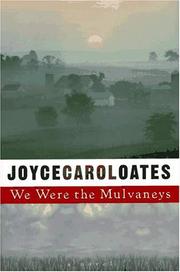
We Were the Mulvaneys
After a rape following a school dance, the Mulvaneys, a family that believed it was blessed, comes apart over fifteen years. Narrated by the youngest son.
2,094-word summary · 9 min read
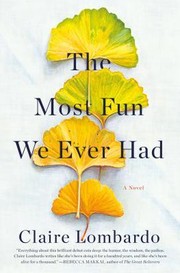
The Most Fun We Ever Had
Four Sorenson sisters orbit perfect parents hiding old cracks.
2,590-word summary · 12 min read

The Accidental Tourist
Grieving Macon writes travel guides for haters of travel, then Muriel intrudes.
2,252-word summary · 10 min read

Men Without Women
Seven stories about men living after women leave, die, or stay distant.
2,673-word summary · 12 min read

Kitchen
Orphan Mikage finds home in a kitchen with Yuichi and Eriko after loss.
2,597-word summary · 12 min read

Ham on Rye
Henry Chinaski grows up rough in Depression Los Angeles and finds writing.
2,244-word summary · 10 min read

An Object of Beauty
Lacey climbs the art world from Sotheby to fraud and fall.
2,629-word summary · 12 min read
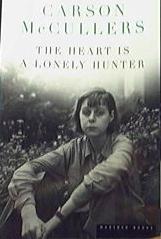
The Heart is a Lonely Hunter
A deaf man becomes the quiet center for lonely souls in a small Georgia mill town.
2,000-word summary · 9 min read

The Fall
A fallen Paris lawyer confesses in an Amsterdam bar, tracing guilt from Paris success to a bridge he failed to face.
2,220-word summary · 10 min read
The Art of Fielding
A flawless college shortstop loses his throw at Westish College, and five tangled lives must face failure and change.
2,519-word summary · 11 min read
The Tenth Circle
After Trixie accuses Jason of rape and he dies off a bridge, parents Daniel and Laura hide guilt and grace in Alaska flight.
2,164-word summary · 10 min read

Handle with Care
Parents of brittle bone daughter Willow sue best friend OB for wrongful birth, splitting marriage and friendships.
2,231-word summary · 10 min read
Ethan Frome
In snowy Starkfield, farmer Ethan Frome falls for his wife's young cousin Mattie, and one sled ride ends any hope of escape.
2,558-word summary · 11 min read
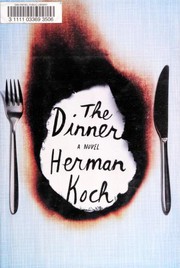
The Dinner
Two couples meet for dinner in Amsterdam to decide what to do about a violent crime their teenage sons committed.
2,958-word summary · 13 min read
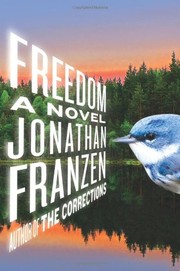
Freedom
A St. Paul couple and their grown children strain marriage, loyalty, and ideals in 2000s America.
2,678-word summary · 12 min read
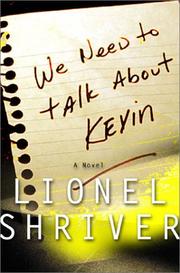
We Need to Talk About Kevin
In letters to her dead husband, Eva reconstructs how her son Kevin grew from a cold child into a school killer.
2,041-word summary · 9 min read
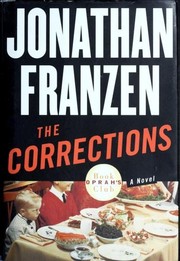
The Corrections
An aging Midwestern couple tries to gather three troubled adult children for one last Christmas at home.
2,094-word summary · 9 min read
The World According to Garp
Writer Garp navigates fame, marriage, and loss with bears and wrestling.
2,072-word summary · 9 min read