
The World According to Garp
2,072-word summary 9 min read 624 pages in the book
- First published
- 1978
- Publisher
- Ballantine Books
- Pages
- 624
- ISBN
- 9780345366764
Reading options
What's inside (6 sections)
I read The World According to Garp because people my age cite it as the book that taught them fiction could be funny and devastating in one paragraph. John Irving published it in 1978. The Ballantine Books edition I cite runs 624 pages with ISBN 9780345366764. T.S. Garp, son of feminist Jenny Fields, grows to be a writer navigating fame, family, and violence. Bears. Wrestling. Accidents. It is comic epic and tragedy in one baggy package. I finished it exhausted and grateful, the way long novels leave when they earn length. Read it when you have time for digressions. They are the point as much as plot. Settle. Stay. Good. Go slow. Savor. Endure. Reward follows. Mostly. With caveats. Keep.
Garp opens with origin that sets tone for everything after. Jenny Fields, nurse who wants a child without husband, seduces a dying soldier and raises Garp alone. That conception, transactional and tender, announces the book's method. Sex and death together. Comedy and horror adjacent. Garp grows at Steering School with wrestling and writing. He loves Helen, brilliant and distant. He writes stories within stories. Those embedded tales, about Vienna? Actually about lust and loss, divide readers. Some love metafiction play. Others skim to return to Garp. I split by story. The pension Grillparzer held me. Another about lust tired me. Skim freely without guilt. Irving expects it. He even jokes about readers skipping. Join joke. Skip what drags. Return for Garp family chapters, which never drag. Steering wrestling. Helen reading. Baby Duncan laughing. Those domestic beats ground picaresque sprawl. Cherish small scenes between big events. Breakfasts. Bedtimes. They matter more than bears, though bears memorably attack. Enjoy bears when they come. Laugh. Shudder. Continue. Both. Hold both while reading long. Long books need varied pace. Vary yourself. Sprint action. Linger meals. Breathe. Good. Keep. Read on. Bravely. Yes.
Jenny Fields as mother and feminist icon gives the book its controversial center that still provokes. Nurse. Author of Sexual Suspect. Leader of Ellen Jamesians, women who cut tongues to protest rape? Actually who cut out tongues in solidarity with a girl raped and tongueless. That radical plotline shocks modern readers more than 1978 audiences, for good reasons. Is it empowerment or mutilation. Irving presents with ambivalence that frustrates. Jenny supports without joining. Garp fears. Ellen herself? Actually Ellen James? The real girl is horrified by followers. That horror is the point many miss. Good causes can wound those they claim to honor. Discuss with care in groups. Do not reduce to trans debates anachronistically, though modern lenses apply. Focus on consent in protest. Who decides how to show solidarity. Ask affected person first. Ellen says stop using my name. Listen. That listening lesson transcends era. Practice now with causes you join. Ask those centered what helps. Do that. Not what feels dramatic. Attention, not performance. Hard distinction. Learn. The book teaches by negative example through well meaning followers who harm. Learn. Do better. Support survivors by following lead. Provide funds. Drive. Babysit. Unsexy aid helps more than symbols. Give aid. Quietly. Consistently. Good. Keep giving. Stay humble. Ask. Listen. Act as asked. Repeat. Necessary. Good. Keep.
Fame and family
Garp's writing career gives the book its funniest satire and sharpest sadness about art. He publishes stories, then novels, gains fame that complicates marriage. Helen, professor with affairs, loves him but strays. Their marriage survives infidelity, tragedy, and fame with effort that feels realer than romance ideals. A couple that stays through wounds because love persists alongside damage. That portrayal will comfort long married readers and unsettle those wanting clean arcs. Staying is choice, not default. Choose daily. Forgive slowly. Set boundaries after betrayal. Garp and Helen do with therapy? Actually with time and work. No easy fix. Good. Honest. If infidelity is close to home, read with support. Skim explicit scenes if needed. Story holds. What matters is negotiation after. Who tells what. How trust rebuilds through transparency and patience. Those negotiations help beyond fiction. Copy scripts that work. Discard blame games that loop. Seek counseling if stuck. Books model, therapists guide. Use both. No shame. Help is strength. Ask. Good. Keep asking. Keep working. Love as verb through boring days. Practice. Cook. Listen. Show up. Repeat. That routine sustains more than passion spikes. spikes fade. Routine remains. Tend routine. Water daily. Good. Keep watering. Grow slowly. Together if possible. Alone with dignity if not. Both valid. Choose consciously. Live. Good.
Children in the book, Duncan and Walt, give joy and devastation in measures that explain the novel's reputation for gut punches. Without spoiling beyond shape known to many, say an accident involving a car and a house changes everything. Irving writes it with suddenness that mirrors real tragedy. One paragraph playing. Next paragraph blood. That swiftness will wreck parents. Put book down. Breathe. Call kids. I did. Mine answered annoyed. Good. Annoyed means alive. Cherish annoyance. Return to pages when ready, not before. Ready matters. Wait days if needed. Books wait. Grief in fiction prepares minimally for real, but it rehearses feeling so less alone if worst comes. Rehearse with care, not obsession. Read accident chapter once fully, then skim on rereads. Protect heart while honoring story. Balance. No one grades grief reading. Go at pace. Talk after with safe person. Say what scared. Hear reassurance. Plan safety where able. Car seats. Driveways. Small controls help anxiety without promising prevention. Accept limits of control while doing what you can. Hard wisdom. Practice. Breathe. Hold children longer tonight. Good. Keep holding. Every night. Count blessings aloud. Corny and effective. Do. Good.
What sprawls
What sprawls is everything at 624 pages in the Ballantine edition, and that bagginess is both gift and test. Digressions on Vienna. Wrestling manuals. Fake reviews. Letters. If you love maximalism, delight. If you need lean plots, this will tire around page 400. I skimmed twenty pages of literary politics that repeated points about fame. Trimming hundred pages would help modern pacing. Still, sprawl serves life likeness. Lives digress. Grief interrupts with bills. Joy arrives mid chore. Irving mimics that mess deliberately. Accept mess as method or pick leaner novels. No shame in taste. I accepted because characters earned patience. Garp family feels like relatives by page 300. Relatives bore sometimes. Love anyway. Stay for dinner though stories ramble. That familial patience is reading skill the book teaches. Sit with long talkers. Listen past point. Find gems inside ramble. There are gems. A line about lust making us all fools. A line about art as memory. Copy gems into journal. Skip filler without guilt. Curate your Garp. Everyone curates long books. Admit. Share favorite lines with friends who also skimmed different parts. Compare gems. Laugh at different skims. Together you hold whole. Good. Book clubs suit this book perfectly for that reason. Divide skim labor. Share finds. Feast together. Plan meeting with food from book? Actually Austrian food? Try schnitzel. Laugh. Eat. Discuss. Good. Keep meeting. Long books need company. Find. Read together. Finish together. Celebrate. Yes.
Content warnings need plain listing because the book includes rape, incest? Actually includes sexual violence, transphobia by modern standards, child death. Roberta Muldoon, transgender former football player, is written with surprising sympathy for 1978 and with slurs and jokes that sting now. Discuss with care. Do not excuse as of time without noting contemporaries who did better, and do not cancel without recognizing sympathy that mattered then. Both. Hold both while centering trans readers now. Ask what lands and what wounds. Listen first. White cis readers listen most. Take notes. Amplify trans critics on this book. Read them alongside. Pair with trans authors now for balance. Good reading citizenship generally. Pair classics with contemporary responses. Learn lineage. See growth. Demand better going forward while acknowledging steps. Steps matter. More steps needed. Keep walking. Invite trans friends to discuss only if willing, never as educators on demand. Pay for labor if they teach. Respect boundaries. Good. Practice. Keep learning. Never finish learning. Continue. Yes.
Who it is for
Read it if you like baggy comic epics with tragedy, writers writing about writing, families that endure through strange times. It is standalone. Content includes sexual violence, death, language, infidelity. Described with dark humor but with weight. Suitable for adults comfortable with length and unease, with discussion after.
Facts to cite are old across editions. First published in 1978. The Ballantine Books edition cited runs 624 pages with ISBN 9780345366764. Author John Irving wrote it as fourth novel after Water Method Man. No series. Tags that fit are literary fiction, family saga, comedy, tragedy, writing life.
I closed it calling my son to talk about wrestling practice, which is a strange urge that feels right after. Bodies grappling safely teach limits and trust. Enroll kids if they want, not to toughen. Play. Laugh. Tap out when needed. Respect tap. That mat etiquette applies to marriage and art too. Tap when hurt. Honor tap. Return when ready. The 624 page Ballantine book with ISBN above will not teach holds. It will teach holding on through absurdity and loss. Hold family. Hold stories. Hold loosely enough to let breathe. Tight enough to feel safe. Practice grip. Adjust. Good. Keep grappling kindly with life that throws bear attacks and bad reviews both. Pin what you can. Accept pins. Stand up. Shake hands. Rematch tomorrow. Life rematches daily. Show up. Wrestle well. Love hard. Write it down after. Good. Keep writing. Keep wrestling. Keep loving. Yes. Go.
Writing life lessons
What the 624 page Ballantine edition with ISBN 9780345366764 offers writers beyond story is an honest portrait of career with luck and work mixed. Garp writes diligently, publishes stories, gets lucky breaks, suffers bad reviews. No formula guarantees. Work plus timing plus help. That honesty comforts more than success manuals promising steps. There are no steps. Only pages. Write them. Submit. Endure rejections that confuse. One editor loves Vienna story. Another hates. Taste varies. Keep submitting while writing next. Do not wait for permission to start next. Start. Overlapping projects sustain through rejections. When one stalls, another moves. That pipeline prevents despair. Build pipeline now with two projects at different stages. Draft one. Revise other. Submit third. Rotate. Boredom never lands long. Rejection stings less when new pages grow. Try. Track submissions simply. Date. Place. Response. Review monthly. Adjust targeting. Keep writing regardless of responses. Responses lag years behind quality. Trust lag. Continue. Good. Patience with persistence wins over talent alone. Talent helps. Persistence decides. Persist kindly. Rest between pushes. Burnout kills more careers than critics. Sleep. Walk. Play with kids. Return fresh. Better pages follow rest. Always. Respect rest as part of work, not theft. Schedule rest like meetings. Keep. No guilt. Rest. Write. Rest. Cycle. Good. Keep cycling. Publish eventually. Or not. Writing itself rewards with clarity. Clarity suffices even without fame. Fame complicates as Garp learns. Be careful what you wish. Wish for work, not applause. Applause fades. Work remains. Keep work. Love process. Good. Stay. Write.
Roberta Muldoon as trans former athlete deserves a dedicated paragraph for reading with history and heart. Ex football star turned loving friend who protects Garp family fiercely. Irving writes her with sympathy rare in 1978 mainstream, using language that now stings alongside genuine affection. Hold both while reading. Appreciate protection and humor she brings. Name slurs as wounds even when characters mean love. Intent does not erase impact. Discuss with trans readers leading if willing. Pay for teaching labor. Do not demand education as price of friendship. Learn from books and paid sources. Donate to trans orgs after reading. Action balances critique. Pair Garp with trans authors now for fuller shelf. Read Casey Plett or Torrey Peters after. Compare eras. See growth. Demand more growth going forward while acknowledging steps. Steps matter. More steps needed. Keep walking. Invite trans friends to discuss only if eager, never as representatives. Individuals vary. No tokenizing. Enjoy Roberta humor and courage as character, not symbol. Laugh with her jokes. Cry at her loyalty. Thank Irving for including with flaws. Then require better now. Both. Hold both while turning pages at steady pace. Do not skip her chapters from discomfort. Sit with discomfort it causes. Ask why discomfort arises. Whose norms center. Reframe. Good. Hard work. Worth it. Always. Keep working. Listen. Learn. Adjust. Celebrate trans joy where found. Protect. Fund. Vote. Good. Essential. Do. Continue. Yes.
FAQ
When was The World According to Garp published?
First published in 1978. The Ballantine edition runs 624 pages with ISBN 9780345366764.
Is it part of a series?
No. It is standalone. Skim embedded tales freely; family chapters never drag.
Similar books
More like The World According to Garp →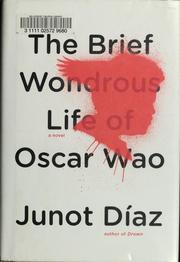
The Brief Wondrous Life of Oscar Wao
Oscar loves sci-fi and wants love, while Yunior traces family curses back through Trujillo terror.
2,056-word summary · 9 min read

The God of Small Things
Twins Rahel and Estha grow up in Kerala in 1969, where family rules and caste lines shape a loss that follows them into adulthood.
2,646-word summary · 12 min read

A Confederacy of Dunces
Ignatius J. Reilly, jobless and full of opinions in New Orleans, meets work, his mother, and the law in Toole's posthumous Pulitzer winner.
3,089-word summary · 14 min read
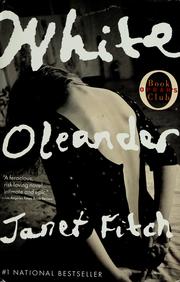
White Oleander
Astrid cycles foster homes after mother Ingrid murders boyfriend.
2,569-word summary · 11 min read

The Virgin Suicides
Five Lisbon sisters die in 1970s Grosse Pointe as boys watch.
2,559-word summary · 11 min read

Madame Bovary
Emma Rouault marries Charles Bovary for romance, then seeks lovers and luxury until debts ruin them both.
2,400-word summary · 11 min read