
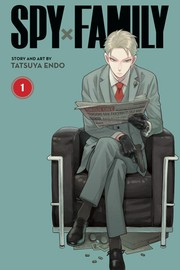
Spy x Family, Vol. 1
2,201-word summary 10 min read 220 pages in the book
- First published
- 2019
- Publisher
- VIZ Media
- Pages
- 220
- ISBN
- 9781974715466
- Series
- Spy x Family (#1)
Reading options
What's inside (9 sections)
Why I picked it up
A friend handed me this volume after I complained that most spy stories take themselves too seriously. He said it was about a spy who has to build a family from nothing, and that the little girl steals every scene. I read it in two sittings, mostly late at night, and he was right about the girl. The original Japanese volume came out in 2019, and the VIZ Media English edition I read runs 220 pages. It collects the opening chapters of the Spy x Family series, so everything here is setup. That is worth knowing going in. Nothing in this book resolves. It introduces three liars, puts them under one roof, and shows why each of them needs the arrangement to hold.
I came for the comedy and stayed because the family dynamic works faster than I expected. The art is clean and easy to follow, the jokes land through faces more than dialogue, and the action scenes are short enough that they never stall the story. If you want a heavy Cold War thriller, this is not that. It borrows the furniture of that genre, divided capital, secret police, whispered politician names, and then uses it for jokes about school admissions and dinner parties.
Operation Strix: a spy told to get a family in a week
The premise is stated plainly in the first chapter. Twilight is the top agent of Westalis, a country locked in a fragile peace with its neighbor Ostania. He wears faces the way other people wear coats. His handler gives him Operation Strix, which sounds grand until the details arrive. A reclusive Ostanian power broker named Donovan Desmond almost never appears in public. The one exception is parent events at Eden Academy, the elite school his son attends. So Twilight must produce a school age child, get that child into Eden, and show up as a respectable father. He has about a week.
He builds the cover identity of Loid Forger, a psychiatrist in Berlint. The choice is practical. A doctor explains odd hours and gives him a reason to ask questions. What follows is a joke the book returns to again and again. Twilight can forge any document and imitate any voice, but he has no idea how to talk to a six year old. His early attempts at parenting read like a mission briefing. He tests children at an orphanage the way a quartermaster inspects gear, and the one who passes is the one he understands least.
The political background stays thin on purpose. We get the shape of it, two countries pretending at peace while their spies trip each other in the streets, plus the secret police who punish disloyalty. Endo sketches this in a few panels and moves on. Readers who want tradecraft will notice how little of it there is. The mission matters because it forces the family together, not because the geopolitics are interesting in themselves. I found that fair for a first volume, though I can see why some readers call the plotting light.
Anya and the entrance exam cram
Anya is the reason this series took off, and her introduction shows why. She is a small girl with pink hair and green eyes who was passed between homes after escaping from some kind of experiment. The book does not explain the lab in this volume. It only shows the result. Anya can read minds. She hears surface thoughts as chatter, which means crowds give her headaches and quiet rooms let her focus. She loves spy cartoons, peanuts, and saying that things feel exciting. Loid picks her because she solves a crossword by reading his mind, and he mistakes that for genius.
Living with a telepath who is also a small child creates the best running joke in the book. Anya knows Loid is a spy and is thrilled about it, but she cannot tell him she knows. So she plays the dutiful daughter while reacting to thoughts Loid assumes are private. When he thinks the mission comes first, she tries to be useful. When he worries she will fail, she panics. Endo draws her face in moments of shock, big blank eyes and an open mouth, and those panels carry whole pages.
The middle chapters turn into a cram story. Eden requires a written exam, and Anya is years behind. Loid drills her in language, math, and manners. His informant friend Franky helps, mostly by complaining. Anya scrapes through the written test by reading the thoughts of nearby adults, which is cheating so open that the book treats it as a punchline. I laughed, and I also felt the letdown. It removes the tension the cram chapters build. The exam stops being a test of study and becomes a test of whether Anya can stand close enough to a smart person. That works once. If later volumes repeat it, the school plot will feel rigged.
Still, the cram section does useful work for Loid. He starts the volume treating Anya as a prop for the mission. Tutoring forces him to notice her moods. He learns she shuts down under pressure, that praise steadies her, and that she tries hardest when she thinks the family might break apart. By the exam he is coaching her like a father, not programming her like an asset. He would deny that if asked. Anya heard him think it anyway.
Yor and the marriage of convenience
With the exam passed, Loid needs a wife, because Eden interviews both parents. Enter Yor Briar, a quiet clerk at city hall who lives with guilt about her younger brother Yuri. She raised him after their parents died, she works late, and at twenty seven with no partner she draws the wrong kind of attention from coworkers and, worse, from gossips who report to the secret police. A single woman her age looks suspicious in Berlint. So when Loid proposes a fake marriage, practical and temporary, she accepts fast.
What neither tells the other is the part that makes the book sing. Yor moonlights as an assassin called Thorn Princess, taking contracts through a handler at what she calls the Garden. Her kills in this volume happen off to the side of the main plot. A mark in a back alley, a cleanup before dinner. Endo draws her work in a few sharp pages, all speed lines and dropped weapons, then cuts back to Yor worrying about cooking. She is a terrible cook, and the book will not let you forget it. The contrast is the joke. The deadliest person on the page is also the one most afraid of a parent teacher meeting.
Their courtship is a mutual performance. Loid picks Yor because she is beautiful, unattached, and too polite to ask questions. Yor picks Loid because he is respectable, gentle with Anya, and willing to meet her brother. Their first outing together involves a purse snatcher, a chase, and Yor kicking a man across a street without breaking character as a blushing date. Loid notices the strength and files it away as odd. Yor notices the composure and files it away as safe. Both are wrong in ways that flatter them. I liked how little jealousy or swooning there is. They act like two tired adults grateful that someone finally makes life simpler, and the warmth comes from relief rather than sparks.
The Eden interview
The interview at Eden Academy is the centerpiece of the volume, and Endo stages it like a heist where the vault is a panel of three old educators. Housemaster Henry Henderson runs the room with old school manners. He loves elegance and says so constantly. The second examiner is polite and forgettable. The third, Murdoch Swan, is the lock on the door. He is bitter about his own broken family and takes it out on applicants. Within minutes he is pressing Loid and Yor about Anya's birth mother, a woman who does not exist, and about whether a rushed marriage can raise a proper child.
Anya holds up until Swan keeps needling. Then she cries, not prettily but the way tired children cry when adults argue over them. Loid drops the perfect father act and tells Swan exactly what he thinks of him. It is the first time in the volume that Loid risks the mission for a feeling, and the room turns on the sound of it. Henderson, who values grace under pressure, rebukes Swan for cruelty and ends the interview early. The Forgers walk out assuming they failed.
They did fail, in the narrow sense. Eden rejects them. Then a cancellation on the waiting list pulls Anya in, which is a convenient save and the book knows it. Loid buys the uniform, Anya picks her school bag, and the mission staggers forward on luck. Some readers will object that the family earns admission through a technicality rather than merit. That objection is fair. But the scene works because the point was never the school. The point was watching a spy choose his borrowed daughter over his orders in front of witnesses. Henderson sees it. That is why the waiting list call feels half earned instead of fully cheap.
A rented castle and a pretend rescue
The last chapters drop the school plot for an afternoon and ask what kind of father Loid is becoming. Anya feels guilty that her crying nearly sank the interview, though she cannot explain what she overheard in Swan's thoughts. Loid decides she needs a reward. His solution is absurd in the way only a spy with agency funds could manage. He rents a whole castle, hires staff and his informant network as actors, and stages a kidnapping where Anya plays the rescued princess and her parents storm the gates.
This is where Yor gets her best pages. Told to play along, she attacks the castle guards with total commitment, smashing through doors and apologizing to the men she floors. Loid plays the dashing thief with practiced ease, and Anya runs through torch lit halls in a paper crown shouting orders. The sequence is pure play, and Endo lets it run long because the drawings are joyful. Masked guards ham it up. Yor poses like a storybook knight. Loid, who began the volume allergic to depending on anyone, ends the day hoisting Anya onto his shoulders so she can declare victory.
I want to note what is missing, since new readers sometimes expect the full ensemble. The dog comes later. Readers who know the anime or later manga may wait for a big white dog with unusual foresight, but he is not part of this volume. The same goes for Yuri's larger role and for Donovan Desmond himself, who stays a photograph and a rumor. Vol. 1 is only the porch of the story. The family photo at the end, three liars and a rented castle, is the thesis. The missions will come. First they had to become people who would pose for the picture.
What works and what feels thin
The comedy is the engine, and it runs on dramatic irony. We know all three secrets. They know one each. Anya knows both adult secrets and can say nothing, Yor knows nothing and suspects nothing, Loid knows nothing and suspects everything except the truth. Every dinner scene vibrates with that imbalance. A dropped line about poison, a flinch at a knife, a thought Anya blurts out and covers with a laugh. Endo times these beats well and rarely explains the joke twice.
The art serves the tone. Faces do the heavy lifting, with Anya's blank stare and Yor's soft smile hiding a killer's focus. Action is legible rather than showy. A kick, a dodge, a thrown weapon, all readable in two or three panels. Berlint looks like a storybook version of a divided European capital, all tram lines and stone facades, which keeps the Cold War dressing from getting grim. When Henderson lectures about elegance, his mustache practically gets its own panel. It is silly and it fits.
Now the fair criticism, because this volume invites it. The plotting is light. Problems arrive and resolve within a chapter, the exam is passed by cheating, the interview is failed then unfailed by luck, and the castle chapter has no stakes at all. Villains are placeholders. Swan is cruel on cue and then dismissed. The secret police hover without acting. Yor's employers get a name and almost nothing else. If you need consequences that carry between chapters, you will not find many here.
That thinness is a choice, and for a first volume I think it is defensible. Endo is building a machine for future stories, and the machine needs three people who trust each other without understanding each other. The final pages argue that trust has started. Loid checks a room for exits and also packs Anya's favorite snack. Yor sharpens her weapons and also practices introducing herself as a mother. Anya reads both their minds and decides, correctly, that she is safe. Light plotting aside, that is a solid foundation, and it left me ready for volume two.
FAQ
Who are the three members of the Forger family in Vol. 1?
Loid Forger is the spy Twilight, Yor is a city hall clerk who secretly works as an assassin, and Anya is their adopted daughter who can read minds. None of them knows the others' secrets.
What is Operation Strix?
It orders Twilight to enroll a child at Eden Academy so he can get close to the politician Donovan Desmond. He has days to find both a child and a wife.
Is Spy x Family, Vol. 1 a good place to start?
Yes. It opens the series with the family setup and the Eden interview, and the dog Bond only arrives in later volumes. Expect comedy and action more than heavy plotting.
Similar books
More from Spy x Family first, then related titles.
Chainsaw Man, Vol. 1: Dog and Chainsaw
A broke teenage devil hunter and his chainsaw dog get a second life, a government leash, and a fight that stops mid-swing in Fujimoto's horror comedy.
2,584-word summary · 11 min read
George's Marvellous Medicine
George stirs a brew of dozens of household chemicals and gives it to his grumpy grandmother, and the medicine works far better than anyone planned.
2,014-word summary · 9 min read
American Assassin
Before he became the CIA's most feared counterterrorist, Mitch Rapp was a Syracuse student mourning his girlfriend, killed on Pan Am Flight 103. Then came…
2,114-word summary · 9 min read
The Chemist
A former government interrogator on the run takes one last job, then learns the case she was handed was built to pit her against him.
2,249-word summary · 10 min read
Stormbreaker
A fourteen-year-old boy loses his uncle, then his ordinary life, when MI6 sends him undercover to a Cornish computer plant where the giveaway machines hide a…
2,822-word summary · 13 min read
Demon Slayer: Kimetsu no Yaiba, Vol. 1
Tanjiro joins the corps after demons kill his family and turn Nezuko.
2,478-word summary · 11 min read
My Hero Academia, Vol. 1
Quirkless Izuku inherits All Might's power, trains ten months, and breaks bones to save Ochaco at the U.A. exam.
2,705-word summary · 12 min read
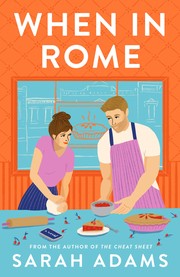
When in Rome
A burnt-out pop star hides out in small-town Kentucky and falls for the grumpy pie-shop owner hiding her.
2,495-word summary · 11 min read
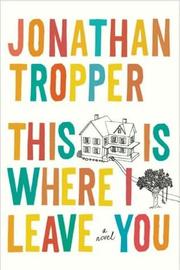
This is Where I Leave You
A separated husband sits shiva for seven days with his siblings after his father's death.
2,818-word summary · 13 min read
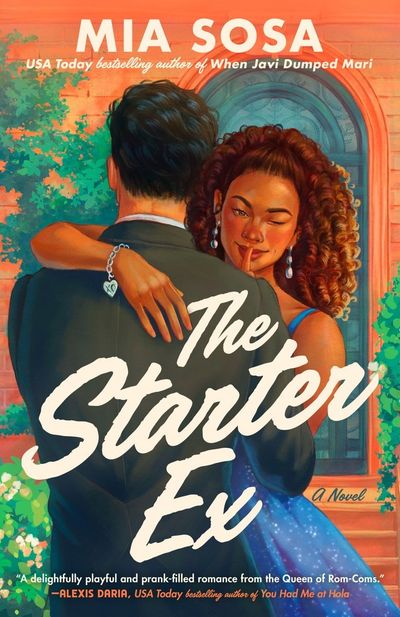
The Starter Ex
A retired bad-girlfriend-for-hire takes one last job and falls for the mark.
2,092-word summary · 9 min read
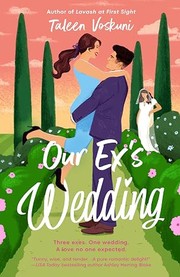
Our Ex's Wedding
A struggling wedding planner and a winery owner who share one heartbreaking ex must join forces to pull off that ex's big day.
2,200-word summary · 10 min read
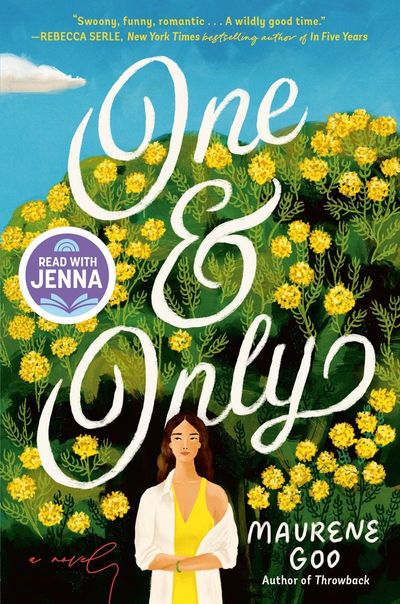
One & Only
Matchmaker Cassia Park finds fated love for everyone but herself, until a 28-year-old fling and a new boss named Daniel Nam collide.
2,033-word summary · 9 min read
Practice Makes Perfect
A people pleaser takes dating lessons from a bodyguard learning to stay.
1,999-word summary · 9 min read
On the Way to the Wedding
Gregory chases the wrong friend while Lucy fights a forced engagement.
1,938-word summary · 9 min read
Nora Goes Off Script
A romance writer's house becomes a film set and the actor playing her ex stays.
1,982-word summary · 9 min read
The Bourne Supremacy
David Webb is pulled back into Jason Bourne when an impostor kills in his name in Hong Kong and Marie is kidnapped. Ludlum's dense 1986 sequel stretches…
3,266-word summary · 15 min read
Rich People Problems
Su Yi's failing health sparks a fight over Tyersall Park as Nick, Rachel, Astrid and Eleanor face weddings, wills and old grudges in Kwan's 2017 trilogy finale.
3,512-word summary · 16 min read
Ouran High School Host Club, Vol. 1
Scholarship girl Haruhi breaks a vase and must work it off as a Host Club boy.
2,354-word summary · 10 min read

Bleach, Vol. 1
Ichigo Kurosaki sees ghosts until soul reaper Rukia Kuchiki shares her powers with him. Vol. 1 opens Bleach with Hollow hunts, family stakes, and Kubo's sharp…
2,495-word summary · 11 min read

Fruits Basket, Vol. 1
An orphaned teen moves in with a cursed family who turn into zodiac animals, and slowly finds where she belongs.
2,284-word summary · 10 min read
Naruto, Vol. 1: Uzumaki Naruto
Naruto Uzumaki fails his ninja exam, steals a forbidden scroll, and lands on Team 7. A full chapter by chapter retelling of Vol. 1 plus Kishimoto context.
2,942-word summary · 13 min read
China Rich Girlfriend
Rachel Chu meets her birth father and enters Shanghai high society while Nick, Astrid, and Eleanor face weddings, money, and old family claims.
2,861-word summary · 13 min read
Good in Bed
Dumped in print by her ex, reporter Cannie Shapiro faces pregnancy, family mess and a fresh start in Philadelphia.
2,713-word summary · 12 min read
The Bourne Identity
An amnesiac pulled from the sea hunts his identity as Jason Bourne while assassins and the CIA close in.
2,994-word summary · 13 min read
Where'd You Go, Bernadette
Bee compiles emails to find architect mother Bernadette missing before Antarctica.
2,121-word summary · 9 min read
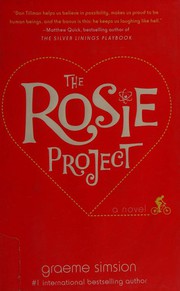
The Rosie Project
Melbourne genetics professor Don Tillman launches the Wife Project to find a partner by questionnaire, then meets chaotic Rosie Jarman and agrees to help her…
2,780-word summary · 12 min read
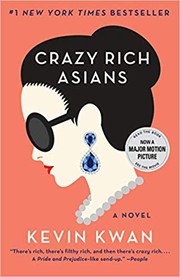
Crazy Rich Asians
Rachel Chu flies to Singapore with Nick Young and learns his family is not just rich but dynasty rich, with mothers, aunties, and weddings testing every bond.
2,117-word summary · 9 min read
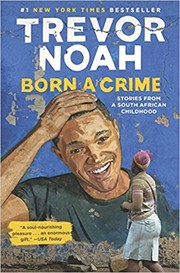
Born a Crime
Noah's memoir of growing up mixed-race under apartheid, raised by a fearless mother in Soweto.
1,980-word summary · 9 min read

What Happened to Goodbye
Mclean has reinvented herself in four towns since her parents divorced. In Lakeview she uses her real name, and for the first time staying put becomes a choice.
2,796-word summary · 12 min read

The Long Winter
Dakota Territory, 1880: seven months of blizzards cut a town off from the railroad, and a family survives on twisted hay, ground wheat, and a dangerous wheat…
2,210-word summary · 10 min read