
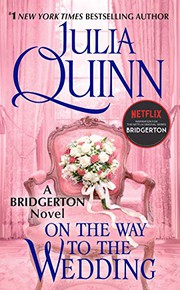
On the Way to the Wedding
1,938-word summary 9 min read 432 pages in the book
- First published
- 2006
- Publisher
- Avon Books
- Pages
- 432
- ISBN
- 9780062353818
- Series
- Bridgerton (#8)
Reading options
What's inside (5 sections)
I had read the first two Bridgerton books years ago and found them pleasant, so I came to book eight knowing the formula. Youngest sibling, last to marry, most reluctant, meets someone unsuitable at a house party and talks about everything except feelings for 400 pages. On the Way to the Wedding, first published in 2006, Avon mass market edition running 432 pages, ISBN 9780062353818, follows Gregory Bridgerton, the baby of the family, who falls instantly for Hermione Watson and then actually falls for her best friend Lucy Abernathy while trying to win Hermione. It is the funniest and most self aware of the series, and it knows you know the beats.
Gregory is twenty something, charming, athletic, used to being adored by his large family, convinced love at first sight runs in Bridgertons because his siblings all found it. At a country house party he sees Hermione across the room and decides she is the one. Hermione is beautiful, kind, in love with someone else, and politely uninterested. Her best friend Lucy, small, sharp tongued, engaged to the odious Haselby for family money reasons, tries to fend Gregory off for Hermione's sake and ends up talking to him more than anyone else. Anyone who has read a romance knows where this goes. Quinn knows you know and has fun with it.
Instant love versus real talk
The opening instalove is played for comedy rather than destiny. Gregory moons, writes bad poetry in his head, challenges men to duels he cannot win, gets advice from brothers who tease mercilessly. Anthony, Benedict, Colin, all married now, take turns telling him he is an idiot in loving ways. Violet, the matriarch, watches with amusement and intervenes just enough. Those family scenes are the best reason to read the series in order. You get payoffs from earlier books without needing summaries. A line from Eloise about Gregory always getting his way lands because you remember him as a kid stealing cakes.
Lucy is the real heroine and Quinn lets her be prickly. Engaged to Haselby, a miserly older man who counts cutlery, to save her family after her father's death, she has no room for romance. She tells Gregory plainly that Hermione does not want him. He does not listen. She covers for him to avoid scandal. He thanks her by asking for more help. Their bickering, about books, about dancing, about whether Gregory has any sense, builds intimacy faster than compliments. A scene where Lucy fixes Gregory's cravat while scolding him for risking Hermione's reputation tells you they are already comfortable in ways Hermione and Gregory never are.
Hermione herself is handled kindly. She could have been a placeholder beautiful girl. Instead Quinn gives her loyalty to Lucy, genuine love for another man, and enough spine to tell Gregory no clearly. When Gregory finally hears it, the embarrassment feels real rather than comic. He has performed grand gestures for the wrong woman while the right one kept him from ruin. That structure, misdirected courtship, is old, but Quinn executes with enough wit to feel fresh. Gregory's apology to Hermione, awkward and sincere, is one of his best moments.
For pacing, the house party first hundred pages moves fast. Dances, walks, letters intercepted, Haselby counting candles. Two ball scenes in a row follow similar beats, but the dialogue saves them. Lucy correcting Gregory's Latin, Gregory teasing Lucy about her engagement ring that looks like a bribe, Hermione trying to be kind to both. I laughed a lot here, especially at Gregory's brothers placing bets on how fast he will be rejected.
Lucy, Haselby, and money
The middle turns serious because Lucy's engagement is not comic. Haselby is rich, much older, controlling about money, cold about affection. Lucy's mother pushes the match because they are poor after her father's death and her brother cannot support them. Lucy agreed to save her family, not for love. Quinn, who usually keeps stakes light, lets the economics show. What Lucy eats, where she sleeps if she refuses, who pays for her mother's medicine. Those details make her resistance to Gregory more than coyness. She cannot afford to love him, even if she wants to.
Haselby is one of Quinn's better villains because he is not violent, just mean in small legal ways. He withholds allowance, criticizes Lucy's reading as wasteful, threatens to cut off her mother if Lucy embarrasses him. A scene where he inspects Lucy's trousseau and finds fault with stitching to lower its value made me dislike him more than any rake. Gregory, rich and careless about money, does not initially understand why Lucy cannot just break it. When he learns, his shift from pursuing Hermione to protecting Lucy feels like growing up. He offers money, she refuses because gifts from suitors trap. He offers friendship, she accepts because she is lonely. That negotiation, help without ownership, is the adult core inside comedy.
Lucy's uncle? Actually her guardian situation involves letters and a forced wedding timeline. Haselby wants to marry quickly before Lucy changes her mind. Gregory wants to stop it without ruining her. The law gives Lucy almost no options. If she breaks engagement, she can be sued. If she elopes, she loses family support. Quinn explains this through dialogue rather than lectures. A conversation with Violet about what Violet risked for love versus what Lucy risks lands because Violet acknowledges her own privilege. She married for love with money behind her. Lucy has neither.
The rescue plot that follows, with a foiled elopement and a church scene, is pure farce with real fear underneath. Gregory and his brothers intervene, Haselby blusters, Hermione helps despite everything. I will keep specifics light, but a moment where Lucy must choose in front of witnesses whether to say vows to Haselby had my heart pounding. Quinn stages public pressure well. Everyone watching, no good choice, one sentence that decides a life. Lucy speaks clearly and pays immediately. That courage costs more than any duel.
What works and what creaks
Quinn's dialogue is the draw. Fast, modern inflected Regency banter about books, family, food. Gregory teasing Lucy about her practical shoes. Lucy teasing Gregory about his poetry. Brothers teasing each other about marriage as disease with no cure they would give up. If you dislike anachronistic speech, you will struggle. Characters say okay and make jokes about therapy speak. I do not mind because the books never pretend to be Austen. They are love stories in costumes with modern hearts.
The Bridgerton family scenes reward series readers. Anthony managing, Daphne knowing, Eloise writing, Francesca quiet, Hyacinth scheming. You do not need to remember each book, but you will smile more if you do. A late scene where the whole family crowds into a small church to stop a wedding is chaotic and warm. Violet directing like a general, brothers blocking doors, sisters distracting Haselby's lawyer. It could feel crowded. It felt like coming home for the last sibling's book.
For criticism, instalove with Hermione takes too long to drop. Gregory pines for about 150 pages while Lucy waits in plain sight. Readers will see the end at page 30. Quinn knows and jokes about it, with characters telling Gregory he likes the wrong friend, but the joke wears. I skimmed one park walk where Gregory lists Hermione's beauties while Lucy rolls her eyes. We get it. He is wrong. Move on. Also, Haselby's comeuppance is too neat. One document, one threat, gone. After so much economic dread, a quick legal fix feels easy.
Still, at 432 pages in mass market it reads fast. Short chapters, cliffhangers about letters, dances as deadlines. I finished in three evenings and immediately reread the church scene. That is rare for me with romance. Usually I skim endings. Here I wanted to watch Lucy speak again. Quinn gives her a line that is polite, firm, and funny about shoes, which is very Lucy. Gregory's reaction, pride rather than embarrassment, shows he finally sees her.
For who this is for. If you watched the show and want more siblings, start at book one, not here. You need Violet and the brothers to feel full. If you like Regency comedy with consent and class awareness tucked inside banter, this is one of the best. If you want historical accuracy, look elsewhere. No one here worries about chamber pots. They worry about love and money in ways that feel true now. I closed it thinking about Lucy choosing in public, which takes more courage than any duel Gregory wanted to fight. That seems like what Quinn wanted. The quiet friend gets the loudest choice.
Gregory's growth from spoiled youngest to partner deserves a final beat because Quinn risks making him annoying for long stretches to earn it. Early Gregory keeps score like a boy. Who danced with whom. Who laughed at his joke. Who owes him attention for trying. Lucy calls this out directly, telling him that wanting is not deserving. He sulks, which is honest, then watches Lucy manage Haselby with grace under pressure he could never muster. That watching changes him more than lectures from brothers. By the church scene he is not performing romance. He is doing logistics. Blocking doors, bribing clerks, holding Lucy's mother's bag so she can breathe. Love as errands rather than poetry. For a character who started with bad poetry, that shift lands.
The wedding industry details also repay attention. Quinn, who has written eight of these, knows Regency marriage as contract. Banns read, licenses bought, settlements negotiated, trousseaus inventoried. Haselby weaponizes each step, delaying pin money, disputing jointure, insisting on a small ceremony to save costs while inviting business contacts to show off. Lucy learns the language fast because she must. A scene where she corrects Haselby about her portion rights, citing her father's letter, surprises him into silence. She has done homework he assumed she could not read. That competence, learned from poverty rather than school, is why Gregory falls for real. He thought he wanted beauty. He needed someone who reads contracts.
The brothers as chorus deserve a last look because Quinn uses them to show Gregory's blind spots without lectures. Anthony, the viscount who once feared love, tells Gregory that wanting at first sight is easy and staying after is work. Benedict, the artist, notices Lucy sketches in margins and tells Gregory to look at what she makes when no one watches. Colin, the traveler, warns that running to Gretna solves nothing if you bring the same self. Each brother gives advice he himself needed years earlier, which makes the scenes funny for series readers and useful for Gregory. He hears them as teasing because he is not ready. Later, on the road to stop Haselby, he repeats their lines back to himself without smiling. Advice lands late, which is how family works. You carry sentences for years before you understand the bill.
Hermione's other man also matters more than page count suggests. He is not rich, not titled, but kind in steady ways Gregory must learn. Hermione chooses him despite Gregory's rank and Lucy's encouragement to consider better offers. That choice tells Gregory that love is not a prize for performance. He cannot win Hermione by being more Bridgerton. He must become someone Lucy can trust with rent and mothers. The shift from competing for Hermione to qualifying for Lucy structures his arc better than any duel. When Hermione thanks him at the end for letting go gracefully, you believe all three will stay friends, which is rare in love triangles and generous.
FAQ
Where does it sit in Bridgerton?
Yes. It is book 8 in Bridgerton, the last sibling Gregory, after Hyacinth. Start at book one for family payoffs.
When was On the Way to the Wedding published?
It was first published in 2006. The Avon mass market cited runs 432 pages with ISBN 9780062353818.
Similar books
More from Bridgerton first, then related titles.
The Duke and I
Daphne Bridgerton and Simon Basset fake a courtship that turns real, then face truth about children.
2,107-word summary · 9 min read
The Viscount Who Loved Me
Anthony Bridgerton vows to marry without love until Kate Sheffield challenges him at every turn.
2,666-word summary · 12 min read
An Offer From a Gentleman
Benedict falls for a masked Sophie at a ball, then finds her working as a housemaid after her stepmother evicts her.
2,320-word summary · 10 min read
Romancing Mister Bridgerton
Colin Bridgerton returns and discovers Penelope Featherington is Lady Whistledown.
2,388-word summary · 11 min read
To Sir Phillip, With Love
Outspoken Eloise writes a grieving botanist, visits unchaperoned, and stays for twins.
2,013-word summary · 9 min read
When He Was Wicked
Widowed Francesca Bridgerton falls for her late husband cousin Michael, who loved her silently for years.
2,055-word summary · 9 min read
It's in His Kiss
Julia Quinn's seventh Bridgerton novel pairs sharp tongued Hyacinth with Gareth St. Clair as an old Italian diary leads them toward hidden jewels and Lady…
2,908-word summary · 13 min read
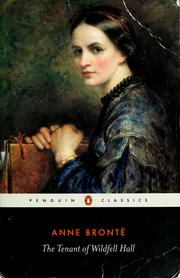
The Tenant of Wildfell Hall
Helen flees a cruel marriage, hides as Helen Graham at Wildfell Hall, and tells her full story through a long diary young Gilbert Markham must read before…
2,838-word summary · 13 min read
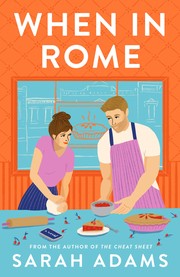
When in Rome
A burnt-out pop star hides out in small-town Kentucky and falls for the grumpy pie-shop owner hiding her.
2,495-word summary · 11 min read
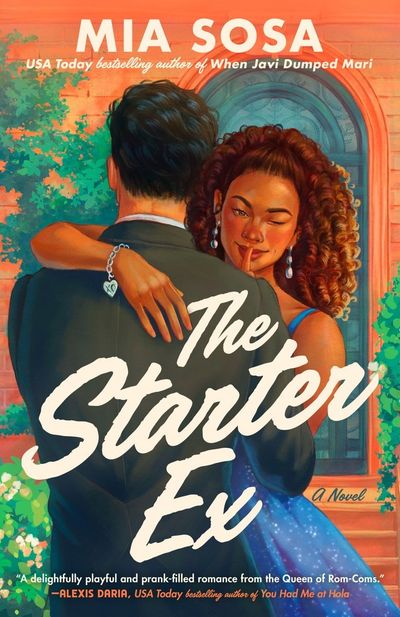
The Starter Ex
A retired bad-girlfriend-for-hire takes one last job and falls for the mark.
2,092-word summary · 9 min read
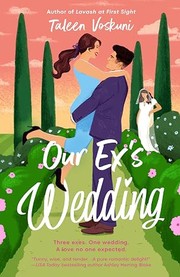
Our Ex's Wedding
A struggling wedding planner and a winery owner who share one heartbreaking ex must join forces to pull off that ex's big day.
2,200-word summary · 10 min read
One & Only
Matchmaker Cassia Park finds fated love for everyone but herself, until a 28-year-old fling and a new boss named Daniel Nam collide.
2,033-word summary · 9 min read
Practice Makes Perfect
A people pleaser takes dating lessons from a bodyguard learning to stay.
1,999-word summary · 9 min read
Nora Goes Off Script
A romance writer's house becomes a film set and the actor playing her ex stays.
1,982-word summary · 9 min read
China Rich Girlfriend
Rachel Chu meets her birth father and enters Shanghai high society while Nick, Astrid, and Eleanor face weddings, money, and old family claims.
2,861-word summary · 13 min read
Good in Bed
Dumped in print by her ex, reporter Cannie Shapiro faces pregnancy, family mess and a fresh start in Philadelphia.
2,713-word summary · 12 min read
The Rosie Project
Melbourne genetics professor Don Tillman launches the Wife Project to find a partner by questionnaire, then meets chaotic Rosie Jarman and agrees to help her…
2,780-word summary · 12 min read
Crazy Rich Asians
Rachel Chu flies to Singapore with Nick Young and learns his family is not just rich but dynasty rich, with mothers, aunties, and weddings testing every bond.
2,117-word summary · 9 min read

What Happened to Goodbye
Mclean has reinvented herself in four towns since her parents divorced. In Lakeview she uses her real name, and for the first time staying put becomes a choice.
2,796-word summary · 12 min read

The Japanese Lover
A Polish refugee and the son of a Japanese gardener fall in love in San Francisco in 1939, then keep the affair secret for nearly seventy years.
2,286-word summary · 10 min read

The Shadow Sister
Star D'Apliese steps out of her sister's shadow and follows a bookshop clue into the Edwardian life of Flora MacNichol, a woman who gave up love for duty.
2,260-word summary · 10 min read
Shopaholic and Sister
Becky Brandon returns from a ten-month honeymoon to meet the half-sister she always wanted, then discovers that Jess is thrifty, prickly, and nothing like the…
2,591-word summary · 12 min read
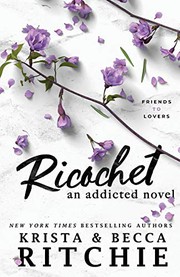
Ricochet
Lily Calloway tries to stay celibate for ninety days while Loren is in rehab, leaning on Rose, Connor, and Ryke as therapy forces her to face her childhood.
2,575-word summary · 11 min read

Fathers and Sons
Arkady brings the nihilist Bazarov home to his father's estate, and a generational argument turns into love, a duel, and an early death.
2,192-word summary · 10 min read
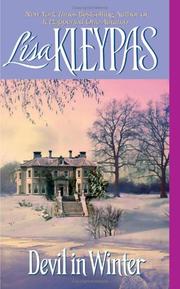
Devil in Winter
A shy heiress with a stammer proposes a marriage of convenience to London's most notorious rake, then makes him prove he can be faithful.
2,548-word summary · 11 min read
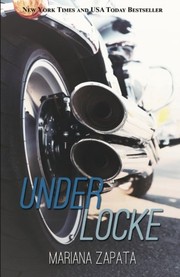
Under Locke
Iris Taylor moves to Austin broke and wary, takes a front-desk job at a tattoo shop, and spends the book learning that Dex Locke’s blunt cruelty and unexpected…
2,591-word summary · 12 min read

Sam's Letters to Jennifer
A grieving journalist reads her grandmother's letters and finds a decades-long love affair that changes how she sees her family.
2,310-word summary · 10 min read

Act Your Age, Eve Brown
Eve Brown crashes into a Lake District bed and breakfast, breaks the owner's arm, and talks her way into his kitchen. A grumpy-sunshine romance about work,…
2,474-word summary · 11 min read
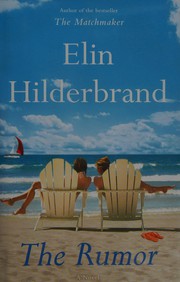
The Rumor
Two Nantucket best friends, Madeline and Grace, watch a summer of small indiscretions get retold into gossip that reshapes both their households.
2,017-word summary · 9 min read
George's Marvellous Medicine
George stirs a brew of dozens of household chemicals and gives it to his grumpy grandmother, and the medicine works far better than anyone planned.
2,014-word summary · 9 min read