
To Sir Phillip, With Love
2,013-word summary 9 min read 372 pages in the book
- First published
- 2003
- Publisher
- Avon Books
- Pages
- 372
- ISBN
- 9780380820856
- Series
- Bridgerton (#5)
Reading options
What's inside (4 sections)
I came to To Sir Phillip, With Love after Romancing Mister Bridgerton left Eloise restless. It came out in 2003 from Avon Books, 372 pages in mass market tied to ISBN 9780380820856. It is book five in the Bridgerton series. Eloise Bridgerton, the outspoken sister, writes to Sir Phillip Crane, a widowed baronet with two children, after his cousin Marina dies. She visits. She stays. Love grows among grief, greenhouses, and unruly twins.
If you like Regency romance with witty families, this satisfies. Letters first. Banter next. Tenderness that takes time. No dukes brooding here. A botanist widower and a spinster with opinions.
Letters
Eloise is twenty eight and unmarried by choice and circumstance. She talks too much at balls. She asks rude questions about politics. She refused several proposals that wanted quiet wives. After Marina death, she writes condolences to Phillip, who was married to her distant cousin. He writes back plainly about grief and children. Letters continue for a year. She tells him about Bridgerton chaos. He tells her about plants and twins who terrorize governesses.
Quinn writes letters with voice. Eloise long, funny, full of asides. Phillip short, careful, with pressed flowers. She proposes the visit herself, half to escape a season of matchmaking. He invites cautiously, warning the house is messy. She arrives unchaperoned with scandal following, which her brothers will address loudly later. That arrival scene delights. Carriage dusty. Twins staring. Phillip awkward with welcome. Eloise talks enough for all.
Phillip is a good man shaped by a bad marriage that starved him slowly. Marina married him depressed and distant, loving another lost at sea she never forgot fully. She died after sad years of distance in rooms. She left two children she struggled to love through fog. Phillip grieves with guilt and relief mixed in mornings. He parents dutifully but distantly, hiding in greenhouses from noise. He fears Eloise expects romance he cannot give after years cold. He offers marriage plainly as partnership with honesty. She accepts the visit first, not yet the man, to see clearly. That slow approach suits grief and caution both. No rushed vows by moonlight. Tea, walks, twins watched together.
The twins, Oliver and Amanda, eight years old and wild as weather, test Eloise from the first hour. They put frogs in her bed with giggles. They skip lessons with forged notes. They test every adult for breaking points. She answers with games that channel chaos, not scolding that hardens. Hide and seek with rules posted. Reading aloud with villain voices that thrill. Nature walks with specimen jars. They adore her within days and confess proudly they chased off five governesses with worse tricks involving paint and ponies. She laughs and stays, promising to be harder to scare than previous ladies who fled. That bonding through play matters more than wooing Phillip with dresses and dances. To love him is to love sticky handed chaos that interrupts. Eloise, from a big noisy family, understands noise as home rather than failure.
I liked how the book respects grief without rushing. Marina memory sits in rooms. Her garden overgrown. Her letters tied. Phillip visits her grave weekly with flowers he grows. Eloise does not compete with a ghost. She tends the garden with him in silence. Shared work mourns better than words. That quiet tending builds trust faster than kisses. Hands in soil together.
Greenhouse work teaches them together better than talks. Phillip shows Eloise how to propagate roses from cuttings with patience. She shows him how to label with jokes that make twins laugh. They work side by side in mist with dirt under nails. Silence comfortable between tasks. That shared labor builds trust faster than letters did across miles. Hands learning together outpace words promising. Quinn, who gardens herself, writes soil details with love. Damp moss smells. Glass fogs. Seedlings push through. Those small births mirror the marriage rooting. Growth visible daily in trays encourages patience with slower human growth beside.
Eloise talks too much at balls with opinions on politics. She asks rude questions about trade. She refused several proposals that wanted quiet wives for show. Those refusals cost her seasons of gossip. She paid gladly for voice kept. Phillip loves the talking that others found too much. He listens in greenhouses while potting. He asks follow ups about pamphlets. That listening is courtship more than flowers. Being heard fully wins her slowly. Readers who talk too much will feel seen and hoped for.
Staying
Eloise brothers arrive in force when letters reveal she ran off unchaperoned to the country. Anthony with authority and glares, Benedict with humor that cuts, Colin with appetite for food and fights both. They interrogate Phillip at his own table about intentions, income, and children while eating his roast beef. That scene is pure Bridgerton comedy with stakes underneath about sisters. Four large men lecturing a botanist about honor he already practices daily with twins. Phillip stands his ground politely with dirt under nails, offering marriage with honesty about limits that shocks them. He cannot promise passion like novels sell. He promises respect, fidelity, effort, and patience with twins. Eloise defends him to her brothers with a speech about choosing, which surprises them into listening quietly. Her choice, they realize, is adult and considered. They leave with warnings, blessings, and a ham.
The middle is domestic in the best sense for romance readers tired of balls. Mornings with twins lessons at the kitchen table with sums and spellings corrected. Afternoons in greenhouses with propagation trays misted and labeled. Evenings reading aloud with villain voices for sleepy kids. Eloise learns Phillip was beaten by his father for softness as a boy and fears becoming him with his own children now. He controls temper by leaving rooms to breathe among ferns when voices rise. She teaches him to name anger before acting, using words she learned from brothers who fought. He teaches her to prune ruthlessly for growth, cutting dead stems without guilt felt. Those exchanges show marriage as gardening over seasons with patience. Cut dead wood kindly in spring. Water roots deeply in drought. Wait through winters without digging up. Quinn uses plant metaphors steadily without overdoing into lectures. Enough to charm gardeners who know. Not enough to cloy others reading for kisses.
Intimacy builds slowly with grief standing between like a third person in rooms. Phillip flinches at touch that recalls Marina coldness in their marriage bed. Eloise waits without withdrawing warmth, reading beside him in evenings. Their first kiss happens over seedlings with dirt on hands and laughter breaking tension. Later scenes are tender and explicit enough for romance readers without graphic detail that would break Regency tone. Consent is constant and kind in words asked. He asks plainly before more. She answers plainly with humor about nerves. Married love after loss gets room to be awkward and sweet together in mornings. Bodies with histories learn new rhythms through patience and laughter. That patience suits a widower afraid of hurting and a bride untouched without shaming either for past or lack of past. Quinn handles virginity and grief without preachiness about purity.
A crisis comes when Eloise discovers Phillip kept Marina letters that speak of another love she never stopped mourning. Jealousy of the dead hits hard and shaming. She confronts him among roses with dirt on her dress. He admits he keeps them for the children to know their mother, not himself to reread at night. She believes his steady eyes but aches at sharing space with grief. They fight about honesty and privacy that night in the study. What must be shared between spouses. What may stay private from before. The fight resolves not with grand apology and flowers but with showing over days. He gives her the tied letters to read fully in the greenhouse. She reads through tears and returns them with understanding. That sharing of painful pages, not bouquets, proves love grown. Transparency after secrecy heals more than promises spoken.
A relative threatens scandal about the hasty marriage to servants who repeat it. Gossip reaches London clubs and Lady Whistledown writes hints in print read aloud. The Bridgertons rally with counter stories told loudly at balls. Phillip faces down a caller at his door with quiet firmness learned from Eloise over months. He states facts about dates and banns read. He asks the man to leave his property at once. No duel with pistols at dawn. Just boundaries spoken plainly on steps. That restraint shows growth from a man who hid in plants from conflict for years. Love taught spine alongside softness it did not erase. Eloise watches proudly from stairs above, holding twins back from interrupting.
What worked was mature romance without games played. Both leads are near thirty with pasts that hurt. They talk about money for households, children needs, grief that lingers, and physical wants plainly. No miscommunication lasting chapters over silly pride. When hurt, they ask within pages with direct words. That adult communication refreshes Regency shelves full of stubborn dukes who brood. A botanist who listens beats a rake who smolders and leaves. Eloise gets a partner for work and bed, not a project to fix. Phillip gets a wife for talk and touch, not a nurse for wounds. Equals, oddly matched in temper, fitting like grafted plants that take.
What dragged was twins sameness at times in middle chapters. Oliver and Amanda blur into one mischief voice with frogs. After the fifth frog prank in beds, pattern shows clearly. Separate their wants more distinctly. One craves mothering after loss. One tests borders for reactions. Quinn hints this late with bedtime talks held separately. Earlier distinction in chapters would deepen both beyond chaos. Still, target readers will forgive sameness because chaos is the point of twins in romance. Twins as weather systems, not characters with arcs, suffices for this book focus on adults. The adults carry growth while kids carry noise joyfully.
I also wanted more of Marina as person, not absence felt. She appears through letters read and memories told as sad and distant. A fuller portrait would honor the woman whose death enables love to grow. As written, she functions as grief and warning about marrying too fast. Given the book cares about women constrained by choices, more of her inner life would balance the romance. What fears drove her distance from children. What joys did she find in gardens. What we get is sympathetic but thin like pressed flowers. Enough to mourn her loss. Not enough to know her fully as friend.
Still, as Bridgerton middle book, it charms with quiet love. It gives the outspoken sister a quiet botanist husband and loud children to raise. It respects grief while choosing joy daily without forgetting. I finished fond of greenhouses with mist, which is an odd takeaway from romance novels about balls. Growth needs pruning and patience over seasons. Love too needs cutting dead habits and watering roots. Quinn knows both gardens and marriages grow slowly with attention. That parallel satisfies gardeners and romantics together in one cover.
Lady Whistledown writes hints in print that servants read aloud below stairs. Gossip reaches London clubs with embellishments added. The Bridgertons rally with counter stories told loudly at balls attended. Daphne charms with smiles. Anthony threatens with bulk. Colin eats and observes. That family defense shows clan loyalty in action. No one faces scandal alone when eight siblings stand behind. Phillip watches this machine work with awe and gratitude. His lonely house never had such troops. Joining the Bridgertons means gaining an army with hugs.
Content notes. Grief over spouse death with depression discussed gently in letters. Parenting stressed twins with pranks and lessons. Family pressure about marriage from brothers. Kissing and marital intimacy with consent and humor, no explicit detail beyond warmth. Mild language with Regency oaths. No violence beyond a threatening caller turned away at the door. Gardens throughout as calm spaces with dirt. A dog? No central animal plot beyond stable horses glimpsed.
FAQ
Where does this sit in Bridgerton?
Book five of Bridgerton. It ends with marriage plus greenhouse life. Earlier siblings appear with warnings and blessings. Later books follow others.
What does Phillip offer?
Plainly as partnership with respect, fidelity, and effort. No passion promises like novels. Eloise defends the offer to her brothers as adult choice.
Similar books
More like To Sir Phillip, With Love →More from Bridgerton first, then related titles.

The Duke and I
Daphne Bridgerton and Simon Basset fake a courtship that turns real, then face truth about children.
2,107-word summary · 9 min read
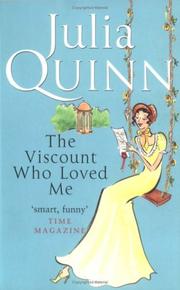
The Viscount Who Loved Me
Anthony Bridgerton vows to marry without love until Kate Sheffield challenges him at every turn.
2,666-word summary · 12 min read

An Offer From a Gentleman
Benedict falls for a masked Sophie at a ball, then finds her working as a housemaid after her stepmother evicts her.
2,320-word summary · 10 min read

Romancing Mister Bridgerton
Colin Bridgerton returns and discovers Penelope Featherington is Lady Whistledown.
2,388-word summary · 11 min read

Terms and Conditions
Declan must marry to inherit, so he offers his assistant a deal with rules.
2,695-word summary · 12 min read

All Your Perfects
Quinn and Graham's perfect love frays under infertility, and they must decide what perfect means now.
2,072-word summary · 9 min read