
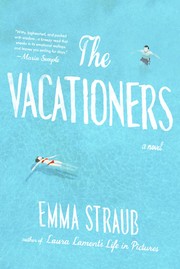
The Vacationers
2,324-word summary 10 min read 292 pages in the book
- First published
- 2014
- Publisher
- Riverhead Books
- Pages
- 292
- ISBN
- 9781594631573
Reading options
What's inside (9 sections)
I picked this up because a friend said it was the rare book about a family vacation that actually understands why family vacations are so fraught. She was right, and I say that as someone who has spent more than one holiday watching relatives pretend nothing was wrong while a fight sat in the room with us. Emma Straub's second novel came out in 2014 from Riverhead Books, and the hardcover runs 292 pages. It reads fast, but I found myself slowing down because the small observations are the whole point. By the last page I felt as if I had spent two weeks in a pink stone house in Mallorca with the Post family, and I was sorry to leave them.
A family with more baggage than luggage
The Posts are from Manhattan's Upper West Side, and the trip is supposed to be a celebration. Franny and Jim are marking their thirty-fifth wedding anniversary, and their daughter Sylvia has just graduated from high school. They have rented a house in the foothills on the Spanish island of Mallorca for two weeks, and the whole clan is coming: Franny and Jim, their eighteen-year-old daughter Sylvia, their twenty-eight-year-old son Bobby, Bobby's girlfriend Carmen, and Franny's best friend Charles with his husband Lawrence. The house belongs to Gemma, a wealthy British gallerist, and the family cannot pronounce the name of the town, Puigpunyent, so they just call it Pigpen. That silly nickname is the first clue about how this family copes. When something is awkward, they give it a joke name and carry on.
But the celebration is a cover. Jim, sixty, has been pushed out of his job as editor of a magazine called Gallant after an affair with Madison Vance, a twenty-three-year-old editorial assistant whose father sat on the magazine's board. Franny, a food and travel writer, has known for months and is furious. She has given herself these two weeks to decide whether the marriage survives. Sylvia knows too. Bobby does not, which means the whole trip is organized around keeping one person in the dark while everyone else simmers. Straub sets this up cleanly and without fuss. There is no villain monologue and no big reveal. Just a family loading onto a plane with a secret each of them is carrying.
Even before they land, the tensions show. On the overnight flight Sylvia sits by herself in coach and writes a to-do list for college that ends with a line about losing her virginity. I laughed and then felt a little sad, because she is eighteen and trying to sound braver than she is. Jim, meanwhile, befriends a British motorcyclist and pediatrician named Terry on the flight, a small connection that will matter later in a way I did not expect.
The first days, and the secrets that will not stay put
Once they reach the house, Franny wastes no time. On the first night she banishes Jim from the master bedroom. The arrangement is petty and painful at the same time, and it sets the tone for the whole vacation: people sleeping apart, people pretending, people paying close attention to who sits where at dinner. Sylvia starts Spanish lessons with Joan, a twenty-year-old tutor who is also a medical student. She is embarrassed when he catches her in a towel after a shower, and the awkwardness is the beginning of something else. Franny notices Joan too, and flirts with him openly. She even points out that the gap in their ages matches the gap between Jim and Madison, which is her way of saying she understands exactly what her husband did and why it disgusts her.
The other adults have secrets of their own. Lawrence, who does accounting for the film industry, gets an email from their adoption agency saying a birth mother has chosen their letter and a baby boy named Alphonse might be theirs. He is desperate to tell Charles, but Charles is wrapped up in looking after Franny, so the news sits unspoken. When Lawrence accidentally mentions Jim's old job at Gallant in front of Franny, she collapses into Charles's arms, and that evening she tells Lawrence about the affair while asking him to keep it from Bobby. It is a good example of the book's machine: every confidence creates a new imbalance, and every person is holding a piece they are not supposed to share.
Bobby's problem is money. His real estate career has stalled, and he has been working quietly as an assistant trainer at Carmen's gym while selling supplement powders through something that sounds like a pyramid scheme. Carmen, a personal trainer about ten years older than him, keeps pushing him to ask his parents for a loan. He keeps putting it off. The Posts have never fully warmed to Carmen, and I could feel the resentment on both sides building as the days went on. Straub is good at this kind of slow accumulation. Nothing explodes immediately. Things just get heavier.
Tennis, an old confession, and a bad night in Magaluf
Franny finds a local tennis center and impulsively books a lesson with Antoni Vert, a former Spanish tennis star she admired back in the 1980s. The scene is funny and a little sad. She knocks herself unconscious with her own racquet, and Antoni has to drive her home. It is the kind of moment that could be slapstick in a lesser book, but Straub uses it to give Franny a private life that does not involve her husband, and to set up a choice she will make later.
Charles, the painter who has been Franny's rock, confesses something to her in private. He once cheated on Lawrence early in their relationship. Franny is furious. She rejects the idea, which Charles implies, that everyone makes mistakes. This is one of my favorite parts of the book, because it refuses to let the wronged person be the one who has to be generous. Franny is allowed to be angry. Her anger is not a flaw in her; it is a response to a real injury, and the book lets it sit there without sanding it down.
Rain traps everyone indoors one evening, and Bobby takes Sylvia to a nightclub in Magaluf, leaving Carmen behind. He drinks too much and disappears into a bathroom with a young British tourist. Sylvia catches them coming out, his shirt open and lipstick on his face, and she punches him in the stomach. In the car he begs her not to tell Carmen. At dinner the next night Carmen gets her revenge for being left out. She reveals, in front of everyone, Bobby's supplement side business and the roughly $150,000 in credit card debt he has piled up. It is a brutal scene, and it is the moment the family's carefully kept surfaces start to crack in public.
That night Jim and Franny finally talk about Bobby's troubles. It is their first real conversation in months. Jim reaches for her face, but she has already rolled away. When she does not shrug off his hand on her back afterward, it reads as a small gain, the first sign that something might be possible between them.
The blowup on the beach
Everything comes apart on a beach outing. In the beachside bathroom, Jim tells Bobby the truth about his affair, saying he wants to model honesty. At the same moment, Franny presses Sylvia and learns about Bobby's nightclub infidelity. When the men come back, Franny erupts in front of everyone, shouting about Jim sleeping with an intern and Bobby sleeping with a stranger. Jim, unable to help himself, corrects her: Madison was an editorial assistant, not an intern. It is a perfect little detail of a man who still does not understand the problem. Charles punches Jim in the eye and walks Franny and Sylvia away. Terry, the pediatrician from the flight, happens to be at the beach, checks Jim's eye, and confirms nothing is broken.
I loved this scene and also winced at it. The correctness of the anger is never in doubt, but Straub lets the chaos be messy. Franny is not graceful in her fury, and Bobby is not sympathetic in his shame. Real families do not fight in well-shaped speeches. They shout the wrong facts and correct the wrong details and leave the real wound untouched.
After the fight, everyone pairs off
What follows is a reshuffling. Jim hides in Gemma's study, replaying the moment he confessed and watched Franny turn her book facedown on her thighs. Carmen takes Bobby for a walk through Pigpen, and they come across a street wedding. Bobby mocks the bride's arms and suggests she needs exercise, and Carmen suddenly sees that he will never marry her. She ends it on the spot and walks back up the hill alone. It is a quiet, decisive ending to a relationship that had been limping along, and it felt earned.
Charles finally confesses his old affair to Lawrence, who says he already knew and forgave him years ago. They embrace, and Lawrence tells Charles he is going to be the father of their children. Joan takes Sylvia out for the day. When she makes fun of a Mallorcan singer, he scolds her as a typically arrogant American and lectures her about Franco's suppression of regional culture. She apologizes, and the dynamic between them changes. He drives her to a hidden cove reached through a tunnel in the mountainside, and after they swim he asks permission before kissing her. They have sex on a blanket, Sylvia's first time, and she comes home glowing.
Franny, meanwhile, meets Antoni for what she frames as a journalistic interview, which turns into a long lunch. Jim, scared of losing her, gets Terry to follow her on the motorcycle. When Franny pulls over on the road home, Jim reveals himself, and she cannot help laughing. He tells her he loves her and does not want to lose her, and they kiss by the roadside. Of all the reconciliations in the book, this one felt the most honest to me, because it comes after Jim has been made to look ridiculous and has accepted it.
The last days, and the flight home
The next morning brings the news the adoption agency had been hinting at: the birth mother has chosen Charles and Lawrence, and baby Alphonse will be theirs. They book flights home. Franny makes pancakes for breakfast, and Jim kisses her on the forehead. She lets him. Joan cancels their next lesson with a casual email that says only that he had fun at the beach. Sylvia is stung, but she absorbs it. Gemma, the owner, arrives and takes over the master bedroom, which pushes Jim and Franny into the downstairs room. There, while changing the sheets together, Jim gently pushes Franny onto the bed and talks about bringing Bobby home from the hospital. They have sex for the first time in months.
On the final day Joan comes to say goodbye. Sylvia grabs his chin and kisses him while Bobby takes a photo. She thinks about how love is sometimes one-sided and sometimes just a moment shared on a beach, and decides Joan did her a favor. At the airport Bobby has a choice. His flight is booked to Miami, but Carmen has not written and there is nothing waiting for him there. He takes a standby ticket to New York instead, planning to sort out his life from his parents' house. As the plane takes off, Franny threads her fingers through Jim's and rests her head on his shoulder. We made it, Jim, she says, and grips his arm. She will have to forgive him without forgetting what he did, and she is ready for whatever turbulence comes next.
What the book is really doing
Straub is writing about the stories families tell about themselves and the ones they hide. The vacation is a good frame for that, because a trip puts people in close quarters and strips away the routines that normally keep everything contained. There is also real warmth here. Even the betrayals are handled with affection for the people committing them. Nobody in this book is a monster, and nobody is entirely right either. I found myself rooting for Carmen and for Sylvia and, against my better judgment, for Jim.
The criticism I would make is that the book sometimes leans on the fact that its characters are clever and funny to get it out of harder emotional corners. Some of the dialogue sparkles a little too much, and a few characters seem to speak in polished epigrams rather than the way people actually talk when they are hurt. The resolution also arrives quickly. One morning everyone is miserable, and by breakfast a good deal has been forgiven. That is a feature of the comic novel, and it suited the mood, but I wanted a little more time in the aftermath of the beach scene. If you are looking for a slow, forensic study of a marriage in crisis, this is not it. It is a breezy novel about serious things, and it is at its best when it trusts the reader to feel the weight under the jokes.
Still, I finished it genuinely fond of the Posts. Straub understands that a family can be a source of embarrassment and irritation and also the place where you are known most completely. The last image of Franny holding Jim's hand on the plane is not a tidy happy ending. It is a decision to keep going, made by a woman who has seen clearly and chosen anyway. That felt true to me, and it is why I would recommend this to a friend who wants a smart, funny book about people who are messy and mostly lovable.
FAQ
What is the main conflict in The Vacationers?
A family vacation to Mallorca is shadowed by Jim Post's affair with a young editorial assistant, which his wife Franny and daughter Sylvia know about but his son Bobby does not. The trip becomes a two-week exercise in hiding that secret while other revelations surface.
Is The Vacationers a funny book or a serious one?
It is both. Straub writes with wry humor and warm affection for her characters, but the betrayals and humiliations underneath the jokes are genuine, and the book asks the reader to feel their weight.
Does the family stay together at the end?
Franny and Jim reconcile on the final day, with Franny choosing to forgive without forgetting what he did. Their son Bobby decides to return to New York rather than Miami, and Carmen ends her relationship with him.
Similar books
The Rest of Our Lives
A law professor drives his daughter to college, then heads west instead of home, testing a private promise he made twelve years ago.
2,238-word summary · 10 min read

A Spool of Blue Thread
Four generations of the Whitshank family in Baltimore, and the silences, resentments and quiet love they hand down without ever saying so.
2,408-word summary · 11 min read

The Wilderness
Four Black women move through twenty years of friendship in Angela Flournoy's discontinuous, widely praised second novel.
2,141-word summary · 10 min read
Three Days in June
A Baltimore mother loses her job, and her ex-husband turns up with a rescue cat, in Anne Tyler's short, funny novel about the three days around her daughter's…
2,867-word summary · 13 min read

The Rachel Incident
A funny, sharp novel about two twenty-somethings in recession-era Cork whose bookshop friendship, tangled romance and a married professor's lie leave a secret…
2,346-word summary · 10 min read
Hollow Bones
On 11 September 2001, two-month-old Molly Fitzgerald loses her mother at the World Trade Center. She grows up planning for disasters, until a crisis in her new…
2,703-word summary · 12 min read
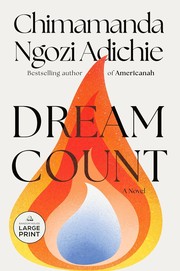
Dream Count
Four women narrate the 2020 lockdown in their own voices: a travel writer, a friend in early labor, a banker cousin and a housekeeper assaulted in a hotel room.
2,286-word summary · 10 min read
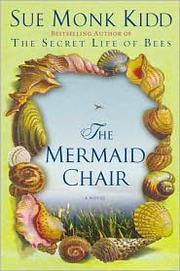
The Mermaid Chair
Jessie Sullivan returns to her childhood home on Egret Island to care for her agoraphobic mother, then finds her marriage, her faith, and a monk's vow thrown…
2,237-word summary · 10 min read

Big Swiss
A transcriptionist for a sex coach falls for one of his clients, the tall Swiss gynecologist she calls Big Swiss, in a funny novel about work and secrets.
2,523-word summary · 11 min read
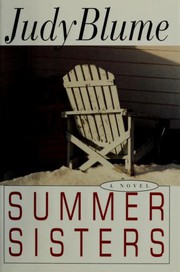
Summer Sisters
Vix and Caitlin share Martha's Vineyard summers from age twelve into adulthood, through first love, grief, marriage, and a disappearance that still haunts Vix.
3,633-word summary · 16 min read
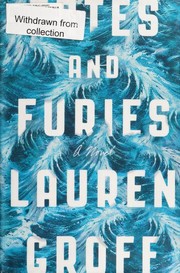
Fates and Furies
Lauren Groff tells one 24 year marriage twice, first through Lotto's bright luck, then through Mathilde's hidden past and quiet control.
2,992-word summary · 13 min read

The Bean Trees
Taylor Greer flees Kentucky, inherits Cherokee toddler Turtle, and roots with Tucson strays.
2,082-word summary · 9 min read
Freedom
A St. Paul couple and their grown children strain marriage, loyalty, and ideals in 2000s America.
2,678-word summary · 12 min read
Truly Madly Guilty
A Sydney barbecue turns when two-year-old Ruby falls in a fountain. Three couples face guilt, marriage strain, and repair.
2,892-word summary · 13 min read

American Fantasy
Newly divorced and feeling replaceable at work, Annie takes a Boy Talk reunion cruise alone and finds buried feelings stirring.
2,403-word summary · 11 min read

The Nix
A stalled novelist and community college professor goes looking for the mother who left him and finds a radical activist whose rock thrown at a governor made…
2,214-word summary · 10 min read
The Long Haul
Greg Heffley's summer road trip goes sideways with a towed boat, a live pig, and a family in a purple van.
2,311-word summary · 10 min read
Palaver
A mother shows up uninvited at her estranged son's Tokyo apartment, and the two spend the weeks before Christmas talking their way toward something like…
2,465-word summary · 11 min read
Only Son
A brief, funny, melancholy debut about a boy whose father dies in 1982 Florida, and the man he becomes, still trying to read the mystery of that loss.
2,170-word summary · 10 min read
Barefoot
Three women spend a summer on Nantucket facing chemotherapy, a lost career and a pregnancy shadowed by affairs.
2,323-word summary · 10 min read

Whistler
Ann Patchett's eleventh novel follows a New York teacher who reconnects with a former stepfather at the Met and hears the strange story of a chestnut mare.
2,697-word summary · 12 min read
When Life Gives You Lululemons
Emily Charlton leaves Runway for Hollywood and ends up in Greenwich, where a supermodel's DUI and a senator husband's ambitions draw three women into a…
2,028-word summary · 9 min read
The Emperor of Gladness
Ocean Vuong's second novel follows a young addict pulled back from a bridge in a dying Connecticut mill town and into the home of an elderly immigrant woman…
2,693-word summary · 12 min read
The Correspondent
A retired lawyer in Annapolis writes letters across a decade to family, literary heroes, and one recipient she never mails. Evans's debut turns correspondence…
2,296-word summary · 10 min read

The Collected Regrets of Clover
A death doula who writes down the last words of strangers keeps her own heart locked away, until a new neighbor, a dying photojournalist and a road trip to…
3,055-word summary · 14 min read

Tara Road
After her husband admits to an affair, a Dublin woman swaps houses for the summer with a grieving American, and each begins to heal inside the other's life.
2,020-word summary · 9 min read
Second First Impressions
A risk-averse retirement-villa manager and the developer's tattooed son are thrown together at work, where her fear of the outside world meets his relentless…
2,073-word summary · 9 min read

Rachel's Holiday
Rachel Walsh calls her cocaine use recreational until an overdose and a stay at a Wicklow rehab clinic force her to hear what her family and boyfriend have…
2,792-word summary · 12 min read
My Friends
A dying artist sends an eighteen-year-old stranger a painting, pulling her into the story of four teenagers and one summer on an abandoned pier.
2,219-word summary · 10 min read
King of Ashes
A Virginia crematorium, a debt owed to the Black Baron Boys and a family secret pull Roman Carruthers back into a war where everything burns.
2,229-word summary · 10 min read