
The Duke and I
2,107-word summary 9 min read 384 pages in the book
- First published
- 2000
- Publisher
- Avon
- Pages
- 384
- ISBN
- 9780380800827
- Series
- Bridgerton (#1)
Reading options
What's inside (6 sections)
I read this after watching the show and wanting to see how much came from the book. The answer is a lot and not a lot. The Duke and I was published January 5, 2000 by Avon, 384 pages in mass market, ISBN 9780380800827, author Julia Quinn, first in the Bridgerton series. It tells how Daphne Bridgerton, fourth child and eldest daughter of a large loving family, marries Simon Basset, Duke of Hastings, after a fake courtship. I found it funny, warm, and at one point genuinely troubling, which I want to discuss honestly.
Daphne is twenty and in her second season. Her mother Violet wants her settled. Her seven siblings tease and protect by turns. Anthony the eldest scares off suitors. Benedict draws. Colin charms. Eloise observes. The younger ones hover. Daphne is pretty, frank, good at conversation, and treated by most men as a friend rather than a prospect. She is tired of being liked and not desired.
Simon is new to town and determined not to marry. His father, the old duke, prized an heir and despised a stammering son. Simon learned to speak smoothly through hard work and rage, then left England, traveled, and vowed the title would die with him. He returns for business and runs into Lady Danbury, who knew him as a boy and who bullies him fondly. At a ball, Daphne punches a drunk suitor, Simon laughs, Lady Danbury plots.
Their deal is simple. Simon will pretend to court Daphne so other men see her as wanted and so ambitious mothers leave Simon alone. They attend promenades, call on each other, dance twice. Gossip, guided by the mysterious Lady Whistledown's newsletter, does the rest. Whistledown's column opens each chapter with a sharp paragraph about who wore what and who failed where. Those snippets are fun and also show how reputation works as currency.
Of course pretending becomes feeling. Daphne likes that Simon talks to her as an equal. Simon likes that Daphne is direct and laughs at his dry jokes. They share a love of reading and a dislike of ballroom small talk. A scene in a garden where Simon shows Daphne how men and women actually kiss, meant as instruction, turns heated. Anthony finds them in a compromising position and demands marriage. Simon agrees, though he tells Daphne he cannot give her children. Daphne, sheltered and misinformed about how children are made, hears cannot as will not for vague reasons and accepts.
Marriage starts happily. They travel to Simon's estate at Clyvedon. They swim, argue about estate management, host a house party, make love often. Quinn writes desire with humor and clarity. Daphne's inexperience is handled without mockery. Simon's care in teaching her is tender. For a stretch this is a warm honeymoon book with a competent heroine learning to run a house and a hero learning to be known.
The trouble comes with the child question. Daphne wants children. Simon has vowed none, to spite his dead father. He practices withdrawal without explaining. Daphne, once she learns from a maid how conception works, realizes Simon has been ensuring she will not conceive while letting her believe fate decides. She confronts him. In a scene many readers now find painful, she holds him in bed when he is drunk and forces him to finish inside her against his clear refusal. The book frames it as Daphne taking what she believes is her right after being deceived. Modern readers, myself included, read it as assault. It is the one scene I cannot recommend and cannot skip in discussion.
After, they separate in feeling if not in house. Simon drinks, rides, avoids. Daphne suspects she may be pregnant and feels guilt alongside anger. Letters from Lady Danbury and Violet push them toward honesty. Simon's old friend Will, a boxer, tells him he is repeating his father's cruelty by punishing Daphne for wanting a family. Daphne's brother Colin, in a rare serious moment, tells her marriage needs truth more than victory. The final reconciliation happens through talk, not a grand gesture. Simon admits his vow was about hurting a dead man by erasing his line, and sees that erasing also hurts the living woman he loves. Daphne admits she violated him and asks forgiveness without excuses. They decide to try for a family freely, or not, together.
Family noise
What I loved most is the Bridgertons as a crowd. Violet is warm and slightly meddling. Lady Danbury is rude and wise. Anthony is overbearing in a way the later books will unpack. Eloise hides intelligence under jokes. The breakfast table scenes with everyone talking at once felt real to me as someone from a smaller family who envies that chaos. Quinn writes sibling banter fast. Nicknames, interruptions, food stolen. Daphne is both protected and stifled by them. Marriage is her way out and also her way to stay close on new terms.
Lady Whistledown as device works. Each chapter epigraph gossips about the action you are about to read, sometimes accurately, sometimes missing the point. The column creates dramatic irony. We know what society thinks while we know what really happened in the garden. That gap is where comedy lives. The mystery of who Whistledown is does not resolve here, which is fine. She is a chorus.
Clyvedon as a house matters. Simon hates it because his father filled it with portraits and expectations. Daphne walks its halls and sees a home that could be kind with different care. She changes curtains, talks to tenants, learns accounts. Simon watches and softens. Estate management as love language sounds dull and reads sweet. A duke who thought a house was a tomb learns it can be a kitchen.
Will and Alice, Simon's friends from rougher London, add texture. Will boxes, Alice sews, they argue lovingly. Their working marriage contrasts with the aristocratic performance in town. When Daphne befriends Alice, she learns about money, babies, and plain speech. Those scenes keep the book from floating entirely in silk.
Desire and consent
I need to stay longer on the central problem because it shapes any fair summary. Quinn wrote in 2000 within genre norms where a heroine forcing issue could be played as comic or justified. Reading in 2026, the scene where Daphne uses Simon's drunken state to conceive against his stated no reads as clear violation. Simon says no. Daphne proceeds. The text acknowledges his anger and hurt, but moves toward forgiveness relatively quickly through love and through Simon's realization that his own deception started it.
Both things can be true. Simon deceived Daphne about contraception by omission, which is wrong and breaks trust. Daphne assaulted Simon in response, which is also wrong and cannot be fixed by his prior wrong. The book treats the first more seriously than the second at the time, though it does show Daphne's remorse. I wanted a longer reckoning. A conversation where Simon names what happened without Daphne deflecting to her own pain. We get part of that, not all.
Why keep reading after that. For me, because the rest of the book takes marriage seriously as repair. Simon forgives for more than love alone. He examines his vow, his father's voice in his head, his fear of stammering in front of a child, his fear of being his father. Daphne offers more than a quick apology. She learns how little she knew about bodies and choices, educates herself, and accepts that a child conceived this way would carry a hard start. Their reunion is conditional on honesty, more than passion. That effort redeems some, though not all, of the hurt for this reader. Others will reasonably stop at the scene and put the book down. I respect that.
Outside that scene, consent is handled playfully and well. Early kisses are negotiated with words and laughter. Daphne asks. Simon checks. Married scenes show checking as sexy rather than clinical. Quinn is good at this when she chooses to be, which makes the one failure more jarring. It reads as a blind spot of its era, not as the author's whole view.
Style and pace
Quinn's style is light and quick. Short chapters. Dialogue heavy. Jokes about food, about Anthony's glare, about Lady Danbury's cane. The historical detail is present but not heavy. Dresses, carriages, calling hours, promenades, all sketched enough to place you. Anyone wanting deep Regency politics should look elsewhere. This is a character comedy with serious undercurrents, not a history.
Pacing is strong until the house party, where too many new guests arrive to prove Daphne is a good hostess. I skimmed a dinner and a musicale. The book does not need them. The core four, Daphne, Simon, Violet, Danbury, plus Whistledown, carry it. When Quinn stays with them, pages fly. When she widens to society, energy dips.
The ending, after the hard talk, is genuinely sweet. A letter, a walk, a decision to face fatherhood and motherhood together without vows of revenge. The final Whistledown column winks. The epilogue with a child and a stammer handled with love made me tear up despite my anger at the middle. Love does not erase harm here, but work plus time plus truth make a way forward. I believed the marriage at the end more than at the wedding.
Balls, walks, and talk
A little more on everyday texture because Quinn earns her world in small moves. The ball where Daphne punches Nigel Berbrooke is chaos in gloves. Supper too hot. Music too loud. Nigel drunk and entitled, grabbing Daphne's wrist. Daphne, who has brothers and no patience, hits him. The crowd gasps, then pretends not to see. Simon laughs out loud, which makes Daphne like him at once. Someone who laughs at the right moment is rare in that room. Lady Danbury, watching from a corner with her cane, files the moment for later use.
Promenade scenes in Hyde Park do quiet work. Carriages circle. Mothers wave. Young men ride too fast to show off. Daphne and Simon walk together while Anthony hovers a few steps behind, glaring. Their talk is about books, about Simon's travels, about Daphne's frustration at being called nice. Nice as a wall, she says. Everyone says I am nice and then looks past me. Simon says he finds her interesting, which is not the same as nice, and means more. Those walks build trust faster than any ball. No music to shout over. Just feet and talk.
Calling hours are comedy. Simon arrives with flowers he clearly asked someone else to pick. Violet offers tea and watches like a hawk who loves her chick. Younger Bridgertons burst in with excuses to stare. Eloise asks Simon blunt questions about Africa that embarrass Daphne and delight Simon. Hyacinth, small, tries to steal cake. These intrusions keep the fake courtship from feeling staged. Real family keeps breaking the set, which helps the fake start to feel real.
I also liked the letters. Violet writes to Daphne at Clyvedon with advice about servants and about missing her. Lady Danbury writes to Simon with orders disguised as news. Will writes about a fight and about Alice's pregnancy, which mirrors Daphne's longing without preaching. Answering letters becomes how Daphne runs her new house. She writes lists, sends thanks, asks for recipes. Domestic competence is shown as intelligence, not as settling. That respect for house work runs through Quinn and feels sincere.
One last note on Simon's speech. His stammer returns when he is tired, angry, or scared. With his father it was constant. With Daphne it fades, then spikes during fights. Quinn writes the repetitions without mockery. S S Simon. Pauses. Restarts. Daphne learns not to finish for him unless he asks. That patience is love in practice. When their child lisps and stammers a little in the epilogue, Simon's calm response, learned through pain, broke me in the best way. A father giving what he never got.
Should you read it. If you love family romance with banter and heat, yes, with the content warning above. If you watched the show, expect a smaller, more intimate story. No queen, less Featherington, more Danbury and Violet. Simon's stammer and father's cruelty are central in a way the show touches but the book explores fully. Daphne is sharper and funnier on page. The assault scene is in both, handled differently, troubling in both. Go in knowing and decide your own line.
Facts held: first published January 5, 2000 by Avon in the United States, 384 pages in mass market, ISBN 9780380800827, author Julia Quinn, series Bridgerton book one. Summary follows that text.
FAQ
When was The Duke and I published?
It was first published January 5, 2000 by Avon. The mass market runs 384 pages with ISBN 9780380800827.
Who are the main people?
Daphne Bridgerton, Simon Basset Duke of Hastings, Violet and Lady Danbury, Anthony and siblings, Will and Alice, and Lady Whistledown.
Is it part of a series?
Yes. It is book one in the Bridgerton series, followed by The Viscount Who Loved Me.
Similar books
More like The Duke and I →More from Bridgerton first, then related titles.
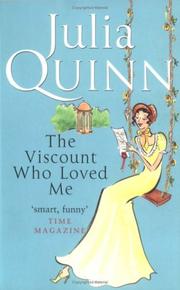
The Viscount Who Loved Me
Anthony Bridgerton vows to marry without love until Kate Sheffield challenges him at every turn.
2,666-word summary · 12 min read

An Offer From a Gentleman
Benedict falls for a masked Sophie at a ball, then finds her working as a housemaid after her stepmother evicts her.
2,320-word summary · 10 min read

Romancing Mister Bridgerton
Colin Bridgerton returns and discovers Penelope Featherington is Lady Whistledown.
2,388-word summary · 11 min read

Terms and Conditions
Declan must marry to inherit, so he offers his assistant a deal with rules.
2,695-word summary · 12 min read

All Your Perfects
Quinn and Graham's perfect love frays under infertility, and they must decide what perfect means now.
2,072-word summary · 9 min read
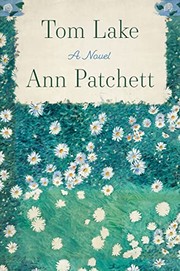
Tom Lake
Lara tells daughters about young love with actor Peter Duke at Tom Lake.
2,600-word summary · 12 min read