
When He Was Wicked
2,055-word summary 9 min read 368 pages in the book
- First published
- 2004
- Publisher
- Avon Books
- Pages
- 368
- ISBN
- 9780060531232
- Series
- Bridgerton (#6)
Reading options
What's inside (13 sections)
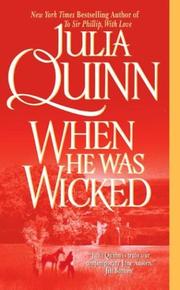
I read When He Was Wicked because friends called it the Bridgerton book that earns its tears, and they were right in ways that surprised me. Julia Quinn published it with Avon Books in 2004, a 368 page romance with ISBN 9780060531232. Sixth in the Bridgerton series, it follows Francesca, the quiet Bridgerton sibling, who marries a kind earl, loses him, and years later falls for his cousin Michael, who loved her silently all along. Grief, guilt, and gossip tangle for 300 pages before anyone says the plain thing. It is the least sparkly Bridgerton and the most adult. Death sits at the table from page one.
Francesca Bridgerton has always been the composed one. Not as outgoing as her siblings, musical rather than chatty, she marries John Stirling, Earl of Kilmartin, for affection that promises calm. John is decent, funny in a dry way, and chronically ill with headaches that foreshadow the end. Michael Stirling, John cousin and heir, rakish and charming, meets Francesca at the wedding and falls instantly in a way that shames him. He loves John like a brother. He wants John wife with a hunger that feels like betrayal. For years he manages it by staying away, drinking, and bedding women he does not remember. Then John dies of an aneurysm in his sleep. Francesca is widowed at twenty something. Michael inherits the title he never wanted and guilt that fits worse than the coronet.
Grief first
Quinn handles mourning better here than in lighter series entries. Francesca does not perform widowhood for readers. She counts plates. She avoids music rooms. She keeps John letters but cannot reread them. Her mother Violet visits with food and tact, knowing this daughter needs quiet rather than balls. Siblings orbit with varying skill. Eloise talks too much. Hyacinth teases to distract. The family leaves doors open without demanding entry. That restraint feels true to large families who learned grief across books. No one fixes Francesca. They hold space while she forgets how to want things.
Michael grief is guilt shaped. He believes his desire killed John by wishing. He drinks more. He flees to India, then returns because running did not work. His rakish reputation, established in earlier books as comic, reads here as self harm with tailoring. Quinn does not glamorize it. Partners leave his bed unsatisfied. Friends stop inviting him. His mother writes letters he does not answer. When he returns to Kilmartin lands, thinner and tired, Francesca sees him clearly for the first time as a man rather than John appendage. That seeing scares both. To notice Michael feels like betraying John. To be noticed feels like living again, which feels worse.
The turn
The middle belongs to slow reintroduction. Francesca manages John estate with competence that surprises stewards. Michael helps because duty demands and proximity punishes. They argue about tenants, drainage, and music. Francesca plays piano again, badly at first, then with feeling that makes Michael leave rooms. He recognizes the songs from John evenings. She plays them to remember and to test if beauty still works. It does, which frightens her into busyness. Quinn stages their growing awareness through logistics rather than balls. Ledger reviews. Walks to cottages. A fever that requires nursing. Care tasks reveal hands, patience, humor. No one declares. Everyone notices, especially servants who gossip kindly and cruelly at once.
The famous fever scene earns its reputation. Francesca falls ill after overwork in rain. Michael nurses her through nights, cool cloths, broth, reading aloud when she raves. She mistakes him for John once and calls the wrong name. He stays anyway. When she recovers, the debt between them cannot be repaid with thanks. Touch lingers. Jokes carry double weight. Quinn writes the aftermath with unusual frankness for the series. Desire here is adult and frightened rather than sparkling. Both know what loss costs. Wanting again feels like risking the same bill. They avoid each other with elaborate politeness that fools no one, least of all Violet, who watches with a mother knowledge Quinn renders in glances rather than speeches.
Scandal and choice
Gossip forces the crisis. A compromise, partly real and partly staged by circumstance, leaves Francesca reputation at risk. Michael offers marriage as honor. Francesca refuses because she will not be a duty bride twice, even to a man she wants. That refusal is the book spine. She demands to be chosen, not covered. Michael must prove his love is not guilt plus proximity. He does it badly at first with grand gestures that echo rake habits. Flowers. Apologies. A trip planned to impress. Francesca rejects each kindly. What finally moves her is small and specific. Michael sorting John papers without being asked. Remembering how John took tea. Crying once, briefly, for his cousin rather than performing grief for her. Love proven through grief shared rather than replaced.
The marriage that follows is not a prize but a negotiation. Francesca fears infertility after years without child with John. Michael fears he can never match a sainted memory. Quinn handles the wedding night with care rare in historical romance of its era. Talk before touch. Laughter that eases. Stopping when fear spikes. Francesca learning that pleasure with Michael does not erase John. Michael learning that being second in time does not mean second in worth. Their intimacy is written as conversation with bodies, awkward and tender by turns. For a series known for sparkling banter, these scenes stand out for quiet.
Family chorus
Bridgerton siblings surround the couple with noise that helps. Colin teases Michael about settling. Daphne writes letters about babies. Eloise asks impertinent questions about desire that embarrass everyone and advance honesty. Violet gets the best late scene, telling Francesca that loving twice does not divide the heart but expands the rooms. That image, rooms rather than halves, reframes widow remarriage without diminishing John. Quinn, who lost her own father young, writes parental grief with authority. Violet knows what Francesca learns. Love continues. It does not replace. The epilogue with children and music shows happiness without claiming forgetting. John portrait hangs where children ask about him. He is named often. That naming is the final proof. Michael does not compete with a ghost. He lives beside one.
What works and what strains
What works is maturity. This is the only Bridgerton that starts with death and lets grief set pace. Quinn prose stays light but allows silence. No one quips at funerals. Desire scenes carry weight because loss precedes them. Francesca quietness, which could bore, becomes compelling through interiority about music and management. Michael rake reform feels earned through suffering rather than a heroine makeover. Readers tired of virgin banter will find adults here who know what bodies and wills cost.
The strain is repetition and thin stakes for non romance readers. Gossip threats feel mild after real death. A compromise scandal cannot match aneurysm shock. Middle chapters circle the same will they talk with many walks and few decisions. John sainthood risks hagiography. He was kind, but the book sometimes flattens him into perfect to justify everyone guilt. A flawed John would have eased Francesca moving on. Still, the core holds because Quinn respects widowhood as identity rather than interval. Francesca was a wife. She is a widow. She becomes a wife again without ceasing to be a widow. That layering is rare in romance and worth the slower middle.
Who it is for
Read it if you like historical romance with grief, or want Bridgertons beyond ballrooms. It works standalone, though sibling cameos enrich. Start here if widow stories speak to you. Start with The Duke and I if banter is your door. Content notes include sudden spousal death off page, grief and depression described, infertility fears, and sexual content with clear consent kept at romance level. Adult book.
I finished thinking about music rooms. Francesca avoids hers for a year, then plays badly, then plays for Michael, then plays for children who dance badly in turn. Music marks grief stages better than dialogue. Silence. Noise. Tune. Quinn, who plays piano herself, knows. The final image of Francesca playing while Michael holds a child and John portrait watches is not triangle but continuity. Love adds rooms. The house stands. Play on. For a series book that could have coasted on charm, that depth surprised me into tears twice. Keep tissues near the ledger scenes. Numbers carry feeling when Quinn writes them.
Series note
Bridgerton order runs The Duke and I, The Viscount Who Loved Me, An Offer from a Gentleman, Romancing Mister Bridgerton, To Sir Phillip With Love, When He Was Wicked, It's in His Kiss, On the Way to the Wedding, then Happily Ever After epilogues. Read in order for sibling arcs. When He Was Wicked spoils earlier couples happily. Start at one if completist. Start here if grief brought you. Quinn welcomes both.
John Stirling
John Stirling deserves his own section because the book mourns him genuinely rather than using him as plot device. Earl of Kilmartin, quiet, kind, fond of order and of Francesca laugh, John marries knowing his health is fragile and loves without reservation anyway. His courtship chapters, told in flashback, show a man who pursued steadily rather than dazzlingly. Letters. Walks. Attention to Francesca music. He befriends Michael without sensing rivalry, trusting his cousin fully. That trust makes Michael guilt sharper after. John death in sleep, painless for him and shattering for others, is described through Francesca finding him cold at breakfast. No long farewell. Just absence where warmth was. Quinn resists making John perfect. He was stubborn about doctors. He hid headaches. Those flaws make grief messier and truer. A good man with ordinary evasions, gone. The house keeps his chair. No one sits in it for a year.
Violet Bridgerton
Violet gets the best supporting turn in the series here. Mother of eight, widow herself for years, she recognizes Francesca grief without fixing it. She brings food that needs no cooking. She sits through silences. She tells the story of her own husband death only once, briefly, to prove survival possible rather than to compare pain. Her late advice about loving twice expanding rooms rather than dividing hearts carries authorial weight. Quinn lost her own father and writes Violet from that knowledge. Older readers who have buried spouses will find Violet the truest voice. Young readers learn that mothers were once daughters in love. That continuity steadies the romance. Love did not start with Francesca. It will not end with her choice. Houses hold many loves at once if doors stay open.
Kilmartin estate
The Scottish estate management gives the romance its working backbone. Kilmartin lands need drainage, tenants need roofs, and accounts need auditing after John death. Francesca, trained by John to understand ledgers, takes charge with competence that surprises stewards used to ornamental countesses. Michael, who knows the land from boyhood visits, helps without taking over. Together they walk fields in mud, argue about rents, and earn tenant trust that gossip cannot touch. Those muddy chapters matter more than ballrooms because they show partnership rather than courtship. Can they run something together. Yes, the estate answers. Quinn, who researches estate economics lightly but lovingly, lets numbers carry feeling. A repaired bridge. A forgiven debt. A harvest saved by quick decisions. Love here is proven in drainage as much as glances. Readers who skim estate talk miss the courtship. Stay for the ditches. They hold more truth than dances.
The music room
Music threads the book from first dance to final lullaby. Francesca plays piano with skill that expresses what she cannot say. John loved listening. Michael fled it after death because songs recalled happiness he felt he stole. Francesca stops playing for a year, then starts badly, then plays for Michael a piece John liked. That progression maps grief better than dialogue. Silence. Noise. Tune. Quinn stages the key scene with Michael listening outside a door he will not open, weeping silently while Francesca plays through mistakes. Neither mentions it after. Both know. The final chapters bring children dancing badly to Francesca playing, Michael holding a baby while keeping time. Music returns to the house as joy rather than memory. Play on, the book suggests. The dead keep their songs. The living add verses.
FAQ
When was When He Was Wicked published?
Avon Books published it in 2004. The mass market edition runs 368 pages and the ISBN is 9780060531232.
Who are the main characters?
Francesca Bridgerton, Michael Stirling, John the Earl of Kilmartin, and Violet Bridgerton.
Is it part of a series?
Yes. It is book six in the Bridgerton series, following Hyacinth and preceding Gregory.
Similar books
More from Bridgerton first, then related titles.
The Duke and I
Daphne Bridgerton and Simon Basset fake a courtship that turns real, then face truth about children.
2,107-word summary · 9 min read
The Viscount Who Loved Me
Anthony Bridgerton vows to marry without love until Kate Sheffield challenges him at every turn.
2,666-word summary · 12 min read
An Offer From a Gentleman
Benedict falls for a masked Sophie at a ball, then finds her working as a housemaid after her stepmother evicts her.
2,320-word summary · 10 min read
Romancing Mister Bridgerton
Colin Bridgerton returns and discovers Penelope Featherington is Lady Whistledown.
2,388-word summary · 11 min read
To Sir Phillip, With Love
Outspoken Eloise writes a grieving botanist, visits unchaperoned, and stays for twins.
2,013-word summary · 9 min read
It's in His Kiss
Julia Quinn's seventh Bridgerton novel pairs sharp tongued Hyacinth with Gareth St. Clair as an old Italian diary leads them toward hidden jewels and Lady…
2,908-word summary · 13 min read
On the Way to the Wedding
Gregory chases the wrong friend while Lucy fights a forced engagement.
1,938-word summary · 9 min read

The Storm Sister
Ally D'Aplièse loses her father and her lover within weeks, then follows a brass frog and a Norwegian biography into Anna Landvik's music and the world of…
2,376-word summary · 11 min read

The Japanese Lover
A Polish refugee and the son of a Japanese gardener fall in love in San Francisco in 1939, then keep the affair secret for nearly seventy years.
2,286-word summary · 10 min read

The Shadow Sister
Star D'Apliese steps out of her sister's shadow and follows a bookshop clue into the Edwardian life of Flora MacNichol, a woman who gave up love for duty.
2,260-word summary · 10 min read

Sam's Letters to Jennifer
A grieving journalist reads her grandmother's letters and finds a decades-long love affair that changes how she sees her family.
2,310-word summary · 10 min read

Two by Two
Sparks's twentieth novel turns from first love to a marriage breaking up: Russell Green loses his wife and his job, then rebuilds his life around his…
2,192-word summary · 10 min read

At First Sight
Jeremy and Lexie are married and expecting a baby when anonymous emails tell him the child may not be his.
2,317-word summary · 10 min read
What the Wind Knows
Annie scatters her grandfather's ashes on Lough Gill and is pulled into 1921 Ireland, where she becomes the missing Anne Gallagher and falls for Dr. Thomas…
2,056-word summary · 9 min read

Delilah Green Doesn't Care
Delilah returns to Bright Falls to photograph her stepsister's wedding and falls for Claire, a bookstore owner and single mother, while a cruel bet threatens…
2,315-word summary · 10 min read

Someone Like You
Halley and her best friend Scarlett face a summer of grief, a surprise pregnancy, and Halley's dangerous first romance in Sarah Dessen's 1998 young adult novel.
2,218-word summary · 10 min read
The Accidental Tourist
Grieving Macon writes travel guides for haters of travel, then Muriel intrudes.
2,252-word summary · 10 min read
Sold on a Monday
A reporter hides a Depression photo of children for sale and must face the cost.
2,501-word summary · 11 min read
Anne's House of Dreams
Newlyweds Anne and Gilbert start in a seaside house with kind neighbors.
2,465-word summary · 11 min read
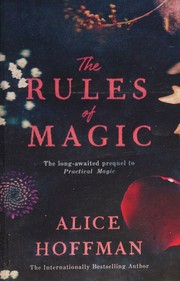
The Rules of Magic
Franny, Jet, and Vincent Owens test strict family rules and a love curse in 1960s Manhattan and Massachusetts in Alice Hoffman's warm prequel about love, loss,…
2,686-word summary · 12 min read
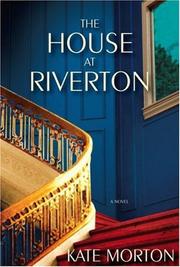
The House at Riverton
In 1999, ninety eight year old maid Grace Bradley tapes the truth about a 1924 shooting at Riverton Manor, poet Robbie Hunter, two sisters and a lie held for…
2,433-word summary · 11 min read
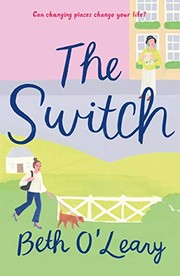
The Switch
A burned-out consultant and her 79-year-old grandmother swap London and Yorkshire homes for two months, facing grief, dating apps, and village politics.
2,782-word summary · 12 min read
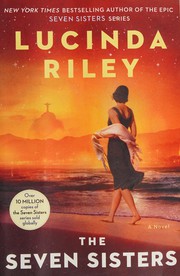
The Seven Sisters
Maia follows Pa Salt clue from Geneva to Rio and Christ the Redeemer.
2,210-word summary · 10 min read
The Last Letter
Ella trades letters with soldier Chaos, then her brother Ryan death brings Beckett to Telluride with a hidden name, sick Maisie, and a love tested by truth.
2,559-word summary · 11 min read
The Great Believers
Yale builds a Chicago art collection as AIDS takes his friends, and Fiona searches Paris for her daughter thirty years later.
2,742-word summary · 12 min read
Tell the Wolves I'm Home
A grieving fourteen year old secretly befriends her late uncle's boyfriend in 1980s New York, testing family loyalty and love.
3,014-word summary · 13 min read
This Girl
Honeymoon retelling as Will recalls first love, classroom ban, loss, fights, and vows that stick.
2,526-word summary · 11 min read
Suzanne's Diary for Nicholas
A dumped editor reads a Vineyard mother's diary that reframes everything.
2,087-word summary · 9 min read
Forever, Interrupted
Elsie elopes in May, loses Ben nine days later, and learns grief beside the mother in law she never met.
2,051-word summary · 9 min read
The Girl You Left Behind
Two women a century apart fight for what they love, joined by a portrait painted in wartime France and claimed in modern London.
2,613-word summary · 12 min read