
Reading options
What's inside (11 sections)
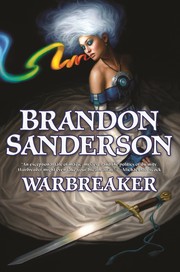
I read Warbreaker because a friend promised it was Sanderson most romantic book, and then I stayed for the economics lectures disguised as fantasy. Brandon Sanderson published it with Tor in 2009, a 592 page standalone with ISBN 9780765320308. Two princesses from mountain Idris are promised to a god king in the lowland city of Hallandren. One trained her whole life for the marriage. The other goes instead. Around them orbit a god who does not believe in himself, a mercenary with a sword that destroys souls, and a magic system where breath is currency. It is funny, talky, and sneakily rigorous about power. My favorite Sanderson to argue about.
Idris and Hallandren share a past war and opposite theologies. Idris worships Austre the ascetic, wears drab browns, and fears ostentation. Hallandren worships the Returned, people who died heroically and came back as gods, and loves color to the point of obsession. Twenty years earlier the two kingdoms nearly destroyed each other. The treaty demands an Idris princess marry Susebron the God King. Vivenna, eldest, trained since childhood in Hallandren language, customs, and courtly reserve, expects to go. Her father sends Siri, youngest, instead. Siri is nineteen, outspoken, fond of slopes and dogs, utterly unprepared for veils and eunuchs. The switch saves Vivenna from a cage and throws Siri into one. Both sisters spend the book learning the other cage was real too.
Siri in the palace
Siri palace chapters are the strongest sustained comedy Sanderson wrote before Stormlight. Locked in lavish rooms, watched by silent servants, visited at night by a god king who never speaks and wears enough robes to hide a regiment, Siri panics usefully. She tries to escape through laundry. She insults priests. She fakes illness. Slowly she notices things. Susebron flinches at certain priests. Servants leave food she likes without being told. The marriage bed ritual is strange and gentle rather than cruel. Siri, who expected a monster, finds a frightened young man whose tongue was cut out by priests to keep him dependent. Her response is practical rather than pitying. Teach him to write. Pass notes. Plot together. Their courtship through smuggled letters, hidden in palace walls, is sweet without being soft. Two prisoners comparing cells.
Vivenna city plot mirrors it in darker tones. Smuggled to Hallandren with a mercenary escort, Vivenna plans to rescue Siri from the marriage she assumes is torture. She hires sellswords with Idris gold, meets dissidents who promise revolution, and learns street life in a city where beggars wear brighter colors than Idris nobles. Her arc is pride dismantled. Trained to be a perfect queen, she is useless as a spy. She overpays. She trusts the wrong idealists. Her mercenary captain Denth betrays her to Hallandren agents, her money runs out, and she ends begging in dye stained clothes. That fall is necessary. Only stripped of princess tools does Vivenna learn Hallandren poor, and only then can she help Siri rather than extract her. Sisters who started as duty and spare become conspirators who respect each other ignorance. It takes 400 pages. It earns them.
Lightsong the unbeliever
Lightsong, god of bravery, does not believe he is a god, and tells everyone so at parties. Returned with no memories, given a palace, priests, and a drunken reputation, Lightsong plays the fool to avoid responsibility. His banter with his high priestess Blushweaver, goddess of beauty who also doubts the system, carries the book philosophy. If gods are just people who died well, what do they owe the living. Lightsong dreams of war dead he cannot name. He investigates his own death through archives. He discovers the palace plots a war with Idris using Lifeless soldiers, mindless bodies animated with stolen Breath. His arc from comic relief to genuine courage works because Sanderson never makes him solemn. Even facing death, Lightsong jokes about Bravery dying bravely. The joke lands because he finally means it.
Vasher and Nightblood stalk the edges. Vasher is a gruff warrior with a reputation as a murderer, carrying a sword wrapped in cloth that whispers. Draw me, it says. The sword, Nightblood, was made with the command destroy evil, but it cannot judge evil, so it destroys almost everyone who draws it. Vasher tries to keep it sheathed while hunting those who would make more such weapons. His chapters are terse and violent in contrast to court talk. He breaks into palaces. He interrogates priests. He teaches Vivenna to survive by being cruel first. Underneath, Vasher is one of the setting oldest scholars, guilty about the magic he helped create. His reluctant mentorship of Vivenna gives the book its hardest lessons. Good intentions animate corpses. Knowledge has upkeep costs. Some doors stay shut.
Breath as money
The magic system deserves a full section because it is the book thesis. BioChromatic Breath. Everyone is born with one Breath. The Returned need one a week to live. The rich buy Breath from the poor, collecting hundreds to reach Heightenings that grant perfect pitch, color perception, and eventually agelessness. Spend Breath to Awaken objects. A rope with enough Breath unties itself. A Lifeless army marches on stored Breath from the dying. That economy makes inequality literal. The poor sell their Breath for food and become Drab, gray and muted. The rich glow with stolen life. Sanderson, who loves hard magic, built his most openly political system here. What does it mean to sell part of your soul for dinner. The book asks through Siri horror at Drab districts and Vivenna experience of becoming one. No speeches about capitalism. Just a market where the poor fade visibly. You feel the argument in color rather than hearing it.
Color matters too. In Hallandren, wearing bright colors and keeping them vivid requires Breath. Nobles compete in hues that hurt. Idris drabness is both piety and poverty. Siri learns to read status in saturation the way courtiers read accents. That visual worldbuilding helps action scenes. Awakened cloaks change shade before striking. Lifeless eyes dull before disobeying. Battles are fought with laundry as much as blades. The climax, where Siri and Vivenna pool Breath to Awaken a palace wall hanging, works because the rules were taught in market scenes hundreds of pages earlier. Sanderson plants and pays off with accountant patience. Some find the lectures slow. I found them thrilling the way heist planning is thrilling. Learn the vault. Then crack it.
The war that is not
The plot turns on a manufactured war. Hallandren priests claim Idris terrorists attack outposts. Evidence proves Hallandren agents staged the attacks to justify invasion and to cover Lifeless stockpiling. Siri discovers the forgery through guard rotations. Vivenna confirms it from the streets where supposed Idris raiders speak Hallandren slang. Lightsong dies proving it to the god council, giving his Breath to heal Susebron voice so the king can command peace. That sacrifice lands because Lightsong spent the book insisting gods are useless. His final usefulness is real precisely because he chose it doubting. Vasher and Nightblood end the Lifeless army by unsheathing where only evil surrounds, a loophole that costs the sword bewilderment rather than triumph. I destroyed the evil, Nightblood says. Where is the evil now. No answer satisfies it. Some weapons cannot be used justly, only rarely.
The sisters ending reframes the opening switch. Vivenna, humbled, returns to Idris politics she once idealized, now able to serve without illusions. Siri stays as queen beside a speaking god king, no longer a spare but a partner who knows palace rot. Their reunion is brief and adult. No tearful rescue. Just two women who survived different cages comparing keys. Sanderson resists marrying everyone off or crowning heroes. Susebron lives but weakened. Vasher walks away with his sword and guilt. Lightsong stays dead, which matters in a book about Returned gods. Death can hold when chosen well.
What works and what strains
What works is character comedy and system rigor. Siri voice is a delight. Practical, rude, kind in emergencies. Vivenna growth from prig to ally feels earned through humiliation rather than speeches. Lightsong and Blushweaver banter carries philosophy without sagging. Nightblood steals scenes with childlike menace. The prose is plain Sanderson, functional with flashes, and the length feels justified because politics need rooms. Court dinners. Street markets. God councils. You live in Hallandren rather than tour it.
The strain is pacing and prose. The middle has long stretches of Siri waiting in rooms and Vivenna wandering streets that repeat lessons about color and class. Denth betrayal is telegraphed. The Idris king father gets little interior life. Romance between Vivenna and Vasher feels abrupt, built on shared misery more than chemistry. Readers who want Stormlight scope may find one city small. This is intentional chamber fantasy, but chamber can feel cramped at 592 pages. Still, the climax uses every room. No thread dangles. That completeness satisfies in ways sprawling series cannot.
Who it is for
Read it if you like magic with rules, or want fantasy romance where marriage starts the story rather than ends it. It stands alone, so no series commitment, though Sanderson hints at sequels and connects it lightly to Stormlight through Vasher and Nightblood. Those connections reward fans without confusing newcomers. Content notes include state violence, fantasy warfare with animated corpses, torture and interrogation, and sexual pressure in arranged marriage handled without graphic detail. Suitable for teens and up.
I finished thinking about Breath. What have I sold for comfort. Time. Attention. Color. Sanderson literalizes the trade so you cannot dodge it. The poor fade. The rich glow. Everyone knows the price and pays anyway. That is not fantasy. That is rent, wages, and hours. Warbreaker dresses it in gods and swords so you feel the wrongness before you name it. For a 592 page book that started as a free online experiment, that is generous craft. Breathe deeply. Spend carefully. Keep your color. The city watches hues to know who can be bought. Stay vivid. Stay free.
A note on text
Sanderson released Warbreaker drafts free online while writing, and fans shaped revisions. The Tor 2009 hardcover is the standard text at 592 pages. Later editions vary slightly in back matter. Annotations on his site explain cut chapters. Read those after if worldbuilding hooked you. They show how sausage and Breath get made.
Denth and Tonk Fah
Denth and Tonk Fah deserve a closer look because they carry the book mercenary heart. Denth is charming, funny, and utterly treacherous, a sellsword who befriends Vivenna while selling her to Hallandren agents. His banter with Tonk Fah, a large simple man who loves pancakes and violence in equal measure, provides the book funniest dialogue. Why do you carry so many ropes. For tying. Why the extra knives. For untying. That rhythm makes the betrayal hurt more when it lands. Denth does not betray from cruelty alone. He was hired young, paid in Breath that extended his life, and cannot quit the arrangement without dying. His final fight with Vasher, once brothers in the old wars, crackles with history neither explains fully. Two men who learned the same lessons and chose opposite penances. Tonk Fah grief after, wordless and huge, humanizes a comic figure in one paragraph. Even sellswords mourn. Especially sellswords, who know the price of every job and take this one personally.
The priests who doubt
Hallandren priesthood is not monolith, and the book is better for it. Some priests genuinely believe the God King speaks for peace. Others know Susebron voicelessness is maintained by cutting tongues and fear questioning. A junior priest helps Siri pass notes at risk of execution. An older one leaks guard rotations to Lightsong investigators. Those small treasons show institutions crack from inside before heroes strike. Siri learns to tell which priests bow lowest and mean it least. Vivenna learns the same from the street side when a priestess shelters her without asking names. Faith here is infrastructure. It moves food, hides fugitives, and keeps records. Whoever holds the temples holds the city memory. The war plot requires forging that memory through fake raids. Forgery fails because too many priests kept true copies. Paper defeats priests who forgot their own archives. Keep receipts, the book winks. Even gods file.
FAQ
When was Warbreaker published?
Tor published it in 2009. The hardcover runs 592 pages and the ISBN is 9780765320308.
Who are the main characters in Warbreaker?
Siri and Vivenna, princesses of Idris, Susebron the God King, Lightsong the reluctant god, and Vasher with Nightblood.
Is Warbreaker part of a series?
No. It stands alone, though Sanderson plans sequels in the same world.
Similar books
Elantris
A prince thrown into a cursed city, a princess fighting court plots, and a priest on a deadline collide in Sanderson's debut.
4,049-word summary · 18 min read
The Well of Ascension
After the Lord Ruler falls, Vin and Elend must hold Luthadel against three armies while a mist spirit hunts Vin and the Well of Ascension calls.
2,395-word summary · 11 min read
The Once and Future Witches
Three estranged sisters bring witchcraft back to an 1893 city where magic hides in nursery rhymes and the fight for the vote is also a fight for power.
2,132-word summary · 9 min read
The Bridge Kingdom
A trained bride spies on Ithicana and its bridge king, then love and invasion force choice.
2,044-word summary · 9 min read
King of Scars
King Nikolai fights a monster inside him while Nina spies in Fjerda and old saints wake in Ravka.
2,934-word summary · 13 min read
Caraval
Sisters Scarlett and Tella enter the game Caraval to escape a cruel father, where truth and show blur.
2,033-word summary · 9 min read
Dawnshard
Rysn sails toward forbidden Akinah to save her dying larkin and finds a Dawnshard guarded by the Sleepless.
3,229-word summary · 14 min read
The Emperor's Soul
Forger Shai must stamp a new soul for the dying emperor in 100 days.
2,313-word summary · 10 min read
Edgedancer
Hungry street thief Lift and her vine-like friend Wyndle cross the Herald Nale in Tashikk when a child emperor shows Radiant signs and she refuses to step…
2,328-word summary · 10 min read
The Bands of Mourning
Wax and Wayne hunt a mythical metalmind while southern visitors and the Set close in.
2,461-word summary · 11 min read
Shadows of Self
Wax and Wayne hunt a rogue kandra through Elendel as labor riots rise and old grief returns.
2,643-word summary · 12 min read
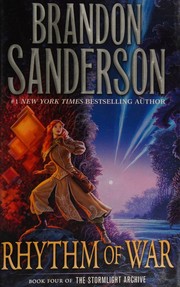
Rhythm of War
Kaladin breaks, Navani holds Urithiru, and Shallan faces the honorspren as war turns inward.
3,095-word summary · 14 min read
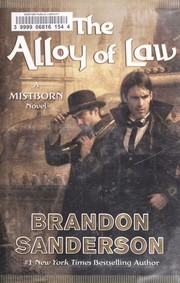
The Alloy of Law
Wax and Wayne chase Vanishers by rail in a gunpowder Mistborn city 300 years later.
2,535-word summary · 11 min read
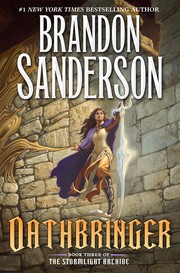
Oathbringer
Dalinar chases unity in Urithiru while Kholinar falls and an old oath demands payment.
3,513-word summary · 16 min read
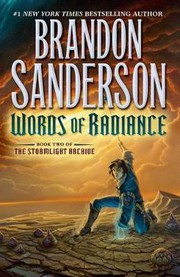
Words of Radiance
Kaladin guards Dalinar, Shallan hunts Urithiru, and the Everstorm gathers.
2,754-word summary · 12 min read
The Hero of Ages
Vin and Elend face ash, mist, and Ruin itself as the prophecies fail and Sazed searches old faiths for answers.
2,559-word summary · 11 min read
The Way of Kings
A slave, a warlord, and a scholar thief collide on a storm battered world marching toward an old war.
2,359-word summary · 10 min read
The Final Empire
A street thief with rare powers joins a crew planning the impossible: overthrowing the immortal Lord Ruler.
2,150-word summary · 10 min read

The Blinding Knife
Kip trains to join the Blackguard while the Prism hides his true identity, loses his colors, and fights a war against a rogue drafter who wants to birth a god.
2,049-word summary · 9 min read

Inkdeath
The final Inkworld novel sends Mo into the land of the dead, leaves Meggie choosing between two boys, and ends the Adderhead's immortality with three written…
2,062-word summary · 9 min read
Hounded
A two-thousand-year-old druid runs a bookshop in Arizona, hides from an Irish god who wants his sword back, and talks to his dog.
2,159-word summary · 10 min read
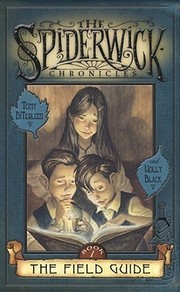
The Field Guide
Three siblings move into a creepy Maine estate, anger a brownie, and find a forbidden guide to the fairy world in the first Spiderwick book.
2,033-word summary · 9 min read

Magic Burns
A magic flare hits Atlanta, and mercenary Kate Daniels must recover stolen maps, find a missing witch, and keep a teenage girl alive while Celtic gods try to…
2,021-word summary · 9 min read
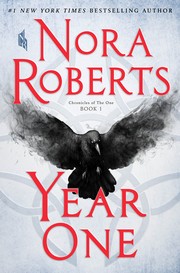
Year One
A plague released in Scotland kills most of humanity, and the survivors discover magic, build a town, and wait for a child who may save them.
2,029-word summary · 9 min read
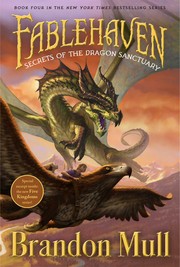
Secrets of the Dragon Sanctuary
Kendra is replaced by a plant copy and held by the Society, while Seth steals a unicorn horn so the family can enter a dragon sanctuary.
2,590-word summary · 12 min read

Lioness Rampant
Alanna searches for the Dominion Jewel with the Shang Dragon, then returns to Tortall to face Duke Roger at Jonathan's coronation.
2,478-word summary · 11 min read

Blood Bonds
Oleander is chained in a Resistance camp, and her five Bonds have to find her before Silas Davies finishes what he started in this third Bonds that Tie book.
2,018-word summary · 9 min read
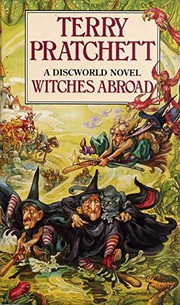
Witches Abroad
Three Lancre witches fly to Genua to stop a fairy godmother from forcing a servant girl into a storybook marriage, and find a city arranged around a happy…
2,651-word summary · 12 min read
The Time Paradox
When his mother falls ill with a fairy disease, Artemis Fowl travels back in time to find the extinct lemur that can cure her and confronts his younger self.
2,601-word summary · 12 min read

The Siren
Saved from a shipwreck in 1930, Kahlen becomes a siren who sings men to their deaths for the Ocean, until a boy in a college library makes her want a life she…
2,369-word summary · 11 min read