
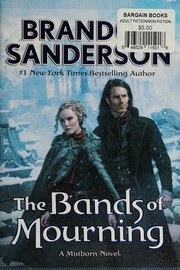
Reading options
What's inside (8 sections)
I came into this one tired in a good way. Shadows of Self had knocked me flat with that ending in the tunnels, and I needed to know where Wax went after having to pull the trigger on Lessie a second time. Brandon Sanderson published The Bands of Mourning with Tor Books in 2016, a 448 page novel with ISBN 9780765378576. It is the sixth book in Mistborn and the third about Waxillium Ladrian and Wayne. You can technically follow the action without the earlier books, because Sanderson re-explains Twinborn tricks and Hemalurgy more than once, but you would lose the sting. This is a direct sequel in feeling as well as plot.
My first read felt like two books shaking hands. The first half is a detective chase with wedding planning. The second half turns into an expedition story with an airship, a foreign culture, and a temple full of traps. I liked that swing, even when the lore talks ran long.
A wedding during a flood
The book opens with Wax trying to be a husband before he knows how to be one. He has married Steris Harms. She is still making lists for everything, still blunt in a way that makes formal Elendel society wince, still far sharper than people give her credit for. Wax respects her. He also feels guilty because part of his heart is still buried with Lessie. Steris knows. She does not pretend otherwise. She just keeps showing up with schedules and dry comments while Wax stares at rain.
And it rains a lot. Elendel is flooding. Rivers rise. Poor districts near the water take the worst of it, with families on roofs and boats moving between streets. The governor argues about relief money. The papers argue about who failed. Wax tries to help with Ladrian funds and constable work, but he keeps hitting the same wall. He prays to Harmony and gets silence. After Shadows of Self, where Harmony talked often and explained little, the quiet feels personal to Wax. He wonders if he did something wrong, or if his god has simply stepped back.
I liked this stretch more than I expected. Sanderson is often praised for magic systems, and fair enough, but here he writes marriage and civic mess well. Steris organizes supply lists while senators speechify. Wayne steals a coat to give to someone cold and then steals it back as a joke before giving it again. Marasi Colms works the constable angle and pushes for flood relief with a kind of tired anger. It grounds the mythic stuff to come. These people live in a city that can drown.
One small gripe early on: Wax broods in circles for a while. He thinks about Lessie, then about Harmony, then about Lessie again. The feelings are earned, but three similar scenes in the first hundred pages slowed me down. Steris saves those chapters. Every time she walks in with a practical question, the air clears.
The researcher who mailed his death
The plot kicks when a kandra contacts Wax with bad news. A kandra researcher named VenDell has a colleague who went missing out in the Roughs. That colleague, ReLuur, was chasing stories about the Bands of Mourning, the supposed metalminds left by the Lord Ruler himself. Legend says whoever holds them can use every power. Allomancy and Feruchemy, the full set, without the usual limits of birth or spikes. Most scholars in Elendel treat the Bands as a story for children. ReLuur thought they were real.
ReLuur turns up alive but badly hurt, his spikes damaged, his mind frayed. He cannot speak clearly. What he does bring back is stranger than testimony. He has photographs. Smudged, scratched, half ruined, but clear enough to show a temple wall, markings in the old script, and a figure tied to the Lord Ruler stories. He also has directions pointing south, toward New Seran and beyond, into lands Elendel maps leave vague.
Wax does not want the job. He has a wife, a house with flood damage, and a faith crisis. But the Set wants the Bands too. That group has been behind rail robberies, kidnappings, and political murder across the last two books. If they get an object that grants every metal art, Elendel is done. Marasi pushes Wax to move. Wayne pushes him harder, mostly by packing. Steris does the most Wax thing of all. She makes the expedition practical with budgets, rifles, spare boots, and a list of lies to tell the papers.
The question that trails Wax through this whole book is simple: what do you follow when your god stops talking back.
This middle section has a lot of explaining. Kandra biology. How spikes hold memory. How Feruchemical attributes can be stored and tapped. How a nicrosil mind might hold Investiture itself. Readers who love Sanderson lectures will eat it up. I usually do, but here I felt the drag the user warning mentioned. Two long sit-down talks about metalminds repeat points from earlier books. I skimmed pages around the second one and still followed everything after. New readers may need those repeats. Returning readers should brace for them.
South by airship
The travel half is where the book loosens up and gets fun. Wax, Wayne, Marasi, and Steris head south, first by rail to New Seran, then by airship toward the temple site. New Seran is a pleasant shock after Elendel. It is warmer, louder, built on different money, with its own rivalries and its own way of looking at northerners. Sanderson gives it gambling halls, sharp-tongued innkeepers, hunters who know the snowfields, and Set agents hiding in plain sight. Marasi gets room to work here as more than Wax backup. She interviews locals, spots lies in land deals, and holds her own in fights that used to leave her watching from the side.
The airship chapters move fast. The crew is rough and funny. Wayne spends most of the flight cheating at cards, trading hats, and annoying the pilot. Steris spends it learning how the ship works and quietly becoming the person everyone relies on when things break. Wax tries to rest and fails. Then the southerners arrive.
They come out of the sky in masks. At first Wax thinks they are raiders. They speak a different tongue, wear face coverings against the cold, and carry technology Elendel has never seen. Their leader is a man named Allik, earnest and brave and completely out of his depth in northern politics. Allik and his people use medallions, small metal objects that let even people with no Allomantic birthright burn or tap a power for a time. A medallion for warmth. A medallion for weight. A medallion for healing speed. To Wax, who grew up thinking powers were fixed at birth except through spikes and blood, this is shocking. To Allik, it is normal tech from home.
The crash that follows is pure Sanderson action. No spoilers on who shoots first, but the ship goes down in snow country and the party splits up cold, hurt, and short on metal. Wayne gets some of his best pages here, keeping a wounded man alive through jokes and petty theft and stubborn care. Steris gets even better ones. She keeps inventory, rations food, treats frostbite with what she has, and talks Allik through panic without condescension. I started the series thinking she was comic relief. By this book she is the spine.
If I have a complaint about this stretch, it is convenience. A storm hits exactly when tension needs it. A cache of supplies sits where the plot needs it. A pursuer misses a shot that should have landed. None of it broke belief for me, because the pace carries you, but readers who track logistics may raise an eyebrow twice.
The temple and its traps
The temple itself delivers what expedition stories promise. Stone doors that respond to metal arts. Corridors that shift weight and push against intruders. Puzzles that require both Allomancy and Feruchemy to open, which tells Wax something important before anyone says it out loud. Whoever built this place expected someone with every power to walk in. That points back to the Lord Ruler stories, or to someone who wanted people to think of him.
Inside, the dangers are physical and moral at once. The Set has men on site, well armed and digging fast. They have brought scholars who do not care what they break. They have also brought something worse, a device built around strange metal and stolen research. Without giving away the exact mechanism, the Set plan here goes beyond grabbing the Bands and crowning a new tyrant. They want a grip on Elendel through fear, using a bomb that uses uranium and Allomantic theory in a way Scadrial has never seen. When Marasi figures out what the device is for, the stakes jump from treasure hunt to city survival.
Wax and Wayne do Wax and Wayne things in the dark. Steelpushes off door frames. Careful counting of charges. Wayne swapping clothes with a dead guard and walking straight into a briefing. Marasi picking locks under fire. Steris holding the rear with a rifle she actually knows how to use. Allik proving himself with southern tech. It is crowded, but Sanderson keeps geography clear enough that I never lost track of who stood where.
The best find in the temple is not gold. It is writing. Journals, engravings, and kandra records that fill gaps about the Lord Ruler, the first metalminds, and what happened after the Catacendre. Some of it revises what fans thought they knew from the original trilogy. I will not detail every reveal here, because half the pleasure is watching Wax rethink his childhood lessons in real time. The broad point is this. The Bands are real in the sense that such metalminds can exist. Whether the pair in this temple are the true pair is a harder question, and Sanderson plays fair with clues.
A second criticism belongs here. The temple chapters stack reveals fast. Excisors, devices that can strip or grant powers through Hemalurgic surgery. Southern metalminds that work differently from northern ones. Hints about off-world visitors. If you read slowly and take notes, it sings. If you read tired at midnight, it blurs. I had to reread the excisor explanation twice to keep straight who loses what and why it matters for Allik people. That is lore-heavy in exactly the way the prompt warned about.
Who was the Sovereign
The heart of the book, for long-time readers, is the Sovereign. Southern religion honors a figure called the Sovereign who came to them after the world broke, healed their lands, taught them how to use medallions, and left relics behind. Northern stories say nothing about him. Kandra records are thin. The temple images show a man with a spike through his eye and scars on his arms. Readers will guess early. The book confirms late, with care.
The Sovereign was Kelsier. Or someone carrying his mark and memory in a way that counts as him. Sanderson does not stage this as a cheap cameo. He threads it through Allik faith, through kandra fear, through Wax horror at Hemalurgy. Kelsier survived death in a form, held together by spikes and will and help from elsewhere, and spent time in the south shaping a culture. That reframes his old slogan about survival. It also raises uneasy questions. What did he take from people to stay alive. What did he teach and what did he withhold. Why did he never come north openly.
I loved this and found it troubling in equal measure, which I think is the intent. Fans who idolized Kelsier as a rebel hero have to sit with what long life does to rebels. Wax, who grew up on Survivor stories, has to sit with the fact that his hero used blood magic Wax finds vile. Allik, who worships the Sovereign, has to hear northerners call that god a murderer. No one gets a clean win in the argument scenes. Those talks are better than the magic lectures because they cost the characters something.
There is also a quieter reveal tied to the kandra. TenSoon and MeLaan and VenDell each respond to the Sovereign news differently, which tells you a lot about kandra politics. Some want to hide it. Some want to study it. Some want to deny it outright. Their split explains why Harmony silence matters. If the god will not clarify the past, his servants fight over it, and mortals pay for the confusion.
What the ending sets up
The last hundred pages move like a brush fire. The Set bomb plot comes due. The Bands change hands more than once. Powers flare in ways that break the usual rules on purpose, to show what full metalminds allow. Wax has to choose between chasing the relic and saving people he can see. He chooses people, because he is Wax, and Sanderson makes him pay for the choice and also honors it. Wayne saves the day in a Wayne way that is funny until you realize what it cost him. Marasi gets a promotion of trust rather than rank, which suits her. Steris gets a scene with Wax that is plain and tender and free of speeches. I cared about that scene more than the fate of the relic.
After the snow, the book points straight at The Lost Metal. Elendel politics shift. Telsin and other Set figures move into light. Southern trade and tech can no longer be ignored. Kandra factions split further. Harmony still does not explain himself, and Wax stops waiting for permission to act well. The final pages add a short point-of-view turn that Cosmere readers will recognize at once and new readers can take as a strange chill. I will not name the voice, only to say it reframes the southern story and promises wider trouble.
So is the lore load worth it. For me, yes, with caveats. If you love magic theory, southern worldbuilding, and Kelsier arguments, this is the Wax and Wayne book with the most to chew on. If you loved Shadows of Self for tight detection and grief, the middle here will test your patience. The airship crash, the temple traps, and the wedding-through-crisis arc carry it over those slow patches. Read it after book five, give Steris and Allik your full attention, and keep a finger on the kandra family tree. The Bands matter less as a weapon than as a mirror. Everyone who hunts them shows who they are when absolute power stops being a story.
FAQ
When was The Bands of Mourning published?
Tor Books published it in January 2016. The hardcover runs 448 pages with ISBN 9780765378576. It is Mistborn book six and Wax and Wayne book three.
Can I start with The Bands of Mourning?
Start with The Alloy of Law, then Shadows of Self. This book assumes you know Wax, Wayne, Marasi, Steris, and the kandra, and it spoils the Lessie reveal.
What are the Bands of Mourning?
The Bands are said to be the Lord Ruler's own metalminds, holding every Allomantic and Feruchemical power. Wax chases them south because the Set wants them first.
Similar books
More from Mistborn first, then related titles.
The Final Empire
A street thief with rare powers joins a crew planning the impossible: overthrowing the immortal Lord Ruler.
2,150-word summary · 10 min read
The Well of Ascension
After the Lord Ruler falls, Vin and Elend must hold Luthadel against three armies while a mist spirit hunts Vin and the Well of Ascension calls.
2,395-word summary · 11 min read
The Hero of Ages
Vin and Elend face ash, mist, and Ruin itself as the prophecies fail and Sazed searches old faiths for answers.
2,559-word summary · 11 min read

The Alloy of Law
Wax and Wayne chase Vanishers by rail in a gunpowder Mistborn city 300 years later.
2,535-word summary · 11 min read

Shadows of Self
Wax and Wayne hunt a rogue kandra through Elendel as labor riots rise and old grief returns.
2,643-word summary · 12 min read

The Starless Sea
A graduate student finds a book that retells his childhood and follows its clues to an underground Harbor of stories.
2,582-word summary · 11 min read
Dawnshard
Rysn sails toward forbidden Akinah to save her dying larkin and finds a Dawnshard guarded by the Sleepless.
3,229-word summary · 14 min read
The Emperor's Soul
Forger Shai must stamp a new soul for the dying emperor in 100 days.
2,313-word summary · 10 min read
Edgedancer
Hungry street thief Lift and her vine-like friend Wyndle cross the Herald Nale in Tashikk when a child emperor shows Radiant signs and she refuses to step…
2,328-word summary · 10 min read

The Blinding Knife
Kip trains to join the Blackguard while the Prism hides his true identity, loses his colors, and fights a war against a rogue drafter who wants to birth a god.
2,049-word summary · 9 min read

Inkdeath
The final Inkworld novel sends Mo into the land of the dead, leaves Meggie choosing between two boys, and ends the Adderhead's immortality with three written…
2,062-word summary · 9 min read
The Field Guide
Three siblings move into a creepy Maine estate, anger a brownie, and find a forbidden guide to the fairy world in the first Spiderwick book.
2,033-word summary · 9 min read
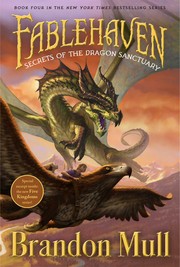
Secrets of the Dragon Sanctuary
Kendra is replaced by a plant copy and held by the Society, while Seth steals a unicorn horn so the family can enter a dragon sanctuary.
2,590-word summary · 12 min read
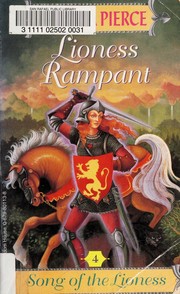
Lioness Rampant
Alanna searches for the Dominion Jewel with the Shang Dragon, then returns to Tortall to face Duke Roger at Jonathan's coronation.
2,478-word summary · 11 min read
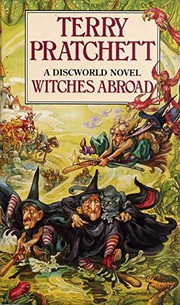
Witches Abroad
Three Lancre witches fly to Genua to stop a fairy godmother from forcing a servant girl into a storybook marriage, and find a city arranged around a happy…
2,651-word summary · 12 min read
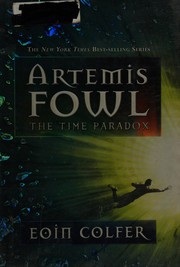
The Time Paradox
When his mother falls ill with a fairy disease, Artemis Fowl travels back in time to find the extinct lemur that can cure her and confronts his younger self.
2,601-word summary · 12 min read

The Golem's Eye
Two years after The Amulet of Samarkand, Nathaniel is a rising bureaucrat, Bartimaeus is his unwilling servant again, and something made of clay is tearing…
2,299-word summary · 10 min read
Magician's Gambit
Garion and his companions cross haunted Maragor and the caves beneath Rak Cthol to recover the Orb of Aldur.
2,391-word summary · 11 min read
Homeland
Drizzt Do'Urden is born into the cruel drow city of Menzoberranzan, where his father teaches him to fight and to doubt everything his family believes.
2,303-word summary · 10 min read
Enchanters' End Game
Garion marches toward Torak while Ce'Nedra leads the West's army in the final Belgariad volume, where prophecy and war meet.
2,557-word summary · 11 min read
Nettle & Bone
Marra, a princess in a convent, leaves to save her abused sister, but first she must finish three impossible tasks: a bone dog, a nettle cloak, moonlight in a…
2,061-word summary · 9 min read
Grip of the Shadow Plague
A plague turns Fablehaven's creatures of light into shadows while Kendra hunts an artifact in Arizona and Seth races to find the cause.
2,131-word summary · 9 min read

The Rose & the Dagger
Shahrzad is pulled from her Caliph husband and left in a desert camp of rebels, needing to break his curse and end a war before it ends her.
2,520-word summary · 11 min read
The Queen of the Tearling
Nineteen-year-old Kelsea leaves the woods to take her throne, ends a shipment of human captives, and draws the Red Queen's revenge.
2,357-word summary · 10 min read
Fool's Errand
FitzChivalry Farseer has lived in exile for fifteen years. When Prince Dutiful vanishes before his betrothal, Fitz returns to Buckkeep to find him, with a wolf…
2,606-word summary · 12 min read

We Hunt the Flame
In a fractured Arabia-inspired world, a disguised huntress and a prince-assassin race to find a magic-restoring book and confront an ancient evil.
2,195-word summary · 10 min read
The Sword of Shannara
A young half-Elf and a company of companions set out to recover a magic sword before the Warlock Lord destroys the Four Lands.
2,474-word summary · 11 min read
The Magician
Sophie and Josh flee to Paris with Nicholas Flamel, where John Dee, Machiavelli, and an awakened god close in on the missing pages of the Codex.
2,162-word summary · 10 min read

The Hazel Wood
Alice Proserpine has spent her life running from bad luck. When her mother vanishes, she follows a trail of fairy-tale clues to her grandmother's estate and…
2,064-word summary · 9 min read
Magician: Apprentice
An orphan kitchen boy and a smith's son grow up in a frontier castle just as invaders from another world open a rift and begin a war that will change both of…
2,114-word summary · 9 min read