
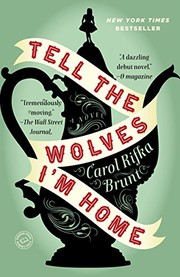
Tell the Wolves I'm Home
3,014-word summary 13 min read 384 pages in the book
- First published
- 2012
- Publisher
- Dial Press
- Pages
- 384
- ISBN
- 9780812982855
Reading options
What's inside (8 sections)
I picked this one up because a friend kept pressing it on me at exactly the wrong time. I was tired of books about teenagers that sound like they were written by committee, and she said this was different, sadder and stranger. She was right about the sad part. I finished it in three sittings and then sat around feeling annoyed at how much I cared about a painted teapot.
The setup is simple. June Elbus is fourteen and lives with her family in Westchester in 1987. She is awkward at school, half invisible, and obsessed with the Middle Ages in the way only a lonely kid can be, all illuminated manuscripts and talk of knights while everyone else is listening to pop radio. The one person who takes her seriously is her uncle Finn Weiss, a well known painter, her godfather and best friend. He takes her to fairs. He listens. He treats her odd interests as normal. Then he gets sick with the illness her mother can barely name, and he dies, and June is left with a sister who barely speaks to her and parents who seem to be grieving in a different room.
The girl who talked to wolves in the woods
June narrates the whole book, and her voice is the reason it works. She is prickly and romantic and sometimes wrong about people, which I liked. Behind her school there are woods, and she walks there to be alone. She listens for wolves. There are no actual wolves stalking the suburbs, or at least none that matter. It is more that she wants somewhere she can be loud inside her head. She pretends the wolves would understand her. When Finn was alive, that kind of fantasy felt like a game they shared. After he dies, it feels like the only place she can admit how angry she is.
Her home life is drawn with a lot of patience. Her mother works as an accountant and keeps everything tidy and scheduled. Her father is quieter, present but blurred at the edges, the kind of dad who agrees more than he leads. And then there is Greta, a year or two older, pretty and sharp and once June's closest person. They used to be inseparable. Now Greta mocks June's medieval stuff and slams doors and stays out with friends June does not know. Brunt does a good job showing how sisters can live in the same house and occupy different climates. One small thing I appreciated: Greta is not written as a villain. She is mean in the specific way older sisters can be mean, but you can see the hurt under it from early on, even before June can.
Finn's absence sits over every page of this first stretch. We learn him through June's memories rather than one long biography dump. He painted. He traveled. He paid attention. He asked June and Greta to sit for a portrait in his last weeks, and that painting becomes the center of the plot. The arrangement felt true to me. Grief at fourteen is not orderly. June swings between numbness and sudden fury, and she keeps catching herself thinking Finn will call, then remembering.
If I have a complaint this early, it is that June occasionally sounds older than fourteen in her reflections. A line will land with this clean adult sorrow and I would stop and think, would a ninth grader really frame it like that. It never threw me out for long, because the surrounding detail stays childlike, her embarrassment, her literal reading of adult behavior. Still, readers who want a strictly believable teen voice may stumble here and there.
Finn and the portrait sittings
The portrait is called Tell the Wolves I'm Home, the same as the novel, and Finn finishes it just before he dies. It shows the two sisters together. June describes the sittings with a warmth that made my chest ache. Finn is weak but focused. He wants more detail, always more detail. He fusses over fabric and hair and light. Greta poses and complains. June tries to hold still and memorize him instead.
What makes these scenes land is how much goes unsaid. Nobody in the house says the word that explains what is killing Finn, at least not around June at first. The adults talk about a mysterious illness. June knows more than they think and less than she needs. She understands her uncle is dying and that people are afraid to touch that fact. Brunt sets this in the middle of the American AIDS crisis, when fear and moral judgment were tangled together, and she shows it through small domestic moments rather than speeches. A neighbor stops visiting. Her mother scrubs things. Someone at school says something cruel and half informed.
Finn's career matters here too. He had stopped showing his work years earlier, so there is already a sense of withdrawal around him, a famous person who stepped back. The final portrait therefore feels like a statement. He chooses his nieces as his last subject. Later, when the art world hears about the painting, its value becomes a problem the family has to manage. I found that thread believable and a little sickening, the way money and reputation crowd into private mourning. June's mother moves the canvas to a bank vault and gives each girl a key. June keeps going to look at it, which struck me as exactly what a grieving kid would do, checking that the image has not changed while everything else has.
The stranger at the funeral
At Finn's funeral, June notices a man hanging back from the crowd. He does not belong to the family group. He looks wrecked. Nobody introduces him. On the way home her sister spits out an explanation that sticks in June's head, that this is the man who killed Finn. Her mother warns her to stay away from him. For a while June tries to obey, because she is a good kid in that fearful way, afraid of making her mother's grief heavier.
Then a package arrives. Inside is a teapot June recognizes from Finn's apartment, beautiful and odd, plus a note from the stranger. His name is Toby. He was Finn's boyfriend, and he asks June to meet him. I loved how Brunt handles this decision. June does not have some bold movie moment. She argues with herself for days. She knows her mother forbade contact. She also knows Finn loved this person, and that nobody else seems willing to say his name out loud. Curiosity wins, tangled up with loyalty. She agrees to meet Toby at a nearby train station, terrified the whole way there.
Toby himself is drawn without polish, which I mean as praise. He is not a wise mentor figure. He is grieving and thin and awkward, living alone in Finn's old apartment in the city, surrounded by Finn's things. He smokes. He says the wrong thing. He clearly does not know how to talk to a fourteen year old. But he kept something for June because Finn asked him to, and he shows up where he says he will. That reliability counts for a lot in this book, where most adults keep breaking small promises.
One note arrived with the teapot material, and more follow. Finn left June a message in a book, asking her to look after Toby because Toby has nobody else. Toby, it turns out, received a matching request, to look after June. That symmetry felt almost too neat on first reading, two lonely people assigned to each other by the dead. In practice Brunt earns it, because neither of them is good at the assignment at first. They circle. They misunderstand. The letters hang over them less as instructions and more as proof that Finn saw them clearly, including the parts they hide.
Afternoons in the city with Toby
The middle of the book is a string of secret visits, and this is where I settled in hardest. June takes the train into Manhattan and goes to the apartment Toby still occupies. They drink tea from odd cups. They look at Finn's paintings and the clutter of his life. Toby gives her small things Finn left for her. They talk about Finn in the way only people who loved the same person can, comparing versions, correcting each other, laughing at stories the family never heard.
Through Toby, June starts to see the gaps in her mother's account. Her mother grew up close to Finn and then watched their lives split. She became a suburban professional with a schedule and a mortgage. He became a painter who moved through cities and lovers and galleries. She wanted, maybe, to be an artist once herself, and that old envy curdled once Finn got sick. None of this is stated in one clean confession. It comes out sideways, in remarks about childhood, in the way her mother handles Finn's possessions, in sudden sharp comments about Toby that do not quite match the gentle man June is getting to know. I thought this was the strongest writing in the novel, the portrait of a sister's resentment that is really grief with nowhere to go.
June and Toby develop small rituals. He walks her to the train. She brings him food or drawings. They argue about music and books and whether Finn would have liked something. There is a scene involving an old coat, or at least that is how I remember it, that stayed with me, the kind of object that carries too much weight, passed from one person to another because nobody can throw it away. Brunt is good at objects. The teapot, the book, the coat, the keys to the vault. They do more work than any speech about loss.
I should say the middle also drags in places. There are a lot of afternoons that follow a similar shape, arrival, tea, story about Finn, train home, guilt. A few could have been cut or combined. Readers who like propulsive plots may get restless around the halfway mark. I did not mind much because I liked being in the apartment, but I noticed the repetition, and one visit blurs into the next when I try to recall them now.
The other thing worth naming is how Brunt handles June's crush. June loved Finn with the total devotion of a kid for whom one adult is the whole safe world, and she is starting to feel something confusing for Toby too, not exactly romance, more a fierce attachment mixed with jealousy and protectiveness. The book lets that stay messy. June admits things to herself she cannot say out loud. I thought this was brave and well judged. A cleaner book would have labeled every feeling. This one lets a fourteen year old be bewildered by her own heart.
Greta, South Pacific, and the painting in the vault
While June is sneaking into the city, home keeps shifting. Greta lands a part in the school production of South Pacific, playing Bloody Mary, and she is startlingly good. Her drama teacher starts talking about bigger stages, auditions, a possible path toward professional acting. Her mother pushes hard. You can feel the pressure build from page to page. Greta, who already drinks and smokes more than her parents know, starts disappearing into the woods near school, and June has to go find her more than once and half carry her home.
The sisters' fights in this stretch are painful in a familiar way. Greta finds out about Toby and uses it like a blade. June retaliates by guarding her secret harder. They fight about Finn, about who loved him more, about who he loved more. Underneath, Greta is dealing with her own shame and ambition and fear. She wants out of Westchester and is scared of wanting it. She resents that Finn chose June as his confidante. She resents that their mother sees her as the strong one who can handle pressure. Brunt gives Greta a full interior life without letting June fully understand it yet, which feels right. At fourteen you can see your sibling is hurting and still be unable to help.
Meanwhile the portrait keeps changing, and this is my favorite strand. June visits the vault and notices additions. Black buttons have been painted onto her own shirt in the image. A skull shape lurks behind Greta's hand. June realizes others have been adding to the canvas. Toby painted the buttons right after Finn died, trying to honor Finn's dying wish for more detail. Greta added the skull herself, angry and grieving. June, not to be left out, paints streaks of gold into the hair. When her mother discovers the changes during a joint visit, she is horrified, and June takes the blame to protect the others and gets grounded. The whole sequence is moving and slightly funny, this valuable artwork accumulating secret additions from brokenhearted people. It says more about how families share grief than any conversation in the book.
The vault scenes also clarify the money question. Once the media learns the painting exists, its price tag follows the family around. The bank vault is practical, but it also reads as a symbol Brunt does not push too hard. They lock up the image of the girls to keep it safe, and in doing so they stop living with it. June's visits become furtive, almost like visiting a relative in a hospital. That distance matters later.
A criticism here: the school musical plot sometimes feels engineered to deliver themes about prejudice. South Pacific is about racial bias and fear of the other, and the parallel to how people treated Finn and Toby is clear. It works when Greta is on stage, because performance lets her say things she cannot say at home. It feels heavier when characters discuss the meaning outright. I prefer the book when it trusts the reader to connect those dots without help.
The woods after the show and saying goodbye
Everything tightens around the night of Greta's performance. Greta asks June to meet her in the woods after the show. June wants to go but cannot, because she is grounded over the painting. Greta goes ahead anyway, likely drinking. June, stuck at home and panicking, does the one thing she can think of. She calls Toby and asks him to go into the woods and bring Greta home.
What happens next is awful in the way real misunderstandings are awful. Police find Toby carrying a drunk teenage girl out of the woods late at night and arrest them both. At the house, June's mother recognizes Toby and the old fury comes roaring back. Greta, scared and cornered, lies and says she invited Toby to an after party out of pity, which makes him look worse. The officers take Toby away. June cannot explain without confessing months of secret meetings, so she stands there while the person who helped her is led off.
That night the sisters finally talk honestly. Greta admits she was jealous of Finn, that she pulled away because June had someone who seemed to matter more than she did. She thought Finn's death would return things to how they were when they were small, just the two of them, but by then June had Toby. June realizes Greta is as alone as Toby is, in a different way. They cry. They forgive a little. It is not a big healed forever scene, which I appreciated. It reads like a start.
Then Toby vanishes for days. June cannot reach him. When she finally tracks him down, he is in a hospital, very ill himself, his health falling fast. The pages in the hospital are spare and I was grateful for that restraint. June tells him the truth she has been circling all book, that Finn was her first love and Toby has become her second, meaning the second person who ever truly saw her. She brings him to her family's house, tells her parents everything, and her mother apologizes to him. He dies there, with June and her mother in the room. I will not pretend this ending is subtle. It gathers everyone into one house for a final farewell in a way that feels arranged. But it moved me anyway, partly because the apology is small and specific rather than grand.
The last movement belongs to the portrait. That night June watches her mother paint two small additions onto the canvas, a necklace at June's throat and a ring on Greta's hand. The next day an inspector says the painting can be restored, cleaned back to Finn's original. When it comes back, Toby's buttons and the skull and the gold are gone, but the mother's necklace and ring remain. I read that as Brunt's quietest point. The family cannot keep every mark of grief, and restoration has its place, but the mother's late act of love is allowed to stay. It is sentimental, yes. It worked on me.
So who should read this. If you want a full and tender account of grief at fourteen, set against the fear of the 1980s AIDS crisis in New York and its suburbs, with sisters and secrets and a strange gentle friendship at the center, this 2012 Dial Press debut, which later won the 2013 Alex Award for adult books that appeal to teens, will probably stay with you the way it stayed with me. If you need fast pacing or dislike books where feelings drive the plot, or if you want the history of the crisis told in full rather than glimpsed through one family, you may find it slow or too sheltered. The Publishers Weekly reservation rings true to me, that some conflicts resolve a bit too cleanly and several characters carry hearts of gold. I would still press it on a friend, with the warning that the middle sags and the ending reaches for tears. Mine arrived anyway.
FAQ
Who are the main characters in Tell the Wolves I'm Home?
June Elbus, fourteen, narrates; her older sister Greta, her late uncle and godfather Finn Weiss, and Finn's boyfriend Toby carry the rest.
What are the verified publication facts for this edition?
First published in 2012 by Dial Press. The standard Dial Press Trade Paperback runs 384 pages with ISBN 9780812982855.
Is this a young adult book?
Brunt wrote it as an adult novel, though it won the 2013 Alex Award for adult books that appeal to teens, and some critics noted its YA qualities.
Similar books

Little Town on the Prairie
In the spring after the Long Winter, fifteen-year-old Laura sews shirts, studies for a teaching certificate, and helps send her blind sister Mary to college.
2,071-word summary · 9 min read
Mrs. Everything
Two Jewish sisters in Detroit grow up, apart and together, across seven decades of American life, from the 1950s to the 2016 election.
2,362-word summary · 10 min read

We Are Okay
Marin fled San Francisco after her grandfather vanished and stopped answering anyone. When Mabel visits her college dorm, she has to say what happened.
2,253-word summary · 10 min read

Delilah Green Doesn't Care
Delilah returns to Bright Falls to photograph her stepsister's wedding and falls for Claire, a bookstore owner and single mother, while a cruel bet threatens…
2,315-word summary · 10 min read

Aristotle and Dante Dive into the Waters of the World
Ari and Dante return for senior year in El Paso, navigating first love, AIDS, family grief, and the cost of being openly gay in 1987 Texas.
2,188-word summary · 10 min read
A Painted House
In 1952 Arkansas, seven-year-old Luke Chandler picks cotton with his family and learns how quickly poverty, violence, and adult secrets can end a childhood.
2,060-word summary · 9 min read

The Storm Sister
Ally D'Aplièse loses her father and her lover within weeks, then follows a brass frog and a Norwegian biography into Anna Landvik's music and the world of…
2,376-word summary · 11 min read

Someone Like You
Halley and her best friend Scarlett face a summer of grief, a surprise pregnancy, and Halley's dangerous first romance in Sarah Dessen's 1998 young adult novel.
2,218-word summary · 10 min read
Maame
Maddie Wright, 25, has spent years as the responsible one in her Ghanaian British family, and the year she finally tries to live for herself is the year…
2,108-word summary · 9 min read
Cold Sassy Tree
In 1906 Georgia, fourteen-year-old Will Tweedy watches his widowed grandfather marry a much younger woman three weeks after his grandmother's funeral.
2,154-word summary · 10 min read

Clap When You Land
Two half sisters, one in Sosúa and one in Queens, discover each other after their father dies in a plane crash, in Elizabeth Acevedo's novel in verse.
2,890-word summary · 13 min read
Sold on a Monday
A reporter hides a Depression photo of children for sale and must face the cost.
2,501-word summary · 11 min read

The Great Believers
Yale builds a Chicago art collection as AIDS takes his friends, and Fiona searches Paris for her daughter thirty years later.
2,742-word summary · 12 min read
Summer of '69
Four Levin siblings split for summer 1969 as Vietnam, pregnancy and first love pull the family apart.
2,886-word summary · 13 min read

The Guncle
A sitcom star takes his niece and nephew for a summer and learns presence beats punchlines.
2,779-word summary · 12 min read
Ordinary Grace
In 1961 Minnesota, thirteen-year-old Frank Drum faces a summer of deaths that tests his minister family and forces him to weigh truth, guilt, and mercy.
2,948-word summary · 13 min read
The Cider House Rules
Homer Wells grows up in a Maine orphanage under Dr. Larch, who delivers babies and performs illegal abortions.
2,985-word summary · 13 min read
Fun Home: A Family Tragicomic
Alison Bechdel's graphic memoir about her father, their shared secrets, and the funeral home they called Fun Home in rural Pennsylvania.
2,755-word summary · 12 min read
Dear Edward
Twelve-year-old Edward Adler survives a plane crash that kills his family, then learns how to live with grief, letters, and love.
2,903-word summary · 13 min read
When He Was Wicked
Widowed Francesca Bridgerton falls for her late husband cousin Michael, who loved her silently for years.
2,055-word summary · 9 min read

On Earth We're Briefly Gorgeous
A son writes to the mother who cannot read him: war, migration, first love, and loss in one Vietnamese American family in Hartford.
3,113-word summary · 14 min read
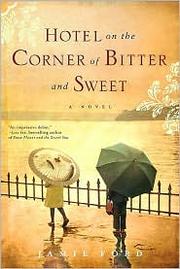
Hotel on the Corner of Bitter and Sweet
A Chinese American boy befriends a Japanese American girl in wartime Seattle, then loses her to the internment camps.
2,973-word summary · 13 min read

Hamnet
Agnes Hathaway holds her Stratford family together while her husband works in London, until plague takes eleven-year-old Hamnet in 1596.
3,164-word summary · 14 min read

Extremely Loud and Incredibly Close
Nine year old Oskar searches New York for a lock matching his father's key after 9/11.
2,999-word summary · 13 min read

Aristotle and Dante Discover the Secrets of the Universe
Two Mexican American boys in 1987 El Paso become inseparable and learn what love asks of family.
2,093-word summary · 9 min read
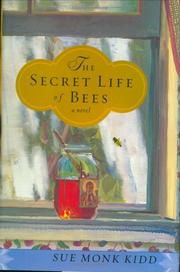
The Secret Life of Bees
Lily runs from her father with Rosaleen to Tiburon, finding shelter with beekeeping sisters.
2,207-word summary · 10 min read

What Happened to Goodbye
Mclean has reinvented herself in four towns since her parents divorced. In Lakeview she uses her real name, and for the first time staying put becomes a choice.
2,796-word summary · 12 min read

The Long Winter
Dakota Territory, 1880: seven months of blizzards cut a town off from the railroad, and a family survives on twisted hay, ground wheat, and a dangerous wheat…
2,210-word summary · 10 min read

The Japanese Lover
A Polish refugee and the son of a Japanese gardener fall in love in San Francisco in 1939, then keep the affair secret for nearly seventy years.
2,286-word summary · 10 min read

Love Letters to the Dead
A fifteen-year-old writes letters to dead artists because they cannot ask questions, and slowly tells the one story she has been hiding about her sister's…
2,520-word summary · 11 min read