
Reading options
What's inside (7 sections)
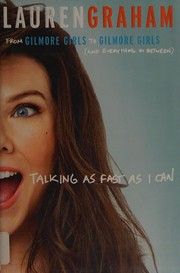
I picked up Talking as Fast as I Can because I kept hearing Lorelai Gilmore in my head. That rapid coffee fueled patter from Gilmore Girls lived in my brain rent free for years, and I wanted to know how much of it was Lauren Graham and how much was a script. The book is her collection of personal essays, first published in 2016 by Ballantine Books, about 209 pages in the hardcover first edition. It is short, chatty, and funny in the way a long phone call with an old friend is funny. I read most of it in two sittings, laughing in some spots and rolling my eyes in others, which feels honest for this kind of memoir.
Graham wrote it right before the Netflix revival Gilmore Girls: A Year in the Life came out, so the whole book leans toward that return. She mixes childhood stories, broke actress years, dating mishaps, fashion disasters, a detour into novel writing, her Parenthood years, and then two long essays about playing Lorelai, nine years apart. If you want a full cradle to now autobiography with dates for everything, this is not that. It is more like she opened a drawer of stories and pulled out the ones she likes telling at dinner.
What I liked right away was the voice. She sounds like herself on the page. Fast, self deprecating, fond of parentheses and asides. She makes fun of her own choices before you can. That keeps the lighter chapters moving even when the point is small.
Growing up and sweating through the early years
Graham starts with the basics. She was born in Honolulu and raised mostly in Virginia by her dad after her parents split, Catholic school kid, Langley High School, then Barnard College where she studied English, then an MFA in acting from Southern Methodist University in Texas. She tells it briskly, with jokes about being tall, awkward, and eager to please. I got the sense of a kid who read a lot and wanted to be liked, who learned early that being funny smoothed over the weird parts of a room.
The early career section, built around ideas she calls fast forward and sweat equity, was more interesting than I expected. She moves to New York, waits tables, auditions, books tiny roles, moves to Texas for grad school, moves back, drives to Los Angeles. There is no single big break moment. It is years of almosts. A short lived sitcom here, a guest spot there. Townies. Caroline in the City. NewsRadio. A pilot that goes nowhere. She is frank about money stress and about saying yes to odd jobs because rent was due.
One detail stuck with me. She talks about living on a houseboat for a stretch and hating almost every minute of it, seasick and cramped, trying to convince herself it was charming. She also mentions being asked at one point to audition her butt for a role, which she tells as a joke but which lands with a thud if you sit with it. Hollywood in the nineties treated young actresses as parts, and she knew it. She does not turn it into a lecture. She just drops it in, laughs, and moves on. I wished she had stayed longer on what that era felt like from inside, but the drive by style is kind of the deal here.
She is good on teachers and small kindnesses too. A professor who told her to slow down. A casting person who remembered her. Friends who let her sleep on couches. Those bits feel lived in. If you have ever tried to make art while working a service job, you will recognize the tired math she does between hope and practicality.
Single, vegan for a day, and lost in a paper towel aisle
The middle of the book is a run of comic essays about adult life, and these are the most hit or miss for me.
The dating material made me laugh because Graham is willing to look silly. She writes about being single in Los Angeles for a long time, long enough that strangers acted concerned about it. She has a piece with the spirit of before my REI card, where she jokes about outdoor gear loyalty points and about building a whole life that did not include a partner. My bungee cords earn points, that kind of joke. It is cute. It also shows how she coped, by making domestic life funny instead of sad. She talks about meeting guys at awards shows and how the setup is rigged, since everyone has spent three hours in hair and makeup and styling before saying hello. No one looks like that on a Tuesday with a cold.
Then there is the vegan story. She once tried going vegan basically to have something to talk about with Ellen DeGeneres. The title of that essay is You Can't Be Vegan Just for Ellen. I loved the premise. She lasts about a day, hungry and moralizing and then quietly eating something with cheese. It is a small story but it says a lot about fame hunger, about wanting to belong in rooms where everyone seems confident about food and causes and workouts.
The Betty White essay, There Is Only One Betty White, or Paper Towels, a Love Story, is stranger. It starts with admiration for White and drifts into a grocery store spiral about paper towels. Graham can spin a household errand into five pages. Sometimes that works. Here I laughed once and then wanted her to get back to White. That is a pattern in this book. She will start with a sharp observation and then chase the joke one turn too far.
Two other set pieces stood out. Labor Days, about work and waiting, about filling time between jobs with projects that feel productive but mostly kill time. And the Project Runway chapter, Judge Not, Lest Ye Be a Judge on Project Runway. She served as a guest judge and describes a fashion induced blackout, smiling and nodding while feeling completely unqualified to judge hemlines. As someone who knows nothing about high fashion, I felt seen. She is honest that television asks famous people to act like experts on cue, and she played along while panicking inside.
My gripe with this section is that the jokes sometimes float free of any point. A few essays end right where I wanted a second beat, a line about what she actually learned. She prefers to keep it light. That is fair for a comic memoir, but after three in a row I started skimming the punch lines.
The novel, the trailer talk, and Parenthood
I did not know Graham had written a novel before this memoir, so the chapter about Someday, Someday, Maybe stopped me cold in a good way. That novel came out in 2013 and follows Franny Banks, a young actress in New York trying to make it by a self imposed deadline. Graham insists the book was not strictly autobiographical, and the essay title jokes about exactly that, Someday, Someday, Maybe You'll Believe My Novel Wasn't Completely Biographical.
She walks through where Franny came from. Bits of waitressing. Bits of audition rooms. Bits of hope mixed with embarrassment. She admits people assumed Franny was her, and she gets why, but she pushes back a little. Fiction let her shape the broke years into something with a plot, while real life had felt shapeless. I liked this glimpse of her as a writer rather than a performer. She talks about kitchen timers and pages per day and the weird loneliness of drafting alone after years of sets full of people. For anyone curious about actors who write, this is the most grounded part of the book.
Then Parenthood enters, and the tone warms. She played Sarah Braverman for six seasons, the single mom who fumbles toward steadiness, and she clearly loved that job. She describes sitting in her trailer on set and thinking, did you, um, make it. That line hit me. After all the early hustle, she had steady work, people she respected, a character with room to grow. She was still anxious, still waiting for someone to pull the rug, but she could see how far she had come.
She frames Parenthood as the best neighborhood, a place where the cast acted like family off camera too. Craig T. Nelson as the gruff dad. Peter Krause as her brother and later her real life partner for a time. Dax Shepard and Monica Potter and the kids who grew up fast. She does not dish dirt. She writes thank you notes in essay form. If you wanted conflict or gossip, you will be disappointed. I found it sweet but a little smooth. Every set cannot have been that harmonious every day. A paragraph about a hard week would have made the praise land harder.
The Old Lady Jackson note, Look Up, fits here too. It is a short letter style piece from the persona of a nosy older neighbor telling young people to get off their phones and notice the street. It is corny on purpose. I smiled, then thought about how often I stare at my screen on walks. She means it as a nudge, not a scold, and it breaks up the Hollywood stories with something ordinary.
What it was like to be Lorelai, twice
The heart of the book, for most readers, will be the two Gilmore Girls essays. Part One looks back on the original run. Part Two covers coming back for the revival.
In Part One, Graham does a full marathon rewatch and narrates what she sees. She remembers auditioning for Lorelai Gilmore, the fast talking single mom in Stars Hollow who lives on coffee and banter, created by Amy Sherman Palladino. She was not an obvious pick at first. She had done sitcoms that fizzled. She could do comedy, but Lorelai needed speed plus ache, jokes that covered fear about raising a kid alone. Alexis Bledel, very young and new, played Rory, the bookish daughter. Kelly Bishop played Emily, the formidable mother. Ed Herrmann played Richard. The town filled in with Luke and Sookie and Kirk and the rest.
Graham is great on what the dialogue demanded. Pages of overlapping lines. Pop culture references stacked like pancakes. Walk and talks through a fake Connecticut town on a Warner Bros lot. She had to learn to talk fast without sounding mechanical, to breathe inside the jokes. She credits Sherman Palladino for hearing music in speech and for trusting her with it. She also admits she cried a lot during the marathon, surprised by how much tenderness was baked into the silliness.
I kept thinking about how lucky I got with that part, and how rarely luck and work line up like that.
That is my paraphrase of her feeling, not a direct quote, but the gratitude is real on the page. She talks about fans who grew up with the show, mothers and daughters who watched together, young women who saw in Lorelai a model for being funny and flawed and still a good parent. She treats that responsibility with care. She does not act embarrassed by television fame, which I respected.
Part Two shifts to 2015 and 2016, when Netflix brought the show back as Gilmore Girls: A Year in the Life, four long episodes for the seasons. Graham includes bits from a diary she kept during filming, plus photos. The diary entries are short and tired and happy. Early calls. Cold mornings. Trying on old coats. Hugging Bledel like no time passed. Running lines that still twist her tongue. Worrying whether fans would accept older, sadder versions of these people.
What I found most moving was her honesty about fear. She wanted to return. She also worried it would tarnish the memory. Nine years is a long time. Bodies change. Rhythms change. Sherman Palladino and Daniel Palladino were back, which helped, but the pressure was loud. She describes standing on familiar sets and feeling seven years younger and thirty years older at once. That rang true. Revisits are rarely clean.
She keeps spoilers light, which I appreciated. She talks more about process than plot. How it felt to say certain lines again. How the crew welcomed them back. How craft services and inside jokes made it feel like a reunion and a job at the same time. If you have not seen the revival, you can still follow her. If you have, you will catch the echoes she leaves for you.
My one complaint here is length. These two essays carry the subtitle promise, from Gilmore Girls to Gilmore Girls, and they fly by. I wanted more about Bledel as a scene partner, more about Bishop, more about how Graham built Lorelai physically, the walk, the coffee cup as prop, the hair. She gives flashes and then cuts to a joke. Fans who know every episode may wish she lingered.
What works, what drags, and who should read it
Let me be straight about the trade offs, because this book is easy to like and easy to underrate.
On the plus side, Graham is a natural company. Her sentences bounce. Her asides land. She can make a dull awards show or a bad audition into a story worth retelling. She is generous to costars without sounding fake, and she writes about work in a way that demystifies it. You learn how pilots work, how dialogue gets learned, how guest judging is mostly smiling through panic. Young actors could do worse than to read the early chapters as a field guide to persistence. Stick around, learn your lines, be kind, save money when you can.
The Parenthood and Gilmore material also has real warmth. She does not pretend those jobs were just jobs. They shaped her adult life. They gave her a professional home after years of couch surfing. When she writes about sitting in a trailer and wondering if she made it, or about crying at her own show on a couch with snacks, I believed her. That is the friend voice at its best, unguarded without oversharing.
The drag, for me, was depth. Graham skirts the harder parts of Hollywood. Pay gaps. Age pressure. Being valued for looks in your twenties and then for nostalgia in your forties. The butt audition story could open a larger talk about power, but she closes it fast with a laugh. Her single years could open a talk about loneliness, but she steers to REI jokes. I do not need a memoir to be heavy. I do want a few paragraphs where the jokes stop and she says what something cost her. Bossypants by Tina Fey, for comparison, spends more time on rooms where women had to fight to be heard. Is Everyone Hanging Out Without Me by Mindy Kaling lingers longer on class and outsider status. Graham stays in the cozy zone.
Structure adds to that feeling. Essays vary in weight. A few read like magazine pieces padded to chapter length. The paper towel detour, parts of the fashion chapter, and the phone scold could have been cut or combined. At 209 pages, the book does not overstay, but the middle sags a little before Parenthood picks it back up.
Who should read it. Gilmore Girls fans, obviously. Parenthood fans too. Anyone who likes comic memoirs by actresses will feel at home. If you want backstage detail and light reflection with photos and diary bits, you will be pleased. If you want a hard look at the industry or a straight autobiography, look elsewhere.
I closed the book thinking about kitchen timers. Graham uses one to force herself to write, minutes ticking while the page fills. It is such a small, practical image. No muse. No perfect morning. Just a timer and a chair. The next time I put off a piece of writing, I will probably hear that ticking. For a book built on fast talk, that quiet image is the one that stayed.
FAQ
When was Talking as Fast as I Can published?
Ballantine Books published the first hardcover edition in 2016. It runs about 209 pages with ISBN 9780425285176.
Does the book cover the Gilmore Girls revival?
Yes, the closing essay and diary excerpts follow the filming of Gilmore Girls: A Year in the Life and reflect on playing Lorelai again after nine years.
Is this book only for Gilmore Girls fans?
No, Parenthood fans and readers of comic memoirs about acting, dating, and work will find plenty, though those wanting sharp industry critique may find it light.
Similar books
Scrappy Little Nobody
Anna Kendrick's essays trace her path from a Portland childhood and Broadway to Hollywood, with jokes, anxiety, and a refusal to pretend fame fixed her.
2,092-word summary · 9 min read
Why Not Me?
Essays on work, dating, and body image from the Office writer learning to ask for bigger rooms.
2,000-word summary · 9 min read
Dear Girls: Intimate Tales, Untold Secrets & Advice for Living Your Best Life
Ali Wong's debut collects fourteen letters to her daughters, covering sex, money, work, marriage, Vietnam, and being a working Asian American mother.
2,266-word summary · 10 min read
My Horizontal Life: A Collection of One-Night Stands
Handler turns dating disasters and family chaos into brash comic essays about single life in Los Angeles.
2,304-word summary · 10 min read
How to Be a Woman
Moran mixes girlhood and work stories into plain feminist advice.
2,600-word summary · 12 min read
The Girl with the Lower Back Tattoo
Amy Schumer mixes raunchy jokes with frank essays on family, dating, body image, and the shooting that pushed her into gun control advocacy.
2,259-word summary · 10 min read
Not That Kind of Girl: A Young Woman Tells You What She's Learned
Girls creator Lena Dunham's essays on work, bodies, love, and family, frank and funny with uneven edges.
2,156-word summary · 10 min read
Holidays on Ice
Six Christmas pieces, from a Macy's elf stint to a feral family newsletter. Sedaris at his sharpest and most sentimental.
2,410-word summary · 11 min read
Let's Explore Diabetes with Owls
Sedaris gets French dental work, feeds a kookaburra in Australia, shops for a stuffed owl in London, and survives China, airports and a colonoscopy.
2,538-word summary · 11 min read
Calypso
Sedaris buys a Carolina beach house, grieves his sister Tiffany, tends his aging father, and turns illness and marriage into dry family comedy.
2,835-word summary · 13 min read
Sh*t My Dad Says
A comedy writer moves home and writes down his blunt fathers funniest lines with love.
1,961-word summary · 9 min read
Are You There, Vodka? It's Me, Chelsea
Handler mines family, jail, dating, and travel for brash essays where oversharing is both joke and shield.
2,186-word summary · 10 min read
Furiously Happy: A Funny Book About Horrible Things
Jenny Lawson mixes blunt talk about depression with wild stunts and taxidermy to argue for grabbing joy on purpose.
2,963-word summary · 13 min read
Let's Pretend This Never Happened: A Mostly True Memoir
The Bloggess turns a strange Texas childhood and anxious adult life into a funny, warm memoir about family.
2,479-word summary · 11 min read
When You Are Engulfed in Flames
In twenty two essays Sedaris tries to quit smoking in Japan, buys a skeleton, fights spiders in Paris, and files dry reports from France on family, country…
2,974-word summary · 13 min read
Naked
Growing up odd in Carolina, working bad jobs, and learning to watch people closely and kindly.
2,020-word summary · 9 min read
Dress Your Family in Corduroy and Denim
Sedaris on snow days, rental houses, Dutch Christmas, and the family that made him funny.
3,098-word summary · 14 min read
Is Everyone Hanging Out Without Me?
Mindy Kaling recalls Boston childhood, Dartmouth comedy, New York hustle, and The Office writers room.
2,239-word summary · 10 min read
Yes Please
Amy Poehler moves from Boston childhood through UCB and SNL to Parks and Recreation in this 2014 memoir. Funny essays on work, motherhood, divorce, and saying…
2,668-word summary · 12 min read
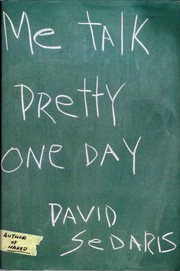
Me Talk Pretty One Day
Sedaris on French classes, family chaos, and learning to speak badly in two languages.
2,111-word summary · 9 min read
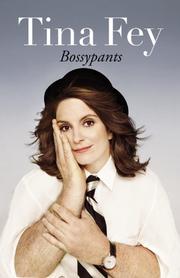
Bossypants
Tina Fey moves from Pennsylvania childhood through improv and SNL to 30 Rock in this funny 2011 memoir. Expect backstage stories, jokes about work and…
2,301-word summary · 10 min read
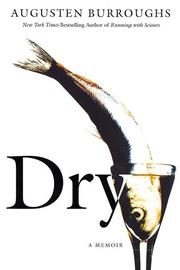
Dry
A memoir of drinking, rehab and relapse, and the strange business of getting sober one morning at a time.
2,643-word summary · 12 min read
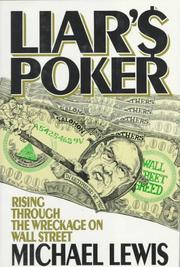
Liar's Poker
Michael Lewis recalls his years as a Salomon Brothers bond salesman in the 1980s, when bluffing paid better than analysis and the mortgage machine was just…
2,405-word summary · 11 min read
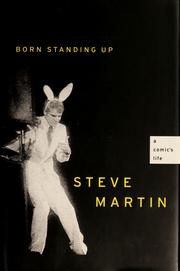
Born Standing Up: A Comic's Life
Steve Martin's memoir of how a shy Disneyland magician's assistant built a strange avant-garde act, and why he walked away from stand-up at his peak.
2,034-word summary · 9 min read
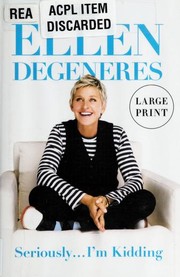
Seriously...I'm Kidding
DeGeneres strings show stories and home jokes into light life advice.
2,292-word summary · 10 min read
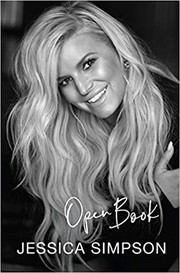
Open Book
Simpson replays pop fame, love and drink through recovery work.
2,552-word summary · 11 min read
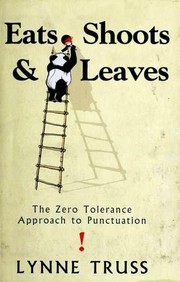
Eats, Shoots & Leaves
Truss defends commas with jokes about pandas and posters.
2,423-word summary · 11 min read
Notes from a Small Island
Bill Bryson's 1995 farewell tour of Britain, funny and fond, from Dover to London, the north, Scotland and Wales.
2,301-word summary · 10 min read
In a Sunburned Country
Bryson revisits Australia by city walks and long trains, with reef trips, critter comedy, and explorer history.
2,387-word summary · 11 min read
Bad Feminist
Gay mixes memoir and pop culture criticism to argue for imperfect feminism, from Sweet Valley to Django to Fifty Shades.
2,493-word summary · 11 min read