
Reading options
What's inside (8 sections)
I came to this one because Let's Pretend This Never Happened had stuck with me. I liked that first book for the Texas childhood stories and the way Jenny Lawson, who blogs as The Bloggess, could turn an anxious spiral into something you wanted to forward to a friend. A reader I trust told me the second book goes harder on the sad parts and gets funnier in a stranger way. That sounded true to the title, so I picked it up on a weekend when my own brain felt loud.
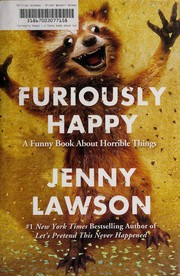
The facts up front, so we are on the same page. Furiously Happy: A Funny Book About Horrible Things was first published September 22, 2015 by Flatiron Books. The first hardcover runs 329 pages, with illustrations scattered through. It followed Let's Pretend This Never Happened from 2012 and became a number one New York Times bestseller. Lawson lives in Texas with her husband Victor and their daughter Hailey, and both of them show up here a lot. Her parents show up too, especially her dad the taxidermist and her mom Nelda with her dry one liners.
The idea in the title is simple and Lawson repeats it in different forms. After years of dealing with depression, anxiety, and a list of other diagnoses, she got tired of waiting for good days to arrive on their own. She decided to force moments of intense happiness while she could, to build up memories she could hold onto when things turned dark again. She calls that being furiously happy. It leads to renting kangaroos and wearing ball gowns to the grocery store and flying to Australia in a koala costume. It also leads to some very plain chapters about days when getting dressed feels impossible.
What caught me off guard is how little this reads like advice. It reads like letters from someone who assumes you already know what a bad night feels like.
Why chasing happy on purpose pulled me in
The opening chapters set the deal. Lawson says she lives with clinical depression, generalized anxiety, and avoidance issues, plus sleep problems and other health stuff that piles on. She does not present this as backstory. It is the main weather of the book. One minute she is joking about her taxidermied raccoon Rory cheering her on, the next she is describing how a depressive episode can shut down her ability to answer email or leave the house for days.
I recognized the swing right away. Anyone who has lived with this knows the whiplash between feeling fine at lunch and feeling flattened by dinner for no clear reason. Lawson gives that swing a name and a response. If the lows are going to come anyway, she argues, she might as well chase the highs with the same force. Not positive thinking. More like spite. She will make a good memory even if it takes a costume and a plane ticket and an argument with Victor.
That argument part matters. Victor often plays the calm skeptic who has to live with the results. When Lawson floats the idea of live kangaroos in the house, he counters with the position that zero is the right number of house kangaroos. She lands on two. That kind of back and forth shows up all through the book. She dreams up the stunt. He checks the budget and the lease and the safety issues. Then somehow they end up with a story.
My friend who recommended it said to read the first three chapters slowly. I agree. The tone wobbles on purpose between silly and serious. One page has a joke about her phone being better company than she is. A few pages later she writes about telling her psychiatrist one cleaned up version while thinking a much darker version underneath. That second part hit me. I have done the polite version in waiting rooms. A lot of readers will have done the same.
There is a passage early on where she compares surviving with living, and the difference between getting through a shower and turning it into something absurd with props and helpers. I laughed, then felt a little exposed, because I do count basic tasks as wins on bad weeks. Lawson just says it out loud and adds a monkey butler joke so you do not feel alone in it.
Saying depression and anxiety plainly
Plenty of humor memoirs touch on mental health and move on. This one stays. Lawson writes about therapy, medication, and the weird shame that can follow even when treatment helps. She talks about cancelling plans, avoiding phone calls, and rehearsing simple errands until they feel too big to attempt. She talks about the fear that people will think she is making it up because she can be funny on the internet and then go quiet for a week.
The chapter framed as what she tells her shrink versus what she means stayed with me longest. On the surface she reports she is fine, sleeping okay, coping. Inside she is cataloging intrusive thoughts and wondering if she is wasting the appointment. I have never seen that gap described so plainly in a funny book. It made me think about how much editing most of us do for doctors, friends, even partners.
She also writes about physical responses that do not get much space in memoirs. She passes out at the sight of doctors in white coats, flails on the floor, and wakes up embarrassed while her mom narrates what happened. She calls it white coat syndrome and her family has a blunter name for it. Later she agrees to a sleep study and describes the wires, the cold room, the staff watching her try to sleep while knowing she is being watched. The results list several sleep disorders at once. She turns the whole thing into farce without hiding that she was scared.
What I appreciated is that she never claims laughter fixes any of this. She says jokes make hard days more shareable. That feels honest. There are days in here where nothing helps and she still has to feed pets, answer messages, show up for Hailey. The humor sits next to the flatness instead of covering it.
If you are looking for steps or a plan, this is not that book. There are no worksheets. The closest she gets to guidance is her habit of collecting small wins and strange outings to remember later. For some readers that will feel thin. For me it felt closer to how coping actually works, in bits and repeats rather than straight lines.
Victor, Hailey, and the people who stay
Victor could have been reduced to a punchline, the tired husband who says no. Lawson does not do that. He comes across as steady, funny in a dry way, and sometimes baffled. He buys her odd gifts because he knows her taste, including taxidermy that most spouses would refuse to wrap. Then he lives with where she puts them. One story about a bear head ending up on his pillow made me laugh out loud on a train. It works because you can tell they enjoy teasing each other and also trust each other when things get rough.
Hailey, their daughter, gives the book a different weight. Lawson writes about wanting to be open with her without passing on fear. She tries to explain anxiety in kid sized language. She lets Victor take over when she needs to step back. There are sweet scenes of costumes, roadside stops, reading together, and family jokes that have been retold until they shine. You get the sense Hailey has grown up seeing both the silly mom and the sick mom, and that Lawson worries about that balance a lot.
Her parents are back too. Her dad still works with dead animals and still offers his daughter things most people would pay to avoid. One long bit involves a six foot giraffe head offered by a visitor, debated at the kitchen table, refused for space reasons, then circling back through an auction in a way that feels very Lawson family. Her mom Nelda drops short verdicts that settle arguments. The line people quote about crazy maybe not being so bad comes from her, and in context it sounds less like a slogan and more like a mother telling her kid to stop apologizing for how her mind works.
Maybe crazy isn't so bad after all.
Friends outside the family matter here as well. Her friend Laura talks her into the Australia trip. Blog readers send her dead cats in the mail for taxidermy purposes, which sounds alarming until Lawson explains the community logic. Fellow writers and readers with their own diagnoses write to her about their own furiously happy stunts. Those letters pop up near the end and change the feel. It stops being one woman's project and starts looking like a loose club of people trading ideas for staying alive in a cheerful and stubborn way.
I did notice Lawson protects people by keeping some parts vague. She will tell you a fight happened without giving you every word. She will say a week was bad without turning her family into case studies. That restraint stood out after reading memoirs that overshare about everyone nearby. She overshares about herself and leaves room for others.
Taxidermy, kangaroos, and that Australia trip
You cannot talk about this book without the animals. Lawson grew up around taxidermy and kept the interest as an adult. Her house holds pieces with names and backstories. Rory the raccoon acts like a mascot. A metal chicken from Victor holds a place of honor. The bear head gets named and posed and photographed. Three dead cats arrive by mail from readers who know she will mount them with care rather than toss them. If animal bodies bother you, even treated with affection, parts of this book will be hard to get through.
The kangaroo story is the one everyone mentions, and it earns the attention. Lawson decides that joyful memories will help during depressive stretches, so she rents kangaroos for a home visit without fully clearing it with Victor first. The scene includes logistics, panic, delight, and a marital negotiation about future animal rentals. It is absurd. It is also the clearest example of her method. She felt okay that week and spent that okayness on something she would remember on a terrible week later.
Australia takes up a big middle chunk and it sprawls. Laura persuades her to join a life list trip. Lawson, who deals with social anxiety and fear of flying and new places, says yes partly to prove she can. They plan to hug a koala while Lawson wears a koala suit. They learn holding koalas is restricted. They visit oversized roadside landmarks like the Big Potato, which underwhelms in a funny way. They see Uluru from a respectful distance and joke badly from nerves. They camp, worry about spiders and drop bears, fail at throwing boomerangs, and argue about what counts as brave.
I laughed a lot in these pages and also skimmed a little. Travel comedy depends on your patience for mishap piles. Lawson piles mishaps. A costume fails. A plan fails. An animal ignores her. A bug appears at the worst second. Then a small kind moment lands and you remember why she flew all that way. One night of talking honestly with Laura does more work than three chapters of sightseeing. That contrast feels true to travel with anxiety. The place blurs. The person you went with stays sharp.
Koalas get their own detour, including the much quoted health facts that make hugging them less romantic than it sounds. Lawson loves them anyway. That is the pattern. She learns the unappealing detail, jokes about it, and keeps the affection. Readers who want tight travel writing may find this loose. Readers who like long funny emails from a friend will feel at home.
Sleep, doctors, bodies, and other betrayals
A lot of the middle essays are about bodies doing strange things. Sleep will not come, then will not lift. Limbs buzz. Jaws ache. Stomachs revolt on planes. Skin needs interventions she jokes about with made up brand names. Hair gets cut at home with results you can picture. A sinus issue turns into a zombie joke that runs for pages. An essay built around parsley, wasabi, cream cheese, and soup starts as a grocery complaint and ends as a small portrait of trying to eat like a person when your system objects.
The doctor material is strong because Lawson admits how badly she behaves in clinics. She passes out, rambles, apologizes too much, then replays the visit for days. She worries she seems dramatic. She worries she seems fine and will not get help. Anyone with white coat fear or a complicated chart will recognize the loop. Her mom's running commentary helps. It punctures the shame without dismissing the fear.
There are chapters that read like list experiments. Things she may have said during awkward silences. Things her father taught her. Notes on swans, giraffes, cats in camouflage poses, skeletons, zombies, snow globes for the apocalypse. Some of these are two page bursts. Some run longer. The hit rate varies. A bit about cat yawns and selfishness made me grin. A bit about an essay test and Galileo took a second read to land. That unevenness is part of blog to book collections. You get range instead of polish.
The stronger physical chapters link the symptom to the feeling. A sleep study is not only about wires. It is about being observed while vulnerable. A fainting spell is not only slapstick. It is about losing control in front of strangers. A home haircut is not only vanity. It is about trying to look okay enough to leave the house. When Lawson makes that link clear, the jokes get sharper. When she skips it, the chapter can feel like filler between bigger pieces.
I want to name the frankness around bodies and sex here so readers can choose. There is swearing throughout, jokes about anatomy, a chapter with a blunt title about vaginas and health scares, and plain talk about periods, pain, and medical exams. None of it felt thrown in to shock. It felt like someone refusing to be polite about parts of life that hurt. Still, if you prefer clean humor, you will need to skip pages or pick a different memoir.
What drags and who will love it
No collection this joke dense hits every time, and this one misses enough to talk about fairly.
The structure is episodic. You can read a chapter before bed without losing a thread, which I liked. The trade is repetition. Strange setup, pile of details, footnote riff, sudden tender close. After a while you can feel the turn coming. Two or three travel and animal chapters cover similar ground about social fear and could have been trimmed. A snow globe and zombie apocalypse bit runs long past its best exit. An bimonthly hair and skin stretch blurs together if you read fast.
Lawson also loves asides, parentheses, footnotes, and direct addresses to the reader. I mostly enjoy that Bloggess rhythm. It can crowd the page. A story will pause for a definition, then a memory, then a photo caption joke, then a fake quiz, then back to the story. If you like tidy essays, you may find yourself skimming the parentheses. I found myself skimming about one chapter in six, then getting pulled back by a sharp last paragraph.
The truth question will bother some readers. Like the first book, this one plays loose with memory and admits it. Lawson jokes about exaggeration and retelling. Most fans take that as part of the voice. If you need memoir to be strictly documented, the winks will irritate you. I read them as honesty about how families polish stories, not as an attempt to mislead about the health parts. The health writing feels careful even when the animal stories go tall.
Who will love it. Readers who live with depression or anxiety and want company without lectures. Fans of the first book who want more Victor and Hailey and Nelda. People who like David Sedaris style personal essays but want a Texas woman's version with more roadkill and more heart. Anyone who has ever forced themselves out of the house in a costume just to prove they still could.
Who should sample first. Readers who dislike swearing, body humor, or taxidermy talk. Readers who want a straight life story from birth to now instead of linked essays. Readers who need a calm, clinical guide to mood disorders. This book sits next to those guides on the shelf but does not try to be one. It tries to keep you company while you read them, or while you wait for an appointment, or while you talk yourself into a shower.
I finished it late at night with my phone full of flagged pages. Not the kangaroo pages, though those are fun. The flagged ones were smaller. A line about collecting good hours like snow globes. A paragraph about telling the edited version to a doctor. A bit near the end where readers write in with their own stunts, like fancy dresses for chemo waiting rooms and dance parties in kitchens. That last part moved me more than I expected. Lawson started with a private dare to stay alive in a louder way, and strangers answered with their own versions. It made the silliness feel less silly. It made it look like a practice people can borrow, even if they borrow it quietly without renting anything that hops.
FAQ
When was Furiously Happy published?
It was first published September 22, 2015 by Flatiron Books. The first hardcover runs 329 pages.
Is Furiously Happy part of a series?
No. It follows Let's Pretend This Never Happened but reads as standalone linked essays with no series order.
Does the book talk about mental health?
Yes. She writes directly about depression, anxiety, avoidance, sleep disorders, therapy, and medication, with humor but without claiming jokes cure anything.
Similar books
Let's Pretend This Never Happened: A Mostly True Memoir
The Bloggess turns a strange Texas childhood and anxious adult life into a funny, warm memoir about family.
2,479-word summary · 11 min read
Holidays on Ice
Six Christmas pieces, from a Macy's elf stint to a feral family newsletter. Sedaris at his sharpest and most sentimental.
2,410-word summary · 11 min read
Let's Explore Diabetes with Owls
Sedaris gets French dental work, feeds a kookaburra in Australia, shops for a stuffed owl in London, and survives China, airports and a colonoscopy.
2,538-word summary · 11 min read
Calypso
Sedaris buys a Carolina beach house, grieves his sister Tiffany, tends his aging father, and turns illness and marriage into dry family comedy.
2,835-word summary · 13 min read
Sh*t My Dad Says
A comedy writer moves home and writes down his blunt fathers funniest lines with love.
1,961-word summary · 9 min read
When You Are Engulfed in Flames
In twenty two essays Sedaris tries to quit smoking in Japan, buys a skeleton, fights spiders in Paris, and files dry reports from France on family, country…
2,974-word summary · 13 min read
Naked
Growing up odd in Carolina, working bad jobs, and learning to watch people closely and kindly.
2,020-word summary · 9 min read
Dress Your Family in Corduroy and Denim
Sedaris on snow days, rental houses, Dutch Christmas, and the family that made him funny.
3,098-word summary · 14 min read
Me Talk Pretty One Day
Sedaris on French classes, family chaos, and learning to speak badly in two languages.
2,111-word summary · 9 min read

Dear Girls: Intimate Tales, Untold Secrets & Advice for Living Your Best Life
Ali Wong's debut collects fourteen letters to her daughters, covering sex, money, work, marriage, Vietnam, and being a working Asian American mother.
2,266-word summary · 10 min read
Scrappy Little Nobody
Anna Kendrick's essays trace her path from a Portland childhood and Broadway to Hollywood, with jokes, anxiety, and a refusal to pretend fame fixed her.
2,092-word summary · 9 min read
My Horizontal Life: A Collection of One-Night Stands
Handler turns dating disasters and family chaos into brash comic essays about single life in Los Angeles.
2,304-word summary · 10 min read
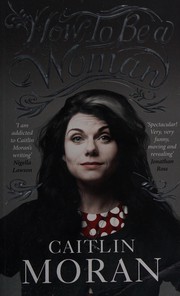
How to Be a Woman
Moran mixes girlhood and work stories into plain feminist advice.
2,600-word summary · 12 min read
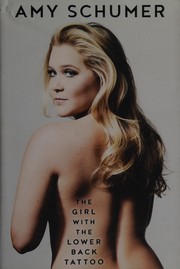
The Girl with the Lower Back Tattoo
Amy Schumer mixes raunchy jokes with frank essays on family, dating, body image, and the shooting that pushed her into gun control advocacy.
2,259-word summary · 10 min read
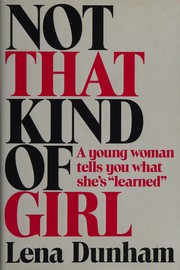
Not That Kind of Girl: A Young Woman Tells You What She's Learned
Girls creator Lena Dunham's essays on work, bodies, love, and family, frank and funny with uneven edges.
2,156-word summary · 10 min read
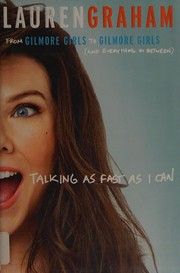
Talking as Fast as I Can: From Gilmore Girls to Gilmore Girls
Lauren Graham looks back on broke actress years, Parenthood, and playing Lorelai Gilmore twice in this funny 2016 memoir.
2,701-word summary · 12 min read
Are You There, Vodka? It's Me, Chelsea
Handler mines family, jail, dating, and travel for brash essays where oversharing is both joke and shield.
2,186-word summary · 10 min read
Why Not Me?
Essays on work, dating, and body image from the Office writer learning to ask for bigger rooms.
2,000-word summary · 9 min read
Running with Scissors
A boy sent to live with his mother's psychiatrist grows up in a chaotic house with no rules.
2,036-word summary · 9 min read
The Woman in Me
Britney Spears tells her own story from teen stardom to a thirteen year conservatorship, and how she fought to reclaim her voice and freedom.
2,505-word summary · 11 min read
Marley & Me
A young couple learns marriage, parenthood, and goodbye through thirteen years with Marley, their wild and loving Labrador.
2,167-word summary · 10 min read
Is Everyone Hanging Out Without Me?
Mindy Kaling recalls Boston childhood, Dartmouth comedy, New York hustle, and The Office writers room.
2,239-word summary · 10 min read
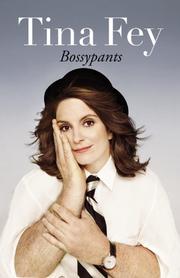
Bossypants
Tina Fey moves from Pennsylvania childhood through improv and SNL to 30 Rock in this funny 2011 memoir. Expect backstage stories, jokes about work and…
2,301-word summary · 10 min read
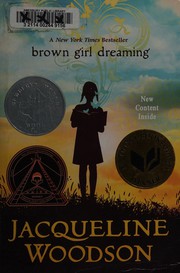
Brown Girl Dreaming
Jacqueline Woodson retells her childhood in verse, moving from Ohio to South Carolina to Brooklyn while the civil rights movement reshapes the world around her.
2,727-word summary · 12 min read
A Long Way Down
Four strangers meet on a London rooftop on New Year's Eve, each planning to jump, and end up making a pact to stay alive until Valentine's Day.
2,145-word summary · 10 min read
This Winter
On one difficult Christmas Day, Tori, Charlie, and Oliver Spring try to hold their family together while Charlie's eating disorder makes every tradition a test.
2,034-word summary · 9 min read

Too Much and Never Enough: How My Family Created the World's Most Dangerous Man
Mary L. Trump's 2020 memoir traces how a cold, zero-sum Queens household shaped her uncle, and uses family tax documents to challenge his self-made story.
2,059-word summary · 9 min read

Hard Luck
Rowley has a girlfriend, so Greg turns to a Magic 8 Ball, a family Easter hunt and the school yearbook for answers.
2,586-word summary · 11 min read

Act Your Age, Eve Brown
Eve Brown crashes into a Lake District bed and breakfast, breaks the owner's arm, and talks her way into his kitchen. A grumpy-sunshine romance about work,…
2,474-word summary · 11 min read
George's Marvellous Medicine
George stirs a brew of dozens of household chemicals and gives it to his grumpy grandmother, and the medicine works far better than anyone planned.
2,014-word summary · 9 min read