
Reading options
What's inside (8 sections)
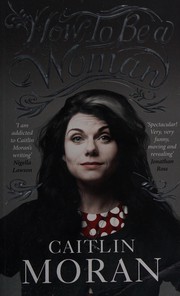
I picked up How to Be a Woman because I kept seeing it quoted in arguments about feminism and wanted to know what the actual book says. How to Be a Woman by Caitlin Moran was first published in 2011 by Ebury Press, a 313 page memoir with ISBN 9780091940737. Moran is a British music journalist turned columnist who grew up in a crowded house in Wolverhampton and became famous young writing for Melody Maker and The Times. This book mixes girlhood memories, work stories, and plain advice about bodies, clothes, jobs, and marriage. I read it in long breakfast sittings, laughing, then pausing because a joke had a sharp point under it.
The premise is simple. Moran says modern feminism had come to feel stern and distant, and she wanted to write a version that sounded like a funny friend talking after two drinks. She starts with being thirteen, fat, bookish, and poor in a house full of siblings, then moves through first periods, first bras, school, leaving home, fame at sixteen, abortion, love, childbirth, and work as a woman in media. Each chapter takes a familiar pressure point for women and retells it from her life, then ends with a practical rule she lives by.
What surprised me is how much of the book is about class as well as gender. Moran grew up on benefits in a three bedroom council house with seven siblings. Clothes came from charity shops. Privacy was a curtain. That background shapes her view of high heels, handbags, diets, and weddings as expensive performances that poor women cannot afford and should not have to want. Her feminism is not academic. It is built from shared bedrooms, borrowed razors, and watching her mother cope.
Growing up Wolverhampton
The early chapters are the strongest and most specific. Moran describes the Moran house with affection and without varnish. Her father playing in a band, her mother trying to hold routines together, kids stacked in bunks, books everywhere, dogs, noise. She was the eldest daughter who read constantly and felt both invisible and over watched. When puberty arrived, it felt like a public event she had not agreed to. Getting breasts in a house with no locks. Starting periods with little money for supplies. Learning about sex from playground rumors and women magazines.
Her account of being thirteen is painfully vivid. She writes about pubic hair panic, about hating her body while also wanting to be desired, about naming body parts with embarrassment. The famous bits about giving her vagina a nickname and about early masturbation shock talk land less as provocation and more as an attempt to say girls have bodies that feel things and deserve plain language. You may find the tone too crude. I winced twice. But the intent is clear. Shame grows where no one will say the word.
School scenes ring true for anyone who grew up without money. Moran left formal schooling early and educated herself in libraries. She learned to write by copying music reviews and by arguing with her brothers. That autodidact path explains her style. Fast, slangy, full of lists and asides, allergic to footnotes. It also explains blind spots that show later. She trusts lived experience over research, which makes for great anecdotes and shaky generalizations.
A fair criticism already appears here. Memory is selective, and Moran shapes her childhood into comedy with clear heroes and villains. If you want a documented social history of Wolverhampton in the eighties, look elsewhere. This is a memoir that uses the past to set up arguments, not an archive.
What works is voice. Moran can describe a charity shop bra that fits like two traffic cones in a way that makes you laugh and also feel the humiliation of being a poor teen girl. She can move from that to a serious point about how early girls learn to monitor themselves for male approval. The jumps are abrupt. The energy carries them. Short paragraphs. Long rants. Then a sudden quiet line about her mother that stops the show.
Fame at sixteen and work
Moran won a writing contest as a teen and joined Melody Maker at sixteen, then moved into television and national columns. She writes about that period with a mix of pride and alarm. Pride because a working class girl with no contacts talked her way into rooms full of middle class men. Alarm because those rooms ran on drink, drugs, late nights, and casual sexism that everyone treated as normal.
The music press chapters give the book its best work material. She describes being the only young woman on tour buses and in review meetings, learning to shout to be heard, learning to file copy while hungover, learning which older men would mentor and which would test boundaries. She names behaviors rather than names, for the most part. The editor who assumes she will make tea. The musician who treats an interview as a date. The colleague who praises her like a novelty. Anyone who has been the only woman in a male shop will recognize the pattern.
Her rule from this era is blunt. Get a job, keep it, learn to argue for money. She is fierce about women earning and about the freedom a wage gives. She connects pay to abortion rights, to leaving bad partners, to saying no to demeaning assignments. That link between cash and choice is one of the book least sentimental points, and one of its most useful. It also reflects her background. For Moran, work was never self fulfillment talk. It was rent.
The weakness in these chapters is lack of curiosity about women with different jobs. Moran writes brilliantly about freelance media chaos, but says little about care workers, cleaners, shop staff, or mothers doing unpaid shifts. She praises strangeness and late nights in a way that suits child free journalists. Readers doing school runs between shifts may feel the advice floats above their schedules. Moran would likely answer that her story is only her story. Fair enough, but a book subtitled in spirit as a manual invites that test.
I also noticed repetition. Several anecdotes about proving herself to male editors circle the same moral. An editor could have cut ten pages here and given them to later chapters about motherhood where detail runs thin in places.
Bodies, clothes, and hair
The middle of the book takes on appearance pressures one by one. Bras and the tyranny of cleavage. High heels and why they hurt. Thongs, waxing, and porn shaped expectations. Diets and the wedding industrial idea that a woman must shrink to deserve love. Botox and the fear of aging in public. Moran approach is consistent. Tell an embarrassing personal story, describe the industry selling the fix, then propose a cheerful refusal.
Some of this is very funny. Her account of buying high heels she cannot walk in and tottering to a party like a newborn foal captures a universal learning curve. Her rant about handbags as expensive sacks that men never have to carry makes a solid economic point inside the jokes. Her chapter on why she stopped shaving everything and stopped apologizing for body hair reads as both personal comfort and small protest. You do not have to agree with every choice to enjoy the pushback.
Some of it will date or divide. Her takes on stripping, pole dancing for fitness, and porn are sex positive in a laddish nineties way that some feminist readers now find too casual about coercion and money. She argues women should be free to enjoy looking sexy without being called traitors, which is fair, but she spends less time on women who feel they cannot say no to those scripts at work or at home. The tone sometimes suggests confidence alone solves pressure, which understates power.
Her abortion chapter sits inside this section emotionally even when placed elsewhere in editions, and it deserves separate note. Moran writes about having an abortion with directness and without apology, describing logistics, relief, and grief as mixed rather than staged. She frames it as a decision that let her continue her life and care for the children she later had. Readers across views will find the writing clear. Those who oppose abortion will not be persuaded, because Moran does not argue theology. She argues from her life. That honesty is the chapter strength and its limit.
Stylistically, these chapters show Moran at both best and worst. Best when a concrete object unlocks a system, like a bra size that requires a special shop and extra pay. Worst when she stacks jokes until the point blurs. I laughed, then had to reread to find the claim.
Love, marriage, and children
Moran writes about meeting her husband, musician and writer Pete Paphides, with unusual tenderness. No games. No makeover. Two funny people who liked talking and kept talking. Her advice on love rejects pursuit manuals. Be kind. Be interested. Share chores. Stay weird together. It is refreshing after chapters full of performance. The marriage she describes sounds companionate rather than cinematic, built on jokes, music, and mutual rescue from self pity.
Childbirth chapters are graphic in the way birth is graphic. She describes long labours, tearing, blood, fear, and the strange euphoria after, with the aim of puncturing glossy celebrity birth stories. Mothers I know had mixed reactions to this when the book came out, some grateful for honesty, some exhausted by another horror story. I found it useful as a non mother precisely because it refuses both horror and glow. Birth hurts, help matters, and the system often fails to explain what is happening while it happens.
Motherhood brings her best criticism of modern parenting culture. She mocks competitive baby gear, sleep training dogma, and the idea that a good mother never gets bored or angry. She admits to loving her daughters fiercely and to finding early months repetitive and lonely. That admission will comfort many readers. She also argues for paid childcare, for fathers doing half, for mothers keeping work and friends. The policy points are brief but pointed, grounded in her own scramble for sitters while filing columns.
The gap is childcare as lived by poorer families. Moran can afford help in ways her own mother could not, and she knows it, but the book does not sit long with that difference. Single mothers in insecure housing get sympathy but little practical use.
Her take on monogamy and affairs is similarly personal. She argues for staying, for talking, for resisting the fantasy that a new partner will fix old tiredness. Moran tries to hedge by saying abuse is different and leaving is right then, but the hedge is quick.
Feminism with jokes
The explicit feminist argument runs through the book like a chorus. Moran defines a feminist as someone who believes women are people and who acts like it. She says you do not need a degree or perfect language to claim the word. You need to pay women fairly, share housework, stop judging bodies, defend abortion access, and call out casual sexism even when it kills the vibe at dinner.
That simplicity is the book selling point and its intellectual ceiling. Selling point because it lowers the door. Many readers who felt scolded by academic language found Moran welcoming. She gives them lines to use at work and at home. Are you a feminist. Yes, if you think women matter as much as men. Ceiling because complex issues get compressed into slogans. Porn, prostitution, trans rights, race, disability, all get brief or dated treatment. Later editions and interviews show Moran updating some views, but the 2011 text stands as a time capsule with rough edges.
Her humor is the delivery system. She compares sexist double standards to absurd household rules. She renames body anxiety with silly labels to drain its power. She stages imaginary conversations with smug commentators and wins them. The jokes work best live on the page when aimed at powerful targets, magazine editors, advertisers, politicians. They work less well when aimed down, at other women choices about weddings or heels. Moran usually catches herself and adds affection, but not always before the punch lands.
Critics at publication split along predictable lines. Admirers praised accessibility and courage, especially on abortion and body hair. Detractors called the book self indulgent, under researched, and exclusionary on race and class despite its working class roots. Both have a point. I found myself underlining a sharp paragraph about housework, then wincing at a generalization about French women or strippers that needed reporting rather than riffing. The book is better as a starter than as a manual, better at permission than at policy.
What redeems the unevenness is Moran willingness to be the butt of jokes. She presents herself as vain, lazy, snobbish about music, bad at housework, often late. That self mockery earns trust. She is not preaching from a pedestal. She is confessing from a messy desk. When she says stop dieting yourself into misery or stop spending rent money to look bridal, you hear someone who did those things and stopped, not someone who never faced them.
What lasts and what creaks
Rereading in mind after finishing, three strengths stand out. First, class detail. Few feminist bestsellers of that era write so concretely about benefits, crowded housing, and cheap clothes. Those pages give the book a texture that survives trend shifts. Second, tone. Moran proves difficult subjects can be discussed without coldness. Abortion, birth injury, and marital boredom all get plain words and dark jokes that keep readers inside hard scenes. Third, practicality. Keep your name, keep your money, split chores, wear shoes you can run in. Simple rules, easy to test.
Three weaknesses stand out too. First, evidence. Moran rarely cites studies or signals when memory may mislead. Readers who want data should pair this with researched histories of beauty work. Second, scope. Race, queer lives, disabled women, older women, and migrant women appear briefly if at all.
Third, time. Beauty norms, porn access, trans conversation, and work precarity have all shifted since 2011. Some jokes that felt cheeky then now read as careless. Some advice about media careers assumes a stable press that no longer exists for most young writers. This does not make the book useless, but it means new readers should treat it as a period memoir with arguments, not as current guidance. Check publication date while reading, especially on language about bodies and identity.
Who should read it. If you find feminism forbidding and want a funny entry point, start here, then follow up with more systematic books. If you grew up poor in a big family and rarely saw that life in print, the early chapters may feel like recognition. If you need deep policy or intersectional theory, look elsewhere or read this alongside those books. If crude body talk puts you off, skip without guilt, because Moran will not temper it for you.
I closed the book liking Moran more than agreeing with her throughout. Her core test still works. Ask who does the unpaid work, who gets paid, and whether the answer treats women as full people. When the answer is no, say so out loud, even at a dinner party. Moran mixes girlhood and work stories into plain feminist advice, and the plainness is the point. You do not need permission to start. You can start by laughing, then by refusing one small humiliation, then another, until the shape of a freer life shows.
FAQ
When was How to Be a Woman published?
Ebury Press published it in 2011. It runs 313 pages and the edition ISBN is 9780091940737.
Is How to Be a Woman a memoir or a guide?
It is a memoir with essays, moving from Wolverhampton girlhood through music press fame to marriage and motherhood.
Who will get the most from this book?
Readers who want a funny entry point to feminism will enjoy it. Pair it with researched books for data and wider scope.
Similar books

Dear Girls: Intimate Tales, Untold Secrets & Advice for Living Your Best Life
Ali Wong's debut collects fourteen letters to her daughters, covering sex, money, work, marriage, Vietnam, and being a working Asian American mother.
2,266-word summary · 10 min read
Not That Kind of Girl: A Young Woman Tells You What She's Learned
Girls creator Lena Dunham's essays on work, bodies, love, and family, frank and funny with uneven edges.
2,156-word summary · 10 min read
Scrappy Little Nobody
Anna Kendrick's essays trace her path from a Portland childhood and Broadway to Hollywood, with jokes, anxiety, and a refusal to pretend fame fixed her.
2,092-word summary · 9 min read
My Horizontal Life: A Collection of One-Night Stands
Handler turns dating disasters and family chaos into brash comic essays about single life in Los Angeles.
2,304-word summary · 10 min read
Bad Feminist
Gay mixes memoir and pop culture criticism to argue for imperfect feminism, from Sweet Valley to Django to Fifty Shades.
2,493-word summary · 11 min read
The Girl with the Lower Back Tattoo
Amy Schumer mixes raunchy jokes with frank essays on family, dating, body image, and the shooting that pushed her into gun control advocacy.
2,259-word summary · 10 min read
Calypso
Sedaris buys a Carolina beach house, grieves his sister Tiffany, tends his aging father, and turns illness and marriage into dry family comedy.
2,835-word summary · 13 min read
Are You There, Vodka? It's Me, Chelsea
Handler mines family, jail, dating, and travel for brash essays where oversharing is both joke and shield.
2,186-word summary · 10 min read
Naked
Growing up odd in Carolina, working bad jobs, and learning to watch people closely and kindly.
2,020-word summary · 9 min read
Dress Your Family in Corduroy and Denim
Sedaris on snow days, rental houses, Dutch Christmas, and the family that made him funny.
3,098-word summary · 14 min read
Bossypants
Tina Fey moves from Pennsylvania childhood through improv and SNL to 30 Rock in this funny 2011 memoir. Expect backstage stories, jokes about work and…
2,301-word summary · 10 min read

Infidel
Ayaan Hirsi Ali's memoir of a Somali childhood, a forced marriage, a Dutch asylum claim, and the political fight that followed the murder of Theo van Gogh.
2,041-word summary · 9 min read
Dry
A memoir of drinking, rehab and relapse, and the strange business of getting sober one morning at a time.
2,643-word summary · 12 min read
Seriously...I'm Kidding
DeGeneres strings show stories and home jokes into light life advice.
2,292-word summary · 10 min read
Open Book
Simpson replays pop fame, love and drink through recovery work.
2,552-word summary · 11 min read
Eats, Shoots & Leaves
Truss defends commas with jokes about pandas and posters.
2,423-word summary · 11 min read
Notes from a Small Island
Bill Bryson's 1995 farewell tour of Britain, funny and fond, from Dover to London, the north, Scotland and Wales.
2,301-word summary · 10 min read
In a Sunburned Country
Bryson revisits Australia by city walks and long trains, with reef trips, critter comedy, and explorer history.
2,387-word summary · 11 min read
Hunger
Roxane Gay traces how assault at twelve shaped her body, appetite, and daily life as a fat Black woman refusing shame.
2,583-word summary · 11 min read
Tiny Beautiful Things: Advice on Love and Life from Dear Sugar
Dear Sugar answers letters on love, grief, and work with tough empathy drawn from her own losses.
2,253-word summary · 10 min read
Holidays on Ice
Six Christmas pieces, from a Macy's elf stint to a feral family newsletter. Sedaris at his sharpest and most sentimental.
2,410-word summary · 11 min read
The Anthropocene Reviewed: Essays on a Human-Centered Planet
John Green reviews ordinary parts of human life on a five-star scale, turning geese, keyboards, and sunsets into a warm memoir about attention.
2,982-word summary · 13 min read
Talking as Fast as I Can: From Gilmore Girls to Gilmore Girls
Lauren Graham looks back on broke actress years, Parenthood, and playing Lorelai Gilmore twice in this funny 2016 memoir.
2,701-word summary · 12 min read
Reading Lolita in Tehran: A Memoir in Books
Seven women meet in secret in Tehran to read Lolita, Gatsby, and Austen while revolution presses in.
2,916-word summary · 13 min read
Let's Explore Diabetes with Owls
Sedaris gets French dental work, feeds a kookaburra in Australia, shops for a stuffed owl in London, and survives China, airports and a colonoscopy.
2,538-word summary · 11 min read
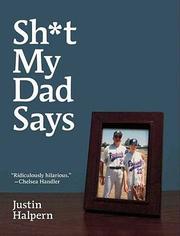
Sh*t My Dad Says
A comedy writer moves home and writes down his blunt fathers funniest lines with love.
1,961-word summary · 9 min read
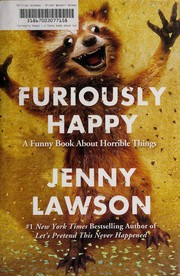
Furiously Happy: A Funny Book About Horrible Things
Jenny Lawson mixes blunt talk about depression with wild stunts and taxidermy to argue for grabbing joy on purpose.
2,963-word summary · 13 min read
Let's Pretend This Never Happened: A Mostly True Memoir
The Bloggess turns a strange Texas childhood and anxious adult life into a funny, warm memoir about family.
2,479-word summary · 11 min read
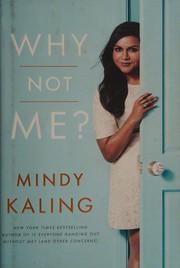
Why Not Me?
Essays on work, dating, and body image from the Office writer learning to ask for bigger rooms.
2,000-word summary · 9 min read

When You Are Engulfed in Flames
In twenty two essays Sedaris tries to quit smoking in Japan, buys a skeleton, fights spiders in Paris, and files dry reports from France on family, country…
2,974-word summary · 13 min read