
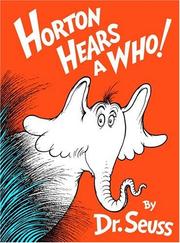
Horton Hears a Who!
2,375-word summary 11 min read 72 pages in the book
- First published
- 1954
- Publisher
- Random House
- Pages
- 72
- ISBN
- 9780394800783
Reading options
What's inside (6 sections)
I reread Horton Hears a Who! aloud and heard the anapests sing again after years. First published in 1954 by Random House at 72 pages in hardcover, children's picture book by Dr. Seuss about Horton the Elephant saving Whoville on a clover. On May 15th in the Jungle of Nool, Horton hears a speck talking while splashing. He places it on clover and vows to protect. Sour Kangaroo and Wickersham Brothers mock, steal, and threaten to boil the speck in Beezle-Nut oil. Whos shout together with Jo-Jo's Yopp to prove. Animals promise to help. Moral chants throughout. A person's a person, no matter how small. I smiled and thought about postwar Japan dedication and current uses, with care. At 72 pages it reads in minutes but stays for years.
Horton starts happy in pool, enjoying jungle joys, when small noise interrupts. He listens where others dismiss. That listening defines him across books. Horton Hatches the Egg showed faithfulness. Here shows attentiveness. He surmises persons on speck and acts. Places on clover, vows protection. That vow, repeated, structures. I meant what I said and I said what I meant. An elephant's faithful one hundred percent. Rhyme makes promise memorable for kids. Adults hear ethics. Keep promises to small voices even when mocked. That keeping costs. Horton endures harassment to care. Sour Kangaroo criticizes, joey mimics. News spreads fast in jungle. Soon all mock. Horton walks on with clover held high, careful not to drop. That image, elephant balancing flower through jeers, teaches more than moral stated. Show care under pressure. Kids see. Adults remember. Do same for unheard colleagues, kids, animals. Hold clover steady. Good.
Mayor of Whoville asks Horton to protect from harm, which Horton happily agrees. That agreement across size models allyship. Big listens to small, acts. Mayor organizes Whos to make noise to prove existence. Almost all shout, sing, play, but still unheard till Jo-Jo, small shirker playing yo-yo instead of helping, is carried to Eiffelberg Tower to shout Yopp. That detail matters. Even smallest shirker counts. Community needs all, including reluctant. Jo-Jo's Yopp finally makes kangaroo and monkeys hear. Now convinced, they vow to help protect. Change comes when all participate, not just leaders. Teach kids that. Your Yopp matters even if you played while others worked. Show up late, shout loud. Better late than never. That grace for shirkers is kind. Do not shame Jo-Jo. Celebrate return. Many classrooms need that message. Late voices still save. Invite, do not exile. Good.
Jungle bullies
Sour Kangaroo and Wickersham Brothers as bullies deserve attention for how Seuss draws power. Kangaroo female with joey, respectable, jumps into pool almost reaching speck, spreads news. She does not believe persons can be on dust. Her skepticism is not evil at first, just limited imagination. She soon harasses actively, recruiting. Wickershams, monkeys probably apes, steal clover and give to Vlad Vladikoff, black bottomed eagle, who flies far and drops in miles of clovers. That theft forces Horton's long search for the 3,000,000th flower. Search teaches perseverance. After extremely long search, Horton finds, only to be tied up and threatened with boiling. Bullies escalate from mockery to theft to violence. That escalation pattern is true to schoolyards. Mock, take, hurt. Horton responds without violence. He implores Whos to prove, not fights monkeys. Nonviolent persistence wins where force would fail. He cannot beat monkeys physically while holding clover. He must hold and ask others to speak. That strategy models de escalation. Hold your charge carefully. Ask those you protect to help prove. Do not drop to fight. Keep holding. Help will be heard eventually if all shout. Teach that to kids facing bullies. Hold values, ask community to speak. Do not stoop. Good.
Vlad dropping clover in field of hundreds of miles visualizes needle in haystack despair. Horton searches petal by petal. That patience, page after page of pink flowers, teaches grit. Kids feel length. Adults feel time. When he finds, relief huge. Then immediate capture by kangaroo and monkeys who caught up. Triumph cut short by mob with kettle. That rhythm, find then threaten, keeps tension for picture book. Boiling in Beezle-Nut oil as threat is absurd and scary. Hot steaming kettle to kill speck. Overkill shows bully illogic. Destroy tiny to prove nonexistent. Horton tied, helpless, still implores. That helpless imploring, not heroic escape, saves. Words, not strength. Ask Whos to shout. Community saves when hero bound. Important lesson. Heroes need help. Even elephants need Yopps. Accept help. Ask loudly. Good.
Seussical and adaptations show story's legs. 1970 TV special with Hans Conried, 2008 film with Jim Carrey and Steve Carell, stage Seussical, even Soviet and Russian shorts. Each retells with tweaks. TV names Jane Kangaroo, Whizzer McWoff. Film expands Mayor and Jo-Jo. Core holds. Small persons matter. Adaptations prove portability across cultures and media. Ukrainian elves, Russian agrarian Whos. All hear. That global hearing suits postwar dedication to Japanese friend after Seuss's wartime propaganda regret. He compared Whos and Japanese as small valued equally, expressing willingness for companionship after hate. That history complicates. Author of racist wartime cartoons atones with elephant. Should we forgive through Horton. Scholars debate. Read with context. Celebrate message while acknowledging past. Teach both. Seuss grew. People can. That growth matters more than purity. Share background with older kids. Discuss propaganda and apology. Good.
Message and use
Moral line, a person's a person no matter how small, unites polar worlds through determination, integrity, faithfulness, bravery, as analyses note. Written in anapestic tetrameter like many Seuss books, rhythm carries. Unlike some, however, Horton contains strong moral message Thomas Fensch calls universal, multinational, multiethnic. In a word, equality. That equality has been adopted since 1980s by US anti abortion movement as allegory for fetus. Audrey Geisel and Seuss Enterprises criticized that use. Author intent was postwar Japan, not abortion. This adoption history teaches how morals travel beyond intent. Lines live. Communities claim. Discuss with teens. Who owns meaning. Author, readers, movements. All shape. Respect Seuss widow's objection while understanding why line appeals to causes about small voiceless. Use carefully. Do not weaponize children's book without context. The book itself argues for listening to small, not speaking for them. Anti abortion use speaks for fetus without listening to pregnant people, inverting Horton who listens to Whos. That inversion matters. Horton asks Whos to speak. He does not speak for them alone. He amplifies. Learn that distinction. Amplify, do not appropriate. Good.
What shines is rhyme and pictures. Intricate thoughtful rhymes and appealing illustrations define Seuss. Jungle greens, clover pinks, Whoville tiny towers. Read aloud bounces. Kids chant Yopp. At 72 pages it suits bedtime and classrooms. Lessons about bullying, listening, community land without preaching because story delights first. Horton endures harassment with good humor, not bitterness. That tone keeps moral from heavy. Laugh while learning. Good.
What may challenge is length for very young. Search through clovers drags for toddlers. Skip to Yopp if needed. Older kids love search as seek and find. Use finger to find speck. Interactive reading helps. Also, kangaroo and monkeys as villains may scare sensitive. Reassure. They learn and promise to help at end. Redemption included. No one exiled. Even Vlad? Actually Vlad drops and leaves. Kangaroo and monkeys convert. That conversion offers hope bullies learn. Emphasize. People can hear after Yopp. Give Yopps time. Keep shouting kindly. Good.
Content is gentle. No deaths, boiling threatened but stopped. Language rhyming, no swears. Suitable for ages three and up, beloved in schools, homes, libraries. Pair with Horton Hatches the Egg for faithfulness theme. At 72 pages it proves big ideas fit small books. Persons small matter. Books short matter. Read, chant, promise to protect specks you hear. Even if others mock. Especially then. That promise, elephant faithful one hundred percent, is why book lasts since 1954. Make it. Keep it. Hear Whos. Yopp.
Rhyme, pictures, and use
Rhyme in anapestic tetrameter carries moral without heaviness. Beats mimic Horton's walk and heart. Kids chant without knowing meter. Adults feel lift. Promise lines stick for life. I meant what I said and I said what I meant. Use them when teaching promise keeping. Say, mean, do. Simple. Pictures show scale brilliantly. Huge Horton beside tiny clover, jungle looming, Whoville towers. Visual contrast teaches perspective. Big and small share page. Look closely to see Whos. That looking trains attention. Search illustrations for tiny details. Kids love finding. Adults learn to look for overlooked. Who is small in your jungle. Find, protect.
Jungle bullies as types help name behaviors. Sour Kangaroo respectable skeptic turned harasser. Wickershams thieves who steal clover and give to Vlad. Vlad flies far and drops in miles of flowers. Each escalates. Mock, steal, threaten to boil. That pattern teaches how bullying grows if unchecked. Name stages early to stop. Horton responds without violence. Holds clover high, asks Whos to shout. Nonviolent persistence wins where force would fail while holding charge. He cannot fight while protecting. Must hold and ask protected to help prove. That strategy models de escalation for kids holding values while mocked. Hold, ask community to speak. Do not drop to fight. Keep holding. Help will be heard eventually if all shout. Teach that.
Jo-Jo as shirker who saves deserves emphasis for grace. Smallest Who playing yo-yo while all shout, carried to tower to shout Yopp that tips balance. Without Jo-Jo, all fail despite effort. That detail tells shirkers they matter. Even late contributors save. Do not shame Jo-Jo for playing while others worked. Celebrate return. Many classrooms have Jo-Jos distracted while group works. Invite, do not exile. Carry to tower. Ask for Yopp. You may be surprised by loudness. That grace for reluctant participants is kind and strategic. Need all voices, especially quietest smallest. The Mayor searching Whoville for Jo-Jo models inclusive leadership. Look for missing. Bring to top. Ask to shout. That search takes time while kettle boils. Worth it. Do not rush to boil without full chorus. Wait for Jo-Jo.
Message adoption history needs careful teaching for older kids. Seuss wrote after visiting Japan, dedicating to Japanese friend, reacting against prior anti Japan propaganda. That growth from hate to companionship through Horton matters. Share background with teens. People can change after war. Propaganda harms, atonement helps. Also address anti abortion adoption since 1980s. Some interpret person's a person as fetus allegory. Audrey Geisel and Seuss Enterprises objected, saying intent was Japan equality. Discuss author intent versus reader use. Who owns meaning. Horton listens to Whos and amplifies. He does not speak for them alone. Anti abortion use speaks for fetus without listening to pregnant people, inverting Horton who asks Whos to speak. That inversion matters. Horton asks community to shout. He amplifies. Learn distinction. Amplify, do not appropriate. Use book to talk about listening to small voices directly, not using them as symbols. Ask Whos what they need. In classrooms, ask quiet kids, not assume. That practice honors Seuss better than slogans. Listen, carry, protect. Yopp together.
Reading together across ages
I want to say more about reading Horton across ages, because 72 pages work differently at three, eight, and thirty. At three, chant Yopp loudly and find clover in pictures. Do not worry about Japan or abortion. Focus on Horton holding carefully while others laugh. Ask who do you hold carefully. Stuffed animals, siblings. Practice gentle holding. At eight, discuss bullies by name. Sour Kangaroo mocks, Wickershams steal, Vlad drops far. Name stages. How to respond without dropping what you protect. Role play holding clover while friends tease. Feel arms ache. That ache teaches empathy for holders. Who holds what in school. New kid, shy friend, tired teacher. How to help them shout. Practice inviting Jo-Jos who play while others work. Carry to tower kindly, not angrily. Those practices build inclusive classrooms better than rules posters. Do them.
At teens and adults, discuss propaganda and atonement plus appropriation. Seuss drew racist wartime cartoons, then wrote Horton to Japanese friend. Can art atone. Partly, if followed by changed actions. He changed hiring? Actually changed messages. Acknowledge both harm and growth without erasing either. That nuanced history teaches more than hero worship or cancellation. People contain both. Learn from both. Similarly, anti abortion use of line shows how morals travel. Discuss who owns meaning after publication. Author intent matters but does not control. Communities claim lines for causes. Evaluate claims by Horton method. Does use listen and amplify small voices, or speak for them to control others. Abortion debate centers pregnant people often unheard in slogans. Ask them. That asking honors Horton more than quoting line to silence. Practice in discussions about books. Who is small here. Have we heard them directly. If not, invite Yopp before deciding. Wait for Jo-Jo. Good.
Teachers can pair Horton with Horton Hatches the Egg for faithfulness theme. Both Hortons keep promises at cost. Egg sitting through storms, clover holding through mockery. Faithful one hundred percent as mantra for perseverance. Kids memorize and apply to practicing instruments, caring for pets, finishing books. Promise keeping as skill, not just virtue. Track promises kept in class. Celebrate. That celebration reinforces more than scolding broken promises. Notice keeping. Name it. Thank holders. Those thanks encourage next holding when kettles boil. At home, parents can use clover searches to teach patience. Hide speck, search together. Feel long search. Then discuss waiting for Jo-Jo. Do not rush to boil without full chorus. Wait. That waiting is love in busy homes. Slow down for Yopps. Listen.
If you perform, try reading with drums for anapests. Clap beats while chanting. Kids feel meter in bodies. Then draw own Whovilles on clovers cut from paper. Who lives there. What do they need to shout. Share Yopps aloud. That art extends book beyond reading into making. Makers remember longer. Display clovers with promises written. I meant what I said. We will protect. Sign names. That public promise, child high on wall, holds classrooms together through year. Refer back when bullying starts. Remember Horton. Hear Whos. Yopp. At 72 pages, the book proves short can hold large. Persons small matter. Promises short matter. Keep both. Yopp.
FAQ
When was Horton Hears a Who! published?
It was first published in 1954 by Random House at 72 pages. It teaches a person's a person no matter how small.
Who is Horton?
Horton the Elephant hears Whoville on a speck and carries clover to safety from kangaroos and monkeys.
Similar books
How the Grinch Stole Christmas!
The Grinch steals Who presents and learns Christmas means more than gifts.
2,998-word summary · 13 min read
Don't Let the Pigeon Drive the Bus!
A bus driver leaves the reader in charge with one rule, and a very persuasive pigeon spends the rest of the book trying to break it.
2,084-word summary · 9 min read
Miss Nelson Is Missing!
Room 207 gets kind Miss Nelson, then terrible Viola Swamp instead.
2,597-word summary · 12 min read
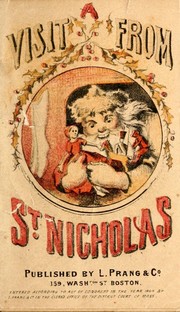
The Night Before Christmas
A father watches St Nicholas arrive with reindeer on Christmas Eve in classic poem.
1,986-word summary · 9 min read
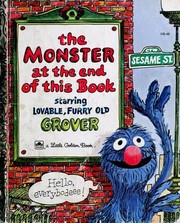
The Monster at the End of This Book
Grover begs readers not to turn pages for fear of a monster, until the ending reveals himself.
2,061-word summary · 9 min read
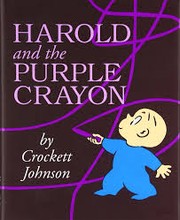
Harold and the Purple Crayon
Harold draws a moon and a path with one purple crayon and walks into the night, through woods and water until he finds his way home.
2,941-word summary · 13 min read
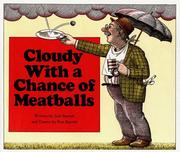
Cloudy with a Chance of Meatballs
A grandfather tells of Chewandswallow, where soup rains and meatballs fall, until giant food storms force everyone to flee.
2,873-word summary · 13 min read
True Story of the Three Little Pigs
A. Wolf tells his side from the Pig Pen: he only wanted sugar for a cake, had a bad cold, and sneezed. You decide.
2,975-word summary · 13 min read
Alexander and the Terrible, Horrible, No Good, Very Bad Day
Alexander has one bad day from gum in his hair to bedtime, while his family copes and his mother stays honest.
2,548-word summary · 11 min read
Black Beauty
Black Beauty retold in his own voice, from Birtwick Park to London cabs, through hard owners and kind hands.
3,026-word summary · 13 min read
One Fish, Two Fish, Red Fish, Blue Fish
Counting fish and silly creatures from here to there, with rhymes for beginning readers.
1,900-word summary · 8 min read
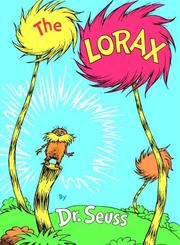
The Lorax
The Once-ler fells Truffula Trees for Thneed greed despite the Lorax, who speaks for the trees, warning him to stop.
2,563-word summary · 11 min read

Oh, the Places You'll Go!
Seuss Sendoff follows life highs, slumps, and moving on with courage.
2,705-word summary · 12 min read
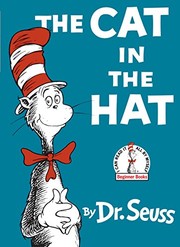
The Cat in the Hat
A tall Cat turns a rainy day upside down for Sally and her brother, with Thing One and Thing Two in tow.
2,546-word summary · 11 min read
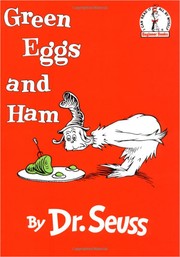
Green Eggs and Ham
Sam-I-Am will not stop asking until his friend tries green eggs and ham.
1,977-word summary · 9 min read

Make Way for Ducklings
A pair of mallards raise eight ducklings on the Charles River and lead them across Boston to the Public Garden, with a little help from a friendly policeman.
2,044-word summary · 9 min read

Amelia Bedelia
A literal-minded housekeeper follows her employer's list to disastrous and funny effect in the 1963 picture book that made wordplay a children's staple.
2,038-word summary · 9 min read
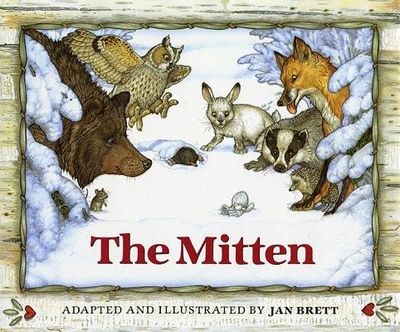
The Mitten
Jan Brett retells a Ukrainian folktale about a boy, a lost white mitten, and the woodland animals that crowd inside until a bear sneezes.
2,609-word summary · 12 min read
Clifford the Big Red Dog
Emily Elizabeth picks the smallest puppy in the litter, loves him as hard as she can, and wakes up to a dog the size of a house.
2,092-word summary · 9 min read
The Story of Ferdinand
A gentle Spanish bull would rather smell flowers than fight, and when he is taken to the bullring he simply sits down among the flowers in the ladies' hats.
2,135-word summary · 9 min read
Go, Dog. Go!
Dogs drive, work, play, and climb a tree for a party in this Beginner Book built on repetition, opposites, and one very unpopular hat.
2,196-word summary · 10 min read
Click, Clack, Moo: Cows That Type
Cows learn to type, demand electric blankets, and go on strike in a deadpan picture book about negotiation and withheld labor.
2,617-word summary · 12 min read
Caps for Sale
A peddler balances his caps on his head, naps under a tree, and wakes to find monkeys wearing his stock in this 1940 picture book.
2,787-word summary · 12 min read
Frog and Toad Are Friends
Five short stories about a cheerful frog and a grumpy toad who need each other for waking up, swimming, and waiting for the mail.
1,969-word summary · 9 min read
The Stinky Cheese Man and Other Fairly Stupid Tales
Scieszka and Lane Smith take nine fairy tales apart, joke by joke, while Jack, the narrator, keeps losing the pages.
2,206-word summary · 10 min read
The Swiss Family Robinson
Shipwrecked Robinsons build treehouses and tame island beasts.
2,400-word summary · 11 min read
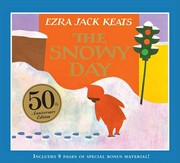
The Snowy Day
Peter in his red snowsuit explores fresh snow, from footprints and angels to a melted pocket snowball, in Keats classic winter day.
2,375-word summary · 11 min read
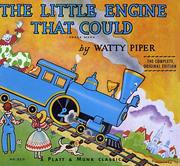
The Little Engine That Could
Watty Piper follows a stranded toy train past proud engines that refuse, to a small blue switcher who agrees to try the mountain and pulls her chanting load…
2,311-word summary · 10 min read
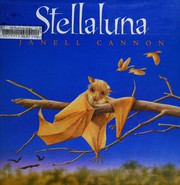
Stellaluna
A baby fruit bat falls into a bird nest, learns to perch and eat bugs, then reunites with her mother in Cannon's acclaimed 1993 picture book about difference…
2,486-word summary · 11 min read
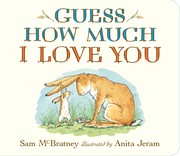
Guess How Much I Love You
Two nutbrown hares try to outshow their love at bedtime in this gentle picture book classic.
2,282-word summary · 10 min read