
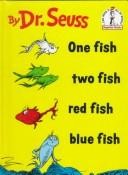
One Fish, Two Fish, Red Fish, Blue Fish
1,900-word summary 8 min read 72 pages in the book
- First published
- 1960
- Publisher
- Random House
- Pages
- 72
- ISBN
- 9780394800134
Reading options
What's inside (5 sections)
Some books teach reading. This one teaches joy in sound while counting. One Fish, Two Fish, Red Fish, Blue Fish by Dr. Seuss was first published March 12, 1960 by Random House, a 72 page hardcover with ISBN 9780394800134. Two kids, Jay and Kay, meet a crowd of silly creatures and count them. No plot to spoil. Just rhymes that build brains. I read it aloud to a four year old who corrected my Yink voice, which tells you who owns this book in most houses.
The frame is simple. From here to there, funny things are everywhere. The kids count fish. One fish. Two fish. Red fish. Blue fish. Then meet a Wump with seven humps, a Ying who sings, a Yink who drinks pink ink, a Gox who boxes, and a long list of others with jobs and jokes. Each page adds a number, an opposite, or a rhyme. Did you ever fly a kite in bed. Did you ever walk with ten cats on your head. The answer is no, but trying sounds fun.
What makes it work for beginners is control. Simple words. Repeated patterns. Pictures that show meaning when text is new. A child who cannot read fish can find red versus blue by color. A child who cannot count to eleven can point to each Nook on a hook. Seuss, who launched Beginner Books with The Cat in the Hat to fix dull primers, knew that motivation beats drills. Funny first. Skills follow.
Counting and opposites
The counting thread runs through without feeling like math. Two fish. Seven humps. Ten cats. Eleven fingers for counting, held up by a creature with too many. Kids point and count along, getting louder as numbers grow. The book never tests. It invites. Say. Look. Laugh. That low pressure is why teachers love it for preschool to second grade. Lexile 270L means early readers can manage with help, then alone.
Opposites get equal play. Big and small. Thin and fat. Here and there. Near and far. The Yop who likes to hop from finger top to finger top shows up and down. The Gox in socks in a box shows in and out. These are not vocabulary lists. They are games with pictures. A child learns far by seeing a creature wave from far away. The image sticks better than a flashcard.
Rhymes do the heavy lifting for sound. Fish, dish, wish. Humps, bumps, lumps. Ink, pink, drink. Seuss picks families and repeats with variation, which trains ears to hear parts. Kids chant along before they can read, which builds fluency later. My read aloud proved it. The four year old joined on the second repeat without prompting. By the fourth, she led. That is phonics as play, not worksheet.
A practical note for adults. Pace matters more than voices. Go slow enough for pointing. Pause before the rhyme so kids fill it. Do not correct every miss. Laugh at wrong counts and recount together. The book is designed for lap reading, not testing. If a page flops, skip to the Yink. No one will mind. There is no plot to lose.
Creatures and jobs
The middle crowd of creatures deserves attention because Seuss sneaks in social lessons with silliness. The Yink who drinks pink ink is a gentle warning about too much of a good thing. The Gox who likes to box in socks will get his socks knocked off, which is consequence without lecture. The Ying who sings and the Yop who hops show different talents celebrated equally. No one is best. Everyone is interesting.
Jobs appear in funny forms that normalize work. A man with a broom for sweeping. A cook with a look. A character with eleven fingers for counting. Kids see adults doing tasks with cheer, or at least with rhythm. That matters in a book for three to seven year olds watching parents work. Work can rhyme too.
The illustrations carry half the teaching. Loose lines. Bright blocks of red and blue. Creatures with expressive eyes that show feelings words do not name. A worried Nook. A proud Wump. Kids read faces before they read words. Point to eyes and ask how they feel. You will get stories back that surprise you. My listener said the Yink looked thirsty, not naughty. Fair. We got water after.
If there is a flaw, it is dated bits. A line about a Chinaman who eats with sticks has been revised in newer editions to a Chinaman? Actually recent editions changed it, but older copies still circulate. Check your copy. Modern Beginner Books edited that page. If yours has the old line, use it to talk about respectful words or get a new copy. Seuss books have legitimate critique on representation, and this one is mostly safe but not perfect. Read with eyes open.
Length suits laps. Seventy two pages sounds long, but many are single couplets with big pictures. Ten minutes at normal pace. Five if a child skips to favorites. The book ends circling home. From there to here, funny things are everywhere. Safe return after wild trip is the right close for small kids. Adventure, then bed.
What stays with me is not a moral but a method. Make sounds fun first. Count fish before worksheets. Rhyme Yink with pink before spelling tests. Children who giggle through this will pick up harder books with less fear. That is the whole Beginner Books bet, and it still pays. Launched in 1957 with The Cat in the Hat to fix boring primers, the series works because Seuss respected kids as audience, not pupils. Funny is not extra. It is the engine.
How to read it with small kids
It helps to treat this as a performance script rather than a story to get through, because pacing decides whether it lands. Start with the cover fish and ask what colors they see. Let them shout red and blue before you open. On each counting page, point slowly and let them touch each fish. Counting with fingers builds one to one correspondence that worksheets skip. If they lose count at seven humps, laugh and start over together. The book expects recounts. Wumps do not mind.
Voices help but consistency matters more than range. Give the Yink a thirsty whisper. Give the Gox a boxy bark. Keep them same every read so kids can anticipate and join. My listener waits for the Yink voice now and says the line before I turn the page. That anticipation is early reading. Print awareness grows when kids track left to right with your finger on rhymes. They learn that marks make sounds that make laughs.
Use the opposites pages for games off page. After reading about here and there, hide a fish toy here then there and ask where. After big and small, find big and small spoons. Transfer is the goal. Books teach words that kitchens practice. Seuss built these pairs for that move. Teachers call it vocabulary extension. Kids call it playing again. Both are right.
For wiggly readers, skip freely. No law says read cover to cover. Follow the finger pointing to Yop. Reread the Yink three times. Skip the map page if eyes glaze. The book has no plot to lose, which is freedom. End where laughter peaks, not where pages end. You can always revisit the Gox tomorrow. Leaving wanting more builds readers faster than finishing tired. Bedtime works best with three favorite pages instead of all seventy two. Let the child choose each night. Choice builds ownership and speeds sleep because control calms. Siblings of different ages can share without fights if you assign jobs. Big kid counts humps. Little kid points to red fish. Both shout the rhyme together. No one waits long for a turn because pages turn fast. That pace prevents the older from getting bored and the younger from getting lost. Teachers use the same trick in circles by letting each child own a creature voice. The room gets loud in the best way. My house does fish counting, then Yink, then home page. Same three nightly for a month. Repetition that would bore adults delights preschoolers. Brains wire through repeats. Trust the loop. If a child memorizes pages, celebrate it as reading. Reciting counts. Pointing counts. Turning pages at the right time counts. Those are pre reading skills that become reading when letters click. Seuss designed for this bridge. Funny first. Skills follow at the child pace, not the adult schedule. My listener now says the Yink page solo while I stir pasta nearby. That solo is the whole goal. A kid choosing to read without being asked, because the book feels like play. Keep a copy where small hands reach, not on a high shelf for best. Books that live near toys get chosen. Ones kept tidy get ignored. A chewed corner means it worked. Replace when falling apart and keep the old one for memory. My copy has teeth marks on the Gox page. I call it love damage. Grandparents reading over video can play too by pausing before rhymes so kids shout endings across screens. The delay makes it funnier. Record one reading for car rides. Kids love hearing their own voices count fish back. That playback builds fluency without a single worksheet. Play, repeat, ride. Librarians shelve this as the bridge book for a reason. After alphabet books and before Cat in the Hat, it teaches that print carries jokes across pages. Storytime crowds prove it weekly. Twenty kids shouting Yink at once is chaos that ends in giggles and holds attention longer than any lesson plan. Noise with rhythm teaches. Pair it with Goldfish crackers for counting snacks if you dare the crumbs. Sort red and blue piles before eating. The mess is worth the math. Kindergarten teachers do exactly this in February when energy spikes. Fish books plus fish snacks plus finger paint Yinks make a morning that kids remember in June. Joy sticks facts. End with the home page every time so adventure closes safe. From there to here and back to laps. That circle tells small kids that exploring ends in arms. Read it tired, read it silly, read it again tomorrow. The fish will wait. They always do, red and blue and patient as phonics, ready for tomorrow night too, very much.
A note on editions and age. The 72 page hardcover suits laps at three to seven. Board book versions cut pages for toddlers. Library bindings survive chewing. If your copy still has the old Chinaman line, note that newer printings revised it. Use the moment to talk about kind words or get the updated text. Seuss estate updated several lines in recent years. Check the copyright page for edition date if you care. Either way, focus on sounds and counting first. Lessons about respectful language can sit alongside joy without canceling it.
Read it aloud, not silently. Do voices but keep them consistent so kids can join. Let them turn pages. Let them count wrong and recount. Keep it where small hands reach. By the third read you will hear reciting from the next room while you cook. That is reading starting. Count it. One reader. Two readers. Red readers. Blue readers. All yours, from here to there.
FAQ
When was One Fish Two Fish published?
Random House published it March 12, 1960. It runs 72 pages and the hardcover ISBN is 9780394800134.
Is it part of a series?
No. It stands alone in Beginner Books, though the fish return in later Seuss worlds.
Similar books
The Cat in the Hat
A tall Cat turns a rainy day upside down for Sally and her brother, with Thing One and Thing Two in tow.
2,546-word summary · 11 min read
Go, Dog. Go!
Dogs drive, work, play, and climb a tree for a party in this Beginner Book built on repetition, opposites, and one very unpopular hat.
2,196-word summary · 10 min read
The Lorax
The Once-ler fells Truffula Trees for Thneed greed despite the Lorax, who speaks for the trees, warning him to stop.
2,563-word summary · 11 min read
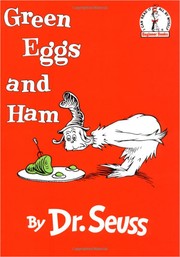
Green Eggs and Ham
Sam-I-Am will not stop asking until his friend tries green eggs and ham.
1,977-word summary · 9 min read

Make Way for Ducklings
A pair of mallards raise eight ducklings on the Charles River and lead them across Boston to the Public Garden, with a little help from a friendly policeman.
2,044-word summary · 9 min read

Amelia Bedelia
A literal-minded housekeeper follows her employer's list to disastrous and funny effect in the 1963 picture book that made wordplay a children's staple.
2,038-word summary · 9 min read
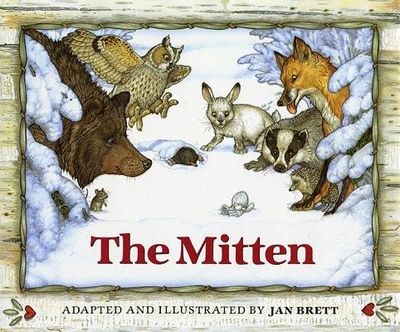
The Mitten
Jan Brett retells a Ukrainian folktale about a boy, a lost white mitten, and the woodland animals that crowd inside until a bear sneezes.
2,609-word summary · 12 min read
Clifford the Big Red Dog
Emily Elizabeth picks the smallest puppy in the litter, loves him as hard as she can, and wakes up to a dog the size of a house.
2,092-word summary · 9 min read
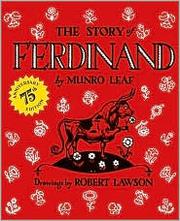
The Story of Ferdinand
A gentle Spanish bull would rather smell flowers than fight, and when he is taken to the bullring he simply sits down among the flowers in the ladies' hats.
2,135-word summary · 9 min read
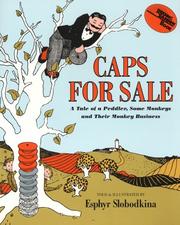
Caps for Sale
A peddler balances his caps on his head, naps under a tree, and wakes to find monkeys wearing his stock in this 1940 picture book.
2,787-word summary · 12 min read
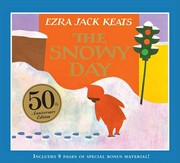
The Snowy Day
Peter in his red snowsuit explores fresh snow, from footprints and angels to a melted pocket snowball, in Keats classic winter day.
2,375-word summary · 11 min read
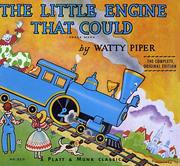
The Little Engine That Could
Watty Piper follows a stranded toy train past proud engines that refuse, to a small blue switcher who agrees to try the mountain and pulls her chanting load…
2,311-word summary · 10 min read
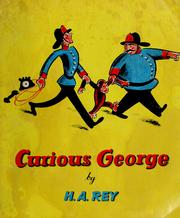
Curious George
Curious George retold: a monkey sails from Africa to the city, phones the fire station, floats off on balloons, and finds home.
2,979-word summary · 13 min read
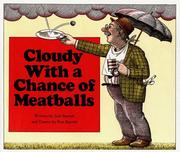
Cloudy with a Chance of Meatballs
A grandfather tells of Chewandswallow, where soup rains and meatballs fall, until giant food storms force everyone to flee.
2,873-word summary · 13 min read
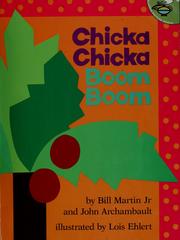
Chicka Chicka Boom Boom
Letters race up a coconut tree, tumble down with a boom, then climb again with help in this chant classic.
2,120-word summary · 9 min read
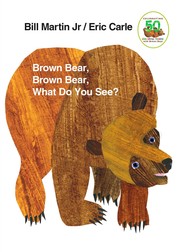
Brown Bear, Brown Bear, What Do You See?
A rhythmic animal parade teaches colors and names, from brown bear to schoolchildren.
3,226-word summary · 14 min read
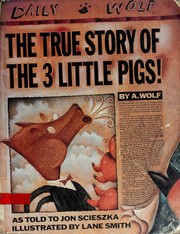
True Story of the Three Little Pigs
A. Wolf tells his side from the Pig Pen: he only wanted sugar for a cake, had a bad cold, and sneezed. You decide.
2,975-word summary · 13 min read
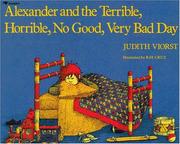
Alexander and the Terrible, Horrible, No Good, Very Bad Day
Alexander has one bad day from gum in his hair to bedtime, while his family copes and his mother stays honest.
2,548-word summary · 11 min read
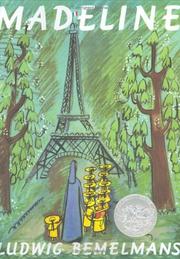
Madeline
Ludwig Bemelmans's 1939 Madeline: the twelve girls in Paris, Miss Clavel, the midnight appendix scare, and why the smallest girl became a classic.
2,944-word summary · 13 min read
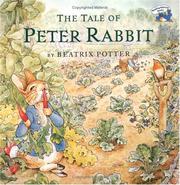
The Tale of Peter Rabbit
Peter Rabbit disobeys his mother, squeezes under the gate into Mr. McGregor garden, and ends in a chase back home to chamomile tea.
2,157-word summary · 10 min read
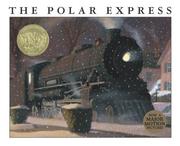
The Polar Express
A doubting boy rides a night train to the North Pole and keeps a bell only believers hear.
2,195-word summary · 10 min read
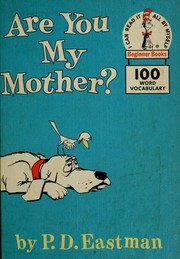
Are You My Mother?
A newborn bird falls from the nest and asks a kitten, a hen, a dog, a cow, a plane and a giant Snort if any will be his mother.
2,351-word summary · 10 min read
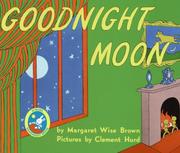
Goodnight Moon
A small bunny says goodnight to each object in the green room in this 1947 bedtime classic.
2,600-word summary · 12 min read
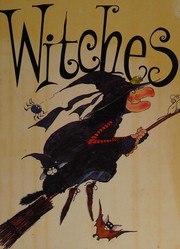
Witches
Colin Hawkins's rhyming picture book teaches small readers to spot witches, flaps and all.
2,783-word summary · 12 min read
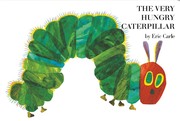
The Very Hungry Caterpillar
Eric Carle's hungry caterpillar eats through the week and turns into a butterfly: what the holes, counts, and days teach, and why kids still ask for it again.
2,413-word summary · 11 min read
Where the Wild Things Are
Maurice Sendak follows Max in his wolf suit from mischief to a forest of Wild Things, through the wordless rumpus and back home to supper waiting still hot…
2,585-word summary · 11 min read
The Giving Tree
A boy and a tree grow older together as he takes her apples, branches, and trunk until only a stump remains.
2,249-word summary · 10 min read
Horton Hears a Who!
An elephant protects tiny Whos on a clover while jungle mocks.
2,375-word summary · 11 min read
Oh, the Places You'll Go!
Seuss Sendoff follows life highs, slumps, and moving on with courage.
2,705-word summary · 12 min read
How the Grinch Stole Christmas!
The Grinch steals Who presents and learns Christmas means more than gifts.
2,998-word summary · 13 min read