
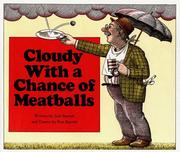
Cloudy with a Chance of Meatballs
2,873-word summary 13 min read 32 pages in the book
- First published
- 1978
- Publisher
- Atheneum Books for Young Readers
- Pages
- 32
- ISBN
- 9780689306471
Reading options
What's inside (8 sections)
I picked up Cloudy with a Chance of Meatballs because my nephew asked if it ever rained pizza. I said no, and he looked crushed, and then I remembered this book. Judi Barrett published it in 1978 with Atheneum Books for Young Readers. The standard edition runs 32 pages with ISBN 9780689306471, and Ron Barrett drew the pictures. That is the whole setup you need before you open it. A grandfather, two kids, and a town where dinner falls out of the clouds.
The grandfather is flipping pancakes when the story starts. One sticks, or flips wrong, and that small kitchen mess gives him an idea for a bedtime tale. His grandchildren Henry and Kate are there in pajamas, ready for sleep and ready to argue a little. He tells them about Chewandswallow, a tiny town far away that was ordinary in every way except one. The weather there arrived three times a day, at breakfast, lunch, and dinner, and you could eat it.
It came three times a day, at breakfast, lunch, and dinner.
That line does a lot of work. It tells kids when to expect the joke and it tells adults this will be a tall tale with rules. Chewandswallow had streets and houses and a school. People went to work. They just never went to the grocery store. Why would they. The sky fed them.
What I love on a reread is how seriously the book treats a silly idea. Grandpa does not wink every page. He explains how people lived. They kept plates and cups handy. They watched the morning sky the way we check for rain. If soup was forecast, they held out bowls. That deadpan tone lets kids laugh without being told when to laugh.
The pancake that starts the story
The frame matters more than people admit. Without Henry and Kate and their grandfather, Chewandswallow would feel random. With them, it feels like family lore.
Grandpa is the kind of storyteller who uses what is in front of him. Pancakes on the griddle become a bridge. You can almost hear him say, you think this is messy, let me tell you about real mess. Henry and Kate settle in. They interrupt in the way real kids do. They ask if it truly happened. He keeps going, which is exactly what good grandparents do. They do not answer with yes or no. They add another detail.
This also gives the book an exit later. Because it is a story inside a story, the ending can return to a quiet bedroom. That helps with scary parts. When food storms get rough, young listeners still feel held. Someone safe is talking. The lamp is on. Morning will come.
I read the opening to a five year old once and she stopped me to ask if Grandpa lived through it. I said I thought he made it up to explain pancakes. She nodded like that was obvious and said, grown ups always make things up about food. She was not wrong.
The frame also explains the title. Cloudy with a Chance of Meatballs sounds like a weather report. In Chewandswallow, that is literal. Breakfast might be sunny with a chance of orange juice. Dinner might bring meatballs with a rumble. Kids who have heard weather reports on television get the joke fast. Adults who pack lunches get it too. Imagine skipping the lunchbox because lunch might fall on your head.
Ron Barrett draws this opening in warm kitchen light. Pancake steam, a tilted pan, two kids with blankets. Then the palette widens when Chewandswallow appears. That shift tells readers we have entered the tale. I point it out during read aloud because it helps kids track where we are. Kitchen is now. Town is story.
Breakfast falling from the sky
Daily life in Chewandswallow is the funniest part, and Barrett takes her time with it.
It rained soup and juice. It snowed mashed potatoes and peas. Sometimes the wind blew in storms of hamburgers. Hot dogs arrived already in buns from the northeast. Eggs and bacon dropped gently for breakfast. Spaghetti drifted down for lunch. Lamb chops, pie, chicken legs, and cream cheese and jelly sandwiches all had their days. Soda and condiments fell as drizzle. One evening a golden mold of Jell-O set on the horizon like the sun going down.
People adapted. They left the house with dishes and silverware. Restaurants had no roofs, so cooks could catch food as it came. Kids learned to open umbrellas upside down to catch orange juice. That image, a girl sipping juice from an inverted umbrella, might be the most famous in the book. It works because it solves a real problem in a kid logical way. Cup too small. Umbrella big. Drink up.
Other gags build the world. A baseball game gets canceled on account of pie. Customers in the roofless restaurant dive across tables to grab a frankfurter covered in mustard. Nobody acts shocked. The town treats falling pie the way my town treats black ice. Annoying, sometimes funny, part of life.
What makes this section sing for young readers is repetition with small changes. Breakfast, lunch, dinner. Rain, snow, wind. Each meal brings a new food, but the pattern holds. Four year olds can chant along by the third spread. They guess what falls next. They shout out foods they hope for. One boy I read with kept asking for donuts. When donuts never came, he decided Chewandswallow had bad weather planning.
There is also a quiet lesson about plenty without preaching. Nobody shops. Nobody cooks much. Nobody worries about empty shelves. At first that feels like paradise. Then you start to notice what is missing. No gardens. No recipes passed down. No corner store where neighbors chat. The book never says this out loud. It just shows a town that eats well and does little else around food. Older readers catch that before kids do.
I should say the foods are very 1970s American. Mashed potatoes, peas, hamburgers, hot dogs, Jell-O. A child raised on dumplings or lentils or tacos might wonder why the sky never drops those. That is fair. I tell kids the sky over Chewandswallow only knew what Grandpa liked for dinner. It gets a laugh and it reminds us who is talking.
When the weather turns mean
About halfway through, Grandpa changes tone. The portions grow. The weather sours. This is where the title pays off.
It starts with excess. Pancakes as big as roofs land with syrup that floods streets and sticks to doors. Peas the size of fists dent cars. A tomato tornado spins through and tears up houses. A day of nothing but overcooked broccoli makes everyone groan. School closes because the building cannot be reached. Storms of giant hamburgers and meatballs batter roofs. Walls crack. People run with platters over their heads, which stops being funny when the platter bends.
Barrett paces this well for a 32 page book. She does not linger on any single disaster. One spread per calamity, each larger than the last. Kids feel the climb. Uh oh becomes oh no becomes we have to go. The pictures do heavy lifting here. Ron Barrett shows tilted houses, sagging wires, streets filled with oatmeal or soup, citizens slipping and sliding. Faces stay calm enough that it never tips into horror. Worry, yes. Terror, no.
The broccoli day deserves a note because every child reacts to it. After pancakes and pie, a whole day of soggy green mush feels like punishment. My nephew said, I would leave town too if that was dinner. That is the point. Chewandswallow stops being delicious. It becomes monotonous and unsafe in the same week. Even favorite foods turn grim when they fall too hard and too often.
There is a practical question kids always ask. Why not store the extra. Why not share. The book answers by showing scale. You cannot store a pancake that covers a house. You cannot share soup that floods the school. The town tries to cope at first. Then coping fails. That arc mirrors real storms. People joke, then adjust, then admit they need help.
Some parents worry this middle section frightens toddlers. In my experience, most four and five year olds handle it because Grandpa voice stays steady. He reports damage the way a neighbor reports hail. Roof broke. Street closed. We left. If your child startles easily, keep your voice light and turn pages a touch faster here. Linger on the funny escape instead.
One more thing worth naming. The book never blames anyone for the bad weather. No machine broke. No one polluted the sky. The sky simply changed. That can feel odd after the 2009 film, where inventor Flint Lockwood builds a machine that turns water into food and loses control of it. In the book, there is no inventor and no fix. People cannot repair the clouds. They can only decide what to do next. That choice gives the story more weight than I expected on reread.
Leaving town on sandwich sails
The escape is my favorite sequence, and it takes only a few pages.
The people of Chewandswallow build boats from giant sandwich bread and sail away. Peanut butter and jelly, or plain white loaves the size of hulls, become rafts and sails. They pack what they can carry. They watch their town shrink behind them, roofs patched with pie crust and streets sticky with syrup. They do not know exactly where they will land. They know they cannot stay.
I love this because it respects kids. Grandpa does not invent a clever machine to suck up extra meatballs. He lets people leave. That is a harder truth and a kinder one. Sometimes you outgrow a place. Sometimes a place stops being safe. You grieve and you go.
The new town is plain in the best way. It has ordinary weather. Rain is water. Snow is snow. Wind is wind. People buy food at supermarkets. They cook in kitchens. Children go to school without checking the sky for lunch. At first the newcomers miss the old ease. Then they like choosing meals. Then they stop talking about returning. The book says they never went back, and that finality lands.
Back in the bedroom, the story ends. Morning comes for Henry and Kate too. Snow falls outside their window, plain white snow that you cannot eat. One of them wonders, half asleep, if it might be mashed potatoes. Grandpa smiles. The lamp clicks off or breakfast starts, depending how you read the last picture. Either way, safety returns.
Read that ending slowly. Kids need the landing after the storms. I usually close the book, look out a real window, and ask what is falling today. Rain. Dust. Sun. Nothing tasty. We agree that is fine. We can make toast ourselves.
The sandwich boats also plant seeds for the sequel without forcing it. If bread can be a boat, what else can giant food do. That question leads straight into Pickles to Pittsburgh, published in 1997, where Kate dreams back to Chewandswallow with Henry as copilot. There they find huge carrots, lettuce jungles, tuna sandwiches moved by helicopter, and townspeople boxing food for hungry places elsewhere. A third book, Cloudy with a Chance of Meatballs 3 Planet of the Pies from 2013, sends the trio toward Mars and pie. The first book stands alone, but those follow ups give kids who want more a place to go.
What Ron Barrett draws that words cannot
Credit here belongs to Ron Barrett, who illustrated the book and set its comic logic.
He works in pen and ink with cross hatching, washed with soft color that feels like late 1970s print. People have round faces, raincoats, worried eyebrows. Buildings lean but never collapse into abstraction. Food looks specific. You can tell soup from juice by how it splashes. You can tell mashed potato snow from real snow by how it clumps on hats. That clarity matters because the joke only works if readers believe the physics for a second.
His best trick is scale. A normal man holds a normal umbrella under an abnormal meatball. A normal dog watches a hot dog as big as a canoe blow past. A normal classroom sits empty while pie seals the door. By keeping people plain, he makes food strange. Kids track danger by comparing sizes. Big versus mouth. Big versus house. Big versus boat. No captions needed.
Look at background jokes on rereads. Signs, hats stuck with peas, a cat licking syrup off steps, shoppers using pizza as shelter. These details reward pointing and let wiggly listeners stay engaged. I often ask, find the smallest food on this page, or find someone who is not scared. It turns a storm spread into a search game.
Barrett books have a history together. Judi Barrett wrote and Ron Barrett drew Animals Should Definitely Not Wear Clothing and several other titles. They met at Pratt Institute and married for a time, then continued as collaborators in print even after parting in life. You can feel that ease here. Text leaves room for pictures. Pictures add jokes text never mentions. Neither crowds the other.
The book landed on lists of top picture books and has sold millions of copies across editions. The 2009 Sony film and its 2013 follow up borrow the premise but replace this look with bright computer animation and a new hero.
Stay with the standard 32 page Atheneum layout when you can. Board book trims can crop the wide storm spreads where scale matters most.
How it reads aloud now
In a classroom or living room, this book still plays well for ages 4 to 8, preschool through grade three. The Lexile mark sits around AD730L and many schools list it near grade 4 for independent reading, but aloud it works younger because pattern carries meaning. Breakfast, lunch, dinner. Rain, snow, wind. Kids chant and predict.
Here is how I read it. Keep Grandpa warm and unhurried. Give Henry and Kate small distinct voices if you can, just enough to mark the frame. Pause after each food weather report and let kids name what they would catch. Use a bowl as a prop for soup rain. Flip an umbrella upside down for juice snow. Ham it up a little when the tomato tornado arrives, then soften for the boats. End quiet. Morning snow should feel calm.
Teachers can pull simple work from it without killing joy. Sequence meals and storms in order. Talk about wants versus needs when stores vanish. Conversation and drawing do more.
Now fair criticism, because no classic escapes it.
The plot is thin by design. Setup, feast, flood, flight. There is no villain to outwit and no puzzle to solve. Older kids, say eight or nine, may finish in one sitting and shrug. Pair it with a meatier read if they want plot. The sequel helps, since Pickles to Pittsburgh adds a dream structure and a job for the food, feeding distant towns.
Food waste humor has aged awkwardly. Streets flooded with soup while real families face empty shelves can feel off. The book never addresses hunger directly. The sequel tries to fix this by sending food to people who need it, and that helps in hindsight. When I read the original now, I add one line of my own. So much food wasted, I say, good thing they learn to shop and share later. Kids accept that bridge.
Gender and family roles look dated in spots. Mothers cook, fathers watch skies, Grandpa tells all tales. Ron Barrett crowds include varied faces for 1978, which I appreciate, but the central voices are a white grandfather and two kids. If your shelf leans heavily on books like this, balance with stories where grandmothers narrate and girls steer boats.
Some spreads frighten sensitive threes. Houses cracking under meatballs, crowds running, school shut. Keep lights up, keep laps close, remind them Grandpa is talking the whole time. Most kids rebound by the boats. If yours does not, shelve it for six months and try again. It will wait.
And the films confuse expectations. Kids who know Flint Lockwood and his food machine may ask where he is. Explain plainly that the movies borrow the title and the idea of food weather, then invent a new town called Swallow Falls and a new hero. The book came first, in 1978, and it stays with Henry, Kate, and Grandpa. Both versions can be fun without matching.
My nephew still asks for pizza rain. I tell him Chewandswallow tried that and had to move. He thinks this over, then asks for toast instead. We make it ourselves.
If you keep it on the shelf, keep the sequel nearby. After the last snow page, kids often want to know if Chewandswallow is still there under hardened Jell-O and giant peas. Pickles to Pittsburgh answers with a dream, a postcard, and helicopters lifting tuna sandwiches. It does not replace the first book. It extends the bedtime conversation one more night, which is all any good tall tale promises.
FAQ
When was Cloudy with a Chance of Meatballs published and how long is it?
It was first published in 1978 by Atheneum Books for Young Readers as a 32 page picture book with ISBN 9780689306471.
Who illustrates the book and what is Pickles to Pittsburgh?
Ron Barrett drew the pictures, using pen and ink with tonal color to stage the food weather gags. Pickles to Pittsburgh from 1997 brings Kate and Henry back for a dream return to Chewandswallow.
Is the 2009 film the same story?
No. The Sony film keeps the title and food weather idea but adds inventor Flint Lockwood and a machine that makes food fall. The book is a grandfather bedtime tale about Chewandswallow and an escape by sandwich boats.
Similar books
True Story of the Three Little Pigs
A. Wolf tells his side from the Pig Pen: he only wanted sugar for a cake, had a bad cold, and sneezed. You decide.
2,975-word summary · 13 min read
Alexander and the Terrible, Horrible, No Good, Very Bad Day
Alexander has one bad day from gum in his hair to bedtime, while his family copes and his mother stays honest.
2,548-word summary · 11 min read
Green Eggs and Ham
Sam-I-Am will not stop asking until his friend tries green eggs and ham.
1,977-word summary · 9 min read
Make Way for Ducklings
A pair of mallards raise eight ducklings on the Charles River and lead them across Boston to the Public Garden, with a little help from a friendly policeman.
2,044-word summary · 9 min read
Amelia Bedelia
A literal-minded housekeeper follows her employer's list to disastrous and funny effect in the 1963 picture book that made wordplay a children's staple.
2,038-word summary · 9 min read
The Mitten
Jan Brett retells a Ukrainian folktale about a boy, a lost white mitten, and the woodland animals that crowd inside until a bear sneezes.
2,609-word summary · 12 min read
Clifford the Big Red Dog
Emily Elizabeth picks the smallest puppy in the litter, loves him as hard as she can, and wakes up to a dog the size of a house.
2,092-word summary · 9 min read
The Story of Ferdinand
A gentle Spanish bull would rather smell flowers than fight, and when he is taken to the bullring he simply sits down among the flowers in the ladies' hats.
2,135-word summary · 9 min read
Go, Dog. Go!
Dogs drive, work, play, and climb a tree for a party in this Beginner Book built on repetition, opposites, and one very unpopular hat.
2,196-word summary · 10 min read
Caps for Sale
A peddler balances his caps on his head, naps under a tree, and wakes to find monkeys wearing his stock in this 1940 picture book.
2,787-word summary · 12 min read
Don't Let the Pigeon Drive the Bus!
A bus driver leaves the reader in charge with one rule, and a very persuasive pigeon spends the rest of the book trying to break it.
2,084-word summary · 9 min read
Horton Hears a Who!
An elephant protects tiny Whos on a clover while jungle mocks.
2,375-word summary · 11 min read
The Snowy Day
Peter in his red snowsuit explores fresh snow, from footprints and angels to a melted pocket snowball, in Keats classic winter day.
2,375-word summary · 11 min read
The Little Engine That Could
Watty Piper follows a stranded toy train past proud engines that refuse, to a small blue switcher who agrees to try the mountain and pulls her chanting load…
2,311-word summary · 10 min read
Curious George
Curious George retold: a monkey sails from Africa to the city, phones the fire station, floats off on balloons, and finds home.
2,979-word summary · 13 min read
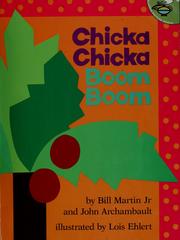
Chicka Chicka Boom Boom
Letters race up a coconut tree, tumble down with a boom, then climb again with help in this chant classic.
2,120-word summary · 9 min read
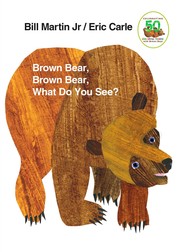
Brown Bear, Brown Bear, What Do You See?
A rhythmic animal parade teaches colors and names, from brown bear to schoolchildren.
3,226-word summary · 14 min read
One Fish, Two Fish, Red Fish, Blue Fish
Counting fish and silly creatures from here to there, with rhymes for beginning readers.
1,900-word summary · 8 min read
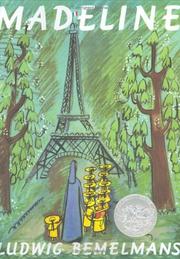
Madeline
Ludwig Bemelmans's 1939 Madeline: the twelve girls in Paris, Miss Clavel, the midnight appendix scare, and why the smallest girl became a classic.
2,944-word summary · 13 min read
The Tale of Peter Rabbit
Peter Rabbit disobeys his mother, squeezes under the gate into Mr. McGregor garden, and ends in a chase back home to chamomile tea.
2,157-word summary · 10 min read
The Polar Express
A doubting boy rides a night train to the North Pole and keeps a bell only believers hear.
2,195-word summary · 10 min read
Are You My Mother?
A newborn bird falls from the nest and asks a kitten, a hen, a dog, a cow, a plane and a giant Snort if any will be his mother.
2,351-word summary · 10 min read
The Lorax
The Once-ler fells Truffula Trees for Thneed greed despite the Lorax, who speaks for the trees, warning him to stop.
2,563-word summary · 11 min read
Goodnight Moon
A small bunny says goodnight to each object in the green room in this 1947 bedtime classic.
2,600-word summary · 12 min read
The Very Hungry Caterpillar
Eric Carle's hungry caterpillar eats through the week and turns into a butterfly: what the holes, counts, and days teach, and why kids still ask for it again.
2,413-word summary · 11 min read
The Cat in the Hat
A tall Cat turns a rainy day upside down for Sally and her brother, with Thing One and Thing Two in tow.
2,546-word summary · 11 min read
Where the Wild Things Are
Maurice Sendak follows Max in his wolf suit from mischief to a forest of Wild Things, through the wordless rumpus and back home to supper waiting still hot…
2,585-word summary · 11 min read
The Giving Tree
A boy and a tree grow older together as he takes her apples, branches, and trunk until only a stump remains.
2,249-word summary · 10 min read

Little Town on the Prairie
In the spring after the Long Winter, fifteen-year-old Laura sews shirts, studies for a teaching certificate, and helps send her blind sister Mary to college.
2,071-word summary · 9 min read
Click, Clack, Moo: Cows That Type
Cows learn to type, demand electric blankets, and go on strike in a deadpan picture book about negotiation and withheld labor.
2,617-word summary · 12 min read