
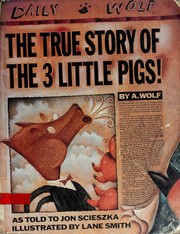
True Story of the Three Little Pigs
2,975-word summary 13 min read 32 pages in the book
- First published
- 1989
- Publisher
- Viking Books for Young Readers
- Pages
- 32
- ISBN
- 9780670827596
Reading options
What's inside (8 sections)
I picked up this book because a teacher friend kept talking about it at lunch. She said her second graders argued about it for a week. Not about the pictures, though the pictures give you plenty to argue about. They argued about whether the wolf was lying. That sold me. A 32 page picture book from 1989, published by Viking Books for Young Readers with illustrations by Lane Smith, that still starts fights in classrooms tells me the idea is doing something right. I read the traditional Three Little Pigs as a kid and never once wondered how the wolf felt about it. This book exists to fix that blind spot, and it does it with a straight face that makes the joke land harder.
The setup is simple and that is why it works for reading aloud. The narrator is A. Wolf, full name Alexander T. Wolf, and he is speaking to you from the Pig Pen, which is his name for prison. He says the papers got everything wrong. He says the television news got everything wrong. He was framed. What follows is his version, told the way a neighbor might tell it over a fence, polite at first and then a little annoyed that you ever believed otherwise. Scieszka keeps the sentences short and chatty. The wolf calls you friend. He asks you to hear him out. Kids pick up on the tone right away because it sounds like someone making excuses on the playground, which is exactly the point.
He starts with his granny. She was having a birthday and he wanted to make her a cake. A nice cake, he says, with sugar on top the way she liked it. But he was out of sugar. So he knocked on the door of his neighbor, who happened to be a pig, who happened to have built a house out of straw. This is where the book starts winking at adults. The wolf says he was just asking for a cup of sugar. He also says he had a terrible cold. His nose was running. He was sneezing. You can see where this is going, and Scieszka lets you get there half a beat before the wolf says it, which makes story time fun because the kids shout the answer before you turn the page.
The first house falls because the wolf sneezes. That is his story and he sticks to it. A great big sneeze, straw everywhere, and the pig inside is dead in the collapse. The wolf says he felt awful about it. He also says he hated to let food go to waste, so he ate the pig. He frames this as practical. A hamburger is a hamburger, that kind of logic, delivered with total calm. This is the first moment where you have to decide what kind of book you are reading. A small child hears a silly accident. An older kid hears a grown up bending the truth with manners. I like that split. It gives the book a second life when you reread it a year later.
The second house goes much the same way, only with sticks instead of straw. The wolf says he walked over to the next neighbor, still trying to borrow sugar for the cake, still sneezing, and the same thing happened. Another sneeze, another collapse, another dead pig. He eats that one too. Here Scieszka is playing with repetition the way fairy tales always do. In the old story the wolf blows each house down on purpose and the pattern builds menace. Here the pattern builds suspicion. Once is an accident. Twice starts to look like a habit. The wolf never notices this problem, which is what makes him funny. He keeps insisting he is a sweet and misunderstood fellow while describing a trail of eaten neighbors. The gap between his words and the facts is the whole engine of the book.
By the time he reaches the third pig, the mood shifts. This pig has built a house of bricks. Solid. Sensible. The wolf knocks and asks for sugar and the pig refuses to open up. The wolf says the pig was rude about it. Very rude, with insults aimed at his granny. While this argument is going on, the wolf is getting worked up, and his cold is getting worse, and he feels another sneeze coming. He huffs and he puffs in the way the old tale describes, but in his version the huffing is allergy and temper mixed together. The brick house does not fall. The pig stays inside and keeps talking. What happens next depends on how you read between the lines, and Scieszka is careful to let the wolf hurry past the details. The police show up. Reporters show up. The next thing the wolf knows he is in the Pig Pen, photographed and written up as the Big Bad Wolf.
That rushed ending is deliberate. The wolf claims the press turned a sick wolf with a baking project into a monster. He says the story about huffing and puffing and blowing houses down on purpose is Pig propaganda. He points out, reasonably enough, that wolves eat pigs the way people eat burgers, so why the outrage. Then he leans toward the reader and asks who you are going to believe. Him, or a bunch of pigs with a good publicist. The book stops there. No moral printed in big letters. No wink from the author stepping in to explain. You close it and you are supposed to argue about it. My teacher friend was right. That open door is the reason classrooms keep coming back to it.
Why the wolf voice carries the book
The smartest choice Scieszka made was letting the wolf talk like a person writing a letter to the editor. He is polite. He calls himself Al in a friendly way. He apologizes for things that do not need apologies and glosses over things that absolutely do. He worries about his reputation. He mentions his granny the way someone might mention a churchgoing grandmother to prove he comes from a good family. Kids recognize this voice even if they cannot name it. It is the voice of someone who did the thing and wants credit for good intentions anyway.
That voice also teaches something without turning into a lesson. When you read the traditional tale, the narrator is invisible and neutral and you trust it. Here the narrator is a suspect with a motive. Young readers start asking questions they rarely ask about books. Does he leave parts out. Does he explain too much about the sugar and too little about the eating. Why does he remember every insult but forget how the third pig died. I watched a kid hear this read aloud once and interrupt to say the wolf was skipping the bad part. That interruption is worth more than a worksheet on point of view. The book hands you an unreliable narrator in a form a seven year old can spot, and it never uses that grown up phrase once.
There is a fairness to it too. The wolf gets to make his case fully before anyone corrects him. Scieszka never cuts away to a pig to fact check. That restraint is what makes the parody work. If the author stepped in to say the wolf was lying, the joke would deflate and the thinking would stop. By staying inside one voice from start to finish, the book trusts the reader to do the work. Some kids will side with the wolf completely. Some will call him guilty on page two. Both reactions keep the conversation going, which is more than most picture books manage.
What Lane Smith puts in the pictures
You cannot talk about this book without talking about Lane Smith, because half the jokes live in the art. The style is rougher and stranger than the soft watercolor look people expect from fairy tales. Faces are lopsided. The wolf wears a striped shirt and slacks and looks more like a tired suburban dad than a forest predator. The pigs have small sharp eyes. Backgrounds mix newspaper print, grainy photos, and smudged paint, so every page feels a little like a case file. When the wolf talks about the press twisting his story, the pictures back him up visually with headlines and flashbulbs crowding the frame.
Smith also hides jokes that reward slow looking. Wanted posters. Clippings about pig houses. A view of the wolf mid sneeze with his face scrunched and his paws flailing that always gets a laugh when you hold it up. The brick house looks genuinely solid, which matters, because the plot needs you to believe this pig planned ahead. The prison scenes at the start and end are grayer and tighter than the outdoor scenes, so the book feels like it opens and closes a cell door around the sunny middle. I am not an art critic, but I know what keeps kids pointing. They point at the newspapers. They point at the wolf in clothes. They point at the cake ingredients and argue about whether the cake was ever real.
The art does something else important. It keeps the darker parts from feeling scary. Two pigs die and get eaten, which sounds grim on paper, but Smith draws the aftermath in a cartoon register with no gore and lots of silliness. The wolf looks sheepish rather than savage. That choice lets the book play in kindergarten rooms without giving anyone nightmares, though I would still preview it for very sensitive three year olds. The pictures signal that this is a comedy about excuses, not a horror story about being hunted. Tone is hard to get right when the plot involves death, and the illustrations carry a lot of that weight.
How the parody fits the old tale side by side
If you grew up with the standard Three Little Pigs, this book reads like someone flipped the camera around. The beats line up on purpose. Straw, then sticks, then bricks. Knocking, then huffing, then trouble. In the old version the wolf is hunger and danger and the pigs learn to work hard and build well. Here the same events get new captions. The knock is a request to borrow sugar. The huff is a sneeze. The building lesson is still there in the background, the brick house stands, but the foreground is all about storytelling and blame. That is what makes it a parody rather than a sequel. It does not continue the story. It retells it from the other chair.
That structure is why teachers pair the two versions. Read the classic on Monday and this one on Tuesday and even quiet kids start comparing. Who tells each version. What does each narrator want you to think. Which details appear in both and which appear in only one. The straw house scene is perfect for this because both books agree a straw house fell. They disagree completely on why. That single disagreement opens up the idea that stories change with the teller, which is a large idea to walk into a primary classroom through such a small door. The book never lectures about media or spin. It just shows one wolf complaining about reporters, and kids connect the dots to cartoons and playground rumors on their own.
There is also a joke here for adults about crime stories. The wolf uses the language of someone caught and explaining. He was in the wrong place. Things got out of hand. The coverage was unfair. He has character witnesses, mainly his granny. Parents reading aloud at bedtime hear the echo of late night news interviews. Kids hear a wolf who really wants that cake to matter. Both audiences laugh at different lines on the same page, which is the mark of a picture book that lasts. Books that only amuse children wear out fast for the grown up holding them. This one gives the grown up a parallel track.
Reading it aloud and using it with kids
Read slowly and let the interruptions happen. That is my main advice. The best part of sharing this book is the moment a child objects, and they will. Pause when the wolf explains the second dinner. Ask what they think happened without pushing for the word lying. Some kids will say he is fibbing. Some will say the pigs were mean for not sharing sugar. Both answers show they are following the argument. The sneeze pages want big physical acting. Do the sniffle. Do the buildup. Let them shout the blow. Then drop your voice for the brick house pages, because the wolf gets testy there and the change in rhythm signals that the story is turning serious underneath the jokes.
For classrooms, the natural follow ups are talk and drawing rather than quizzes. Have kids retell a playground dispute from two sides. Have them draw the same hallway accident as told by each person involved. Compare a news style headline about the straw house with the wolf diary version. None of this needs fancy materials. The book already models the move. It shows one event with two captions, and kids can copy that frame with their own lives. I have also seen teachers use it to introduce words like excuse, alibi, and exaggeration in context, which sticks better than defining them cold. The wolf exaggerates his sweetness and minimizes the eating. Naming that pattern helps kids spot it elsewhere.
One practical note. The book assumes kids know the original tale. If they do not, the joke loses half its force. A child meeting straw houses for the first time will still enjoy the sneezing and the wolf in a shirt, but the pleasure of the flipped perspective needs the straight version first. So read the traditional story first or tell it quickly in your own words. Keep it short. Straw falls, sticks fall, bricks hold, wolf loses. Then open this one and say now hear his side. The contrast does the teaching for you.
Where it falls short and who should skip it
For all its charm, this is a thin book stretched over a strong idea, and I want to be honest about that. At 32 pages with very few sentences per page, the plot runs out fast. The first two houses follow nearly the same script by design, and on a third or fourth reread in one week, which is how young kids consume favorites, the middle can feel repetitive. A child who wants new events will get restless while an adult is still enjoying the voice. That is the trade of parody. The pleasure is in the angle, not in fresh action, so readers who prefer adventure may bounce off it after one pass.
The ending also divides people. Some love that it stops with the wolf asking for a verdict. Others find it abrupt, almost like the author ran out of pages. The fate of the third pig is handled so quickly that kids full of questions can feel brushed off. Did the wolf hurt him. Why did the police believe the pigs. What happened to the cake. The book treats those gaps as the joke, the wolf skipping what hurts his case, but a literal minded child may just feel confused. If your reader needs closure, plan to supply it in discussion rather than expecting the text to do it. Talk through what likely happened at the brick house and why the wolf will not say it plainly.
The art, strong as it is, will not please everyone. Smith loves collage, grain, and off kilter angles, and some pages look busy or murky compared with bright modern picture books. A few spreads pack in print and texture that can overwhelm a child who likes clean images. The wolf himself looks rumpled and a little seedy, which suits the joke but may put off adults shopping for sweet bedtime art. And while the tone stays comic, the premise still involves a character eating two neighbors and insisting it was fine. Most kids roll with it. A very young or sensitive listener might fixate on that part. For age three and under, I would wait a year.
None of that keeps me from recommending it. Short books get judged by whether their idea earns rereads and arguments, and this one does. It takes a tale every child knows, hands the microphone to the villain, and lets the pictures smirk while he talks. The result is funny on the first pass and sharper on the fifth, when kids start catching the holes in his story. Read the original first, read this one loud, and leave room at the end for the verdict. Guilty or framed, the discussion afterward is the real story, and that discussion is why a slim 1989 parody still sits on classroom shelves while hundreds of longer books from the same year have gone quiet.
A short note on the edition I used
The copy I am describing is the Viking Books for Young Readers hardcover from 1989, 32 pages, listed under ISBN 9780670827596, written by Jon Scieszka and illustrated by Lane Smith. That is the first edition shape most schools and libraries hold, and the page count covers the full picture book including the prison framing pages. Other reprints exist with different covers, but the text and the Smith art described here match that original Viking printing. If you pick up a paperback or a book fair copy, the words will read the same. Check the illustrator credit on the title page to make sure you are getting the Smith pictures, because they are half the experience.
FAQ
When was True Story of the Three Little Pigs published and who illustrated it?
Viking Books for Young Readers published it in 1989 with illustrations by Lane Smith. The hardcover runs 32 pages under ISBN 9780670827596.
What age is it for?
Yes for most readers ages 5 to 8, especially as a read aloud paired with the classic tale. Very young or sensitive children may fixate on the pigs being eaten.
What does the wolf say he wanted from the pigs?
A cup of sugar for his granny birthday cake, plus a terrible cold. His sneezes knock down the straw and stick houses, and only the brick house stands.
Similar books
The Mitten
Jan Brett retells a Ukrainian folktale about a boy, a lost white mitten, and the woodland animals that crowd inside until a bear sneezes.
2,609-word summary · 12 min read
Cloudy with a Chance of Meatballs
A grandfather tells of Chewandswallow, where soup rains and meatballs fall, until giant food storms force everyone to flee.
2,873-word summary · 13 min read
Alexander and the Terrible, Horrible, No Good, Very Bad Day
Alexander has one bad day from gum in his hair to bedtime, while his family copes and his mother stays honest.
2,548-word summary · 11 min read
The Stinky Cheese Man and Other Fairly Stupid Tales
Scieszka and Lane Smith take nine fairy tales apart, joke by joke, while Jack, the narrator, keeps losing the pages.
2,206-word summary · 10 min read
Make Way for Ducklings
A pair of mallards raise eight ducklings on the Charles River and lead them across Boston to the Public Garden, with a little help from a friendly policeman.
2,044-word summary · 9 min read
Amelia Bedelia
A literal-minded housekeeper follows her employer's list to disastrous and funny effect in the 1963 picture book that made wordplay a children's staple.
2,038-word summary · 9 min read
Clifford the Big Red Dog
Emily Elizabeth picks the smallest puppy in the litter, loves him as hard as she can, and wakes up to a dog the size of a house.
2,092-word summary · 9 min read
The Story of Ferdinand
A gentle Spanish bull would rather smell flowers than fight, and when he is taken to the bullring he simply sits down among the flowers in the ladies' hats.
2,135-word summary · 9 min read
Go, Dog. Go!
Dogs drive, work, play, and climb a tree for a party in this Beginner Book built on repetition, opposites, and one very unpopular hat.
2,196-word summary · 10 min read
Caps for Sale
A peddler balances his caps on his head, naps under a tree, and wakes to find monkeys wearing his stock in this 1940 picture book.
2,787-word summary · 12 min read
Don't Let the Pigeon Drive the Bus!
A bus driver leaves the reader in charge with one rule, and a very persuasive pigeon spends the rest of the book trying to break it.
2,084-word summary · 9 min read
The Complete Fairy Tales
Mermaids, snow queens and tin soldiers in the full Andersen collection.
2,414-word summary · 11 min read
Horton Hears a Who!
An elephant protects tiny Whos on a clover while jungle mocks.
2,375-word summary · 11 min read
The Snowy Day
Peter in his red snowsuit explores fresh snow, from footprints and angels to a melted pocket snowball, in Keats classic winter day.
2,375-word summary · 11 min read
The Little Engine That Could
Watty Piper follows a stranded toy train past proud engines that refuse, to a small blue switcher who agrees to try the mountain and pulls her chanting load…
2,311-word summary · 10 min read
Curious George
Curious George retold: a monkey sails from Africa to the city, phones the fire station, floats off on balloons, and finds home.
2,979-word summary · 13 min read
Chicka Chicka Boom Boom
Letters race up a coconut tree, tumble down with a boom, then climb again with help in this chant classic.
2,120-word summary · 9 min read
Brown Bear, Brown Bear, What Do You See?
A rhythmic animal parade teaches colors and names, from brown bear to schoolchildren.
3,226-word summary · 14 min read
One Fish, Two Fish, Red Fish, Blue Fish
Counting fish and silly creatures from here to there, with rhymes for beginning readers.
1,900-word summary · 8 min read
Madeline
Ludwig Bemelmans's 1939 Madeline: the twelve girls in Paris, Miss Clavel, the midnight appendix scare, and why the smallest girl became a classic.
2,944-word summary · 13 min read
The Tale of Peter Rabbit
Peter Rabbit disobeys his mother, squeezes under the gate into Mr. McGregor garden, and ends in a chase back home to chamomile tea.
2,157-word summary · 10 min read
The Polar Express
A doubting boy rides a night train to the North Pole and keeps a bell only believers hear.
2,195-word summary · 10 min read
Are You My Mother?
A newborn bird falls from the nest and asks a kitten, a hen, a dog, a cow, a plane and a giant Snort if any will be his mother.
2,351-word summary · 10 min read
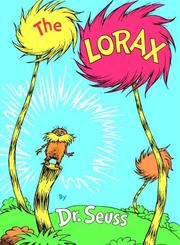
The Lorax
The Once-ler fells Truffula Trees for Thneed greed despite the Lorax, who speaks for the trees, warning him to stop.
2,563-word summary · 11 min read
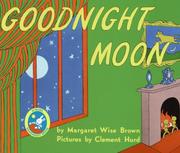
Goodnight Moon
A small bunny says goodnight to each object in the green room in this 1947 bedtime classic.
2,600-word summary · 12 min read
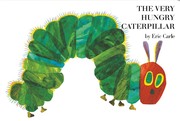
The Very Hungry Caterpillar
Eric Carle's hungry caterpillar eats through the week and turns into a butterfly: what the holes, counts, and days teach, and why kids still ask for it again.
2,413-word summary · 11 min read
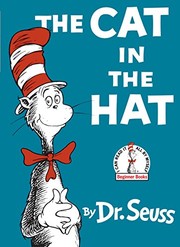
The Cat in the Hat
A tall Cat turns a rainy day upside down for Sally and her brother, with Thing One and Thing Two in tow.
2,546-word summary · 11 min read
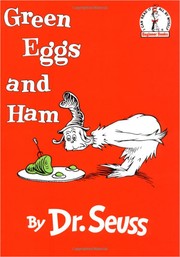
Green Eggs and Ham
Sam-I-Am will not stop asking until his friend tries green eggs and ham.
1,977-word summary · 9 min read
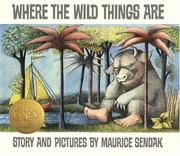
Where the Wild Things Are
Maurice Sendak follows Max in his wolf suit from mischief to a forest of Wild Things, through the wordless rumpus and back home to supper waiting still hot…
2,585-word summary · 11 min read
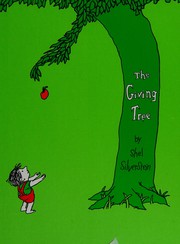
The Giving Tree
A boy and a tree grow older together as he takes her apples, branches, and trunk until only a stump remains.
2,249-word summary · 10 min read