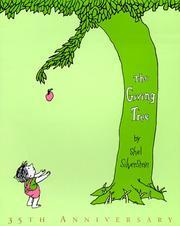
The Giving Tree
2,249-word summary 10 min read 64 pages in the book
- First published
- 1964
- Publisher
- Harper & Row
- Pages
- 64
- ISBN
- 9780060256654
Reading options
What's inside (8 sections)
I came back to The Giving Tree as an adult because I remembered it as sweet and short, the kind of book you finish in ten minutes. Reading it again after seeing it in classrooms felt different. The lines are still simple. The drawings are still scratchy and bare. But the story sat heavier. A boy takes and takes, a tree gives and gives, and both of them call that love. I finished it in one sitting on a couch and then sat there a while, unsure whether I had read a story about kindness or a warning about giving too much. That unease is why the book has stayed in print since 1964 and why people still argue about it.
A boy who climbs and a tree who waits
The book opens with a tree who loves a little boy. He comes every day. He climbs her trunk, swings from her branches, eats her apples, and sleeps in her shade. The tree is happy. Silverstein draws this early play with loose lines. The boy is small and round headed, the tree has a smiling face and a thick trunk, the shade is just a few curved strokes. There is no color. The pages have a lot of white space, which makes the pair look alone in the world together.
The boy grows. One day he comes and the tree says come and play, but he says he is too big to climb and play. He wants money. He wants things he can buy and a life beyond the hill. The tree says she has no money, only apples and branches and shade. She tells him to take her apples and sell them in the city. Then he will have money and he will be happy. He climbs up, gathers the apples, carries them away, and does not return for a long time. The tree is sad.
Years pass in a few page turns. The boy returns as a young man. He wants a house to keep him warm, a wife, children. The tree offers her branches. Cut them off, she says, and build a house. He does. He cuts the branches and carries them away to build something off the page. He stays away again. Later he returns, older still, tired in a different way. He wants a boat to take him far away. The tree has no boat, only her trunk. She tells him to cut it down and make a boat. He does. He cuts the trunk, makes a boat, and sails away. What is left is a stump. The tree is happy, the text says, but not really.
At the end an old man comes back. The tree says she has nothing left. No apples, no branches, no trunk. She cannot climb or shade him. He says he does not need much now. No teeth for apples, too old to swing, too tired to travel. He wants a quiet place to sit and rest. The tree offers the stump. He sits. The tree is happy. The last drawing shows the boy, now bent and small again, sitting on the stump beside the curved trunk remnant. It is tender and bleak at the same time, which is why classrooms go quiet after the final page.
How the book reached print
Silverstein was known in the early 1960s for cartoons and songs, not for gentle picture books. He brought the manuscript to publishers who turned it down because it did not look like other books for children. It was too sad, too spare, too strange in its view of love. Harper and Row took it in 1964 after editor Ursula Nordstrom backed it. She had a record of trusting odd voices. The first edition had the same black and white line art Silverstein drew himself, with minimal text set in a typewriter style face. It was 64 pages, most of them with one or two short sentences.
Sales were slow at first, then steady, then huge. Teachers and librarians kept it in circulation. Parents who had grown up with it bought it for their own children. By the 1970s and 1980s it was a staple gift for graduations, retirements, Mother's Day, and Father's Day, often read as a story of parent love. Silverstein, who guarded his privacy and rarely explained his work, let readers argue. He did not give interviews that settled the meaning. He performed songs, drew cartoons, wrote other books like Where the Sidewalk Ends, and left The Giving Tree to speak for itself.
The physical design helped. The book is tall and narrow. The drawings look quick, almost unfinished, with cross hatching for shade and simple curves for the trunk. There is no background detail to distract. A hill, a tree, a boy. That emptiness forces the reader to focus on the exchange. When the trunk is cut, the page shows the stump with a single sad face. Children notice the face before they notice the words. Adults notice the words “and the tree was happy” repeated after each loss and start to question what happy means here.
Generosity or a pattern that harms
The main debate is simple to state and hard to settle. Is the tree a model of selfless love, or is she trapped in a bond where one side gives everything and the other only takes? Readers who grew up with giving parents often see their mother or father in the tree. They read the apple scene as sacrifice for education, the branch scene as help with a home, the trunk scene as help with freedom. In this reading the stump ending is peaceful. The tree has done her job. The boy rests. Love completes itself.
Other readers, including many teachers and therapists, see something darker. The boy never says thank you. He only returns when he wants something. The tree never says no, never asks for care, never rests. Her happiness after each cutting sounds forced, like someone telling herself a story to survive loss. In this reading the book is a portrait of one sided care. It shows how a kind giver can disappear piece by piece while a taker calls it normal. The boy is not evil. He is busy, needy, human. But the cost is plain on the page. A full tree becomes a stump.
Both readings have textual support, which is rare for a book with so few words. The tree uses the language of joy. She loves the boy. She wants him to be happy. Yet Silverstein draws her smaller and smaller. Her smile fades. The stump at the end cannot hug or shade. The boy also shrinks in a different way. He starts full of motion and ends still. He gains money, a house, a boat, but loses the daily play that once made him glad. The book never tells the reader which loss is larger. It leaves that weighing to us, and that openness explains why the same pages can make one person cry with thanks and another feel angry at the boy.
There is also a reading about nature. The tree is a real tree. Apples, branches, trunk. Human growth uses forests for food, lumber, and ships. The story follows that use to its end. A living thing becomes products, then a stump to sit on. Children who read it after a walk in the woods often grasp this first. They ask why he did not plant another tree. They ask who waters the stump. Those questions open talks about care for living things that no lecture can match.
Lines, faces, and white space
Silverstein's art style matters more here than in his poetry books. The line is rough and fast, with varied weight. Trunk bark is suggested with a few vertical strokes. Leaves are small ovals when they appear at all. After the branches are cut, the tree is a tall bare pole with a face. After the trunk is cut, only a short stump with roots remains. The boy is drawn just as plainly. Round head, simple shirt, pants that get longer as he ages. His face shows want more than joy in the middle pages. His posture slumps at the end.
The lack of color is a choice that keeps the tone serious. Many picture books from 1964 used bright washes to cheer children. This book refuses that comfort. Black ink on white paper feels like a fable. The white space around the figures grows as the tree shrinks, which makes the loss visual. One page shows the boy walking away with branches, small on a wide blank field. Another shows the boat sailing off, tiny against water lines. The reader feels distance.
The text rhythm is also spare. Short declarative sentences. Repetition of come, take, happy, sad, rest. The phrase about the tree being happy returns like a chorus that changes meaning each time. First it feels true. Later it feels strained. By the final page it feels like acceptance mixed with grief. Silverstein trusts children to hear that shift without explanation. He does not add a moral. There is no narrator who steps in to say share wisely or say thanks. The story simply shows an action and a result, again and again, until sitting is all that is left.
Come, Boy, sit down. Sit down and rest.
That closing invitation is the only gift that does not diminish the giver. A stump can still hold a person. Whether that is enough is the question Silverstein leaves open.
What drags and what to watch for
For all its fame, the book has fair criticisms. The repetition that gives it power can feel flat on rereading to some adults. The middle visits follow the same beat. Boy wants, tree offers, boy takes, tree waits. Without new language, the pattern can tire a reader who wants more story. The boy also never gains interior life. We do not know his name, his family, his work, or his thoughts when he is away. That blankness serves the parable but limits attachment. Some children find him hard to like, which makes the tree's devotion harder to accept.
The gender pattern troubles many modern readers. The tree is called she and gives without limit. The boy is called he and takes without thanks. Read as a story about mothers and sons, or wives and husbands, it can seem to praise women for erasing themselves. Teachers who love the book often name this directly rather than hide it. They ask who gives and who takes in families, and whether love should have limits. The book works best when that talk happens, not when the story is presented as a simple rule to copy.
Age fit is another concern. The cover says picture book, so buyers expect a cheerful bedtime read for ages four to six. The ending can confuse or sadden small children who expect the tree to grow back. It helps to read it first alone, then decide how to frame it. For very young listeners, focus on naming apples, branches, trunk, and stump, and on noticing feelings in faces. For ages seven and up, the debate about thanks and limits lands better. For teens and adults, the parent child reading hits hardest. The book is short enough to reread in one class period, which is a strength if discussion follows.
In classrooms and at home
Teachers use the book in several concrete ways. A common lesson pairs the story with a seed planting project. Children plant beans, track growth, and talk about what trees need. Another lesson asks students to retell the arc in order with drawings of their own. Apples for youth, branches for building, trunk for travel, stump for rest. That sequencing builds memory and shows cause and effect. A third lesson focuses on point of view. Students rewrite a scene as the tree or as the boy, adding the thoughts Silverstein leaves out. The rewrites reveal how differently children judge the same taking.
At home the book works as a conversation starter rather than a bedtime soother. After reading, parents can ask when giving feels good and when it feels too much. They can ask what the boy could have done besides take. Could he have pruned instead of cut? Could he have visited without wanting? Could he have planted a new tree by the stump? None of those ideas are in the text, which is the point. The text creates space for the family to supply them. Many families also talk about saying thanks. The boy's silence is striking. Noticing it helps children practice gratitude in real life.
I do not read the ending as purely happy or purely tragic. I see a tree who loves in the only way she knows, and a boy who learns rest too late to enjoy play. The stump can hold him, but it cannot climb with him. That image stays with me more than any moral. If you bring this book to a child, bring time to talk after. Ask what felt fair, what felt sad, what they would do with apples and branches. The 64 pages will take ten minutes to read and much longer to sort through. That ratio of brief text to long thought is why the book endures, and why it still sparks sharp disagreement more than sixty years after Harper and Row first printed those spare black lines.
FAQ
What happens in The Giving Tree?
A tree loves a boy who climbs her, eats her apples, and rests in her shade. As he grows, he takes her apples to sell, her branches to build, and her trunk for a boat, until he rests on her stump as an old man.
Is The Giving Tree for very young children?
It is sold as a picture book for ages four and up, but many of its themes about giving and loss are discussed more deeply with older children and adults.
Why is the book controversial?
Some readers see selfless love in the tree, while others see a boy who keeps taking without thanks and a tree who never sets limits.
Similar books
More like The Giving Tree →
The Lorax
The Once-ler fells Truffula Trees for Thneed greed despite the Lorax, who speaks for the trees, warning him to stop.
2,563-word summary · 11 min read

Goodnight Moon
A small bunny says goodnight to each object in the green room in this 1947 bedtime classic.
2,600-word summary · 12 min read

The Very Hungry Caterpillar
Eric Carle's hungry caterpillar eats through the week and turns into a butterfly: what the holes, counts, and days teach, and why kids still ask for it again.
2,413-word summary · 11 min read

The Cat in the Hat
A tall Cat turns a rainy day upside down for Sally and her brother, with Thing One and Thing Two in tow.
2,546-word summary · 11 min read

Where the Wild Things Are
Maurice Sendak follows Max in his wolf suit from mischief to a forest of Wild Things, through the wordless rumpus and back home to supper waiting still hot…
2,585-word summary · 11 min read

A Light in the Attic
Silverstein's attic poems and line drawings turn chores, monsters, and homework into jokes and small rebellions.
2,998-word summary · 13 min read