
Chicka Chicka Boom Boom
2,120-word summary 9 min read 40 pages in the book
- First published
- 1989
- Publisher
- Simon & Schuster Books for Young Readers
- Pages
- 40
- ISBN
- 9780671679491
Reading options
What's inside (12 sections)
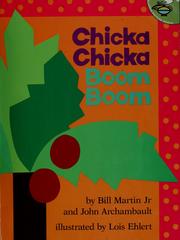
I read Chicka Chicka Boom Boom aloud to a four year old who demanded it three times in a row. Bill Martin Jr. and John Archambault published it in 1989 with Simon and Schuster Books for Young Readers, illustrated by Lois Ehlert. My reading follows the 40 page hardcover. It is a picture book, not a novel, but the site treats it as a book to summarize, so I will tell how it works, why children love it, and what I noticed on repeats.
The story is one chant. A told B and B told C, I will meet you at the top of the coconut tree. Then all the letters race up. D, E, F, G, H in a rush. The tree bends. Chicka chicka boom boom. They fall in a pile. Skit skat skoodle doot. Flip flop flee. Mamas and papas and uncles and aunts hurry to untangle. Then the sun goes down, the moon comes up, and A helps B and B helps C up the tree again for a gentler climb.
Why the chant sticks
The text is rhythm before plot. Short lines. Heavy beat. Repetition with small changes. Children learn it by ear before they learn letters by eye. The four year old with me chanted boom boom before she could name M.
Martin and Archambault built the chant from call and response and playground cadence. Lines like chicka chicka boom boom and skit skat skoodle doot are nonsense that feels like drums. They give mouths something to do. That physical joy matters. Reading becomes dancing.
Ehlert's art does half the teaching. Bold cut paper letters in bright colors climb a brown trunk against sky. Each letter has personality without faces. A is big and red. B is round. M is wobbly after the fall with a bandage. Bruises and Band Aids after the crash make children laugh and point. Look, P is hurt. That pointing is early reading.
A full read in real time
Reading aloud takes about five minutes, but repeats stretch it. First time through, I rushed the climb and the child gasped at the fall. Second time, she joined the alphabet list, shouting H I J K. Third time, she corrected me when I skipped Q R S.
The fall page is the peak. Letters tumble in a heap, sideways and upside down. You can ask, where is D. Where is your letter. The untangling pages, with family members arriving, let you count and name. Daddies and mommies climbing with ladders show care after chaos. That arc, race, crash, comfort, retry, is why the book works emotionally, not just as ABC drill.
Night comes, moon rises, owls watch. The second climb is slower, kinder, with A helping B. That ending teaches without lecture. Try again, help each other, no need to rush. The child with me patted A and said good. That unprompted kindness surprised me.
What it teaches and what it does not
It teaches letter names, order, upper case forms, and the idea that print moves left to right and top to bottom as you track the climb. Teachers use it for alphabet recognition, sounds at the start of words, prediction, and memory. The Lexile measure lists it around AD530L, suited to ages four to eight, preschool to grade three.
It does not teach lower case, phonics rules, or writing strokes. Some letters look stylized in collage, which can confuse beginners matching to classroom alphabets. The story has no problem to solve beyond the tumble, no villain, no moral beyond resilience and help. Children who want plot may ask why they climbed. The answer, because chant says so, satisfies most threes and fours and frustrates some sixes.
Length is right at 40 pages. Board editions run shorter at 36 pages with thicker pages for chewing. For a summary site used to 300 page novels, word count here refers to my retelling and context, not the book's 200 odd words. The value is in use, not text volume.
Reading tips from our floor
What helped us. Point under each letter as you say it, slowly on first read. Let the child shout boom. Pause before the fall and ask what will happen. After, find the child's initial in the pile. Name the hurt letters and kiss them better if your reader likes that game. On the night pages, whisper. The contrast delights.
What tired me. The chant sticks in adult heads for hours. Skit skat skoodle doot replayed while I cooked. Ehlert's colors are loud, which is great at noon and a lot at bedtime. The board book version's pages stick together with jam. Those are small costs.
I also noticed the family page can prompt talk. When aunts and uncles come, you can name your own helpers. Who helps you up when you fall. That question turned a silly reread into a sweet talk about grandparents. The book invites it without forcing.
Art and edition notes
Ehlert, a Caldecott Honor artist, made the book iconic with simple shapes. Coconut tree trunk textured brown, leaves green spikes, sky blue or black at night, letters saturated red, yellow, green, orange. There is no clutter. A child can find C even from across the room.
The first edition from Simon and Schuster Books for Young Readers in 1989 runs 40 pages with ISBN 9780671679491. Later editions include paperback, board, classroom sets. Text stays the same. Paper changes. If you buy, match format to age. Board for babies who throw, hardcover for preschool classrooms, paperback for backpacks.
Critics sometimes call it slight. It is slight on purpose. Its job is to make alphabet physical and fun. Compared to Brown Bear, also by Martin, which teaches colors and animals through repetition, Chicka is looser, louder, more about sound. Both reward rereading, but Chicka rewards shouting.
Authors, artist, and history
Bill Martin Jr., who wrote Brown Bear with Eric Carle, teamed with John Archambault, a poet and storyteller, to make a chant that moves like music. Lois Ehlert, who won Caldecott Honor for Color Zoo and made many collage picture books, cut the letters and tree from bright paper. Their combo, rhythmic text plus bold art, explains why the book lasted since 1989.
Martin spent decades writing for young children, testing lines aloud in classrooms. Archambault brought rhyme and performance. Ehlert brought design sense from art training and a love of nature shapes. When you read, you hear all three. Words bounce. Pictures pop. Pages turn on beat.
The book won spots on bestseller lists, Parent's Choice notice, and a permanent place in preschool curriculums. Teachers photocopy letters, sew felt trees, paint coconut trunks on walls. Children who can not yet tie shoes can chant it. That classroom afterlife matters more than prizes. A book that teachers trust for thirty years has passed the hardest test, daily use by tired adults and restless threes.
Editions matter for buyers. The original hardcover from Simon and Schuster Books for Young Readers in 1989 with ISBN 9780671679491 runs 40 pages. The paperback from Beach Lane Books runs similar with ISBN 9780689835681. Board books trim to 36 pages for small hands. Classroom sets add big books for circles. Text stays stable. Colors vary slightly by printing. If your copy looks a touch orange, it is ink, not memory.
I compared our library hardcover to a board copy at a friend's. Board pages crop a little art but survive chewing. Hardcover spreads breathe. For home with a baby and a preschooler, one of each is not silly. Let the baby gum board while the older tracks hardcover with a finger.
Sound, sight, and movement together
What makes Chicka different from other ABC books is integration. Many alphabet books show A apple, B ball. This one shows letters as characters with motion. A tells B to meet at the top. They climb. They fall. They hug. That narrative, thin as it is, gives order a reason. We climb in order because story says so.
Sound drives memory. The phrase chicka chicka boom boom mimics climbing and crashing. Skit skat skoodle doot mimics scramble. Flip flop flee mimics dusting off. Children learn these chunks as wholes before they segment letters. That whole to part path matches how language grows. First the song, then the words, then the names.
Sight supports sound. Ehlert places letters large, high contrast, on plain ground. No busy background to distract. Coconut tree trunk is central, leaves frame top. Fallen letters scatter but stay findable. Night pages darken to navy, moon pale, letters glowing a bit. That visual shift signals calm. Even without words, a child sees day rush and night rest.
Movement seals it. Our reader climbed couch arms as letters, fell onto pillows at boom, lined stuffed animals as family helpers. Teachers do similar with floor mats. That embodiment helps wiggly learners who can not sit for other books. If your child needs to move, let them. March the climb. Collapse at crash. Whisper the night climb while tiptoeing. The book invites theater.
For early writers, the book offers models without pressure. After reading, we traced A and B in air, then on paper with crayon. The collage shapes, with rough edges, forgive wobble. A child who fears perfect letters relaxes seeing Ehlert's handmade cuts. That permission matters. Letters are tools, not tests.
Criticisms worth naming
No book suits all. Some parents dislike the lack of lower case. Classrooms teach both cases, and Chicka shows mostly uppers. Pair it with a lower case book if that worries you. Some dislike the nonsense words, fearing confusion. In practice children sort nonsense from names quickly because rhythm marks the difference. They know boom is sound, B is name.
Some find the family rescue corny. Daddies and uncles rushing with ladders can feel dated in roles. Modern readings can name who helps in your house. Grandma with flashlight. Neighbor with blanket. The page shows a crowd, which helps. Point to all helpers, not just dads.
Length debates come up. Forty pages of chant can tire adults before children. If you are done at two reads and your child wants five, try alternating voices, skipping to favorite letters, or handing the boom to the child while you rest voice. The book survives abridging aloud. It was built for play, not strict recital.
Finally, the crash can scare very young twos. Loud boom plus tumble faces. Our two year old nephew startled first time. Second time, warned, he laughed. Preview the fall with a soft voice, show bandaged letters as cared for, and keep a hand ready. Most children move from startle to delight quickly when an adult stays calm and playful.
How we use it across a week
Monday we read for fun, no teaching, just chant and fall. Tuesday we hunted for first letters of names in the pile. Wednesday we built a tree from a paper towel roll and leaf cutouts, climbing magnetic letters until it toppled. Thursday we whispered night pages before bed. Friday we counted letters, grouped by color, sorted hurt versus fine.
That week taught more than alphabet. It taught prediction, counting, color names, care for hurt friends, turn taking. None required worksheets. All came from repeat and talk. For busy families, that low prep value is gold. One book, five days, no printer.
Librarians told me similar. Story time with Chicka works because children participate without prompting. Shout the boom. Find your letter. Pantomime bandages. Even shy kids join by third repeat. For mixed age groups, older kids chant while babies clap. Everyone has a job.
If you track milestones, note what your child does. Points to A unasked. Says B sound. Recites order to G. Helps turn pages gently. Those small wins show growth. The book makes them visible because structure repeats. Same tree, same climb, clearer voice each time.
Who should climb
Give it to babies through kindergarten, to new readers learning order, to teachers needing a five minute chant that burns energy before lunch. It suits bedtime if your house likes noise before sleep, and circle time if you have a pointer stick. Do not give it to older kids seeking story. Pair it with magnetic letters and a cardboard tree. Act it out.
At 40 pages we read it three times in twenty minutes, then again next morning. The letters start racing and end helping. That shift, from race to care, is small and real. My reader now says chicka boom when she stacks blocks too high. The tower falls. She laughs. She rebuilds with help. That is the whole book in a living room, and it is enough.
FAQ
When was Chicka Chicka Boom Boom published?
Simon and Schuster Books for Young Readers published it in 1989, illustrated by Lois Ehlert. The hardcover runs 40 pages and the ISBN is 9780671679491.
Who wrote and illustrated it?
Bill Martin Jr. and John Archambault wrote the rhythmic text and Lois Ehlert made the cut paper art with bold collage letters.
What age is it best for?
Ages 4 to 8, preschool to grade three. It teaches letter names and order through chant, pointing, and repeat reading aloud.
Similar books
Make Way for Ducklings
A pair of mallards raise eight ducklings on the Charles River and lead them across Boston to the Public Garden, with a little help from a friendly policeman.
2,044-word summary · 9 min read
Amelia Bedelia
A literal-minded housekeeper follows her employer's list to disastrous and funny effect in the 1963 picture book that made wordplay a children's staple.
2,038-word summary · 9 min read
The Mitten
Jan Brett retells a Ukrainian folktale about a boy, a lost white mitten, and the woodland animals that crowd inside until a bear sneezes.
2,609-word summary · 12 min read
Clifford the Big Red Dog
Emily Elizabeth picks the smallest puppy in the litter, loves him as hard as she can, and wakes up to a dog the size of a house.
2,092-word summary · 9 min read
The Story of Ferdinand
A gentle Spanish bull would rather smell flowers than fight, and when he is taken to the bullring he simply sits down among the flowers in the ladies' hats.
2,135-word summary · 9 min read
Go, Dog. Go!
Dogs drive, work, play, and climb a tree for a party in this Beginner Book built on repetition, opposites, and one very unpopular hat.
2,196-word summary · 10 min read
Caps for Sale
A peddler balances his caps on his head, naps under a tree, and wakes to find monkeys wearing his stock in this 1940 picture book.
2,787-word summary · 12 min read
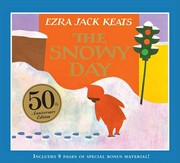
The Snowy Day
Peter in his red snowsuit explores fresh snow, from footprints and angels to a melted pocket snowball, in Keats classic winter day.
2,375-word summary · 11 min read
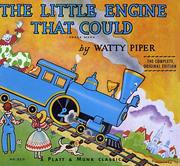
The Little Engine That Could
Watty Piper follows a stranded toy train past proud engines that refuse, to a small blue switcher who agrees to try the mountain and pulls her chanting load…
2,311-word summary · 10 min read
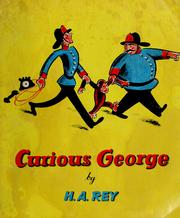
Curious George
Curious George retold: a monkey sails from Africa to the city, phones the fire station, floats off on balloons, and finds home.
2,979-word summary · 13 min read
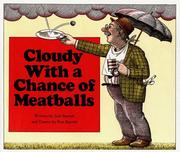
Cloudy with a Chance of Meatballs
A grandfather tells of Chewandswallow, where soup rains and meatballs fall, until giant food storms force everyone to flee.
2,873-word summary · 13 min read
Brown Bear, Brown Bear, What Do You See?
A rhythmic animal parade teaches colors and names, from brown bear to schoolchildren.
3,226-word summary · 14 min read
True Story of the Three Little Pigs
A. Wolf tells his side from the Pig Pen: he only wanted sugar for a cake, had a bad cold, and sneezed. You decide.
2,975-word summary · 13 min read
Alexander and the Terrible, Horrible, No Good, Very Bad Day
Alexander has one bad day from gum in his hair to bedtime, while his family copes and his mother stays honest.
2,548-word summary · 11 min read
One Fish, Two Fish, Red Fish, Blue Fish
Counting fish and silly creatures from here to there, with rhymes for beginning readers.
1,900-word summary · 8 min read
Madeline
Ludwig Bemelmans's 1939 Madeline: the twelve girls in Paris, Miss Clavel, the midnight appendix scare, and why the smallest girl became a classic.
2,944-word summary · 13 min read
The Tale of Peter Rabbit
Peter Rabbit disobeys his mother, squeezes under the gate into Mr. McGregor garden, and ends in a chase back home to chamomile tea.
2,157-word summary · 10 min read
The Polar Express
A doubting boy rides a night train to the North Pole and keeps a bell only believers hear.
2,195-word summary · 10 min read
Are You My Mother?
A newborn bird falls from the nest and asks a kitten, a hen, a dog, a cow, a plane and a giant Snort if any will be his mother.
2,351-word summary · 10 min read
The Lorax
The Once-ler fells Truffula Trees for Thneed greed despite the Lorax, who speaks for the trees, warning him to stop.
2,563-word summary · 11 min read
Goodnight Moon
A small bunny says goodnight to each object in the green room in this 1947 bedtime classic.
2,600-word summary · 12 min read
The Very Hungry Caterpillar
Eric Carle's hungry caterpillar eats through the week and turns into a butterfly: what the holes, counts, and days teach, and why kids still ask for it again.
2,413-word summary · 11 min read
The Cat in the Hat
A tall Cat turns a rainy day upside down for Sally and her brother, with Thing One and Thing Two in tow.
2,546-word summary · 11 min read
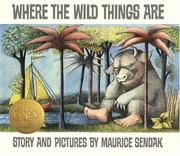
Where the Wild Things Are
Maurice Sendak follows Max in his wolf suit from mischief to a forest of Wild Things, through the wordless rumpus and back home to supper waiting still hot…
2,585-word summary · 11 min read
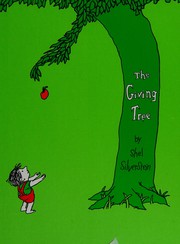
The Giving Tree
A boy and a tree grow older together as he takes her apples, branches, and trunk until only a stump remains.
2,249-word summary · 10 min read

Little Town on the Prairie
In the spring after the Long Winter, fifteen-year-old Laura sews shirts, studies for a teaching certificate, and helps send her blind sister Mary to college.
2,071-word summary · 9 min read
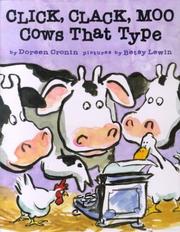
Click, Clack, Moo: Cows That Type
Cows learn to type, demand electric blankets, and go on strike in a deadpan picture book about negotiation and withheld labor.
2,617-word summary · 12 min read
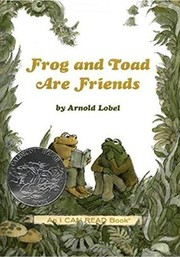
Frog and Toad Are Friends
Five short stories about a cheerful frog and a grumpy toad who need each other for waking up, swimming, and waiting for the mail.
1,969-word summary · 9 min read
The Stinky Cheese Man and Other Fairly Stupid Tales
Scieszka and Lane Smith take nine fairy tales apart, joke by joke, while Jack, the narrator, keeps losing the pages.
2,206-word summary · 10 min read
The Borrowers
A family of tiny people live under the floorboards of an English house, borrowing what they need until a lonely boy and a suspicious housekeeper change…
2,164-word summary · 10 min read