
Reading options
What's inside (7 sections)
I reread Green Eggs and Ham with a four year old on my lap, which is the correct way. Dr. Seuss published it August 12, 1960 with Random House. The hardcover runs 72 pages. It grew from a bet with Bennett Cerf that Seuss could write a book using only 50 different words. He won the bet and made a classic that still sells. I timed our read. Nine minutes with giggles. Then we read it again.
The story is almost all dialogue and chase. Sam-I-Am, small and cheerful in a tall hat, holds a plate of green eggs and ham and asks an unnamed tall grump to try them. The grump, in pajama like clothes and a sour face, says no. He does not like them. He does not like Sam. Leave him alone.
Sam does not leave him alone. Would you like them in a house. With a mouse. In a box. With a fox. In a car. Up a tree. On a train. In the dark. In the rain. On a boat with a goat. Each no gets louder. Each ask gets sillier. The grump climbs, hides, runs, rows, falls. Sam follows with plate steady, smile fixed. Illustrations do half the work. Wobbly stacks, fast cars, wet boats, dark tunnels, goats with grins. My lap reader pointed at the mouse on every page before I finished the line.
Why 50 words works
The limit is the genius. With only 50 distinct words, Seuss repeats with music. Do you like. Would you could. In a house with a mouse. The pairs teach sounds. House mouse. Box fox. Train rain. Boat goat. Kids hear patterns and join in before they can read alone. My companion shouted RAIN TRAIN on page three and felt like a reader. That pride is the point of Beginner Books, launched with The Cat in the Hat to make early reading fun instead of dull.
Seuss draws with the same economy. A few lines make worry, joy, speed. The grump's face moves from flat to furious to shocked to happy in clear steps kids can name. Sam never wilts. His cheer reads as kindness, not bullying, because the stakes are a bite, not harm. Teachers often use this to talk about trying foods, but the book never lectures. It plays.
The places pile up in a smart order for breath. Short refusals first. House mouse box fox. Easy rhymes, still rooms. Then motion. Car tree train. Longer lines, faster pages. Then mess. Dark rain boat. Water, noise, wobble. Kids lean in as the ride shakes. Then the stop. A long dark tunnel, a sneezy spill, the grump finally cornered and tired enough to taste. The taste scene gets a full beat. He tries. He blinks. He likes. He lists where he will eat them now, flipping every no to yes. In a house with a mouse. On a boat with a goat. The reversal lets kids chant familiar lines with new joy.
Our second read took longer because we acted it. I was the grump with a deep no voice. She was Sam with a squeaky would you. We knocked on the couch for house, squeaked for mouse, vroomed for car, choo chooed for train, splashed for rain. The book invites this. Short lines leave room for noise. Pictures leave room for pointing. No moral speech breaks the game.
Reading it as an adult
As an adult reread for this site, I noticed craft I missed as a kid. Seuss varies sentence length inside strict vocab to control pace. Questions run short. Refusals run medium. The final yes list runs long and rolling, a reward of fluency. He never uses a word outside the 50, which forces funny workarounds. He cannot say airplane, so he says train and boat and car. He cannot say scared, so he draws wide eyes. Limits make style.
Context helps too. Written in 1960 after The Cat in the Hat proved kids would read fun books, Green Eggs and Ham answered parents who wanted simple vocab and teachers who wanted phonics that did not bore. It outsold almost everything and became a bedtime staple. The Netflix series stretches the plot with modern jokes, but the book needs no update. Trying a bite is timeless.
Criticism exists and is worth naming briefly in a full summary. Some adults read Sam as pushy. He follows, blocks paths, will not take no. With food and consent in mind today, that can feel off. I read it to my companion with a line I added. Sam asks a lot, but our rule is you can say no and we stop. She liked that power. The book itself ends with yes after many nos, which is fine for eggs but not a model for bodies or boundaries. Name that while you read and the fun stays safe.
The art also shows its age in small ways. No seatbelts in the car. No helmets. A fox loose in a box. Kids notice and laugh. I used those to talk about real safety fast, then back to rhymes. The green itself, ham with green yolk, grosses kids in the best way. Ours decided green eggs are made with spinach and asked for them next breakfast. We made them. She ate two bites and declared herself like Sam. Then she refused toast. Some battles rhyme.
How to share it
If you share this with a new reader, let them lead. Point to the mouse before they do. Pause before house mouse and let them fill it. Clap the beat. Count the 50 words on a later read if they like lists. Try green food after. Spinach eggs, pistachio toast, kiwi slices. Keep it playful. Stop if they tire. The book is short enough to finish in one sit and strong enough to repeat nightly for weeks.
I closed our copy with crumbs in it, which feels right. For 72 pages from 1960 built on a bet, it still does the job. It turns no into play, play into reading, reading into taste. Sam-I-Am never doubts his dish. The grump never doubts his no until evidence arrives by fork. That is science at preschool scale. Try, see, decide. Say thank you either way. Ours now says thank you Sam-I-Am at dinner, which beats clean plates as an ending.
Each spread, slowly
A full summary should walk the whole chase because parents read it nightly and need landmarks. It opens with Sam asking straight out. Do you like green eggs and ham. The friend answers flat. I do not like them, Sam-I-Am. I do not like green eggs and ham.
Then house and mouse. Sam holds the plate at a door. The friend crosses arms. Would you like them here or there. I would not like them here or there. I would not like them anywhere.
Box and fox follow. Sam in a box with a fox offering. The friend says no in a box with a fox, no in a house with a mouse, no here or there, no anywhere. Kids love stacking nos here. Let them stack.
Car and tree raise speed. Sam drives, crashes into a tree, still holds the plate level. Would you in a car, up in a tree. The friend shouts no in a car, not in a tree, not in a box, not with a fox. The crash picture gets the biggest laugh in our house. No one hurt, just hats flying.
Train and dark add thrill. Sam and friend on a rattling train, hats off, eggs wobbling. Would you on a train, in the dark. The friend says no on a train, not in the dark, not in a tree, not in a car. Darkness here is cozy gray, not scary black, with wide eyes and motion lines.
Rain and boat soak them. Sam rows while it rains, goat aboard, plate high. Would you in the rain, on a boat with a goat. The friend yells no in the rain, not on a boat, not with a goat. Water splashes off hats. My reader always pats the goat first.
The tunnel ends the run. Dark, long, train roaring through, Sam and friend pressed close, eggs still intact by miracle. The friend, tired and damp, finally says fine, I will try. He takes a bite, chews, blinks. He likes. Then the flip list runs a full page. I do so like green eggs and ham. Thank you, thank you, Sam-I-Am. He will eat them in a boat with a goat, in the rain, on a train, in the dark, up in a tree, in a car, in a box with a fox, in a house with a mouse, here and there and anywhere.
Reading those last lines aloud feels like a parade. Same words, new joy. Kids who could not sit still chant along. That arc from no to yes through places gives the book its shape. Not argument. Tour. Not lecture. Taste.
Seuss hides craft in the order too. Easy sounds first for confidence, harder blends later for stretch, all inside 50 words a beginner can master. Teachers can track it. House mouse for ow sounds. Box fox for ox. Train rain for ai. Boat goat for oa. Dark park would be next if he allowed it, but he does not need it. The set teaches without charts.
Keep the copy where small hands reach. Ours lives low on a shelf with bent corners and a grape stain shaped like a hat. That wear is the review that matters more than prizes. A book loved to pieces by a new reader who now asks for green foods is a bet won twice.
The bet, the words, and the classroom
The Bennett Cerf bet story deserves detail because it shaped the text. Cerf, Seuss's publisher, bet fifty dollars that Seuss could not write a book with only fifty distinct words. Seuss took the bet after The Cat in the Hat used over two hundred. He listed short Anglo Saxon words a first grader knows. I, am, Sam, like, do, not, would, could, here, there, anywhere, house, mouse, box, fox, car, tree, train, dark, rain, boat, goat. Then he built a plot that repeats them with rising fun. He won the bet and never collected with fuss. The constraint became the classic.
Teachers still use the 50 word list for good reasons. Each word is decodable or high frequency. Rhymes pair cleanly for ear training. Sentences grow from three words to rolling lists, letting strugglers start strong and finish proud. Pictures give clues without giving words away. A mouse in a house shows meaning while the child sounds letters. That design respects beginners. It never tricks with silent exceptions or jokes that need adult help. If your child reads this alone first, that triumph is engineered with love.
Reading levels place it at Lexile 30L and Fountas Pinnell J, squarely for preschool to second grade. That means most four year olds will memorize and chant before they decode, which is fine and useful. Chanting builds fluency, rhythm, and courage. Decoding follows with pointing and patience. Let your reader track words with a finger, miss, self correct, grin. Praise the try more than the right. Sam would.
One more adult note on voice. The grump narrates, so kids hear refusal in first person and persuasion in second. I do not like. Would you like. That back and forth teaches dialogue cues early. Quotation marks barely appear because lines are short and speakers clear. Kids learn turn taking in talk before they learn it in print. When they argue with siblings later using would you could you patterns, smile. Seuss taught rhetoric at the breakfast table.
FAQ
When was Green Eggs and Ham published?
Random House published it August 12, 1960. It runs 72 pages in hardcover and grew from a bet that Seuss could write a book with only 50 different words.
Is it hard to read?
No. It uses only 50 distinct words. The repeat lines teach sounds, rhythm, and confidence to early readers ages 3 to 7.
Who is Sam-I-Am?
Sam-I-Am is the small asker who offers the dish everywhere. The unnamed friend says no until the last pages, then admits he likes them.
Similar books
More like Green Eggs and Ham →
The Cat in the Hat
A tall Cat turns a rainy day upside down for Sally and her brother, with Thing One and Thing Two in tow.
2,546-word summary · 11 min read
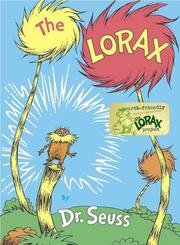
The Lorax
The Once-ler fells Truffula Trees for Thneed greed despite the Lorax, who speaks for the trees, warning him to stop.
2,563-word summary · 11 min read

The Horse and His Boy
Shasta and Bree flee Calormen to Narnia with Aravis and Hwin.
2,594-word summary · 12 min read
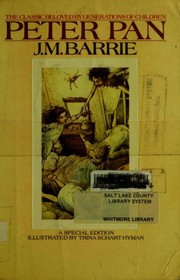
Peter Pan
Wendy, John and Michael fly to Neverland with Peter, face Hook, and learn what growing up costs.
2,502-word summary · 11 min read

Island of the Blue Dolphins
Left alone on San Nicolas Island for eighteen years, Karana builds shelter, faces wild dogs, and finds company with Rontu.
2,559-word summary · 11 min read

Goodnight Moon
A small bunny says goodnight to each object in the green room in this 1947 bedtime classic.
2,600-word summary · 12 min read