
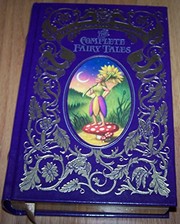
The Complete Fairy Tales
2,414-word summary 11 min read 972 pages in the book
- First published
- 2010
- Publisher
- Barnes & Noble
- Pages
- 972
- ISBN
- 9781435125995
Reading options
What's inside (8 sections)
I bought the Barnes and Noble collectible of The Complete Fairy Tales because it looked like the kind of book you keep on a shelf for ten years and dip into when it rains. It is thick, gilt edged, the paper thin enough to feel like a Bible. This 2010 edition runs 972 pages and claims to hold the full run, from the early pieces in the 1830s to the late stories Andersen published near the end of his life. I started it in October thinking I would read two stories a night. A month later I was still going, with bookmarks sticking out everywhere and a growing sense that Andersen was stranger and sadder than the Disney version I grew up with.
What surprised me first was how little these feel like bedtime stories. Some are funny. Some are odd little travel sketches. Many end badly. Andersen punishes vanity, rewards patience in a way that can feel harsh, and lets children die in stories meant for children. He also writes about mermaids who want souls, snow queens who kidnap boys, and toys that fall in love, and he does it in a voice that sounds like someone talking fast to keep your attention. You can tell he performed some of these aloud.
This is not one plot. It is more than a hundred short plots gathered in one place. The way to read a summary of it is to walk through the famous clusters, then the lesser known ones, and be honest about where the collection drags.
A big book made of very small machines
Andersen published his tales in installments in Denmark between 1835 and the 1870s. He was the son of a shoemaker from Odense, a failed actor and singer who found that writing for children gave him a living and a reputation across Europe. The early volumes mixed retold folk material with inventions of his own. The later volumes grew more personal, more Christian in moral, more interested in artists and shadows and what happens after death.
The Barnes and Noble edition puts them together in English in one continuous sequence. You get the favorites up front in many printings, then the weirder late work that most people have never heard of. Reading straight through gives you a sense of repetition. A poor child suffers. A vain adult is fooled. An animal or toy wants to be human or loved. A soul is tested by pain. Andersen returns to those shapes again and again, changing the costumes.
The translation here reads plain and old fashioned, which suits him. Sentences are short when something scary happens, longer when he describes flowers or furniture or a city street. He talks to the reader directly. He explains the moral at the end instead of hiding it. Modern readers may find that blunt. Children in his day would have heard it as normal.
If you want a number to hold onto, think of it as three books in one. The wonder tales everyone knows. The moral tales about poor girls and sick children. The adult fables about fame, art, love and death. They overlap, but that division helped me keep going when page 500 arrived and my wrist hurt.
Mermaids, snow queens and the price of wanting more
The Little Mermaid is the story people think they know and do not. In Andersen she is the youngest of six sea princesses, fifteen when she first rises to the surface, fascinated by a prince she saves from a shipwreck. She visits the sea witch, trades her tongue for legs, and agrees that every step will feel like knives and that she will die if the prince marries someone else. The prince likes her as a sweet foundling, not as a bride. He marries a temple girl he thinks saved him. The mermaid refuses to kill him to save herself, throws herself into the sea, and becomes a daughter of the air who can earn a soul through good acts. It is tender and brutal. No crab sings.
The Snow Queen is longer, almost a small novel in seven parts. Kai, a cheerful boy, gets a splinter from a troll mirror in his eye and heart and turns cold and mocking. He follows the Snow Queen in her white sledge to her ice palace in the north. His friend Gerda, a neighbor girl with no money or power, walks across much of the world to find him. She meets a witch with a garden, a prince and princess, a robber girl, a Lapp woman and a Finn woman. She prays, she cries, her tears melt the splinter. The two walk home as near adults. The Snow Queen herself barely appears except as a cold kiss and an absence. The point is Gerda going on foot while everyone else has castles.
Those two show his method. Take a wish to be human or to be clever and grown up. Grant it at a high cost. Let love or faith undo part of the damage, but not without scars. The mermaid does not get the prince. Kai forgets the hymns and then remembers them. Andersen wants you to feel the loss even when the ending is called happy.
Parents should know the Christian frame is explicit here. Souls, prayer, angels, the idea that suffering can purify. It is not background decoration. It drives the endings.
Tin soldiers, match girls, ducks and other sufferers
The Steadfast Tin Soldier is only a few pages and still hurts. Twenty five tin brothers cast from one spoon, one with a single leg because the metal ran short. He loves a paper ballerina in a paper castle. A goblin in a snuffbox warns him. He falls from a window, sails in a paper boat, is swallowed by a fish, returns home through a sewer and a stomach, and is thrown into a stove by a boy. The ballerina blows in after him. In the morning the maid finds a tin heart and a burnt spangle. That is the whole story. No rescue.
The Little Match Girl freezes on New Year Eve while lighting matches to see warm visions. Her grandmother, the only kind person she remembers, appears in the light and carries her away. In the morning passersby find the small body. Andersen does not soften it. He says she is with God and that no one knew what beautiful things she had seen. Readers argue about whether that comfort works. I found it honest about winter poverty and uncomfortable as a lesson for children.
The Ugly Duckling is the most autobiographical. A large gray chick is pecked in the duckyard, chased by hens and humans, frozen in a pond, taken in by a farmer, and finally finds he is a swan. Andersen was mocked as a young man for his looks and voice and never forgot it. The moral is often read as believe in yourself, but the text is colder. The swan was always a swan. Suffering did not make him beautiful. It only delayed the recognition.
Thumbelina, born from a flower, is stolen by toads, sheltered by mice, nearly married to a mole who hates the sun, and saved by a swallow she once nursed. She ends in a flower field married to a tiny king. The Emperor New Clothes needs no retelling except to note how short and mean it is. Two cheats pretend to weave cloth invisible to fools. The emperor walks naked until a child speaks. The court keeps walking. The Red Shoes follows Karen, a poor girl adopted by a rich woman, who cannot stop dancing after she wears red shoes to church. She has her feet cut off by an executioner and repents into holiness. Modern readers flinch, and they should. Andersen meant the flinch.
What links these is attention to objects. Tin, paper, matches, shoes, peas under mattresses. He loved to give feelings to small made things and then break them to see what you feel. Kids remember the objects long after they forget the morals.
Emperors, nightingales, shadows and grown up vanity
Not all the tales are for small children. The Nightingale is set in a stylized China where the emperor prefers a jeweled mechanical bird to the real gray bird in the woods. When the toy breaks and death sits on his chest, the live nightingale returns and sings him back to life in exchange for no cage and no praise. Andersen, who courted royal favor and feared flatterers, knew both birds well.
The Shadow is darker still. A learned man lets his shadow go free in a hot country. Years later the shadow returns as a sleek gentleman who has learned how to live by watching basements and balconies. He steals the man papers, reputation and fiancee, then has him executed as the shadow. It reads like a nightmare about fame. There is no lesson for a six year old here except that the world can invert.
The Tinderbox follows a soldier who finds a magic lighter that summons three dogs with eyes like saucers, mill wheels and towers. He wastes money, sees a princess in her sleep, is caught, and uses the dogs to kill the king and queen and take the throne. Early readers called it vulgar. Andersen kept it. It shows his early taste for luck over virtue.
The Princess and the Pea, The Wild Swans, The Flying Trunk, The Garden of Paradise, The Story of a Mother, The Bell, The Snowman, The Fir Tree. The fir tree wants to be cut for Christmas, shines for one night, and is burned. The snowman falls in love with a stove and melts. The mother trades eyes and hair to get her sick child back from Death, then accepts Death decision when shown two possible futures. These are not cozy. They ask whether wanting is itself the trap.
I liked how often Copenhagen and travel leak in. Storks on roofs, students in garrets, sailors, market women, German and Italian roads from his tours. When he is good, a tale smells like rain or cold harbor air in two sentences. When he is tired, he preaches and the air goes out.
Where the complete part tests your patience
A complete edition exposes repetition. How many poor girls must cough by Christmas. How many vain kings must be stripped. How many patient women must wait while men wander. After 600 pages the pattern can feel mechanical. You start predicting the turn by page two. That is a fair criticism, not a modern complaint projected backward. Even his friends told him he moralized too much.
The piety can also grate if you do not share it. Andersen divides the world into humble believers who suffer beautifully and clever mockers who freeze. Jewish, Catholic and peasant characters sometimes appear as types rather than people. The late stories about art and science lecture about progress in a way that feels quaint. Girls are praised for self denial in terms that now read as severe. Boys are allowed to travel while girls wait or walk to rescue them.
Translation adds another layer. This B and N text uses older English renderings that keep thee and thou out but retain Sunday school diction. Names shift between printings. Karen, Gerda, Kai, Ida, Thumbelina. One tale may call the same sprite an elf in one paragraph and a brownie in the next. If you grew up with a picture book version, the wording here can feel stiff at first. I got used to it by page 100 and then found it musical.
Length is practical. Nine hundred and seventy two pages in small type is heavy to hold and easy to abandon. The paper is thin, the binding tight when new, the type small enough to tire eyes at night. This is a shelf book to read in pieces, not a novel to finish in a week. I kept a pencil to mark the ones I want to reread and skipped two of the long religious allegories after giving them twenty pages each. No shame in that. Even scholars admit not every tale earns its place.
None of this removes the best dozen. Those best still hit because the images are simple and the pain is not explained away. A mermaid dissolving. A soldier melting. A girl walking barefoot to the north. A fir tree remembering the forest while it burns. You remember them the way you remember dreams.
How I would read it from here
Do not start at page one and march. Start with the ones you half know, then follow curiosity. Read The Snow Queen in winter, The Little Mermaid when you can sit quiet, The Nightingale and The Shadow on the same night to see his two moods. Then try the short shocks like The Fir Tree, The Red Shoes, The Story of a Mother, The Bell. Save the long late religious pieces for when you want them, not because completeness demands it.
Read aloud when you can. Andersen wrote for voice. The Steadfast Tin Soldier takes ten minutes and lands harder heard than skimmed. The Emperor New Clothes takes five and still gets a laugh before the chill. Children can handle more than adults fear, but I would preview The Red Shoes and The Little Match Girl and be ready to talk after. They are not trick endings. They mean what they say.
For collectors, this 2010 Barnes and Noble volume is a good value object. It is not a scholarly edition with notes on variants and translators. It does not tell you which English rendering you are getting on each page or how Andersen revised a tale between printings. What it gives is the bulk in one place, a sturdy cover, and type clear enough for daily reading. Keep a ribbon in it. Lend the paperbacks. Keep this one.
I finished with admiration mixed with fatigue, which feels right for Andersen. He wanted to be loved and to teach, to entertain children and to be counted among serious poets. He could be petty about critics and generous to strangers. The tales hold both. The great ones make suffering visible without making it pretty. The weak ones preach past the story. Reading them all lets you see a man trying for a soul in every small thing, tin or tree or child, and sometimes finding it.
FAQ
Is this Barnes and Noble book really the full Andersen?
Yes. This 2010 Barnes and Noble edition collects the tales in 972 pages in English, starting with stories first published from 1835 onward. It is a reading volume, not a scholarly edition with variant notes.
Is The Complete Fairy Tales good for young kids?
Some tales suit reading aloud, but the match girl, the red shoes, and the mermaid endings are bleak. Preview those stories and be ready to talk after, rather than assigning them cold.
Do I need to read all 972 pages in order?
No. Start with the Snow Queen, the Nightingale, the tin soldier, and the emperor, then sample short pieces. Reading straight through exposes repetition, so short visits hold up better.
Similar books
The Mitten
Jan Brett retells a Ukrainian folktale about a boy, a lost white mitten, and the woodland animals that crowd inside until a bear sneezes.
2,609-word summary · 12 min read
The Borrowers
A family of tiny people live under the floorboards of an English house, borrowing what they need until a lonely boy and a suspicious housekeeper change…
2,164-word summary · 10 min read
Charlie and the Great Glass Elevator
Charlie and Wonka overshoot Earth in the glass elevator, meet alien Knids, then risk age pills and Minusland.
2,514-word summary · 11 min read
The Jungle Book
Mowgli, raised by wolves in the Seeonee Hills, learns the Law from Baloo and Bagheera while Shere Khan circles. Kipling's 1894 story collection.
2,799-word summary · 12 min read
Aesop's Fables
Short animal tales of hares, foxes, ants, and wolves that still sting: old fables in plain modern English.
2,916-word summary · 13 min read
Through the Looking-Glass
Alice steps through the mirror into a chessboard world of talking flowers, twins, Humpty Dumpty and quarrelsome queens.
2,610-word summary · 12 min read
Mary Poppins
A stern, vain nanny blows in on the East Wind to 17 Cherry Tree Lane and leads Jane and Michael through a year of small, strange magic.
2,729-word summary · 12 min read
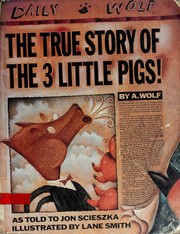
True Story of the Three Little Pigs
A. Wolf tells his side from the Pig Pen: he only wanted sugar for a cake, had a bad cold, and sneezed. You decide.
2,975-word summary · 13 min read
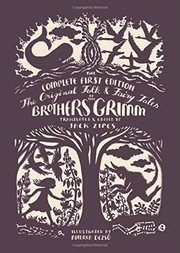
The Original Folk and Fairy Tales of the Brothers Grimm
Zipes translates all 156 tales from the Grimms' 1812 and 1815 first edition, rougher and stranger than the famous 1857 versions.
2,331-word summary · 10 min read
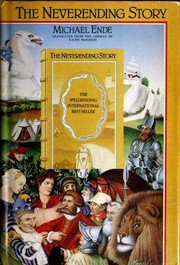
The Neverending Story
Bastian steals a book about Fantastica dying and learns he must name and wish to save it.
1,941-word summary · 9 min read
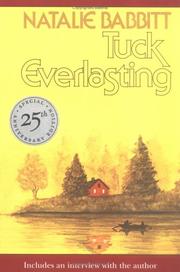
Tuck Everlasting
Winnie Foster meets the immortal Tuck family in the woods and must decide whether to drink from their spring.
2,750-word summary · 12 min read
The Silver Chair
Eustace and Jill retold: four signs, a lost prince, Puddleglum the Marsh-wiggle, giants at Harfang, and the Lady below.
2,940-word summary · 13 min read
The Phantom Tollbooth
A bored boy drives a toy car through a magic tollbooth into the Kingdom of Wisdom and learns to care about words, numbers and time.
2,765-word summary · 12 min read
The Last Battle
Lewis ends Narnia: Shift ape false Aslan, King Tirian last stand, Jill and Eustace at Stable Hill, and a morning beyond the world.
3,037-word summary · 13 min read
The Horse and His Boy
Shasta and Bree flee Calormen to Narnia with Aravis and Hwin.
2,594-word summary · 12 min read
Peter Pan
Wendy, John and Michael fly to Neverland with Peter, face Hook, and learn what growing up costs.
2,502-word summary · 11 min read
The Witches
A boy and his grandmother face the Grand High Witch's plan to turn England's children into mice.
2,738-word summary · 12 min read
The Wonderful Wizard of Oz
Dorothy is carried to Oz by a cyclone and walks the yellow brick road with Scarecrow, Tin Woodman, and Lion.
3,297-word summary · 15 min read
The Voyage of the Dawn Treader
Lewis sends Lucy, Edmund and Eustace aboard Caspian's Dawn Treader to find seven lost lords, past dragon gold, dark dreams and the world's edge.
2,330-word summary · 10 min read
The Tales of Beedle the Bard
Five wizard fairy tales from Hermione book, with Dumbledore notes, including the Three Brothers and the Hallows.
2,663-word summary · 12 min read
The BFG
Orphan Sophie is taken by the Big Friendly Giant, who blows happy dreams and eats vile snozzcumbers, and helps her stop nine man eating giants.
2,812-word summary · 12 min read
Prince Caspian
The Pevensies return to ruins at Cair Paravel and help Caspian take back Narnia from Miraz.
2,304-word summary · 10 min read
James and the Giant Peach
Lonely James escapes two cruel aunts inside a giant peach with huge insect friends, rolling to the sea and floating on gulls to New York City.
2,384-word summary · 11 min read
The Magician's Nephew
C. S. Lewis's Narnia origin story retold: Digory and Polly, the Wood between the Worlds, the waking of Jadis in Charn, Aslan's singing creation, and the apple…
2,528-word summary · 11 min read
Bridge to Terabithia
Katherine Paterson's Bridge to Terabithia retold: Jess Aarons and Leslie Burke build an imagined kingdom and face sudden loss.
2,673-word summary · 12 min read
Alice's Adventures in Wonderland
Alice follows the White Rabbit, grows and shrinks through tea, croquet and trial.
2,055-word summary · 9 min read
Charlie and the Chocolate Factory
Poor Charlie Bucket finds a golden ticket to tour Wonka's factory with four spoiled kids.
3,574-word summary · 16 min read
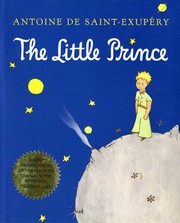
The Little Prince
Saint-Exupery's The Little Prince retold: a pilot, a rose, the fox, and what matters is invisible.
2,492-word summary · 11 min read
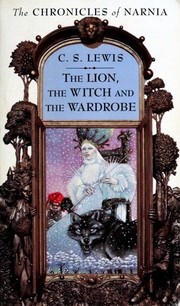
The Lion, the Witch and the Wardrobe
C. S. Lewis's Narnia opener retold: four Pevensies, the White Witch's winter, Aslan's sacrifice, and the crowning at Cair Paravel.
2,502-word summary · 11 min read

Make Way for Ducklings
A pair of mallards raise eight ducklings on the Charles River and lead them across Boston to the Public Garden, with a little help from a friendly policeman.
2,044-word summary · 9 min read