
Reading options
What's inside (6 sections)
I reread this as adult after only remembering Disney, and found a stranger, funnier, more logical book about illogic. The Annotated Alice edition in our list points to the work Alice's Adventures in Wonderland, first published in November 1865 by Macmillan in the United Kingdom, 192 pages in first edition, author Lewis Carroll. The reading edition cited for cover uses ISBN 9780141439761, 192 pages in Penguin Classics with John Tenniel illustrations. Alice follows a White Rabbit down a hole, grows and shrinks, meets Gryphon and Queen, and wakes. I finished in an afternoon and thought for a week.
Alice sits on a bank with her sister, bored, when a White Rabbit with waistcoat and watch runs by saying late. She follows down a rabbit hole, falling past cupboards and maps, landing in a hall with tiny doors. She finds a key and a bottle marked Drink Me. She drinks and shrinks. She finds cake marked Eat Me and grows huge and cries a pool. She meets a Mouse and Dodo and birds in a Caucus Race to dry. She scares them by mentioning her cat Dinah. That early sequence teaches rules. Wonderland runs on language taken literally and manners taken sideways. Curiosity has costs paid in size.
She meets the White Rabbit again as maid, is sent for gloves, finds another bottle, grows stuck in house, gets pelted with pebbles that turn to cakes, shrinks and flees. She meets Caterpillar on mushroom smoking hookah who asks Who are you. She cannot answer because she changed sizes and forgot poems. He tells her mushroom sides grow and shrink. She nibbles carefully, ends with neck long as serpent frightening pigeon, then right size. She visits Duchess with baby that becomes pig, Cheshire Cat grinning in trees directing to Hatter or Hare. Each meeting is a conversation that fails politely. Questions answered with riddles. Help given as directions to elsewhere.
The Mad Tea Party is the famous center. Hatter, March Hare, Dormouse at table with no room though table large. Always six o clock, no time to wash cups. Riddle why is raven like writing desk with no answer in text. Alice scolds rudeness and leaves calling it stupidest tea party. I laughed and also felt her frustration. Rules exist but no one explains. Time punished Hatter for singing badly to Queen, so time stopped. Nonsense with cause, if cruel cause. Childhood sense of adult parties where talk loops and no one listens fits perfectly.
She finds door in tree back to hall, uses key to garden, meets Queen of Hearts with card soldiers painting roses red. Queen shouts Off with heads for everything. King pardons quietly. Alice plays croquet with flamingo mallet and hedgehog ball and soldiers as hoops. Game impossible and everyone pretends. Cheshire head appears without body, causing legal debate about beheading grin. King calls expert. Duchess in prison called. Alice grows bolder, contradicting Queen. That boldness grows with size later and matters.
Trial and waking
Gryphon and Mock Turtle take Alice to school stories. Mock Turtle sings Beautiful Soup and Lobster Quadrille while Alice misrecites poems she knew. School lessons with seography and uglification parody Victorian education. Pun as curriculum. I smiled at mock Latin and washed out. Then trial of Knave of Hearts for stealing tarts. King as judge with wig. White Rabbit as herald. Jury of animals. Witnesses Hatter, cook, Alice. Evidence is verse with no meaning. Verdict before sentence demanded by Queen. Alice grows large, callsout stuff and nonsense, says you are nothing but pack of cards. Cards fly. She wakes with sister brushing leaves. Dream frame closes. Sister imagines Alice grown telling children same dream. Sweet coda about memory.
Characters work as language games more than people. White Rabbit as anxiety about time. Caterpillar as exam. Duchess as ugly care. Cheshire as philosophy that vanishes. Hatter as time stopped by performance. Queen as temper without justice. King as mild law. Gryphon as schoolmaster. Mock Turtle as nostalgia. Alice as curious girl who learns to say no. Her arc is not grand. She starts polite and confused, ends taller and opinionated. Growing in courtroom literalizes growing up. Standing up to bullying cards by naming what they are is moral in miniature. You are only cards. I cheered.
Poems and songs parody ones Victorian kids knew. How doth little crocodile from how doth busy bee. Twinkle twinkle little bat. Beautiful Soup from Star of evening. Alice misremembers, which is joke and theme. Memory fails under pressure. Education recited wrongly shows learning by rote breaks in Wonderland. Carroll, Oxford mathematician, plays with logic throughout. If you drink, you shrink, but if you left key, useless. If all are mad here, then Alice mad too. Syllogisms bent. I enjoyed tracing one or two without needing to solve all. Play over puzzle.
Illustrations by John Tenniel shape memory. Alice with hairband. Rabbit with watch. Caterpillar with arms crossed. Duchess ugly with baby. Hatter with price tag. Queen stout with crown. Those 42 wood engravings in original fix characters. Later Disney softens. Tenniel keeps edge. My Penguin copy uses Tenniel and feels right. Nonsense with sharp lines.
Why it endures and where it puzzles
It endures because delight aims first, as critics note about end of didactic children's books. No moral tacked. Curiosity rewarded with experience, not prize. Language play delights adults while story amuses kids. Logic games, rules and games chapter in scholarship, give endless reread. Each visit finds new pun. I found three I missed as child. Eat Me as consumer instruction. Drink Me as medicine label. Caucus Race as political satire on dry committees running in circles. All still funny.
It puzzles where Victorian norms jar. Alice cries often, is called stupid, is mansplained by every creature. Some modern readers find her passive. She mostly watches and asks. Agency arrives late in courtroom. That delay fits dream logic but tests patience. A child heroine who argues less than endures may frustrate those wanting active quest. I accepted because growing boldness is point. From following Rabbit to dismissing Queen is journey.
Colonial and class readings also complicate. Garden as England. Queen as temper of power. Nonsense as satire of courts and schools Carroll knew. Scholars debate drugs, dreams, math. The book supports many without settling. That openness is strength and fog. Readers wanting clear meaning will leave hungry. Readers enjoying play will feast. I feasted with questions left.
Length at 192 pages fits one sitting with breaks for poems. No sag. Each episode short. Hall, pool, house, caterpillar, duchess, cat, tea, garden, turtle, trial, wake. Clean chain. Language is plain with puns, easy for middle grade up. Younger kids need help with parodies. Adults need notes for originals. Annotated editions, like the list's Annotated Alice, help hugely with sources. Martin Gardner notes explain every joke and math game. If you love context, get annotated. If you love flow, get plain Tenniel.
Content notes are mild. No gore. Queen shouts beheadings but no heads roll on page. Baby becomes pig, played comic. Duchess nurses roughly. Hatter rude. Suitable for all ages with adult to explain old poems. No romance. No violence beyond cards flying. Fear is mild confusion, not terror.
If you only know films, read to meet weirder, smarter Alice. She is not princess. She is argumentative girl who learns to trust size. Follow the rabbit. Drink carefully. Answer riddles with questions. Wake with leaves on face and story to tell.
Dormouse, Duchess, and drawings
Dormouse at tea table dozing and telling story of three sisters in treacle well deserves a beat. Sisters Elsie, Lacie, Tillie living on treacle, drawing things beginning with M, mousetraps and moon. Story inside story that goes nowhere on purpose. Alice interrupts with questions. Hatter corrects. Hare offers more tea none exists. That nested nonsense shows how Wonderland tales work. Tell to pass time stopped. Meaning optional. Music as treacle sweet and sticky. I laughed at M things list and thought about school lessons that list without explaining. Rote as treacle.
Duchess with baby and cook and pepper everywhere is grotesque domestic satire. Kitchen full of sneeze. Baby howling. Cook throwing plates. Cheshire grinning. Alice nurses baby that turns pig and trots off. Care as absurd labor. The Duchess later in prison moralizes with Take care of sense and sounds will take care. Morals tacked on nonsense. Alice takes baby seriously then lets pig go, learning when to hold and release. Parenting parody that still stings. Nurture what squeals, release what grunts. Practical.
Tenniel drawings fix these scenes in memory with line economy. Dormouse head on table with nose in cup. Duchess chin vast with baby askew. Hatter with hat price ten shillings sixpence. Those images carry more than text for many kids. My copy's margins show thumb wear at tea party. Pictures teach reading pictures as text. Look at Hatter's eyes. Tired and kind despite rudeness. Look at Duchess's cook with ladle raised. Anger as kitchen work. Visual literacy alongside verbal play makes Alice ideal for reading together. Point at grin without cat. Ask where body went. Philosophy for five year olds.
Gardner's Annotated Alice notes enrich without overwhelming if used sparingly. Read chapter plain first, then check one note on raven desk riddle. Proposed answers, Poe, noise, nevermore, all fail delightfully. Carroll had no answer, later suggested few. Riddle as anti riddle. That meta joke teaches that not all questions want answers. Some want company at table. Keep one note per sitting or wonder drowns in footnotes. I learned to close annotations and chase White Rabbit first.
Sister's closing dream coda often skipped in films deserves love. Older sister imagines Alice grown telling children same dream, keeping wonder while doing taxes. Childhood kept through telling. That frame says stories save. Alice runs in for tea, leaves sister on bank to imagine. Reader left on bank too, imagining. All of us sisters after. All of us Alice before. Time as riverbank we sit and leave.
If you annotate yourself, note sizes. Drink, cake, mushroom, fan, pebble cakes. Growth as plot device and puberty hint. Big and small as feelings. Too large for house. Too small for key. Right size briefly for garden. That rhythm maps growing pains better than moral. Bodies change without permission. Wonderland just makes visible.
Rules, riddles, and waking
Rules in Wonderland exist to be cited and broken. No room at table though chairs free. Sentence before verdict. Beheadings ordered, pardoned quietly. Alice learns to cite rules back. You should not speak without being spoken to, she tells Hatter, using manners as shield. Later she cites juror rules to stay. Using system's language to survive illogic is child skill in adult courts and schools. Practice here helps there. Say the rule aloud. Watch enforcers blink.
Riddles without answers teach comfort with unknown. Raven desk has no solution Carroll liked. Hatter admits he meant nothing. Alice stops demanding answer and walks off calling party stupid. That walk is growth. Not every puzzle needs solving. Some company is stupid and you leave table. Children taught to be polite at all costs learn permission to exit. Leave rude tea. Keep dignity. I wish I learned sooner. Alice teaches.
Waking as ending often disappoints modern readers wanting consequence. Dream frame erases stakes. No one died. Cards scatter. Sister brushes leaves. But coda with sister imagining Alice grown telling dream keeps meaning. Telling saves. Experience shared becomes story that shapes nieces and nephews. Dream as gift, not waste. Alice runs in for tea hungry, body reminding. Hunger after wonder grounds. Eat after Drink Me and Eat Me lessons. Real tea tastes better for nonsense survived.
Reading with kids works best aloud with voices. Rabbit hurried. Caterpillar slow. Duchess gruff. Hatter bright. Queen loud. Let child be Alice asking plain questions. Pause for puns. Explain caucus as meeting that runs in circles using school assembly example. Show Tenniel pictures after chapter, not before, to let imagination first. Ask what size they feel today. Big for playground, small for office. Feelings have sizes too. Wonderland as feelings map.
Facts held: first published November 1865 by Macmillan in the United Kingdom, 192 pages in first edition, author Lewis Carroll, illustrator John Tenniel noted. Reading edition cited with ISBN 9780141439761. Year uses 1865. Summary follows that text.
FAQ
When was Alice's Adventures in Wonderland published?
It was first published November 1865 by Macmillan. The first edition runs 192 pages; the Penguin Classics reading edition uses ISBN 9780141439761.
Who are the main figures?
Alice, White Rabbit, Caterpillar, Duchess, Cheshire Cat, Hatter, Hare, Queen and King, Gryphon and Mock Turtle.
Is it part of a series?
No. It stands alone, followed later by Through the Looking-Glass.
Similar books
More like Alice's Adventures in Wonderland →
The Horse and His Boy
Shasta and Bree flee Calormen to Narnia with Aravis and Hwin.
2,594-word summary · 12 min read
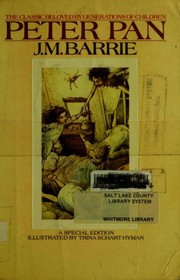
Peter Pan
Wendy, John and Michael fly to Neverland with Peter, face Hook, and learn what growing up costs.
2,502-word summary · 11 min read

The Witches
A boy and his grandmother face the Grand High Witch's plan to turn England's children into mice.
2,738-word summary · 12 min read

The Wonderful Wizard of Oz
Dorothy is carried to Oz by a cyclone and walks the yellow brick road with Scarecrow, Tin Woodman, and Lion.
3,297-word summary · 15 min read

The Voyage of the Dawn Treader
Lewis sends Lucy, Edmund and Eustace aboard Caspian's Dawn Treader to find seven lost lords, past dragon gold, dark dreams and the world's edge.
2,330-word summary · 10 min read

The BFG
Orphan Sophie is taken by the Big Friendly Giant, who blows happy dreams and eats vile snozzcumbers, and helps her stop nine man eating giants.
2,812-word summary · 12 min read