
Reading options
What's inside (8 sections)
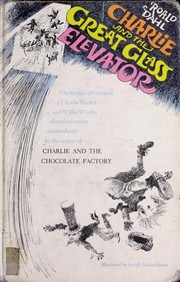
I came to this book backwards from the chocolate factory, like most people. I had read Charlie and the Chocolate Factory as a kid and loved the tickets and the punishments and the closing ride through the roof. I assumed the sequel would be more factory. It is not. It starts in that glass elevator and then leaves the factory behind for orbit, a space hotel, monsters, age pills, and a trip below zero. That swerve caught me off guard in a good way, even if the book never finds the focus of the first one.
Roald Dahl published it in 1972, eight years after the first Charlie book, and you can feel the gap. The jokes are louder, the satire broader, the science sillier on purpose. It reads like three linked adventures jammed together. I liked large stretches. I also see why many readers remember it less fondly. It is wilder and messier, and uncomfortable where Dahl lets his taste for mocking old people and politicians run long.
The setup picks up seconds after the previous ending. Charlie Bucket, his parents Mr and Mrs Bucket, his grandparents Grandpa Joe, Grandma Josephine, Grandpa George and Grandma Georgina, and Willy Wonka are crammed in the Great Glass Elevator. The plan is simple, drop back down into the factory. The problem is that the grandparents are frightened and shouting, and Wonka gets distracted showing off buttons. The elevator keeps rising. Before anyone can fix it, they have overshot the factory and left the atmosphere.
When the elevator keeps going up
What I like about this opening is how fast Dahl turns panic into farce. The Buckets have just been rescued from poverty. They are wearing nightclothes. Three grandparents have barely left bed in twenty years. Now they are in a glass box above Earth, looking down at the curve of the planet, arguing about whether Wonka knows what he is doing. Charlie stays calm. Grandpa Joe tries to stay loyal to Wonka. The grandmothers assume they are about to die and say so loudly.
Dahl uses the elevator itself as a character. It is all glass, so everyone sees everything. It has buttons for every direction. Wonka loves explaining it. He treats near disaster as a tour feature. He is less mysterious and more talkative here, a showman who will press another button to fix the problem caused by the last one.
The overshoot matters because Dahl needs them stuck in orbit. They cannot simply drop back. Wonka miscalculates, Dahl keeps the physics vague in a way that works for children, and they fall into an orbit that brings them close to something new, a huge structure America has just parked in space. That is where family comedy turns into space parody.
This section moves quickly, which helps. The image of the whole family floating in nightshirts while Wonka fiddles with controls is strong. The weakness, which lasts through the book, is that Charlie has little to do except watch and worry. In the factory he made choices. Here he mostly reacts while Wonka acts and the grandparents complain.
The Space Hotel USA and President Lancelot R. Gilligrass
The big object in orbit is the Space Hotel USA, a new American hotel in space built to prove skill and make money. Dahl presents it as luxurious and empty, waiting for first guests and staff. A commuter capsule is on its way up with pilots and hotel workers to open it. When the workers and the people on the ground spot the Great Glass Elevator, they have no idea what it is. A glass box full of people in pajamas matches no known spacecraft. The panicked conclusion is that it must be aliens.
That mistake drives the middle of the book. Down on Earth, President Lancelot R. Gilligrass is told aliens have arrived. Dahl writes him as vain, nervous and childish, surrounded by advisers eager to sound tough. The President calls meetings, demands action, invents threats, changes his mind, and worries mostly about how he looks. His generals suggest blowing things up. They argue over who controls space.
I laughed a few times at Gilligrass, but this is where the book feels dated. The joke is built on Cold War space race pride and on making the American president look foolish. Written in the early seventies, during Apollo and intense American and Soviet competition, the target was clear. Some of it still lands. Some drags because Dahl repeats the same point. After the third meeting scene, I wanted to get back to Charlie.
Up in orbit the confusion gets worse. The capsule docks with the hotel. The staff enter. They hear movement and assume invasion. Wonka decides to dock too and look around. He brings Charlie and Grandpa Joe, leaving the rest of the family in the elevator. They float through silent corridors and luxury rooms with odd low gravity plumbing. Dahl clearly enjoys those details. Those pages reminded me of the factory tour at its best, pure invention for fun.
Dahl contrasts frightened officials with Wonka, who treats everything as a game, and with Charlie, who notices how scared everyone is. The satire is not subtle. You are meant to side with the odd inventor and the kind boy against uniforms and press conferences.
The Vermicious Knids arrive
Then the tone changes. The real aliens show up.
They are called Vermicious Knids. Dahl presents them as huge, dark, egg shaped creatures from a distant planet, able to stretch and squash themselves, able to live in space, hungry for anything living. Each Knid is enormous, with a glaring eye and a mouth that opens impossibly wide. They travel as a swarm. They can form letters with their bodies to spell their name in the sky, which is both funny and creepy. Wonka knows of them from old space lore. He has waited for a chance to see one. Everyone else is horrified.
The Knids attack the hotel and the commuter capsule. Dahl writes these scenes with real menace for a childrens book. The Knids wrap around the capsule. They squeeze. They chase the astronauts. They eat hotel workers who cannot escape, though Dahl keeps the violence off stage and cartoonish rather than graphic. The threat feels serious because the Knids cannot be reasoned with. They do not talk politics. They just eat.
What saves the humans is Wonka thinking sideways. He uses the elevator as a tow truck. He links it to the damaged hotel and drags weight where no ordinary ship could. There is a long chase in orbit, with the elevator pulling and dodging while Knids pursue. Charlie helps by staying steady and spotting danger. Grandpa Joe shouts encouragement. Back in the elevator, the rest of the family screams.
I thought these chapters were the strongest in the book. A predator that can turn itself into any shape is perfect for Dahl, who loved bodies that stretch and squash. The pages where a Knid flattens thin or balls up tight have a visual snap that the political scenes lack. If you read aloud to a child, this is where voices get louder.
The resolution is clever and a little ruthless. Wonka realizes the Knids cannot survive the heat of entering Earths atmosphere. He lures them to follow the elevator down. They chase him into thicker air, start to glow, then burn. Reading now, I noticed how little pity Dahl allows the Knids. That fits the tone, but it makes the middle feel colder than the factory book, where even punished children were returned home in comic shape.
Afterward the Americans reverse course. The invaders turn out to be a boy, old people in bed, parents, and a strange chocolatier. The President is embarrassed. The generals invent new stories. Dahl squeezes this for comedy. It works, though by now I was ready to return to solid ground.
Wonka-Vite and the age chaos back at the factory
Once the elevator drops back, the book becomes a second story. The family finally sees where they will live. But Grandpa George, Grandma Georgina and Grandma Josephine refuse to leave bed. They complain about Wonka, about noise, about youth. Dahl mocks them without mercy. Some of this is funny. Much feels meaner than needed, especially toward old women. That thread bothered me more as an adult.
Wonka offers a solution. He has made Wonka-Vite, a pill that makes people younger. A small dose removes twenty years. More removes more. The grandparents, all in their nineties, see a chance to feel young again. They do not listen to instructions. This is very Dahl. Adults ignore clear warnings, children watch in horror, chaos follows dosing.
The famous mishap follows. Grandma Georgina takes far too much Wonka-Vite. Instead of stopping at middle age or youth, she keeps getting younger. She becomes a small child, then a toddler, then a baby, then she vanishes. Dahl explains that she has gone below zero, past birth into negative age. She is now in Minusland, where people who subtracted too much age wait.
I found this idea strange and strong. It takes a familiar wish, to be younger, and pushes it until it turns scary. A grandmother fading into infancy is comic for a page and then sad. Charlie is upset. Mrs Bucket is upset. Wonka, who left powerful pills where stubborn people could grab them, acts both guilty and excited to fix it. Wonka is a genius inventor and a careless caretaker. He never locks anything up.
The factory scenes around this are fun. There is Vita-Wonk, a related invention that adds age, made from samples taken from ancient creatures and trees. There are Oompa-Loompas wheeling beds and laughing. It feels closer to the first book, with Charlie asking sensible questions while Wonka brags.
Below zero into Minusland
Minusland is one of Dahls oddest inventions. It is not outer space. It is under arithmetic, below zero, where people who took too much Wonka-Vite end up as faint figures waiting to be rescued. Dahl describes it as cold and misty and empty, with stingy creatures called Gnoolies that harass the lost ones. Time behaves differently there. The lost do not eat or sleep normally. They fade if left too long.
Wonka decides to rescue Georgina by taking the elevator down into Minusland. He brings Charlie and Grandpa Joe because Charlie is brave and Joe will not let Charlie go alone. The trip down mirrors the trip up at the start. Going up led to monsters in space. Going down leads to ghosts under age. Instruments spin. Cold creeps through the glass. Dahl keeps it vague enough to let a young reader fill in the scares.
The rescue is fiddly in a way I liked. They cannot simply grab Georgina and rise. They must give her the correct dose of Vita-Wonk to bring her back to her real age without overshooting into extreme old age. Too little and she stays stuck. Too much and she might age past ninety into something brittle. Wonka calculates on the fly, which is worrying given his record. Charlie holds her coat, talks to her, keeps her calm. Joe helps lift. The Gnoolies swarm and Wonka drives them off.
When they return, Georgina is herself again, chastened but still sharp tongued. The other grandparents stop demanding pills for a while. Mrs Bucket cries with relief. Charlie feels older, not in years but in responsibility. He has been to orbit and below zero in one week.
This is my favorite beat. Charlie keeps saving adults from their own appetites. In the factory he saved himself by not grabbing. Here he saves his grandmother by staying steady while adults overdose and panic. Dahl never states it plainly, which is good.
The rules here are loose. Doses work as the plot needs. Gnoolies appear and vanish without much explanation. If you want hard logic, you will be annoyed. If you accept a fable about greed for youth, the looseness matters less.
An invitation to the White House
The book ends back in public. After the rescue, the President invites Charlie, his family and Wonka to the White House. Gilligrass wants to thank them, to be seen with heroes, to turn embarrassment into ceremony. Dahl plays it as both honor and joke. The family that lived in a tiny house on cabbage soup will now sleep in grand bedrooms and meet the most powerful man in America. Wonka plans what to wear. The grandparents argue about manners. Charlie wonders if the President will listen this time.
I liked this closing because it returns to class and kindness, the heart of the first book. Charlie was poor and polite. He is still polite when praised. He does not gloat. Dahl contrasts that with Washington hunger for credit. Everyone near the President wants a photo or souvenir. Charlie just wants his family safe.
It is also where dated politics return most strongly. Dahl treats America as loud, rich, boastful and easily fooled. That was a popular comic stance in Britain in the seventies, and Dahl pushes it hard. American readers may find it tiresome now. I did in places. The President is less a person than a button Dahl presses for a laugh.
The fair criticism is that this sequel is weaker than its predecessor. The first book had a clear engine. Five children enter, four fail tests, one kind boy inherits. Every room taught something. This book has no single engine. It has a space chase, then an age pill accident, then a rescue, then an invitation. The pieces connect through the elevator, but they do not build the way the factory tour did. Charlie learns less because there is less to learn. He is already good. Wonka teaches less because he is busy showing off.
Still, weaker Dahl stays inventive. The Knids are great monsters. Wonka-Vite is a sharp idea about fear of aging. Minusland is memorably eerie. The elevator remains a wonderful machine. And the family scenes, when Dahl is not mocking the grandparents too hard, have warmth that holds the episodic plot together.
If you loved the factory, read it right after, preferably in the Puffin edition with Quentin Blake drawings if you can find them. Read it with children and pause to talk about parts that aged poorly, jokes about old people, American stereotypes, the gleeful killing of the Knids. Those talks do not spoil the fun. This book benefits from an adult nearby saying, that joke was common then and unkind now, what do you think.
For me the lasting image is Charlie in the glass box while adults shout. He does not press buttons to prove himself. He holds on, watches, helps where he can, and stays kind when rescued people rewrite history. That steadiness is why Wonka chose him. It is why, even in a baggy sequel, Charlie remains easy to root for all the way down to Minusland and back up to Washington.
FAQ
When was Charlie and the Great Glass Elevator published and how long is it?
It was first published in 1972, and this post cites the Puffin Books edition at 208 pages.
Do I need to read Charlie and the Chocolate Factory first?
Yes, read the factory book first. This sequel starts seconds after that ending and assumes you know Charlie, Grandpa Joe and Wonka.
Is the sequel suitable for young children?
Yes with guidance. The Knids, Minusland and jokes about age and politicians benefit from an adult giving context.
Similar books
The Witches
A boy and his grandmother face the Grand High Witch's plan to turn England's children into mice.
2,738-word summary · 12 min read
James and the Giant Peach
Lonely James escapes two cruel aunts inside a giant peach with huge insect friends, rolling to the sea and floating on gulls to New York City.
2,384-word summary · 11 min read
The Borrowers
A family of tiny people live under the floorboards of an English house, borrowing what they need until a lonely boy and a suspicious housekeeper change…
2,164-word summary · 10 min read
The Neverending Story
Bastian steals a book about Fantastica dying and learns he must name and wish to save it.
1,941-word summary · 9 min read
The Silver Chair
Eustace and Jill retold: four signs, a lost prince, Puddleglum the Marsh-wiggle, giants at Harfang, and the Lady below.
2,940-word summary · 13 min read
The Phantom Tollbooth
A bored boy drives a toy car through a magic tollbooth into the Kingdom of Wisdom and learns to care about words, numbers and time.
2,765-word summary · 12 min read
The Last Battle
Lewis ends Narnia: Shift ape false Aslan, King Tirian last stand, Jill and Eustace at Stable Hill, and a morning beyond the world.
3,037-word summary · 13 min read
The Horse and His Boy
Shasta and Bree flee Calormen to Narnia with Aravis and Hwin.
2,594-word summary · 12 min read
Peter Pan
Wendy, John and Michael fly to Neverland with Peter, face Hook, and learn what growing up costs.
2,502-word summary · 11 min read
The Wonderful Wizard of Oz
Dorothy is carried to Oz by a cyclone and walks the yellow brick road with Scarecrow, Tin Woodman, and Lion.
3,297-word summary · 15 min read
The Voyage of the Dawn Treader
Lewis sends Lucy, Edmund and Eustace aboard Caspian's Dawn Treader to find seven lost lords, past dragon gold, dark dreams and the world's edge.
2,330-word summary · 10 min read
Prince Caspian
The Pevensies return to ruins at Cair Paravel and help Caspian take back Narnia from Miraz.
2,304-word summary · 10 min read
The Magician's Nephew
C. S. Lewis's Narnia origin story retold: Digory and Polly, the Wood between the Worlds, the waking of Jadis in Charn, Aslan's singing creation, and the apple…
2,528-word summary · 11 min read
The Lion, the Witch and the Wardrobe
C. S. Lewis's Narnia opener retold: four Pevensies, the White Witch's winter, Aslan's sacrifice, and the crowning at Cair Paravel.
2,502-word summary · 11 min read
The BFG
Orphan Sophie is taken by the Big Friendly Giant, who blows happy dreams and eats vile snozzcumbers, and helps her stop nine man eating giants.
2,812-word summary · 12 min read
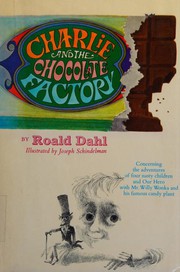
Charlie and the Chocolate Factory
Poor Charlie Bucket finds a golden ticket to tour Wonka's factory with four spoiled kids.
3,574-word summary · 16 min read
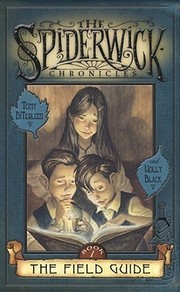
The Field Guide
Three siblings move into a creepy Maine estate, anger a brownie, and find a forbidden guide to the fairy world in the first Spiderwick book.
2,033-word summary · 9 min read
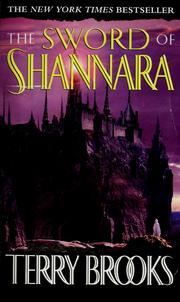
The Sword of Shannara
A young half-Elf and a company of companions set out to recover a magic sword before the Warlock Lord destroys the Four Lands.
2,474-word summary · 11 min read
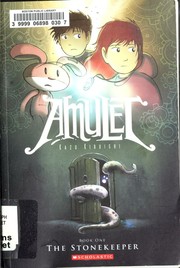
The Stonekeeper
After their father's death, Emily and Navin chase a monster into a hidden world to save their mother, and Emily's great-grandfather's amulet offers power at a…
2,753-word summary · 12 min read
The Swiss Family Robinson
Shipwrecked Robinsons build treehouses and tame island beasts.
2,400-word summary · 11 min read
The Indian in the Cupboard
Omri learns a key turns plastic Little Bear into a live Iroquois man.
2,228-word summary · 10 min read
The Complete Fairy Tales
Mermaids, snow queens and tin soldiers in the full Andersen collection.
2,414-word summary · 11 min read
Into the Wild
Housecat Rusty joins ThunderClan and learns clan law before war.
2,597-word summary · 12 min read
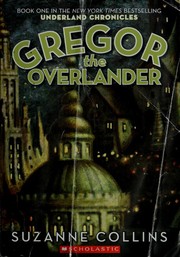
Gregor the Overlander
Gregor follows Boots down a grate into the Underland and a war prophecy.
2,516-word summary · 11 min read
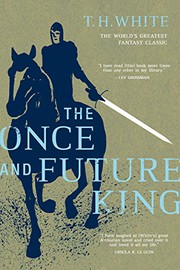
The Once and Future King
T.H. White retells Arthur from boyhood with Merlyn to Camelot's fall, mixing comedy, myth, and a hard look at war and power.
2,200-word summary · 10 min read
The Miraculous Journey of Edward Tulane
A china rabbit lost at sea learns to love through owners kind and cruel across many years.
2,002-word summary · 9 min read
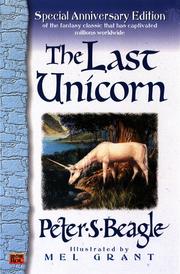
The Last Unicorn
A unicorn learns she may be the last of her kind and sets out to find the others, with a failed magician and a tired woman at her side.
2,245-word summary · 10 min read
The Demigod Files
Three Percy Jackson side quests plus camp maps, cabin guides, interviews, and god profiles set before the final battle.
2,498-word summary · 11 min read
The Prince and the Pauper
Tom Canty and Prince Edward swap clothes in Tudor London and live each other's lives, from palace dinners to prison cells, until a hidden seal decides the…
2,979-word summary · 13 min read
Redwall
A novice mouse hunts for Martin the Warrior's lost sword while Cluny the Scourge besieges Redwall Abbey.
2,727-word summary · 12 min read