
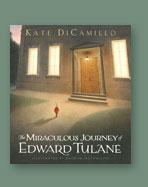
The Miraculous Journey of Edward Tulane
2,002-word summary 9 min read 198 pages in the book
- First published
- 2006
- Publisher
- Candlewick Press
- Pages
- 198
- ISBN
- 9780763625894
Reading options
What's inside (8 sections)
I read this aloud to a child who kept asking if Edward would be okay, and I found myself unsure in the best way. It is a short book with large feelings about love, loss, and learning to care over many seasons. First published in 2006 by Candlewick Press, at 198 pages in the first hardcover, it stands alone. The story follows a china rabbit who starts vain and ends able to love, through owners kind and cruel across many years.
Edward Tulane is a toy rabbit made of fine china, with silk suits and a pocket watch, owned by a girl named Abilene who adores him. He thinks well of himself and little of others. On an ocean voyage he falls overboard, and the sea strips his finery and pride. What follows is a chain of homes. A fisherman and his wife. A hobo and his dog. A sick girl and her brother. Each names him differently and teaches him something about hearts.
DiCamillo writes in clear, gentle prose with Bagram Ibatoulline's soft illustrations alongside in print editions. Chapters are short enough for bedtime but heavy enough to pause on. The book suits middle grade readers and adults who do not mind crying over a toy.
Abilene and the fall
The opening is plush. Abilene Tulane, a ten year old in a grand house, loves Edward with full attention. She dresses him for dinner, talks to him at night, and takes him on a ship trip with family. Her grandmother tells stories about a princess who never loved, a tale that frames Edward without preaching. Edward listens with boredom. He likes being admired, not knowing.
His vanity is specific. He checks his suits, looks down on other toys, and barely notices Abilene's care beyond comfort. When a boy on the ship handles him roughly, Edward feels insult rather than fear. That self regard makes the fall work. He slips from a rail during rough play and sinks fast. The sea does not care about silk.
Underwater time passes in blank cold. Edward lies on the floor of the ocean, unable to move, thinking for the first time about Abilene's face. He replays her voice and feels a new ache that is not a crack in china. It is the start of a heart, though he would scoff at the phrase. DiCamillo lets this change happen slowly, without magic words.
A storm frees him into a net. A fisherman named Lawrence pulls him up, and his wife Nell cleans him, sews a new suit from scraps, and sets him on a shelf. They call him Susannah, which Edward hates. Yet their small house with fish stew and quiet routines gives him his first taste of ordinary love. He watches them care for each other without show and starts to value it.
This section teaches how to read the book. Names will change. Clothes will change. Love will look different in each house. Edward's task is to notice and keep noticing, even when it hurts. Young readers grasp this fast. Adults may need longer because we want progress to be permanent.
Lawrence, Nell, and Bull and Lucy
Lawrence and Nell are older, poor, and kind in practical ways. Lawrence mends nets. Nell cooks and hums. They talk to Edward as if he hears, which he does in his own way. For months Edward sits and watches light move across floors. He learns that care can be boring and steady rather than grand. That lesson will carry him.
Loss comes without villainy. A storm of life, not malice, pulls Edward away again. He is thrown from a train or tossed in trash depending on telling, the book keeps travel a little dreamlike, and lands with a hobo named Bull and his dog Lucy. Bull names him Malone and carries him in a sack with care. Lucy licks his ears. Edward, who once despised dirt, feels grateful for warmth.
Bull's chapters are my favorite for sound. Train yards, fires, harmonica notes, and stories traded for food. Bull treats Edward like a fellow traveler, not a toy. He tells him about brothers lost and roads walked. Lucy guards them both. Edward learns to listen without admiring himself in the listening. That is growth, though he cannot name it.
Cruelty enters through men who mock softness. They smash and toss, and Bull cannot stop them. Edward breaks in small ways and is mended badly. He learns that love does not prevent harm. Bull weeps when they part, and Edward, who once felt nothing, feels cracked open in a place no glue reaches. DiCamillo writes this without sentimentality. A dog's loyalty, a man's song, and a rabbit's ache sit together plainly.
Children hearing this part often ask why bad things happen to good toys. The book does not answer with moral math. It shows that travel involves weather and people, both kind and harsh. What matters is that Edward keeps the capacity to care after hurt rather than closing. That is a lot to ask of a china rabbit and of us.
Sarah Ruth and Bryce
The longest stay comes with Sarah Ruth, a sick girl, and her brother Bryce, who works hard to keep them fed. Bryce finds Edward in a dump and brings him home, naming him Jangles for the music he imagines. Sarah Ruth, thin and coughing, loves Edward at once with a fierceness that scares and heals him.
Their home is spare. Bryce washes dishes in a diner, counts coins, and carries his sister to breathe easier near windows. He carves Edward a new crown from scraps and tells jokes to make Sarah Ruth laugh without coughing. Edward watches and learns a sharper love than Nell's calm. This love is urgent, with time running short.
Sarah Ruth talks to Edward at night about stars and fears. She asks if he will watch over Bryce when she is gone. Edward wants to promise with his whole china body. He cannot move or speak, but he attends with everything he has. When she dies, the grief in the house is quiet and total. Bryce holds Edward too tight, then lets go in anger and sorrow.
Bryce's next choices lead Edward to a diner and to further hands, including a cook and a child who needs him briefly. I will not map every stop to keep some discovery, but each stop trims Edward's pride further. He stops minding new names. He stops ranking suits. He starts asking, in his silent way, how to love better rather than how to look better.
This middle is sad, and adults should know that going in. A child's death is handled gently but directly. There is no trick revival. Loss stands. What remains is how Bryce and Edward carry her love forward. For young readers, having a grown up nearby helps. For adults reading alone, tissues help too.
Shop shelf and waiting
After travels, Edward lands in a doll shop on a high shelf, repaired but tired. He can see the street and hear customers. He waits through seasons. Other toys sell. He does not. He begins to despair that love always ends in parting, so why open again. That despair feels honest after Sarah Ruth. Even kind readers may feel impatient with him here, which is fair.
The shopkeeper is decent, dusting him and moving him to light. A mouse befriends him in quiet nights and tells stories of the shop. Edward listens and says little, even in thought. His inner voice, once snobbish, turns flat. He counts days rather than suits. DiCamillo risks boring us to show what waiting costs. Mostly it works because we remember his road and fear he will close.
Abilene's grandmother story returns in memory. The princess who would not love turned to warthog in tale, a harsh image for a kids book that lands as warning rather than threat. Edward understands at last that refusing love protects nothing. It only ensures loneliness before loss. That turn prepares the final gift of the book, which is not a rescue but a readiness.
The shop chapters also show repair as theme. Edward has been glued many times. Cracks show. Gold seams catch light. He is less fine than at start and more beautiful for it. Children often touch book pages here and trace cracks in art. Adults see the metaphor without needing it named. Broken and mended beats perfect and cold.
Patience pays without fireworks. One spring morning the bell rings and someone Edward knows walks in. I will leave who and how for your reading, because the lift of recognition is the book's best page. It is not magic that saves him. It is being seen by eyes that loved him long ago and choosing to love back with a cracked, open heart.
What glows and what tests
The strength is voice. Simple sentences carry large feelings without crowding. DiCamillo trusts images, a pocket watch, a sewn suit, a harmonica, to hold meaning. Chapters end with room to breathe. Reading aloud feels natural because rhythm is steady and words are chosen for mouths as well as minds.
Specifics help young readers stay. Fish stew smell, train smoke, diner coffee, hospital quiet. Each home has a scent and a sound. Owners have habits, not just traits. Lawrence mends, Bull sings, Bryce counts change, Nell hums while sweeping. Those verbs teach character faster than adjectives, which keeps pages moving for short attention spans.
Fair criticism: some adults will find the middle sad and slow. Travel repeats in shape, kind home, loss, road, which can feel episodic. The hobo and fisherman sections share beats. A child may not mind, but a parent reading nightly might wish for quicker turns. The shop wait also lingers. Trimming ten pages there would keep momentum without losing ache.
Theology hovers lightly. Love opens hearts, loss deepens them, and care returns in new forms. Some families will read faith into it, others will read humanism. The book allows both without pushing. That openness suits classrooms and homes with varied beliefs, though readers wanting clear answers may feel it hedges.
At 198 pages in first hardcover, with illustrations that soften hard parts, it fits middle grade and family read aloud. Pair it on this site with Because of Winn Dixie and The Tale of Despereaux by the same author for voice and kindness, or with Holes for a different kind of journey. If you want fast plot and jokes, choose another shelf. If you want a story that teaches how to love after loss without lecturing, let Edward travel with you a while.
How to share it with kids
Read two chapters a night and stop at natural rests. Ask who named Edward in each home and why the name fits that giver. Kids love tracking Susannah, Malone, Jangles, and back to Edward. That game holds attention through sad parts and shows how identity shifts with care.
Pause at the grandmother tale and at the shop shelf. Ask what it means to close a heart to avoid hurt. Let kids answer with pets, friends, or grandparents in mind. Do not correct toward moral. The book works best when children connect Edward's cracks to their own scrapes and mends.
Keep light on after Sarah Ruth chapters. Her illness and death can worry young listeners at bedtime. Read those pages in daytime with time to talk after. Name grief plainly and note how Bryce keeps going with help. That honesty comforts more than skipping. End with drawing favorite homes or sewing a small patch like Nell, so hands process what hearts feel.
The illustrations deserve slow looks. Ibatoulline paints light on water, dust in shops, and tired faces with care. Let kids study a picture before you read its chapter. Ask what the room tells about the owner. Those visual clues build empathy and slow the rush toward plot, which is exactly how Edward learns to see.
FAQ
When was Edward Tulane published?
Candlewick Press published The Miraculous Journey of Edward Tulane in 2006. The first hardcover runs 198 pages and stands alone.
Who is Edward Tulane?
Edward is a china rabbit who starts vain and cold. Loss, a fisherman, a hobo, and a sick girl teach him to open his heart.
Similar books

Into the Wild
Housecat Rusty joins ThunderClan and learns clan law before war.
2,597-word summary · 12 min read

Gregor the Overlander
Gregor follows Boots down a grate into the Underland and a war prophecy.
2,516-word summary · 11 min read

The Field Guide
Three siblings move into a creepy Maine estate, anger a brownie, and find a forbidden guide to the fairy world in the first Spiderwick book.
2,033-word summary · 9 min read
The Stonekeeper
After their father's death, Emily and Navin chase a monster into a hidden world to save their mother, and Emily's great-grandfather's amulet offers power at a…
2,753-word summary · 12 min read

The Indian in the Cupboard
Omri learns a key turns plastic Little Bear into a live Iroquois man.
2,228-word summary · 10 min read
Hoot
Roy tracks a shoeless boy to save burrowing owls from a pancake house.
2,290-word summary · 10 min read
The Demigod Files
Three Percy Jackson side quests plus camp maps, cabin guides, interviews, and god profiles set before the final battle.
2,498-word summary · 11 min read
Redwall
A novice mouse hunts for Martin the Warrior's lost sword while Cluny the Scourge besieges Redwall Abbey.
2,727-word summary · 12 min read
Princess Academy
Miri leaves her Mount Eskel quarry home for Princess Academy, where quarry songs, books, and a bandit siege shape her fight for fair trade, a school, and a…
2,441-word summary · 11 min read
Magyk
A baby found in snow, a lost seventh son, and a run for the Marram Marshes as Marcia Overstrand shields two children from DomDaniel.
2,604-word summary · 12 min read
The Tale of Despereaux
A bookish mouse, a light loving rat, and a servant girl meet in a castle where soup is banned to save Princess Pea.
2,680-word summary · 12 min read

Bone, Vol. 1: Out from Boneville
Three cartoon cousins are run out of Boneville, separated by locusts, and dropped into a valley where rat creatures and an old grudge are waiting.
2,155-word summary · 10 min read

The Icebound Land
Captured and enslaved in Skandia, Will fights a drug that erases him while Halt and Horace cut a bloody road through Gallica to bring him home.
2,088-word summary · 9 min read

Secrets of the Dragon Sanctuary
Kendra is replaced by a plant copy and held by the Society, while Seth steals a unicorn horn so the family can enter a dragon sanctuary.
2,590-word summary · 12 min read
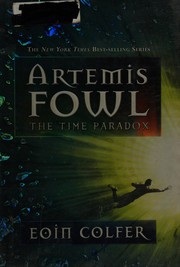
The Time Paradox
When his mother falls ill with a fairy disease, Artemis Fowl travels back in time to find the extinct lemur that can cure her and confronts his younger self.
2,601-word summary · 12 min read
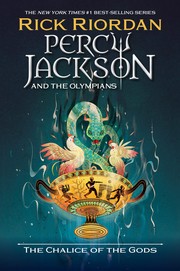
The Chalice of the Gods
Percy needs three recommendation letters from three gods to apply to college, so his first quest is recovering a stolen chalice from the god of old age.
2,106-word summary · 9 min read

Grip of the Shadow Plague
A plague turns Fablehaven's creatures of light into shadows while Kendra hunts an artifact in Arizona and Seth races to find the cause.
2,131-word summary · 9 min read
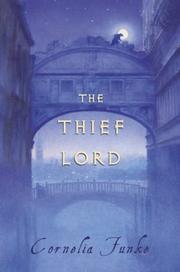
The Thief Lord
Orphaned brothers join a gang of Venice street kids and a masked Thief Lord, chasing a magic merry-go-round that can change a person's age.
2,040-word summary · 9 min read

The Borrowers
A family of tiny people live under the floorboards of an English house, borrowing what they need until a lonely boy and a suspicious housekeeper change…
2,164-word summary · 10 min read
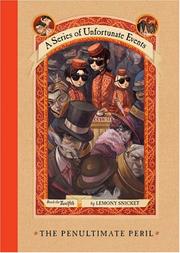
The Penultimate Peril
Baudelaires as concierges in a hotel sort friends from foes before the end.
2,234-word summary · 10 min read
The End
Baudelaires wash on an island where others decide what safe means.
2,320-word summary · 10 min read

A Swiftly Tilting Planet
Charles Wallace rides time with a unicorn to stop a dictator before birth.
2,193-word summary · 10 min read

Charlie and the Great Glass Elevator
Charlie and Wonka overshoot Earth in the glass elevator, meet alien Knids, then risk age pills and Minusland.
2,514-word summary · 11 min read
The Hostile Hospital
The Baudelaires hide in half-built Heimlich Hospital, uncover a thirteen-page file hinting a parent survived, and flee Olaf's surgery trap through fire.
2,658-word summary · 12 min read
The Grim Grotto
Snicket eleventh Baudelaire book, Sept 2004 HarperCollins, 323 pages: the Queequeg crew, Gorgonian Grotto fungus, Fiona choice, and Sunny wasabi cure that…
2,789-word summary · 12 min read
The Jungle Book
Mowgli, raised by wolves in the Seeonee Hills, learns the Law from Baloo and Bagheera while Shere Khan circles. Kipling's 1894 story collection.
2,799-word summary · 12 min read

The Carnivorous Carnival
Baudelaires hide as carnival freaks to find V.F.D. clues, facing lions, Olaf, and a fateful cliff split.
2,027-word summary · 9 min read

Stuart Little
A two-inch boy in a New York family befriends a canary, loses her, and drives off alone to find her.
2,591-word summary · 12 min read
Rise of the Evening Star
Kendra and Seth return to Fablehaven as the Society of the Evening Star closes in, with a traitor inside the house and a demon prison key at stake.
2,874-word summary · 13 min read
The Wishing Spell
Twins Alex and Conner fall through a book of fairy tales and must gather eight keepsakes to get home.
2,714-word summary · 12 min read