
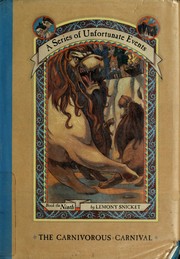
The Carnivorous Carnival
2,027-word summary 9 min read 286 pages in the book
- First published
- 2002
- Publisher
- HarperCollins
- Pages
- 286
- ISBN
- 9780064410120
- Series
- A Series of Unfortunate Events (#9)
Reading options
What's inside (9 sections)
The Carnivorous Carnival is book nine in A Series of Unfortunate Events, and it is where the series turns meaner and sadder in the best way. Violet, Klaus, and Sunny, framed for murder after the hospital fire, hide in a carnival freak show while Count Olaf hunts V.F.D. files. I reread it with my nephew and we both gasped at the cliffhanger.
Arrival in Olaf's trunk
After escaping the Hostile Hospital under suspicion of arson and murder, the Baudelaires hide in the trunk of Olaf's car with no plan beyond staying alive. The car joins the troupe heading to Caligari Carnival, a sad roadside lot with a roller coaster that barely runs, a fortune teller tent, and a freak show no one attends. Hunger decides. They volunteer as freaks to get food and cover.
Disguises are quick and clever. Violet and Klaus pose as Beverly and Elliot, a two headed person, by sharing a coat and moving in sync. Sunny poses as Chabo the Wolf Baby with torn clothes and growls. Staff accept them because the carnival needs acts and asks no questions. Olaf stalks around with girlfriend Esme Squalor, planning to force Madame Lulu to reveal where the Snicket files and surviving Baudelaire parents might be.
What works is how Snicket uses disguise to talk about being seen. As orphans the Baudelaires were ignored. As freaks they are stared at and still unseen. Violet's inventing hands are tied by the two headed act. Klaus's reading is limited to what freaks are allowed. Sunny's teeth, actually useful, must be played as snarl. Hiding costs skill, which is the series' quiet thesis. Safety often requires shrinking.
My nephew loved the trunk ride detail. Dark, hot, Olaf singing off key, Esme demanding snacks. He laughed, then asked if they could breathe. Snicket answers with practical notes about air holes that teach without pausing story. That direct address to reader about breathing, about hunger, about fear keeps kids anchored when plot gets cruel.
Hugo, Colette, Kevin, and Olivia
The freak caravan holds Hugo the hunchback, Colette the contortionist, and Kevin the ambidextrous man who thinks he is freakish for using both hands equally. They are kind at first, sharing stew and blankets, teaching the Baudelaires how to bow for coins. Their self shame, taught by audiences, hurts to read. Hugo hides his back. Colette folds herself smaller. Kevin apologizes for dexterity. The Baudelaires, used to being called orphans as insult, recognize the trick. Call a difference a freakishness and you can charge to stare.
Madame Lulu, fortune teller with a glass ball and heavy accent, is actually Olivia, a V.F.D. member feeding Olaf guesses from a secret library to survive. She knows more than she tells and tells more than she should. When the Baudelaires sneak into her tent and find the archival room of newspaper clippings and maps, she drops the act and admits the ball is theater with lights and a fan. Give people what they want, she says, and they pay. It is a bleak motto for an adult who wanted to help but chose comfort.
Olivia's deal with the kids is important in a quiet way. She will help them reach the Mortmain Mountains where V.F.D. survivors may hide if they take her along and keep her secret from Olaf. The Baudelaires agree though they distrust her. Desperate people make quick pacts. Snicket does not judge. He shows math. Three hungry kids plus one guilty adult equals a chance.
Esme, meanwhile, plays villain with style. She wants to be the star, jealous of Lulu's hold on Olaf, and offers the freaks jobs with Olaf if they vote to feed Lulu to lions. Hugo, Colette, and Kevin, tired of coins and craving respect, agree. Betrayal here is not monstrous cackling. It is tired workers choosing a paycheck over a friend. That hurt my nephew more than Olaf's schemes. Friends can be bought when hungry enough.
Lions and the pit
Olaf revives the carnival by announcing a lion feeding. Starved lions, a pit, a crowd that wants blood. It is grotesque and deliberately so, echoing real freak shows and public executions. The Baudelaires, chosen as Beverly and Elliot, must stall with jokes and inventions while the crowd chants. Violet rigs a brake, Klaus reads the crowd, Sunny gnaws a rope. They survive by stalling, not by fighting, which fits their age and tools.
The scene turns when the crowd, bored by delay, demands another victim. Esme pushes Lulu forward. Olaf's bald associate slips. Both fall to lions while the Baudelaires escape in chaos. Deaths happen off page but land hard because Lulu had just decided to be brave. Snicket refuses to save the almost redeemed. Good intentions late do not stop teeth. My nephew cried and then asked why. We talked about choices and timing, which is more than most kids books dare.
After, Olaf burns much of the carnival for insurance and effect, inviting the Baudelaires, still disguised, to join the trip to the mountains. They accept because no other ride leaves. On a steep road Olaf reveals Lulu told him who they are, takes Sunny hostage, and has the new freak recruits cut the caravan rope. Violet and Klaus roll toward a cliff edge with the book ending mid fall. Literal cliffhanger. My nephew shouted at the page.
What makes the lions more than shock is theme. Crowds pay to watch freaks die, just as readers devour unfortunate events for fun. Snicket implicates us lightly. You wanted excitement, here is cost. The Baudelaires learn that performing pain for coins corrodes both watcher and watched. They vow less performance after, a vow hard to keep while disguised.
Helquist art and read aloud notes
Brett Helquist's illustrations add gloom and jokes that text alone cannot. The freak caravan drawn cramped and warm, the lion pit all teeth and shadow, Olaf's grin too wide by half. Violet's inventing hands always busy in margins. Sunny's teeth gleam. Klaus peers through glasses that fog. My nephew studied pictures before chapters to guess danger, a habit Snicket invites by placing clues in art. A rope frayed here, a map edge there. Looking closely becomes survival skill for readers too.
Reading aloud works well if you lean into voices. Olaf booms, Esme squeals about what is in, Hugo apologizes for his back, Colette twists sentences as she twists, Kevin corrects left and right. Lulu switches from fake accent to tired plain speech when mask drops. That switch is the book's best read aloud moment. Drop the trill, sigh, speak clearly. Kids hear the cost of performance in one breath.
We paused often to define words Snicket defines himself. Carnivorous, dubious, static, ambidextrous. He stops story for dictionary play that never feels like school because examples involve lions and debts. My nephew now calls his little sister ambidextrous for using both hands to grab toys, which is exactly the playful learning Snicket wants. Vocabulary as freakish power reclaimed.
V.F.D. crumbs and growing up
Mythology thickens without solving. Snicket files, V.F.D. headquarters in the Mortmains, a parent possibly alive, a glass ball that is fake but a library that is real. Violet fixes the roller coaster to use as transport, showing inventing skill under pressure. Klaus decodes Lulu's maps and realizes how little they know. Sunny, aging into speech, says a few clear words that steer decisions. Each sibling grows into usefulness rather than waiting for rescue.
Snicket's style stays arch and kind. Definitions of words like carnivorous and dubious pause action for jokes that teach vocabulary. Warnings to put the book down if you want happy endings remind kids they can stop. Recipes for stew appear among threats. The narrator's sorrow feels real because he knew the Baudelaires' parents and failed them. That adult guilt frames kid resilience without stealing focus.
A fair criticism is repetition. Ninth book in, the pattern of Olaf in disguise, Baudelaires accused, narrow escape can tire. Here Olaf barely disguises, which helps, but the carnival setting still delays the mountain answers readers crave. Some kids may find the freak language dated. Snicket uses freak as period term while critiquing it, but modern readers may wince before the critique lands. A short chat about respectful words helps.
Read it in order if you can. It pays off Hostile Hospital and sets up Slippery Slope directly. At 286 pages it moves fast with illustrations by Brett Helquist that add gloom and jokes. We finished in three sittings and immediately started book ten. The Baudelaires are colder, hungrier, and less trusting than at the start. So is the reader, in a good way. Unfortunate events teach attention. Who feeds whom, who watches, who cuts ropes. Watch closely.
Freaks, choice, and empathy
The freak show chapters invite a talk many parents skip. Hugo, Colette, and Kevin believe they are freaks because audiences paid to stare and managers pocketed the difference. The Baudelaires, temporarily able bodied kids playing disabled for cover, see the trick from inside. Violet hates bending all day to play two headed. Klaus hates pretending to read slowly. Sunny hates growling instead of speaking. Their discomfort teaches what daily performance costs those who cannot drop the act at the border. Hugo cannot unbend his back at day's end. Colette cannot stop folding to please. Kevin cannot stop apologizing for hands that work fine.
Snicket, writing in 2002, uses period language while nudging readers to question it. Characters say freak because the carnival does. The narrator notes how the word does work for owners. Call people freaks and you can underpay, overwork, and feed them to lions when crowds thin. My nephew asked if we should still say the word. We agreed no, except when quoting history to show why it harmed. People first, then traits. Hugo who tells jokes, Colette who loves magazines, Kevin who cooks well. The book gives each a hobby beyond their act to insist on full personhood.
The betrayal vote, where the three choose Olaf jobs over Lulu, stings because it is economic rather than evil. Olaf offers steady pay, travel, no more coins tossed at scars. Lulu offers apology and risk. Tired workers choose rent. The Baudelaires judge at first, then remember times they stole bread and lied to eat. Hunger narrows morals for kids too. Forgiveness later, when Hugo and the others resurface with regret, feels earned rather than cheap because Snicket lets them live with the choice through several books. Actions have interest that compounds.
Olivia's library and what V.F.D. means here
Olivia's secret library, hidden behind the fortune tent's curtain, deserves attention as the book's hope chest. Newspaper clippings about fires, maps of the Mortmains with passes marked, photos of volunteers young and smiling, a list of safe places now burned. The Baudelaires read fast by lantern light, memorizing what they can before Olaf returns. Violet copies a map edge onto her palm with eyeliner. Klaus memorizes names to check later. Sunny chews a corner to hide evidence. Learning under threat becomes its own skill. They cannot take files, so they become files.
V.F.D. here is less an organization than a test. Volunteers who chose to help versus villains who chose to harm, with many in between who chose comfort. Olivia chose comfort for years, feeding Olaf guesses to keep her carnival. Her turn back to help costs her life but restores her name in the children's memory. Hugo, Colette, and Kevin choose comfort too, voting for jobs over a friend. Their later regret, shown in future books, proves choices can be revisited but not undone. Lions do not give refunds.
For new readers the initials can frustrate. Snicket withholds full meaning across books on purpose. What matters in Carnival is function, not expansion. A group that once put out fires now argues while libraries burn. The Baudelaires want parents, not acronyms. Olivia gives them direction rather than definition. Go to the mountains, find survivors, ask better questions. That suffices to walk toward. Mystery series often mistake answers for satisfaction. Snicket knows motion satisfies more. Keep the kids moving toward mountains while readers turn pages to follow.
FAQ
When was The Carnivorous Carnival published?
HarperCollins published it on October 28, 2002. It runs 286 pages and is book nine.
Is it part of a series?
Yes. It is A Series of Unfortunate Events book nine, between The Hostile Hospital and The Slippery Slope.
How do they disguise themselves?
Violet and Klaus pose as two-headed Beverly and Elliot, Sunny as wolf baby Chabo to hide in the freak show.
Similar books
More from A Series of Unfortunate Events first, then related titles.
The Bad Beginning
After a fire kills their parents, the Baudelaire orphans are sent to Count Olaf, who plots to steal their fortune.
2,759-word summary · 12 min read
The Reptile Room
Baudelaires find kind Uncle Monty until Olaf returns as assistant Stephano.
2,005-word summary · 9 min read
The Wide Window
The Baudelaires brave Aunt Josephine, Captain Sham and leech-filled Lake Lachrymose.
2,459-word summary · 11 min read
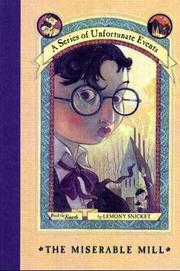
The Miserable Mill
Sent to work at the Lucky Smells Lumbermill, the Baudelaires face harsh labor, strange hypnotism, and a familiar villain in a new disguise.
2,662-word summary · 12 min read
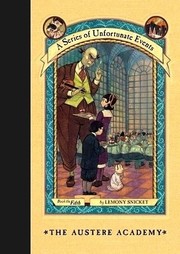
The Austere Academy
The Baudelaires endure Prufrock Prep, meet the Quagmires, and face Olaf as Coach Genghis in book five.
2,175-word summary · 10 min read
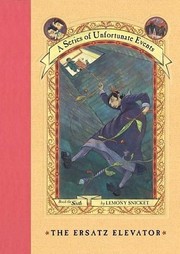
The Ersatz Elevator
Orphans climb endless stairs while a stylish guardian sides with Olaf.
1,961-word summary · 9 min read
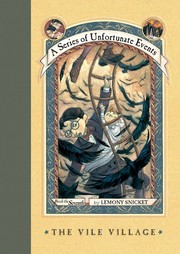
The Vile Village
Three orphans raised by a rule bound village find hidden friends and a sky escape in book seven.
2,971-word summary · 13 min read
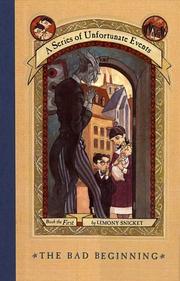
The Hostile Hospital
The Baudelaires hide in half-built Heimlich Hospital, uncover a thirteen-page file hinting a parent survived, and flee Olaf's surgery trap through fire.
2,658-word summary · 12 min read
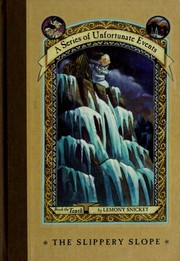
The Slippery Slope
Violet and Klaus climb icy peaks to rescue Sunny while Quigley and V.F.D. ruins change what they know.
2,678-word summary · 12 min read
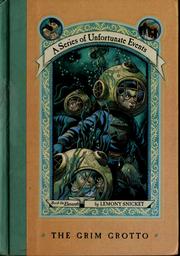
The Grim Grotto
Snicket eleventh Baudelaire book, Sept 2004 HarperCollins, 323 pages: the Queequeg crew, Gorgonian Grotto fungus, Fiona choice, and Sunny wasabi cure that…
2,789-word summary · 12 min read
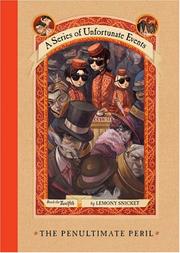
The Penultimate Peril
Baudelaires as concierges in a hotel sort friends from foes before the end.
2,234-word summary · 10 min read
The End
Baudelaires wash on an island where others decide what safe means.
2,320-word summary · 10 min read
Hoot
Roy tracks a shoeless boy to save burrowing owls from a pancake house.
2,290-word summary · 10 min read

Holes
Stanley Yelnats digs holes at Camp Green Lake while a broken promise, a buried outlaw, and a boy named Zero close in around him.
2,456-word summary · 11 min read

Bone, Vol. 1: Out from Boneville
Three cartoon cousins are run out of Boneville, separated by locusts, and dropped into a valley where rat creatures and an old grudge are waiting.
2,155-word summary · 10 min read

The Field Guide
Three siblings move into a creepy Maine estate, anger a brownie, and find a forbidden guide to the fairy world in the first Spiderwick book.
2,033-word summary · 9 min read

Hard Luck
Rowley has a girlfriend, so Greg turns to a Magic 8 Ball, a family Easter hunt and the school yearbook for answers.
2,586-word summary · 11 min read

Heist Society
A teenage art thief gets expelled from boarding school, then has two weeks to steal five paintings back from a London museum and clear her father.
2,781-word summary · 12 min read
The Third Wheel
Greg tries to find a date for the Valentine's dance, ends up the third wheel in his own plan, and watches Rowley get the girl.
2,019-word summary · 9 min read
The Thief Lord
Orphaned brothers join a gang of Venice street kids and a masked Thief Lord, chasing a magic merry-go-round that can change a person's age.
2,040-word summary · 9 min read
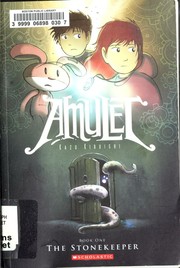
The Stonekeeper
After their father's death, Emily and Navin chase a monster into a hidden world to save their mother, and Emily's great-grandfather's amulet offers power at a…
2,753-word summary · 12 min read
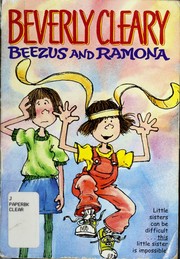
Beezus and Ramona
Nine year old Beezus tries to be a good older sister while four year old Ramona turns every ordinary day into a disaster, until a tenth birthday forces honesty.
2,062-word summary · 9 min read
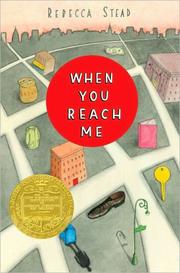
When You Reach Me
A sixth grader in 1970s New York gets strange notes that seem to predict the future.
2,456-word summary · 11 min read
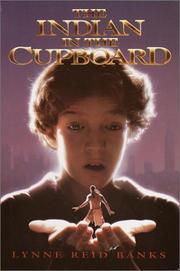
The Indian in the Cupboard
Omri learns a key turns plastic Little Bear into a live Iroquois man.
2,228-word summary · 10 min read
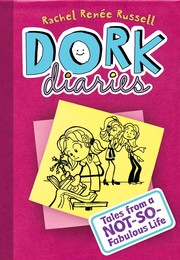
Tales from a Not-So-Fabulous Life
Nikki starts private school and writes mean-girl survival in her diary.
2,587-word summary · 11 min read
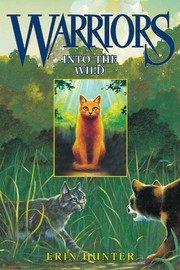
Into the Wild
Housecat Rusty joins ThunderClan and learns clan law before war.
2,597-word summary · 12 min read
Gregor the Overlander
Gregor follows Boots down a grate into the Underland and a war prophecy.
2,516-word summary · 11 min read
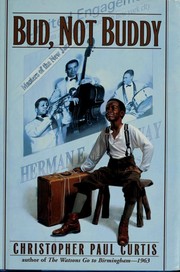
Bud, Not Buddy
A ten year old orphan in the Depression walks to find a jazzman he thinks is his father.
2,568-word summary · 11 min read
The Miraculous Journey of Edward Tulane
A china rabbit lost at sea learns to love through owners kind and cruel across many years.
2,002-word summary · 9 min read
The Demigod Files
Three Percy Jackson side quests plus camp maps, cabin guides, interviews, and god profiles set before the final battle.
2,498-word summary · 11 min read