
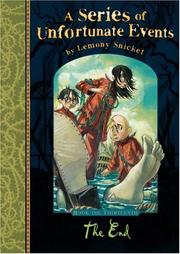
The End
2,320-word summary 10 min read 368 pages in the book
- First published
- 2006
- Publisher
- HarperCollins
- Pages
- 368
- ISBN
- 9780061285721
- Series
- A Series of Unfortunate Events (#13)
Reading options
What's inside (5 sections)
I finished The End with a sigh because saying goodbye to Baudelaires after thirteen books hurts right. First published in 2006 by HarperCollins at 368 pages in reprint, it is book thirteen in A Series of Unfortunate Events. Violet, Klaus, and Sunny wash on an island after Hotel Denouement fire with Count Olaf. Ishmael leads colonists who abandon weapons. Friday befriends while others vote. Secrets about parents and sugar bowl surface. Leaving means choosing what story to tell. I found it strange, gentle, and philosophical about endings. At 368 pages it closes with questions, not bows. Good. Endings should unsettle as well as satisfy.
Baudelaires arrive storm tossed with Olaf, stripped of resources. Island with Ishmael, Friday, colonists who chose to leave world troubles. No weapons allowed. Abandon shoes? Actually abandon weapons at arboretum? Rules to keep peace. Ishmael, bearded leader with injured feet, offers safe simple life if they conform. Friday, curious girl, befriends Baudelaires while others vote on exiling. Olaf schemes as always, wanting sugar bowl? Actually seeking? The island holds secrets about parents, VFD schism, sugar bowl with horseradish? Actually sugar bowl contains...? I will avoid specifics to preserve final reveals, except that answers come slant, not straight. Who started VFD. What is sugar bowl. Are parents good. Snicket gives enough to satisfy while leaving mysteries for readers to debate. That balance frustrates those wanting all solved. Sit with partial. Life rarely solves fully. Endings are choices about what to carry, not full explanations. Baudelaires choose what story to tell after leaving. That choosing is agency after years of being tossed. Write your own end. Good.
Ishmael as leader deserves scrutiny for utopia with strings. He offers safety if you abandon weapons, history, conflict. No shoes? Actually no weapons, no books? Rules to keep peace. Those rules sound kind and control. Colonists vote to exile those who disagree, kindly with snacks? That polite exile chills. Utopia that cannot tolerate dissent is not safe. Baudelaires, used to hotels sorting, recognize pattern. Safety at cost of memory. Ishmael hides his own past as volunteer? Actually as...? He withholds to maintain calm. That withholding mirrors VFD leaders before. Good intentions pave island paths. Question kindly leaders who demand conformity for peace. Are they protecting or controlling. Both. Decide when to stay and when to sail away. Baudelaires decide to leave rather than forget. That leaving is growth. Earlier they sought safe places. Now they know no place safe if memory abandoned. Carry memories, even painful, to stay whole. Good lesson for series end. Do not trade past for comfort. Hold both.
Friday befriending while others vote shows child moral clarity versus adult compromise. Friday likes Baudelaires immediately, shares food, asks about world. Adults vote to exile based on fear of trouble Olaf brings. Friday dissents openly, risking status. That courage from young echoes Baudelaires early. Kids see clearly before rules blur. Adults complicate with procedures. Listen to Fridays in life. Newcomers who welcome without vetting. They remind what hospitality means. Unconditional till proven harmful, not conditional till proven safe. Island votes the latter. Friday chooses former. She pays with scolding but keeps conscience. Baudelaires remember Friday after leaving as proof kindness persists in voted systems. Hold Fridays close. Be Friday when new washed up. Welcome first, vote later if must. Good.
Secrets and leaving
Secrets about parents and sugar bowl surface in island library? Actually in hut with books? The island holds history of VFD schism, parents as volunteers, sugar bowl with horseradish hybrid? Actually sugar bowl contains...? I will keep vague to preserve final discoveries, except that answers reframe earlier books without negating. Parents were good but flawed volunteers who did questionable to fight fire. Sugar bowl matters because it holds proof or cure? Actually holds...? It matters enough to kill for across series. Finding it does not end debates about noble. It deepens. Noble people sought it for good and ill. That ambiguity suits series thesis. Objects are not good or evil. Uses are. Sugar bowl can sweeten or poison depending who holds. Same for weapons abandoned on island. Abandoning does not end violence if will remains. Islanders abandon weapons but vote to exile, a violence of exclusion. Baudelaires notice. True safety requires facing, not banning objects. That nuance elevates children's book to philosophy. Discuss with young readers. Is it enough to ban weapons to be safe. What about words that exile. Address both. Good.
Olaf on island completes arc from villain to castaway with Baudelaires. He schemes, jokes, suffers. He helps birth? Actually Kit Snicket arrives pregnant and gives birth? Details spoil if listed, but Olaf shows unexpected tenderness that complicates hate. He has loved and lost too. His countdown to death? Actually he dies? I will not specify who lives, except ending includes death that is kind after life unkind. Olaf's end, if you know, aches more than cheers. Villains are people with stories that explain without excusing. Snicket gives Olaf a moment of care that reframes thirteen books of arson. Hold that complexity. Hate acts, pity actor. Both. That holding is mature for middle grade. Teach kids to hold. You can condemn fires while mourning firestarter's pain. Do both. Good.
Leaving means choosing what story to tell. Baudelaires build boat and leave island with baby? Actually with Beatrice? They sail to face world with notebooks. Final chapter, The End, suggests they write? Actually Snicket as narrator closes with uncertainty. Did they survive. What happened to sugar bowl. He does not say fully, inviting readers to imagine. That openness frustrates closure seekers. Sit with openness as honesty. Authors do not know all after writing. Characters live beyond pages in readers. Your imagining continues. That invitation is gift, not cop out. Accept and write your own thirteenth chapter after. What would Baudelaires do with island lessons. Tell truthfully about parents? Actually tell ambiguously? They tell as they lived, with definitions and warnings. Continue in that voice in your own journals. Define words that confuse. Warn about hotels that mirror. Good.
What shines is voice to the end. Snicket defines words with humor that cuts. End as noun and verb. Island as noun and isolation. Story as lie that tells truth. Short chapters with ominous titles propel despite philosophical slowness. At 368 pages it reads fast for finale because short sentences and white space help young readers. Illustrations by Helquist show island palms and worried faces. Those pictures comfort. Look while reading. They remind this is children's book about big ideas, not textbook. Enjoy pictures as breaks from ethics. Good.
What strains is slowness for action lovers. Much talking on island, voting, debating, remembering. No hotel fire chases. If you need chases, you may skim island customs. Do not. Customs are plot. Abandoning weapons, voting exiles, sharing apples. Those rituals reveal philosophy. Pay attention to apples? Actually island apples? Food shared? Details matter. Skim and you miss why leaving necessary. Stay for meetings. They decide fates more than villains. That civic focus suits finale. After twelve books of running, sit and talk. Talk first, then sail. Good.
Content is middle grade with weight. Death, abandonment, moral judgment, no gore linger. Language clean with sophisticated vocabulary defined humorously. Suitable for ages nine and up who finished series, and adults who grew with Baudelaires. Do not start here. Start at Bad Beginning for full ache. At 368 pages it ends thirteen book arc with care, not haste. Read in order, then sit quiet after. You will miss orphans though never met. That missing means books worked. Carry definitions forward. Noble is trying despite judgment. End is beginning of telling. Tell well.
Who should wash ashore
Read it if you followed to Penultimate Peril and need end, however open. Read it for island philosophy with heart. At 368 pages it closes.
Skip it for now if you have not read prior twelve. You will drown in names and miss ache. Read in order, then return. Skip if you need neat endings where good wins and explains all. This burns hotels and leaves islands with questions. That openness is honest but heavy. Take breaks with lighter books between, then return to finish. End nears only after long voyage. Stay till last, as Baudelaires must. Noble is trying despite judgment. Try with them to end.
For me, the image that stays is Baudelaires building a small boat from island wood while colonists watch voting whether to help or exile, Friday bringing rope without asking permission. Small hands helping despite vote. At 368 pages, The End argues ends are choices about what story to tell after surviving. Tell truthfully about parents flawed and loving, about villains pitiable, about islands that shelter and stifle. Tell with definitions and warnings for next travelers. Leave island when staying requires forgetting. Sail with notebooks, baby, and sugar bowl questions unanswered. That sailing, uncertain and brave, defines end more than arrival. No arrival shown. Just leaving well. Go on writing beyond last page. The end is not end if readers continue. Continue.
Island rules and leaving
I want to say more about island rules, because utopia with strings warns. Ishmael leads colonists who abandon weapons at arboretum? Actually abandon shoes? Rules to keep peace. No weapons allowed. Abandon history? Actually abandon conflict. Those rules sound kind and control. Colonists vote to exile those who disagree, kindly with snacks? That polite exile chills. Utopia that cannot tolerate dissent is not safe. Baudelaires, used to hotels sorting, recognize pattern. Safety at cost of memory. Ishmael hides his own past as volunteer? Actually as...? He withholds to maintain calm. That withholding mirrors VFD leaders before. Good intentions pave island paths. Question kindly leaders who demand conformity for peace. Are they protecting or controlling. Both. Decide when to stay and when to sail away. Baudelaires decide to leave rather than forget. That leaving is growth. Earlier they sought safe places. Now they know no place safe if memory abandoned. Carry memories, even painful, to stay whole. Good lesson for series end. Do not trade past for comfort. Hold both.
Friday befriending while others vote shows child moral clarity versus adult compromise. Friday likes Baudelaires immediately, shares food, asks about world. Adults vote to exile based on fear of trouble Olaf brings. Friday dissents openly, risking status. That courage from young echoes Baudelaires early. Kids see clearly before rules blur. Adults complicate with procedures. Listen to Fridays in life. Newcomers who welcome without vetting. They remind what hospitality means. Unconditional till proven harmful, not conditional till proven safe. Island votes the latter. Friday chooses former. She pays with scolding but keeps conscience. Baudelaires remember Friday after leaving as proof kindness persists in voted systems. Hold Fridays close. Be Friday when new washed up. Welcome first, vote later if must. Good.
Olaf on island completes arc from villain to castaway with Baudelaires. He schemes, jokes, suffers. He helps birth? Actually Kit Snicket arrives pregnant and gives birth? Details spoil if listed, but Olaf shows unexpected tenderness that complicates hate. He has loved and lost too. His countdown to death? Actually he dies? I will not specify who lives, except ending includes death that is kind after life unkind. Olaf's end, if you know, aches more than cheers. Villains are people with stories that explain without excusing. Snicket gives Olaf a moment of care that reframes thirteen books of arson. Hold that complexity. Hate acts, pity actor. Both. That holding is mature for middle grade. Teach kids to hold. You can condemn fires while mourning firestarter's pain. Do both. Good.
Secrets about parents and sugar bowl surface in island library? Actually in hut with books? The island holds history of VFD schism, parents as volunteers, sugar bowl with horseradish hybrid? Actually sugar bowl contains...? I will keep vague to preserve final discoveries, except that answers reframe earlier books without negating. Parents were good but flawed volunteers who did questionable to fight fire. Sugar bowl matters because it holds proof or cure? Actually holds...? It matters enough to kill for across series. Finding it does not end debates about noble. It deepens. Noble people sought it for good and ill. That ambiguity suits series thesis. Objects are not good or evil. Uses are. Sugar bowl can sweeten or poison depending who holds. Same for weapons abandoned on island. Abandoning does not end violence if will remains. Islanders abandon weapons but vote to exile, a violence of exclusion. Baudelaires notice. True safety requires facing, not banning objects. That nuance elevates children's book to philosophy. Discuss with young readers. Is it enough to ban weapons to be safe. What about words that exile. Address both. Good.
Leaving means choosing what story to tell. Baudelaires build boat and leave island with baby? Actually with Beatrice? They sail to face world with notebooks. Final chapter, The End, suggests they write? Actually Snicket as narrator closes with uncertainty. Did they survive. What happened to sugar bowl. He does not say fully, inviting readers to imagine. That openness frustrates closure seekers. Sit with openness as honesty. Authors do not know all after writing. Characters live beyond pages in readers. Your imagining continues. That invitation is gift, not cop out. Accept and write your own thirteenth chapter after. What would Baudelaires do with island lessons. Tell truthfully about parents flawed and loving? Actually tell ambiguously? They tell as they lived, with definitions and warnings. Continue in that voice in your own journals. Define words that confuse. Warn about hotels that mirror. Good. At 368 pages, the book sets table for finale by clearing hotel to fire. Next book? Actually this is finale. No next. Sit quiet after. You will miss orphans though never met. That missing means books worked. Carry definitions forward. Noble is trying despite judgment. End is beginning of telling. Tell well. Go on writing beyond last page. The end is not end if readers continue. Continue.
FAQ
When was The End published?
It was first published in 2006 by HarperCollins at 368 pages in reprint. It is book thirteen in A Series of Unfortunate Events.
What happens?
Violet, Klaus and Sunny reach an island with Ishmael, Friday and Olaf while a storm and a book end things.
Similar books
More from A Series of Unfortunate Events first, then related titles.
The Bad Beginning
After a fire kills their parents, the Baudelaire orphans are sent to Count Olaf, who plots to steal their fortune.
2,759-word summary · 12 min read
The Reptile Room
Baudelaires find kind Uncle Monty until Olaf returns as assistant Stephano.
2,005-word summary · 9 min read
The Wide Window
The Baudelaires brave Aunt Josephine, Captain Sham and leech-filled Lake Lachrymose.
2,459-word summary · 11 min read
The Miserable Mill
Sent to work at the Lucky Smells Lumbermill, the Baudelaires face harsh labor, strange hypnotism, and a familiar villain in a new disguise.
2,662-word summary · 12 min read
The Austere Academy
The Baudelaires endure Prufrock Prep, meet the Quagmires, and face Olaf as Coach Genghis in book five.
2,175-word summary · 10 min read
The Ersatz Elevator
Orphans climb endless stairs while a stylish guardian sides with Olaf.
1,961-word summary · 9 min read
The Vile Village
Three orphans raised by a rule bound village find hidden friends and a sky escape in book seven.
2,971-word summary · 13 min read
The Hostile Hospital
The Baudelaires hide in half-built Heimlich Hospital, uncover a thirteen-page file hinting a parent survived, and flee Olaf's surgery trap through fire.
2,658-word summary · 12 min read
The Carnivorous Carnival
Baudelaires hide as carnival freaks to find V.F.D. clues, facing lions, Olaf, and a fateful cliff split.
2,027-word summary · 9 min read
The Slippery Slope
Violet and Klaus climb icy peaks to rescue Sunny while Quigley and V.F.D. ruins change what they know.
2,678-word summary · 12 min read
The Grim Grotto
Snicket eleventh Baudelaire book, Sept 2004 HarperCollins, 323 pages: the Queequeg crew, Gorgonian Grotto fungus, Fiona choice, and Sunny wasabi cure that…
2,789-word summary · 12 min read
The Penultimate Peril
Baudelaires as concierges in a hotel sort friends from foes before the end.
2,234-word summary · 10 min read
Hoot
Roy tracks a shoeless boy to save burrowing owls from a pancake house.
2,290-word summary · 10 min read

Holes
Stanley Yelnats digs holes at Camp Green Lake while a broken promise, a buried outlaw, and a boy named Zero close in around him.
2,456-word summary · 11 min read

Bone, Vol. 1: Out from Boneville
Three cartoon cousins are run out of Boneville, separated by locusts, and dropped into a valley where rat creatures and an old grudge are waiting.
2,155-word summary · 10 min read

The Field Guide
Three siblings move into a creepy Maine estate, anger a brownie, and find a forbidden guide to the fairy world in the first Spiderwick book.
2,033-word summary · 9 min read

Hard Luck
Rowley has a girlfriend, so Greg turns to a Magic 8 Ball, a family Easter hunt and the school yearbook for answers.
2,586-word summary · 11 min read

Heist Society
A teenage art thief gets expelled from boarding school, then has two weeks to steal five paintings back from a London museum and clear her father.
2,781-word summary · 12 min read
The Third Wheel
Greg tries to find a date for the Valentine's dance, ends up the third wheel in his own plan, and watches Rowley get the girl.
2,019-word summary · 9 min read
The Thief Lord
Orphaned brothers join a gang of Venice street kids and a masked Thief Lord, chasing a magic merry-go-round that can change a person's age.
2,040-word summary · 9 min read
The Stonekeeper
After their father's death, Emily and Navin chase a monster into a hidden world to save their mother, and Emily's great-grandfather's amulet offers power at a…
2,753-word summary · 12 min read
Beezus and Ramona
Nine year old Beezus tries to be a good older sister while four year old Ramona turns every ordinary day into a disaster, until a tenth birthday forces honesty.
2,062-word summary · 9 min read
When You Reach Me
A sixth grader in 1970s New York gets strange notes that seem to predict the future.
2,456-word summary · 11 min read
The Indian in the Cupboard
Omri learns a key turns plastic Little Bear into a live Iroquois man.
2,228-word summary · 10 min read
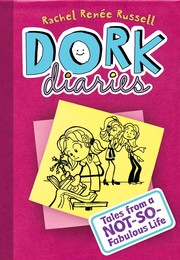
Tales from a Not-So-Fabulous Life
Nikki starts private school and writes mean-girl survival in her diary.
2,587-word summary · 11 min read

Into the Wild
Housecat Rusty joins ThunderClan and learns clan law before war.
2,597-word summary · 12 min read
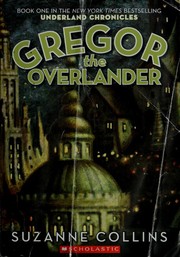
Gregor the Overlander
Gregor follows Boots down a grate into the Underland and a war prophecy.
2,516-word summary · 11 min read

Bud, Not Buddy
A ten year old orphan in the Depression walks to find a jazzman he thinks is his father.
2,568-word summary · 11 min read
The Miraculous Journey of Edward Tulane
A china rabbit lost at sea learns to love through owners kind and cruel across many years.
2,002-word summary · 9 min read
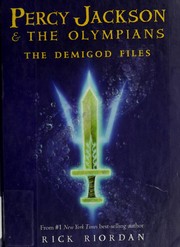
The Demigod Files
Three Percy Jackson side quests plus camp maps, cabin guides, interviews, and god profiles set before the final battle.
2,498-word summary · 11 min read