
Reading options
What's inside (7 sections)
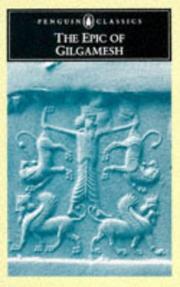
I came to Gilgamesh late and out of order. I had read the Odyssey in the Fagles translation and the Iliad after it, and a teacher friend said if I liked those I should go older, to the Babylonian poem that comes before both by more than a thousand years. I bought the Penguin paperback, the N. K. Sandars version from 1960 that runs 128 pages, because it was cheap and small enough to carry. I expected a fragmentary museum piece. What I found was a complete emotional arc about friendship and fear, told in plain prose with gaps where tablets break off, and a flood story I half knew from elsewhere told here in an older form.
A quick note on facts, since this book needs it more than most. The poem itself dates to the third millennium BC in its earliest stories, shaped in Akkadian versions centuries later. What I read was Sandars putting broken tablets into continuous English in 1960 for Penguin Books. The site lists the year as 1960, which follows the same habit as other ancient works here. The Odyssey entry uses 1996 for the Fagles Viking edition rather than the eighth century BC. So when you see 1960 and Penguin Books with 128 pages, read that as this translation, not the origin. The author stays Anonymous because no single hand claims it.
For shape: Gilgamesh, king of Uruk, oppresses his people until the gods send him a rival who becomes his friend. The two perform great feats together. When the friend dies, Gilgamesh runs from his own death across the world to find a survivor of the flood. He fails to gain endless life and returns home changed. Spoilers below cover all of it, including the flood and the plant.
The tyrant of Uruk and the man from the steppe
The opening praises Uruk and its walls before it accuses its king. Gilgamesh is two thirds god and one third man, strong beyond measure, handsome, restless. He builds the great walls of Uruk with pride. He also takes what he wants. He sleeps with brides before their husbands on wedding nights, by right of kingship as claimed then. He wears out young men with forced labor and contests. The people cry out to the gods. Anu hears. The goddess Aruru pinches off clay and fashions Enkidu in the wild, hairy and innocent, living with gazelles, eating grass, drinking at water holes, freeing trapped animals from hunters.
The taming of Enkidu is one of the strangest passages to read now. A hunter sees this wild man ruining his pits and asks his father what to do. They go to Gilgamesh, who tells them to send Shamhat, a temple woman, to lie with Enkidu and civilize him. She does. For six days and seven nights they stay together. After, the gazelles shy from him. His speed leaves his legs. He gains understanding, speech, bread, beer, clothing. Shamhat tells him of Uruk and its king. Enkidu decides he will go and challenge this oppressor. I paused here for a long time. The mechanism offends modern readers, and Sandars does not hide it. The poem treats sex as a door into culture. Shamhat is kind to Enkidu beyond the act, feeding him and guiding him. Still, she is sent as a tool. That tension never quite resolves, and I think readers should sit with it rather than excuse it.
Enkidu arrives during a wedding. Gilgamesh moves to claim the bride. They fight in the street, doorposts shaking, walls trembling. Gilgamesh throws him. Then, instead of hatred, they kiss and become friends. It happens fast on the page, almost too fast, but the poem earns it by what follows. Enkidu, who knew animals, now has a brother in arms. Gilgamesh, who knew no equal, now has someone who can say no to him. The city breathes easier because the king's energy turns outward.
Cedar Forest and Humbaba
Gilgamesh proposes an expedition to the Cedar Forest to cut cedar and kill its guardian, Humbaba. The elders of Uruk warn against it. Humbaba was set there by Enlil, faces like flint, breath like fire. Enkidu, who once roamed near those woods, knows the terror and tries to turn Gilgamesh back. Gilgamesh insists. He wants a name that lasts. He arms himself, asks blessings from Shamash the sun god, and marches with Enkidu. Shamhat's role fades. The mother goddess Ninsun prays. The march is told with dreams that Enkidu interprets as favorable, though the images are dark.
I lingered on the council scene because it shows how Uruk handles this king. The elders bless him with words about going first and watching Enkidu's back, advice that sounds wise and proves useless in the forest. Ninsun offers incense and pleads with Shamash to guard them on the road. On the march, Gilgamesh dreams of a mountain falling, a bull fighting, fire breaking out. He wakes shaken each time. Enkidu turns each dream kind. The mountain means Humbaba will fall. The bull means Shamash will help. Reading these, I felt both comforted and misled, since Enkidu believes his own readings while fear sits under them. It reminded me of friends talking each other into a risky move with good cheer that hides doubt.
The fight itself feels old in a good way. They provoke Humbaba, who roars. Shamash sends winds to pin him. Humbaba begs for life and offers to serve. Enkidu urges Gilgamesh to strike before Enlil hears. Gilgamesh kills him, cuts cedar, and floats logs back. Triumph fills Uruk. I liked the noise of this section, axes and wind and shouting, after the quieter taming chapters. I also felt the waste of it. They came for timber and fame and killed a guardian doing his task. The poem does not lecture on this. It lets the later deaths answer the earlier pride.
A fair complaint belongs here about Sandars. His English is clear and readable, which helped me finish in two sittings. At times it smooths over breaks where tablets are missing with short bridges. Scholars who want line breaks and brackets may prefer a newer critical edition. For a first read, I found the lucidity a gift. Only once or twice did I wonder what had been stitched. The introduction, glossary of names, and map of the Ancient Orient helped me keep cities and gods straight.
Ishtar, the Bull, and the price
Back in Uruk, washed and shining, Gilgamesh draws the eye of Ishtar. She proposes marriage. Gilgamesh refuses with a long list of her past lovers and what became of them. The speech is harsh and funny and cruel at once. Ishtar runs weeping to Anu and demands the Bull of Heaven to punish Uruk. Anu warns that seven years of famine will follow. Ishtar says she has stored grain. He gives her the Bull. It comes down snorting, cracking houses, killing men with its breath. Enkidu grabs its tail. Gilgamesh drives a sword into its neck. They offer the heart to Shamash and hang the horns in the temple. Ishtar curses from the wall. Enkidu tears off the Bull's haunch and throws it at her.
That insult matters. The gods meet and decide someone must pay for Humbaba and the Bull. They choose Enkidu. He sickens. His dreams turn. He curses the cedar gate, the hunter, Shamhat, then takes back curses and blesses Shamhat after Shamash rebukes him. He dies slowly over twelve days, with Gilgamesh beside him. The lament that follows is the heart of the book for me. Gilgamesh covers his friend, weeps, refuses burial until a worm falls from the nose. He orders statues, offerings, mourning through Uruk. Grief turns quickly into fear. If Enkidu, strong as he was, could die, what chance has Gilgamesh.
I found this the most human stretch. Earlier feats read like legend. This reads like a bedroom watch. Sandars keeps the language simple here, which lets the repetition ache. Gilgamesh says he will not die as Enkidu died. He puts on lion skins and walks into the steppe. The wild that once produced Enkidu now receives the king in flight.
Running to the edge of the world
Gilgamesh travels far to find Utnapishtim, the one man who survived the great flood and was given life that does not end. The road takes him through the mountain Mashu, where scorpion people guard the sun's path. They warn him no mortal has passed. He begs through. Darkness lies for twelve leagues. Light returns. He reaches the garden of gems, where trees hang with carnelian and lapis, and stands blinking in a beauty that feels out of place after grief. Then the shore and the tavern keeper Siduri. She tells him to eat, drink, wash, wear clean clothes, enjoy wife and child, since gods kept endless life for themselves and gave death as the share of men. He refuses comfort and demands the ferryman. I found her counsel hard to dismiss. She speaks for limits with more warmth than any god in the poem, and Gilgamesh walks past it because mourning has made him deaf to ordinary joys.
Urshanabi ferries souls across death's waters. Gilgamesh smashes the stone things that let the boat cross, in anger or haste, then must cut poles to push through. They reach Utnapishtim. The old man looks ordinary. Gilgamesh cannot accept that. How can you, like me, hold back death. Utnapishtim answers with a test and a story. First the test. Stay awake for six days and seven nights. Gilgamesh sits and sleeps at once. Bread loaves set beside him mold to mark time. He wakes ashamed. The test proves what fear already knows. Sleep, small death, defeats him. How would he defeat true death.
Then the story inside the story. Utnapishtim tells of the flood much as later readers will know it from other books, but older here. Ea warned him through a reed wall to build a boat, load kin and craftsmen and animals, seal it. Storms broke for six days and seven nights. All turned to clay. The boat stuck on Mount Nimush. He sent dove, swallow, raven. The raven did not return. He offered sacrifice. The gods gathered like flies. Enlil was angry that life escaped. Ea defended the trick. Enlil relented and gave Utnapishtim and his wife life apart from men, at the mouth of rivers. The tale is told plainly, without triumph. I read it twice. It reframes the whole poem. One man lived through the end of the world and found it lonely.
The plant, the snake, and the walls
Utnapishtim pities Gilgamesh enough to mention a plant at the bottom of the sea that restores youth. Gilgamesh ties stones to his feet, sinks, grabs it, cuts the cords. He plans to carry it to Uruk and test it on an old man first. On the way back, at a pool, he bathes. A snake smells the plant and eats it, shedding its skin as it leaves. Gilgamesh weeps. The prize is gone through carelessness after all that travel. He returns to Uruk empty handed, with Urshanabi beside him.
The ending is quiet and famous. Gilgamesh points to the walls of Uruk, the brickwork, the gates, the foundations laid by seven sages. He tells Urshanabi to walk them and read the inscription. Scholars argue about tone here. Is this acceptance. Is this pride returning. I read it as both, which is why the book stays with me. He set out for endless days and came back able to see his city. The walls he built as a tyrant now look like something he can offer. Not life without end. Work that lasts past a life.
What holds up best is the friendship and the fear. Enkidu's taming, the street fight, Humbaba, the Bull, then the sickbed, all move with speed despite gaps. The flood account still grips. Sandars prose carries action well and keeps names clear. The map helped me picture Uruk, the Cedar Mountain, the waters.
What sags, and readers deserve warning, is repetition and loss. Dreams come twice. Speeches repeat with small changes, a habit of oral story. Tablets break at awkward spots, so some transitions jar. Women get narrow roles. Shamhat civilizes and leaves. Siduri advises and is ignored. Ishtar desires and is shamed. A modern reader may bristle, rightly, at how the poem uses them to move men along. The Bull episode also raises questions the poem does not answer about pride and punishment. I wished for notes that flag where Sandars fills holes, though his introduction does explain his approach in general.
Who should read this Sandars Penguin. If you want a short door into ancient epic before trying longer translations, this 128 page book fits an evening or two. Readers who liked the Odyssey for travel and tests will find an earlier version of those beats. Readers who want strict poetry or full apparatus should pick a newer scholarly edition with transliteration. I am glad I started here for clarity, and I plan to try a verse rendering next with more of the Akkadian texture.
I closed the book thinking of Argos on Ithaca and Enkidu on his sickbed, both animals and men waiting. Gilgamesh loses his friend, chases endless life past the flood, and learns to look at walls. That is the whole excerpt I would give a friend, and it is enough to start.
FAQ
When was The Epic of Gilgamesh published?
The N. K. Sandars English version was published by Penguin Books in 1960. It runs 128 pages with ISBN 9780140441000.
Is The Epic of Gilgamesh part of a series?
No. It is a standalone ancient poem with no series, shaped from Sumerian and Akkadian tablets.
Who are the main characters?
Gilgamesh king of Uruk, Enkidu his friend, Shamhat who tames Enkidu, Ishtar, Siduri, and Utnapishtim who survived the flood.
Similar books
The Aeneid
Trojan Aeneas flees burning Troy for Italy, losing Dido and friends before warring to found a line that becomes Rome.
2,080-word summary · 9 min read
Beowulf
An anonymous Old English epic in Heaney's Norton translation: Beowulf faces Grendel, Grendel's mother, and a dragon across a lifetime of fame and cost.
2,810-word summary · 12 min read
The Iliad
Achilles quits the fight over Briseis, Patroclus falls to Hector, and Troy burns toward its fate in Homer's war epic.
2,320-word summary · 10 min read
The Odyssey
Homer's Odyssey in Fagles translation: Odysseus fights home past Cyclops, Circe, and Sirens while Telemachus seeks news and Penelope stalls suitors in Ithaca.…
2,504-word summary · 11 min read
Sonnets & Poems
154 sonnets plus Venus and Adonis and other poems on time, love, and fading beauty.
2,341-word summary · 10 min read
The Divine Comedy
Lost, guided by Virgil then Beatrice, Dante crosses Hell, climbs Purgatory, and rises to light.
2,199-word summary · 10 min read
Inferno
Dante, lost at thirty-five, follows Virgil down through nine circles of Hell, from Limbo to the ice, and climbs back toward the stars.
3,131-word summary · 14 min read
The Silmarillion
Tolkien's posthumous First Age history, edited by Christopher Tolkien: the Music of the Ainur, Feanor's Silmarils, Beren and Luthien, Gondolin, and the fall of…
2,544-word summary · 11 min read
The Secret of the Nagas
Shiva hunts the Naga who attacked Sati, discovers her hidden twin sister and lost son, and follows the trail to the Naga capital of Panchavati.
2,442-word summary · 11 min read

Doctor Zhivago
A doctor and poet lives through revolution, war, and love in Pasternak's novel of private life under the pressure of Russian history.
2,213-word summary · 10 min read
The Complete Poems of Emily Dickinson
Thomas H. Johnson's one-volume edition gathers all 1,775 of Emily Dickinson's poems in their restored texts, the standard reading edition since 1960.
2,191-word summary · 10 min read
The Swiss Family Robinson
Shipwrecked Robinsons build treehouses and tame island beasts.
2,400-word summary · 11 min read
The Red Badge of Courage
Henry Fleming runs at Chancellorsville, then returns to stand.
2,486-word summary · 11 min read

Pygmalion
Higgins bets he can pass flower girl Eliza off as a duchess.
2,521-word summary · 11 min read
Leaves of Grass
Free verse songs of self, America, bodies and democracy.
2,240-word summary · 10 min read
The Once and Future King
T.H. White retells Arthur from boyhood with Merlyn to Camelot's fall, mixing comedy, myth, and a hard look at war and power.
2,200-word summary · 10 min read
The Call of Cthulhu and Other Weird Stories
Seventeen tales from Dagon to Innsmouth, led by Cthulhu, the Colour, and the Whisperer, in S. T. Joshi careful Penguin edition with notes and corrected texts.
2,593-word summary · 12 min read
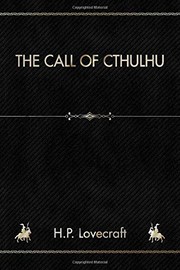
The Call of Cthulhu
A professor's papers link a sculptor's dreams, a Louisiana cult raid, and a sailor's voyage to a sleeping god under the sea.
2,530-word summary · 11 min read
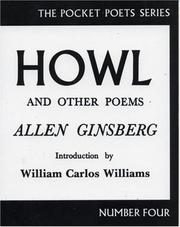
Howl and Other Poems
Ginsberg's 1956 City Lights debut: Howl for outcasts plus tender shorter poems, in 48 pages that survived an obscenity trial.
2,570-word summary · 11 min read

Ulysses
Bloom, Stephen, and Molly cross Dublin on June 16 1904 in parallel to Odyssey, from breakfast to night bed yes.
2,222-word summary · 10 min read

The Night Before Christmas
A father watches St Nicholas arrive with reindeer on Christmas Eve in classic poem.
1,986-word summary · 9 min read
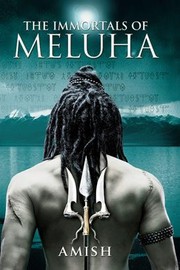
The Immortals of Meluha
Tribal Shiva learns he is fabled Neelkanth prophesied to save Meluha.
1,994-word summary · 9 min read

Dream Country
Four Sandman shorts on muses, cats, Shakespeare, and a veiled heroine.
2,001-word summary · 9 min read
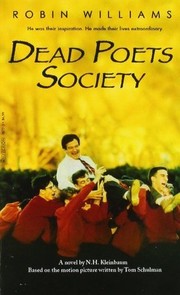
Dead Poets Society
Keating tells Welton boys to seize the day and his secret club costs more than grades.
2,031-word summary · 9 min read
The Raven
A grieving student asks a midnight raven and hears only Nevermore.
2,141-word summary · 10 min read
The Canterbury Tales
Pilgrims riding to Canterbury trade bawdy, holy, and sly tales while the Host keeps score at the Tabard Inn.
2,002-word summary · 9 min read
The Tell-Tale Heart and Other Writings
Mad narrators, Dupin puzzles, mournful poems, and Pym in one Bantam collection.
2,333-word summary · 10 min read
Preludes & Nocturnes
Dream escapes a 70 year prison, hunts his lost tools, faces Hell, and learns care from Death.
2,047-word summary · 9 min read
The Prophet
A prophet delayed twelve years answers his city on love, work, sorrow and freedom before his ship sails.
2,852-word summary · 13 min read

The Complete Works of Edgar Allan Poe
The full Poe shelf in one volume: mad narrators, rotting houses, Dupin, and the Raven.
2,183-word summary · 10 min read