

Dream Country
2,001-word summary 9 min read 160 pages in the book
- First published
- 1991
- Publisher
- DC Comics
- Pages
- 160
- ISBN
- 9781563892264
- Series
- The Sandman (#3)
Reading options
What's inside (4 sections)
I read Dream Country between Sandman epics because friends said it was where Gaiman found his voice, and they were right. First collected in 1991 by DC Comics. The edition runs 160 pages with ISBN 9781563892264. It is The Sandman volume three, after Doll's House, collecting issues 17 to 20. Four independent stories where Dream barely appears. A muse enslaved, cats dreaming, Shakespeare playing, a heroine who cannot die. If you think Sandman is only goth horror, these fables will widen. Read slowly. Each stands alone and together they sing.
Calliope opens with horror about stories. A writer enslaved a muse, Calliope, Homer muse, for ideas. He keeps her bound, assaults her, writes bestsellers. Dream once loved her. Their son Orpheus tore. Now Dream frees her because Erasmus Fry? Actually because new writer asks? The new writer, Richard Madoc, holds her and prospers while she wastes. Dream comes, furious and sad, and frees by bargaining stories. Madoc gets ideas overflowing until madness. Justice tastes bitter and apt. Creators who exploit muses, assistants, wives, should read with sweat. Who makes your stories. At what cost. Gaiman, who lived by writing others myths, asks pointedly. The issue reads as apology and warning. Free your muses. Credit. Pay. Or Dream will visit with worse than writer block. The art by Kelley Jones is shadowed and lush. Muses glow. Men sweat. Good.
A Dream of a Thousand Cats follows, beloved and strange. A stray cat tells kittens that dreams can remake world. Long ago, humans ruled cats as pets. Cats dreamed of a world where they are large and humans small. Enough cats dreaming changed reality. Now a Siamese wanderer preaches this to skeptical kittens. Dream appears briefly as cat shaped. The story works as fable about collective dreaming and power. Oppressed can dream otherwise, if enough together. Kids love cats. Adults hear politics. Both shiver at end when kittens look at humans differently. Read with cats nearby. They will stare. Wonder what they dream. Be kind to them today. They may be voting in sleep. Gaiman at his most playful and serious together. Few pages. Lasting chill. Perfect.
Shakespeare and Facade
A Midsummer Night's Dream won the World Fantasy Award, first comic to do so, and deserves its fame. Dream commissions Shakespeare to play his play for faeries as payment for inspiration. The issue stages both, mortals performing for immortals who watch kings and lovers blunder. Art by Charles Vess glows with greenwood magic. Puck winks. Titania lusts. Dream watches his friend Will with pride and sorrow, knowing the price of stories is sons lost? Actually Hamnet echoes. The layers dazzle. Play within comic about play about dreams. Scholars write essays. Readers feel wonder without footnotes. Faeries laugh at mortal lovers. Mortals laugh at faerie king. Dream smiles rarely. He does here, small and sad. Stories cost. Pay gladly. Teach this to young writers drunk on inspiration. Muses charge. Acknowledge. Share royalties, credit, care. Shakespeare paid with performance for real audience beyond London. What will you pay. Ask before taking myths. Give after. The award recognized what fans knew. Comics can be literature when words and pictures dream together. Frame this issue. Reread yearly on midsummer. Perform a scene aloud. Feel faeries listen. They might. Be kind if they do. Applaud.
Facade closes with quiet heartbreak unlike anything before. Element Girl, Rainie Blackwell, once heroine, now cannot die and cannot live normally. Face melted? Actually transformed by chemical? She hides, works menial jobs, calls old friends who pity. Dream barely appears. Death does, kind and practical, offering talk on bench. Their conversation about wanting death and fearing it is the series most humane pages. No powers fix. Just company. Rainie chooses? I will not spoil. The ending aches with acceptance. Superhero comics rarely sit with useless powers as curse. Gaiman does, with Colleen Doran art that honors plain faces. Readers with chronic illness, disfigurement, will feel seen. Others learn. Powers do not save from loneliness. Company does, briefly. Be company. Sit on benches with tired heroes. Listen longer than comfortable. Death models how. Follow her lead. Kind, direct, unhurried. That is the whole issue lesson in one bench talk. Stay.
Dream barely appears across all four, which is the point critics praise. After two volumes of Morpheus brooding center, Gaiman steps back to show world dreaming without him. Muses suffer. Cats plot. Bards play. Forgotten heroines fade. Dream touches edges, freeing, watching, mourning. That restraint proves confidence. Series can breathe beyond lead. Later volumes will center him again for Season of Mists. Here enjoy fables. Each stands alone for new readers. Start here if epics intimidate, then go back to Preludes. Order matters less than mood. Dream Country teaches Sandman grammar. Stories within stories. Debts paid in performance. Kindness as rebellion against gods, even Dream himself when he errs. Learn grammar. Then read all. Dream widens. So will you, after cats, Shakespeare, muses, veils. Sleep differently after. Good.
Who should read. Older teens and adults ready for horror and sexual content fit best. Calliope assault is central though not graphic. Facade body horror aches. Cats hunt. Shakespeare bewitches. No explicit sex scenes, but themes mature. Fans of Sandman must read in order for Orpheus setup that pays later. Newcomers can start here for taste, then decide. Pair with Fables and Reflections next for more standalones, or with Season of Mists for arc return. Read with light on for cats. Keep Shakespeare handy for quotes. Note Dream absences as presence. He learns by watching here. So do we. Dream well after. Tell stories kindly. Credit muses. Feed cats. Applaud bards. Sit with tired heroines. That is Dream Country in one night of reading. Four dreams. One waking changed.
Muses, cats, and debts
Calliope as muse enslaved needs lingering because it indicts creators directly. Richard Madoc, blocked writer, holds her captive for ideas. He prospers while she wastes. Dream, once her lover, frees her by giving Madoc ideas overflowing until madness. Justice tastes bitter and apt. Creators who exploit assistants, wives, muses should read with sweat. Who makes your stories. At what cost. Gaiman, who built career on myths, asks pointedly of himself too. His answer in later work is to credit, pay, share. Practice that after reading. Credit helpers in acknowledgments. Pay collaborators fairly. Free muses by contract before Dream visits. The art by Kelley Jones shadows this lesson. Muses glow. Men sweat. Good. Remember glow the next time you take help. Thank loudly. Pay promptly. Or do not take. Create alone badly rather than exploit well. Dream watches creators specially. Behave as if watched. You are, by readers who know.
Cats dreaming revolution delights and disturbs in equal measure worth savoring. A Siamese tells kittens that enough dreamers remake world. Long ago humans dreamed cats small. Cats can dream humans kneeling. The logic is dream physics Gaiman loves. Belief shapes. The kittens listen, doubtful, then look at humans differently. Readers do too. Our cats stare after reading. What do they plot in sleep. Be kind today just in case. Beyond cute, the story argues oppressed can dream otherwise if together. Numbers matter. One cat dreaming changes nothing. A thousand shift reality. Organize dreams like votes. Share visions. Act as if. That politics hides in fable for kids and adults both. Teach it in classrooms with care. Dreams need deeds to complete. Cats in story do not just dream. They presumably act after. We do not see. Imagine. Then act in waking for those without claws. Vote. March. Write. Dreaming starts. Doing finishes. Gaiman knows. End with kittens staring. Shiver. Then feed them. Kindness now may shape their dreams kindly. Hope so. Dream well together.
Shakespeare debt and Facade bench close the volume with paired lessons about stories costing. Shakespeare promised Dream a play for inspiration. He pays with Midsummer performed for faeries who watch kings blunder. That payment, art for magic, bankrupts him personally though enriches world. His son Hamnet echoes? Actually loss shadows. Gaiman suggests muses charge families, not just hours. Pay attention to cost when accepting inspiration. Ask what it takes from home. Budget love alongside ink. Facade bench offers opposite lesson. No grand debt. Just tired heroine wanting end. Death sits, talks, waits. No rush. That patience heals more than bargains. Two stories together argue. Pay inspiration debts gladly. Do not rush tired friends. Sit. Listen. Both take time. Give it. Stories and people need unhurried company to transform. Be company. Dream does here by watching edges. So can readers. Watch kindly. Credit muses. Feed cats. Applaud bards. Sit with tired. That is Country in one night. Four dreams. One waking changed for good.
Dream absence across four stories proves series confidence worth naming for new readers. After two volumes centering brooding Morpheus, Gaiman steps back to show world dreaming without him. Muses suffer. Cats plot. Bards play. Forgotten heroines fade. Dream touches edges, freeing, watching, mourning. That restraint shows mastery. Series can breathe beyond lead. Later volumes center him again for Season of Mists. Here enjoy fables. Each stands alone. Start here if epics intimidate, then go back to Preludes. Order matters less than mood. Dream Country teaches Sandman grammar. Stories within stories. Debts paid in performance. Kindness as rebellion against gods. Learn grammar. Then read all. Dream widens. So will you after cats and Shakespeare. Sleep differently after. Good.
Shakespeare debt as inspiration price needs plain talk for young writers drunk on muses. Dream gave Shakespeare talent. Shakespeare promised a play performed for faeries. He pays with Midsummer performed in Faerie mound as written. That payment costs family time, sleep, peace. Worth it for immortality? Playwright thinks so, then mourns son Hamnet after. Gaiman links art cost to life cost without preaching. Muses charge families, not just hours. Pay attention to cost when accepting inspiration. Ask what it takes from home. Budget love alongside ink. Readers who create should note. Inspiration is loan, not gift. Repay with credit, care, time off for loved ones. Shakespeare paid with performance for real audience beyond London. What will you pay for your stories. Ask before taking myths. Give after. The award recognized comics as literature when words and pictures dream together. Frame this issue. Reread yearly on midsummer. Perform a scene aloud. Feel faeries listen. They might. Be kind if they do. Applaud. Good.
Cats dreaming revolution delights and disturbs in equal measure worth savoring slowly. A Siamese tells kittens that enough dreamers remake world. Long ago humans dreamed cats small. Cats can dream humans kneeling. The logic is dream physics Gaiman loves. Belief shapes. The kittens listen, doubtful, then look at humans differently. Readers do too. Our cats stare after reading. What do they plot in sleep. Be kind today just in case. Beyond cute, the story argues oppressed can dream otherwise if together. Numbers matter. One cat dreaming changes nothing. A thousand shift reality. Organize dreams like votes. Share visions. Act as if. That politics hides in fable for kids and adults both. Teach it in classrooms with care. Dreams need deeds to complete. Cats in story do not just dream. They presumably act after. We do not see. Imagine. Then act in waking for those without claws. Vote. March. Write. Good.
Read with light on for cats. Keep Shakespeare handy for quotes. Note Dream absences as presence. He learns by watching here. So do we. Dream well after. Tell stories kindly. Credit muses. Feed cats. Applaud bards. Sit with tired heroines. That is Dream Country in one night. Four dreams. One waking changed for good. Start here if epics intimidate, then go back to Preludes. Order matters less than mood. Learn grammar. Then read all. Dream widens. So will you after cats and Shakespeare. Sleep differently after. Good. Tell stories kindly always. Credit muses every time. Good.
Four dreams. One waking changed for good. Tell stories kindly always. Credit muses every time. Feed cats daily. Applaud bards loudly. Sit with tired heroines patiently. Good.
FAQ
When was Dream Country published?
First collected in 1991 by DC Comics. The edition runs 160 pages with ISBN 9781563892264.
Is it part of a series?
Yes. It is Sandman volume three, after Doll s House.
Who should read it?
Older teens and adults fit best. There is horror and sexual content.
Similar books
More from The Sandman first, then related titles.
Preludes & Nocturnes
Dream escapes a 70 year prison, hunts his lost tools, faces Hell, and learns care from Death.
2,047-word summary · 9 min read
The Sandman, Vol. 2: The Doll's House
Rose Walker dreams open as Dream hunts his missing creations and the Corinthian.
2,338-word summary · 10 min read
Chainsaw Man, Vol. 1: Dog and Chainsaw
A broke teenage devil hunter and his chainsaw dog get a second life, a government leash, and a fight that stops mid-swing in Fujimoto's horror comedy.
2,584-word summary · 11 min read
Locke & Key, Vol. 1: Welcome to Lovecraft
After their father is murdered, the Locke children move into a haunted family estate where keys unlock doors to ghosts, other places, and dangerous secrets.
2,019-word summary · 9 min read
The Once and Future King
T.H. White retells Arthur from boyhood with Merlyn to Camelot's fall, mixing comedy, myth, and a hard look at war and power.
2,200-word summary · 10 min read
The Call of Cthulhu and Other Weird Stories
Seventeen tales from Dagon to Innsmouth, led by Cthulhu, the Colour, and the Whisperer, in S. T. Joshi careful Penguin edition with notes and corrected texts.
2,593-word summary · 12 min read
The Call of Cthulhu
A professor's papers link a sculptor's dreams, a Louisiana cult raid, and a sailor's voyage to a sleeping god under the sea.
2,530-word summary · 11 min read
Something Wicked This Way Comes
Two boyhood friends meet a late October carnival that feeds on secret wishes, while Will's father learns how to fight it.
2,869-word summary · 13 min read
Lore Olympus: Volume One
Sheltered Persephone meets lonely Hades at an Olympus party, and gossip, old trauma, and new power test their slow bond.
2,283-word summary · 10 min read
The Silmarillion
Tolkien's posthumous First Age history, edited by Christopher Tolkien: the Music of the Ainur, Feanor's Silmarils, Beren and Luthien, Gondolin, and the fall of…
2,544-word summary · 11 min read
The Drawing of the Three
Wounded on a beach, Roland pulls two strangers from New York through doors to survive and keep moving toward the Tower.
3,252-word summary · 14 min read
The Green Mile
Guard Paul Edgecombe watches John Coffey show healing miracles on death row in 1932 Louisiana.
2,549-word summary · 11 min read
The Gunslinger
Roland chases the man in black across desert to the tower, losing Jake and learning ka is a wheel.
2,071-word summary · 9 min read
Anansi Boys
A dull Londoner learns his dead dad was a spider god and his slick brother inherited all the magic.
2,036-word summary · 9 min read
Norse Mythology
Gaiman retells the Norse myths in order, from the creation of the world to Ragnarok, with Odin, Thor and Loki at the center.
4,647-word summary · 21 min read
The Graveyard Book
A toddler escapes the murder of his family and is raised by ghosts in a graveyard, learning from the dead while the killer who hunts him waits outside.
2,786-word summary · 12 min read
The Ocean at the End of the Lane
A man recalls age seven when a lodger's suicide let hunger birds in, and Lettie Hempstock saved him.
2,070-word summary · 9 min read
Coraline
Coraline finds a door to a better version of home, ruled by the Other Mother with button eyes.
2,081-word summary · 9 min read
American Gods
Shadow Moon leaves prison to work for Mr Wednesday and gets pulled into war between old gods and new.
3,718-word summary · 17 min read
The Thief
A boastful young thief is pulled from a prison to steal a legendary stone for the king's magus, and the story he tells about himself is not the whole story.
2,514-word summary · 11 min read
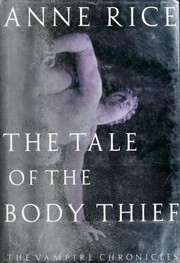
The Tale of the Body Thief
Lestat trades bodies with a psychic thief for one day of mortality and ends up trapped, sick, and hunting his own vampire body.
2,069-word summary · 9 min read
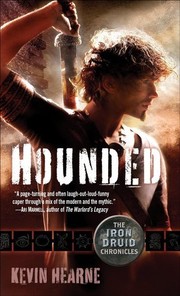
Hounded
A two-thousand-year-old druid runs a bookshop in Arizona, hides from an Irish god who wants his sword back, and talks to his dog.
2,159-word summary · 10 min read
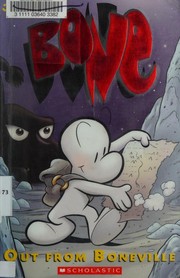
Bone, Vol. 1: Out from Boneville
Three cartoon cousins are run out of Boneville, separated by locusts, and dropped into a valley where rat creatures and an old grudge are waiting.
2,155-word summary · 10 min read

Magic Burns
A magic flare hits Atlanta, and mercenary Kate Daniels must recover stolen maps, find a missing witch, and keep a teenage girl alive while Celtic gods try to…
2,021-word summary · 9 min read
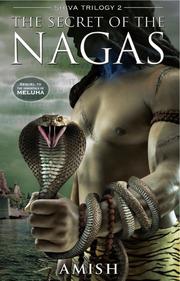
The Secret of the Nagas
Shiva hunts the Naga who attacked Sati, discovers her hidden twin sister and lost son, and follows the trail to the Naga capital of Panchavati.
2,442-word summary · 11 min read

The Siren
Saved from a shipwreck in 1930, Kahlen becomes a siren who sings men to their deaths for the Ocean, until a boy in a college library makes her want a life she…
2,369-word summary · 11 min read
The Chalice of the Gods
Percy needs three recommendation letters from three gods to apply to college, so his first quest is recovering a stolen chalice from the god of old age.
2,106-word summary · 9 min read
The Ship of the Dead
Magnus and his crew sail to the edges of the Norse worlds to stop Loki from launching Naglfar, the ship of the dead.
2,426-word summary · 11 min read
The Lottery
In Jackson's 1948 story, a village draws lots to keep the corn heavy, and the chosen person is stoned by her neighbors.
3,080-word summary · 14 min read
The Sword of Shannara
A young half-Elf and a company of companions set out to recover a magic sword before the Warlock Lord destroys the Four Lands.
2,474-word summary · 11 min read