
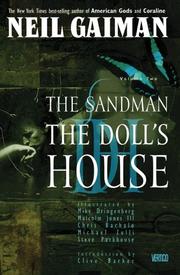
The Sandman, Vol. 2: The Doll's House
2,338-word summary 10 min read 226 pages in the book
- First published
- 1990
- Publisher
- DC Comics
- Pages
- 226
- ISBN
- 9780930289591
- Series
- The Sandman (#2)
Reading options
What's inside (11 sections)
I came to this volume right after Preludes and Nocturnes, expecting more Hell duels and ruby errands. The Doll's House is quieter and stranger. It collects issues nine to sixteen, first published as single comics in 1989 and 1990 and gathered by DC Comics in 1990, 226 pages in the edition cited here. Dream is back in his chair, but the story spends most of its time with a young woman in Florida and a boarding house in Georgia. I liked that shift, even when it frustrated me.
The premise is simple on the surface. Rose Walker is looking for her lost brother. Dream is looking for three missing creations who fled when he was locked up. One of those creations has grown teeth for eyes and learned to like murder. Their searches cross because Rose is something called a vortex, a person who draws dreams together and can pull down walls between minds. Dream tells his staff, flatly, that a vortex must die or the Dreaming will tear.
That sounds cold, and it is. The book sits with that coldness for eight chapters.
Rose Walker and Unity
Rose starts in Florida, living a thin life. Her mother Miranda has died. Her father is gone. Her younger brother Jed is lost in the foster system somewhere near Georgia. A lawyer hands her a letter and a check and a name: Unity Kincaid, her grandmother, a rich old woman in England who slept for decades and woke with money and gaps in her memory.
Rose flies to England with her friend Jack. Unity is odd and kind. She was the sleepy sickness girl from volume one, the one who slept from 1916 onward while Dream sat in a basement. She woke when he escaped. She claims Rose as family, funds her search, and tells her to go find Jed in America. There are photos, hugs, talk of dreams where Unity gave away a child she never met awake.
I found this opening slow on first read. Rose cries a lot. Jack flirts. Unity talks in circles. Then I reread it and saw what Gaiman was doing. Unity dreamed a whole life while her body lay still. She met a man with golden eyes in dreams and had a daughter there. That daughter became Miranda, Rose mother. So Rose family starts inside a dream. The book never shouts about it. It lets you add it up two hundred pages later when Desire brags.
Rose takes the money and flies to Georgia. She moves into Hal Carter boarding house while she hunts for Jed. Hal wants to be a cabaret star. He cooks, sings in the kitchen, lends bus fare. The house holds Barbie and Ken, a young couple with bright smiles and empty pockets, plus Chantal and Zelda, two older women who collect spiders and speak in short careful lines, plus Gilbert, a stout cheerful man who quotes Chesterton and walks Rose to the park.
That house carries half the book. People share bathrooms, borrow sugar, argue about rent. Rose tapes Jed photo to the fridge. Barbie draws comics. Zelda wraps herself in scarves even indoors. It feels lived in, not sketched. When horror arrives later, it lands because you know who leaves shoes by the door.
What drags here is pacing. Gaiman cuts between Rose, Dream, Jed, and Hob Gadling, and some cuts stall. The England scenes repeat information. Jack vanishes without weight. Still, the house scenes kept me turning pages. I wanted coffee with these people.
Jed alone
Jed chapters are hard to read. He lives with foster guardians who lock him in a basement, withhold food, and call it discipline. His only company is a battered school bag and dreams where a sandman host and a crow promise rescue that never quite comes.
In dreams Jed meets Brute and Glob, two small escaped creations of Dream who have set themselves up as lords of a sealed off dream pocket. They tell Jed he is the Sandman, give him a helm made from a coffee can, and use him to keep other dreamers trapped. They mean to hide from Dream inside a child mind.
Gaiman draws Jed without pity tricks. Jed counts cracks, saves crusts, practices being brave in a closet. He writes letters to Rose he cannot mail. A teacher notices bruises and does nothing fast enough. Social workers file forms. It is the most plainspoken part of the book, and the most upsetting.
Brute and Glob read as comic at first, bickering like old janitors. Then you see they are feeding on Jed. They puff him up with hero talk while his waking body thins. Dream later calls them deserters who broke law. I read them as something sadder, office staff who liked being gods for a while and told themselves the kid did not mind.
Fair warning for new readers. There is child beating, confinement, hunger, and neglect shown directly, plus a death in the foster home that happens off panel but is described. The book does not linger to shock. It reports, which somehow hurts more.
Dream puts his house in order
Between Rose and Jed scenes, Dream walks his kingdom with Lucien the librarian and Matthew the raven. The Dreaming is still thin after his prison years. Doors hang open. The frontiers fray. Dream sends word for missing subjects to return. Some do. Some refuse.
Matthew steals every scene he is in. He was a man, died in his sleep in volume one, and woke as a raven who complains about worms and traffic. He asks the questions readers would ask. Why not just kill the vortex now. Dream answers in short sentences that close talk rather than open it.
Two sequences stand out. In one, Dream descends into the sealed pocket where Brute and Glob hide and unmakes them with a word after a brief trial. In another, Dream visits Hob Gadling in an inn, as he does once a century. Hob is the man from 1389 who said he would never wish for death, and Dream meets him to see if he changed his mind. They drink, argue about plague and printing and cars, and part as wary friends. Hob has no link to Rose plot, but the chapter gives Dream a mirror.
Gilbert and Fiddler's Green
Gilbert earns his own note because he fooled me. He presents as a funny neighbor who follows Rose around, pays for pie, waits outside social service offices. Halfway through, Matthew spots him for what he is. Gilbert is Fiddler's Green, a place in the Dreaming that took a man shape to walk the waking world. He stays near Rose because he feels the vortex pull and wants to shield her.
When Dream orders all missing creations home, Gilbert obeys without running. Dream lets him remain as a place with a kind face, at least for now. I loved this idea more than any monster in the book. A hill that wanted to be a gentleman sounds silly in summary. On the page it plays as gentle and sad.
The Corinthian
The Corinthian is the nightmare who did not come home. In Preludes we glimpsed him, a tall man in sunglasses with mouths full of teeth where eyes should be. Here he walks America, rents cars, stays in motels, and kills young men and women who trust a clean smile.
Gaiman does not make him a joke killer. The Corinthian believes he serves a purpose. People dream of dark mirrors, he says. He shows them what they hide. He keeps souvenirs, photographs, clippings. He attends a gathering he helped inspire.
His best scenes are quiet. He buys coffee. He asks directions. A hitchhiker trusts him because he looks like an insurance man. The horror sits in manners. The sunglasses stay on. When they slip, Gaiman shows teeth and small wet mouths, and victims understand too late.
Dream made him, which the book keeps repeating. Matthew asks why make such a thing. Dream says the Dreaming holds all dreams, including ones that bite. That answer does not satisfy Matthew or me. It is honest, though. Minds make cruel images. A lord of dreams cannot claim only the sweet ones.
I should note content plainly. There are murders on page and talk of eye eating, strangling, and body disposal. There is a child in danger, a woman stalked in a motel, and a man who collects trophies. None of it is drawn as fun. It reads as rot. Readers who found the diner issue in volume one too much should know this volume is less prolonged but still graphic in places.
The convention
The middle climax gathers serial killers at a hotel convention under the banner of a collectors event. The Corinthian is guest of honor. Men with names like Fun Land and Nimrod swap stories, trade tips, brag about numbers. Fun Land, a large soft spoken man in a cartoon shirt, has been holding Jed for his own use after the foster home falls apart. He brings the boy along like luggage.
Rose, searching for Jed, drifts toward the same hotel because vortex dreams pull strays together. Gilbert follows to guard her. Dream and Matthew follow to kill the vortex before walls break. The Corinthian follows because crowds feed him.
The convention chapters are satire with blood. Killers complain about name tags, panel times, autograph lines. One argues about who counts as a collector. Another sulks because his hobby gets no respect. Gaiman, who loves genre gatherings, turns fandom language sour. I laughed once, then felt sick at laughing. That seems intended.
Fun Land takes Rose to his car, meaning to hurt her. Gilbert steps in and holds him long enough for help. The Corinthian moves through halls until Dream arrives in the lobby and unmakes him, pulling the teeth eyes out of story. Guests scream. Lights fail. Power, when it finally shows, is quick and total.
Lost hearts and payment
The end moves fast. Dream finds Rose in the hotel, with Gilbert fallen and Matthew pecking at locks. He tells her she is the vortex and must die to save the Dreaming. Rose, exhausted, half asleep, argues in plain words. She looked for her brother. She did not ask to pull dreams. Why should she pay for how she was made.
Then Unity arrives, old and ill, flown across an ocean because dreams told her to come. She takes Rose hands and tells the truth she carried since sleep. In dreams, as a girl, she met Desire of the Endless, golden eyed and sweet voiced, who lay with her and left her with child. That child was Miranda. The vortex passed from Unity to Miranda to Rose. Unity, as the first, claims it. She says the debt is hers.
Dream permits the transfer, though law says it cannot be done. He lets Unity take the vortex into herself and die in her sleep that night, sparing Rose. Some readers call this mercy. Some call it paperwork. Desire laughs in the background, having seeded this bloodline to trap Dream into spilling family blood, which the rules forbid. Dream sidesteps by accepting Unity offer. Desire, thwarted, promises another try.
Rose wakes with Jed found, Gilbert gone back to hills, the house emptying. She buries Unity, holds Jed hand in a hospital, learns to sleep without pulling others in.
I found the ending both moving and neat to a fault. Unity sacrifice lands because she chooses, after a life spent asleep, to spend death awake in choice. Yet Rose learns the truth largely through speeches, and Jed gets few lines. There is a coda with Hob Gadling that helps. Dream meets him again, drinks, and almost smiles.
Art, writing, and what creaks
The art shifts across pencillers, with Mike Dringenberg carrying much of the load. The Dreaming looks better than in volume one, less scratch, more space. The waking world is drawn in browns and denims, motels with buzzing signs. Faces stay consistent enough that I knew Chantal from Zelda at a glance.
Gaiman scripting is surer here than in Preludes. Captions shorten. Dialogue sounds like people, especially Hal and Matthew. What creaks is structure. Tales in the Sand opens out of order, a desert myth about Nada that pays off volumes later but stalls momentum now. Men of Good Fortune pauses Rose search for a century hopping interlude. Both are good alone. Together they make the middle sag.
Women fare better than in volume one but not evenly. Rose, Unity, Barbie, Zelda have inner lives. Desire is cruel without depth yet. Later Sandman will do more.
Who it is for
Read this if you liked volume one but wanted more heart with the horror, or if you enjoy stories where small flats and motels sit beside gods. It suits readers who like boarding house novels, road searches, and myths that intrude without permission. If you loved Coraline or Neverwhere, you will see Gaiman testing tools he later sharpens.
It is not for young readers or for anyone who wants tidy justice. There is child abuse, murder, eye horror, sexual menace talked about and partly shown, drug use, and language. The hotel convention is the hardest part, with killers joking about victims. The Jed basement scenes run close behind.
Content notes. Confinement and beating of a child, foster neglect, murder and mutilation with eye imagery, stalking, a collectors meeting that trades killing tips, a death in sleep, miscarriage history discussed in family backstory, animal death in passing when Matthew hunts, brief nudity in Dream sequences without detail. The overall tone is mournful rather than thrilled, but the images stick.
I closed the book thinking less about Dream than about Hal kitchen. Soup on a stove while gods argue about law. A hill learning to be a man to walk a girl home. That mix of plain kindness and old rule is why I kept going to volume three.
FAQ
Do I need to read Preludes and Nocturnes first?
Yes. Volume one frees Dream, ruins his kingdom, and introduces Rose as a vortex. This book pays off that setup directly.
Is this the start of the series?
No. It is the second Sandman collection, gathering issues nine to sixteen from 1989 to 1990. Start with volume one, then read this.
Is The Doll's House okay for younger readers?
No. It has child abuse, murder with eye horror, stalking, and a killers convention that jokes about victims. It suits older teens and adults.
Similar books
More from The Sandman first, then related titles.
Preludes & Nocturnes
Dream escapes a 70 year prison, hunts his lost tools, faces Hell, and learns care from Death.
2,047-word summary · 9 min read

Dream Country
Four Sandman shorts on muses, cats, Shakespeare, and a veiled heroine.
2,001-word summary · 9 min read
Fairy Tale
A grieving teen cares for a recluse and his old dog, then finds a shed well leading to Empis, a fading world at war.
3,203-word summary · 14 min read
The Graveyard Book
A toddler escapes the murder of his family and is raised by ghosts in a graveyard, learning from the dead while the killer who hunts him waits outside.
2,786-word summary · 12 min read
The Ocean at the End of the Lane
A man recalls age seven when a lodger's suicide let hunger birds in, and Lettie Hempstock saved him.
2,070-word summary · 9 min read
Coraline
Coraline finds a door to a better version of home, ruled by the Other Mother with button eyes.
2,081-word summary · 9 min read

The Tale of the Body Thief
Lestat trades bodies with a psychic thief for one day of mortality and ends up trapped, sick, and hunting his own vampire body.
2,069-word summary · 9 min read
Chainsaw Man, Vol. 1: Dog and Chainsaw
A broke teenage devil hunter and his chainsaw dog get a second life, a government leash, and a fight that stops mid-swing in Fujimoto's horror comedy.
2,584-word summary · 11 min read
Homeland
Drizzt Do'Urden is born into the cruel drow city of Menzoberranzan, where his father teaches him to fight and to doubt everything his family believes.
2,303-word summary · 10 min read

Nettle & Bone
Marra, a princess in a convent, leaves to save her abused sister, but first she must finish three impossible tasks: a bone dog, a nettle cloak, moonlight in a…
2,061-word summary · 9 min read

The Hazel Wood
Alice Proserpine has spent her life running from bad luck. When her mother vanishes, she follows a trail of fairy-tale clues to her grandmother's estate and…
2,064-word summary · 9 min read
Locke & Key, Vol. 1: Welcome to Lovecraft
After their father is murdered, the Locke children move into a haunted family estate where keys unlock doors to ghosts, other places, and dangerous secrets.
2,019-word summary · 9 min read
House of Salt and Sorrows
Annaleigh Thaumas investigates her sister's death in a cursed island manor where the balls are illusions and the sea god is always listening.
2,025-word summary · 9 min read
Nevernight
Mia Corvere trains with a cult of assassins to avenge her murdered family, in a world where true night falls only once every few years.
2,093-word summary · 9 min read
Vengeful
Victor and Eli return deadlier as new EOs rise and old debts burn.
2,488-word summary · 11 min read
The Burning God
Rin burns south and bargains with the Phoenix as the Republic splits.
2,381-word summary · 11 min read

Anna Dressed in Blood
Ghost hunter Cas meets Anna, the ghost who kills back.
2,622-word summary · 12 min read

Rose Madder
After fourteen years of abuse, Rosie Daniels flees her cop husband and finds a painting that opens into a dangerous mythic world.
2,349-word summary · 10 min read
Horns
Accused of killing Merrin Williams, Ig Perrish wakes with horns that force strangers to confess their darkest sins.
2,264-word summary · 10 min read
The Witching Hour
A San Francisco surgeon inherits a haunted New Orleans house where a spirit has courted her witches for centuries, until a Christmas Eve birth gives it living…
2,953-word summary · 13 min read
Prince of Thorns
At thirteen Jorg Ancrath rides with killers across a broken Europe, hunting Count Renar for family murder while chasing lost Builder fire and the empire throne.
2,488-word summary · 11 min read
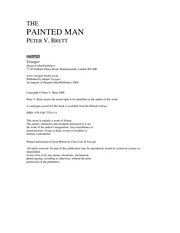
The Warded Man
Each night demons rise and humanity hides behind wards. Three young survivors choose to fight back in Brett's 2008 fantasy opener.
2,703-word summary · 12 min read

The Talisman
Twelve-year-old Jack Sawyer flips between America and the Territories to find a Talisman that can save his dying mother.
2,050-word summary · 9 min read

NOS4A2
Vic McQueen's bike finds lost things through a bridge, pitting her against Manx's Rolls-Royce ride to Christmasland.
2,060-word summary · 9 min read
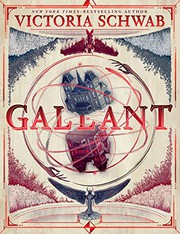
Gallant
Mute Olivia Prior returns to Gallant manor where ghouls walk and a shadow Recommends.
2,081-word summary · 9 min read
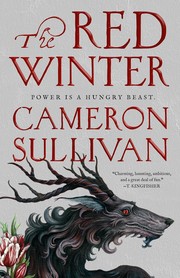
The Red Winter
In 1785 France, aging monster-slayer Sebastian Grave and his heart-eating demon return to hunt the Beast of Gevaudan as revolution brews.
2,578-word summary · 11 min read
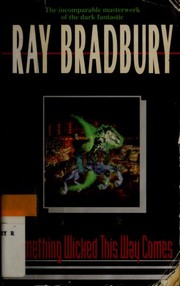
Something Wicked This Way Comes
Two boyhood friends meet a late October carnival that feeds on secret wishes, while Will's father learns how to fight it.
2,869-word summary · 13 min read
Guilty Pleasures
Animator Anita hunts a vampire killer while Jean-Claude pulls her close.
2,136-word summary · 9 min read
Fables, Vol. 1: Legends in Exile
Exiled fairy tales hide in New York, and sheriff Bigby Wolf must solve Rose Red's bloody disappearance.
2,984-word summary · 13 min read
Song of Susannah
Mia takes Susannah to 1999 New York to bear a chap while Roland meets his author in Maine.
2,051-word summary · 9 min read